










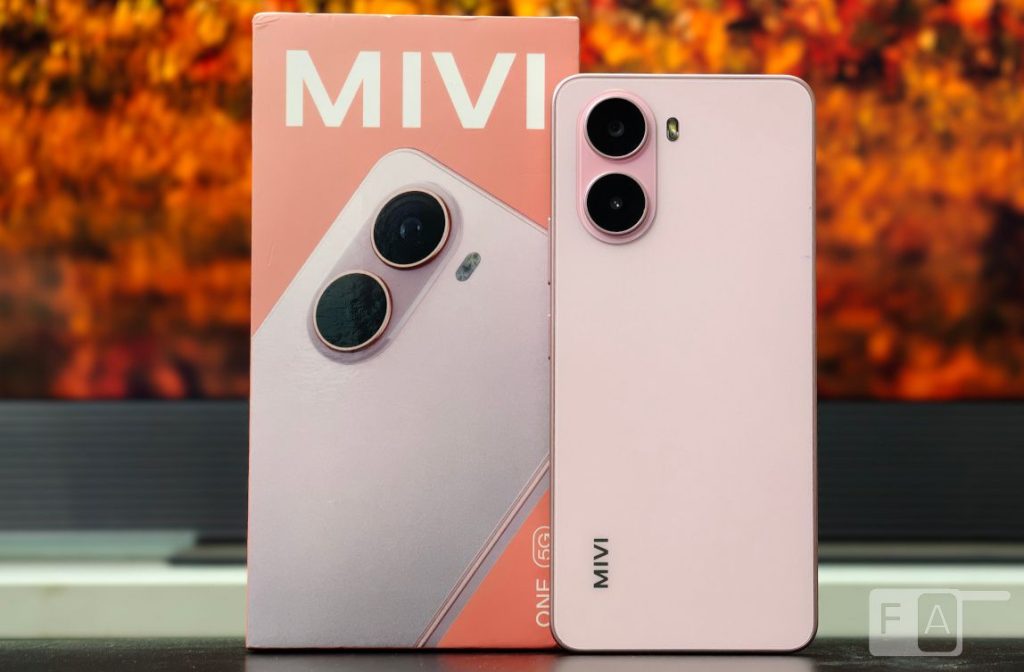
The Indian consumer electronics landscape has witnessed a significant shift this week as Mivi—a brand historically synonymous with audio peripherals and accessories—officially transitioned into the smartphone market. The debut device, the Mivi One 5G, is not merely a statement of diversification; it is a calculated entry into the hyper-competitive budget 5G segment. By pairing the reliability of Qualcomm’s hardware with a focus on clean software and battery endurance, Mivi is positioning itself as a challenger to established incumbents.
Main Facts: Hardware and Design Philosophy
The Mivi One 5G arrives with a clear mandate: to offer a balanced, bloatware-free experience for the price-conscious user. At its core, the device is powered by the Qualcomm Snapdragon 4 Gen 2 SoC. Built on a power-efficient 4nm process, this chipset is the engine that allows the device to manage 5G connectivity while maintaining thermal efficiency.
Key Technical Specifications:
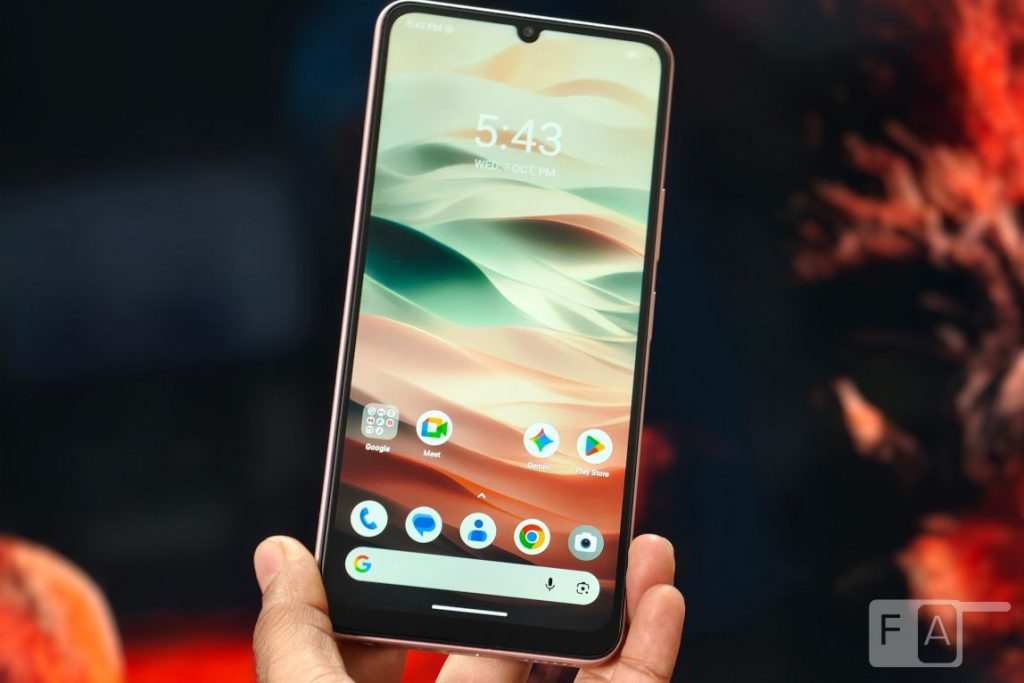
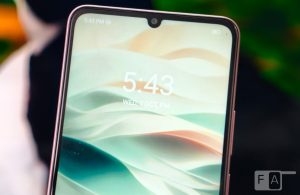
- Display: 6.75-inch HD+ LCD panel with a 120Hz refresh rate.
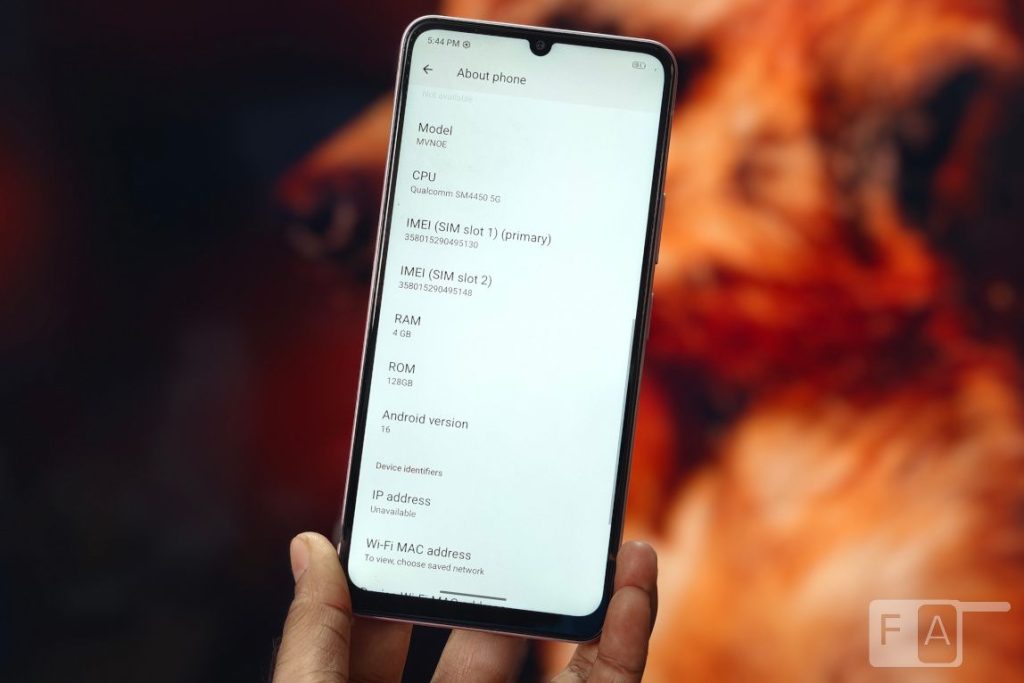
- Processor: Qualcomm Snapdragon 4 Gen 2 (4nm).
- Memory & Storage: Up to 8GB of RAM and 128GB of internal storage.
- Battery: 6000mAh capacity with 18W Power Delivery (PD 2.0) support.
- Optics: 50MP primary rear sensor (f/1.8, PDAF) with an auxiliary sensor; 8MP front-facing camera.
- Software: Android 16 (Stock interface) with a commitment to updates through Android 18.
- Connectivity: 5G-ready, hybrid SIM slot, 3.5mm headphone jack.
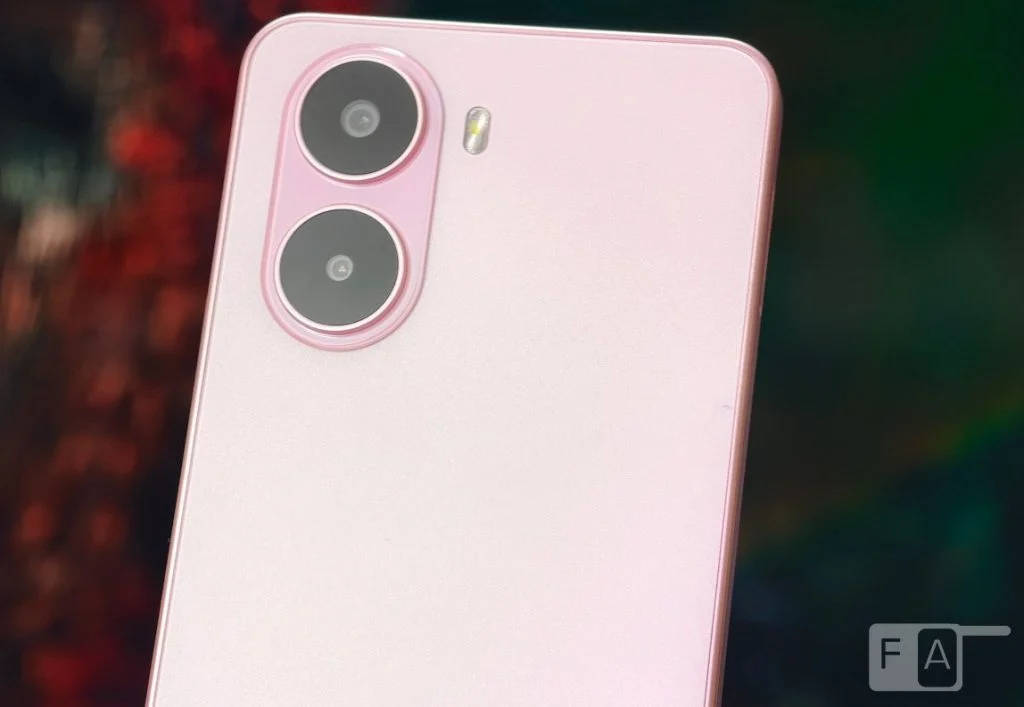
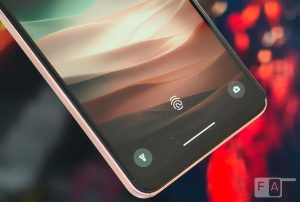
The design language leans into practicality. The phone features a 2.5D PMMA back cover that successfully resists fingerprints, a common nuisance in budget-tier handsets. While the device carries some heft—weighing 210g with a thickness of 9.15mm—this is a direct trade-off for the inclusion of a substantial 6000mAh battery, which promises multi-day endurance for the average user.
Chronology: From Audio Pioneers to Smartphone Players
Mivi’s journey to the launch of the One 5G has been a decade-long evolution of brand trust.
- 2015-2020: Mivi establishes its footprint in India as a homegrown brand focusing on high-quality charging cables, power banks, and eventually, TWS earbuds and Bluetooth speakers.
- 2023-2024: The company signals a strategic pivot, investing heavily in local manufacturing and R&D facilities. This "Make in India" focus became the bedrock for their smartphone aspirations.
- September 2026: Leaks and teasers begin circulating, confirming that Mivi is testing a proprietary "Neural Voice Engine" for clear communication, hinting at the phone’s unique selling proposition.
- October 2026: The Mivi One 5G is officially unveiled.
- October 8, 2026: The device goes on sale via Flipkart, coinciding with the "Big Billion Days" sale, marking its commercial debut with an aggressive introductory pricing structure.
Supporting Data: Performance and Real-World Utility
The Mivi One 5G is not trying to win benchmarks; it is trying to win the daily usage test. Our initial impressions highlight a few key areas where the data suggests a strong value proposition:
The "ClearTalk" Advantage
A standout feature is the Mivi ClearTalk technology. Driven by the proprietary Mivi Neural Voice Engine, this software-hardware integration focuses on real-time noise suppression. In urban environments where ambient noise—traffic, wind, and crowded public spaces—often degrades call quality, the Neural Voice Engine acts as an AI filter. By isolating human speech patterns, the phone aims to provide a premium calling experience that is often neglected in budget smartphones.
Display and Visuals
The 120Hz refresh rate on an HD+ panel is a strategic choice. While some competitors push for FHD+ displays, Mivi has opted for a higher refresh rate to ensure UI fluidity. The sunlight legibility is notably better than many entry-level competitors, making the device usable for outdoor navigation and photography.
The Bloatware-Free Commitment
Perhaps the most refreshing aspect of the Mivi One 5G is the software. In an era where budget phones are often laden with pre-installed applications and intrusive notifications, Mivi has opted for a clean, stock Android 16 experience. The commitment to provide OS updates up to Android 18 provides a level of future-proofing that is rarely seen at the sub-15k price point.
Official Responses and Strategic Vision
In press statements accompanying the launch, Mivi executives emphasized that the One 5G is the result of deep consumer research.
"Our users have long associated the Mivi brand with durability and acoustic excellence," said a company spokesperson. "With the One 5G, we are extending that philosophy to the device itself. We aren’t interested in a race to the bottom with specs; we are interested in providing a reliable, long-lasting, and clutter-free experience for the Indian user."
Regarding the battery choice, the company noted that for the target demographic—students, field workers, and heavy media consumers—the 6000mAh capacity is a "non-negotiable" feature. By prioritizing battery size over ultra-slim aesthetics, Mivi is betting that consumers value longevity over a thinner chassis.
Implications: A New Era for Budget Smartphones
The arrival of the Mivi One 5G has several implications for the Indian smartphone market:
1. The Rise of "Indianized" Features
Mivi is leveraging its local manufacturing and R&D to tailor features specifically for Indian conditions. The emphasis on "ClearTalk" for noisy environments is a direct response to the reality of Indian urban infrastructure. We expect to see more brands following this trend, moving away from generic global specifications toward localized software optimizations.
2. Pressure on Legacy Budget Brands
The entry price of Rs. 14,999—and the effective price of Rs. 11,999 during the festive sales—places immense pressure on global manufacturers who have long dominated this segment. By offering 5G, a clean software skin, and a large battery at this price, Mivi is effectively lowering the barrier to entry for a high-quality user experience.
3. Consolidation of the Ecosystem
Mivi is clearly aiming for ecosystem lock-in. By providing a phone that pairs seamlessly with their established range of TWS earbuds and wearables, the company is attempting to replicate the "Apple-style" ecosystem experience, albeit at a significantly more accessible price point. If the One 5G proves successful, we may see a rapid expansion of the Mivi smartphone portfolio, including mid-range and potentially "Pro" variants.
4. Sustainability and Longevity
The promise of updates through Android 18 suggests a shift in how budget phones are perceived. Instead of "disposable" tech, Mivi is marketing the One 5G as a device intended to last for at least two years of software relevance. This is a critical move toward sustainability in a segment that has historically been plagued by planned obsolescence.
Final Thoughts: Is the Mivi One 5G Worth It?
The Mivi One 5G is a calculated, well-executed first step. It is not designed to be the fastest phone on the market, nor does it claim the best camera setup. Instead, it plays to the strengths of a modern user: long battery life, clear communication, and a clean, clutter-free operating system.
For consumers currently navigating the crowded mid-range market, the Mivi One 5G serves as a reminder that sometimes, the most effective smartphone is the one that simply works without getting in your way. As the company prepares for the October 8th launch on Flipkart, the tech community will be watching closely to see if Mivi can translate its reputation for audio quality into the high-stakes world of mobile telephony.
If early sales figures meet expectations, Mivi’s entry into the smartphone segment could be the most significant disruption in the Indian budget market for years to come.



