





In the digital-first era, branding has evolved far beyond the creation of a static logo. It is a multi-dimensional experience—a narrative told through touch, color, and context. As designers and brand strategists, the challenge lies in bridging the gap between a pixel-perfect file on a computer screen and the tangible reality of a product in a consumer’s hand. This is where branding identity mockups have shifted from an optional presentation tool to an absolute industry necessity.

The Evolution of Brand Presentation: From Digital Concepts to Physical Reality
For decades, branding agencies relied on flat presentations—PDF decks that showcased logos in isolation. While this allowed for scrutiny of typography and color balance, it failed to answer the fundamental question that every client eventually asks: "What will this look like in the real world?"
The transition toward high-fidelity, photorealistic mockups began in earnest with the maturation of Adobe Photoshop’s "Smart Object" functionality. This technological shift allowed designers to map flat vector art onto complex 3D surfaces—curved mugs, textured business cards, and matte-finished envelopes—with minimal effort. Today, the mockup is the bridge between imagination and implementation. It transforms a sterile design into a lifestyle asset, allowing stakeholders to visualize the brand’s "symphony" in action.
Understanding the Core Utility of Mockup Templates
Branding identity mockup templates are pre-designed, high-resolution PSD or Figma files that simulate real-world environments. They serve three primary functions in the design workflow:
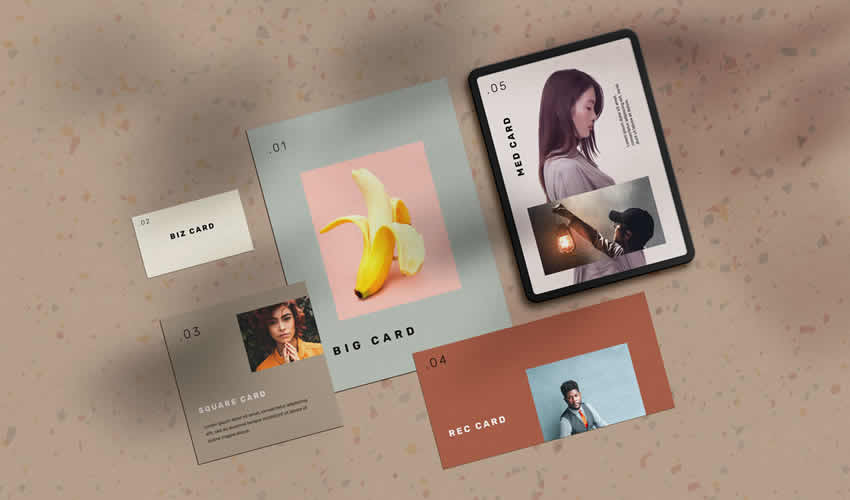
- Validation: They allow the designer to test if a logo scales appropriately or if a color palette remains legible when applied to physical materials like stationery or packaging.
- Contextual Storytelling: By placing a brand in a "scene"—such as a bustling office desk, a high-end retail counter, or an outdoor café—designers provide a narrative context that helps the client visualize the brand’s target demographic.
- Persuasion: When a client sees their logo embossed on a premium notebook or printed on a corporate gift, the emotional impact is significantly higher than viewing a flat JPEG. It creates a sense of ownership and reality that is crucial for final approval.
A Curated Selection of Industry-Standard Mockups
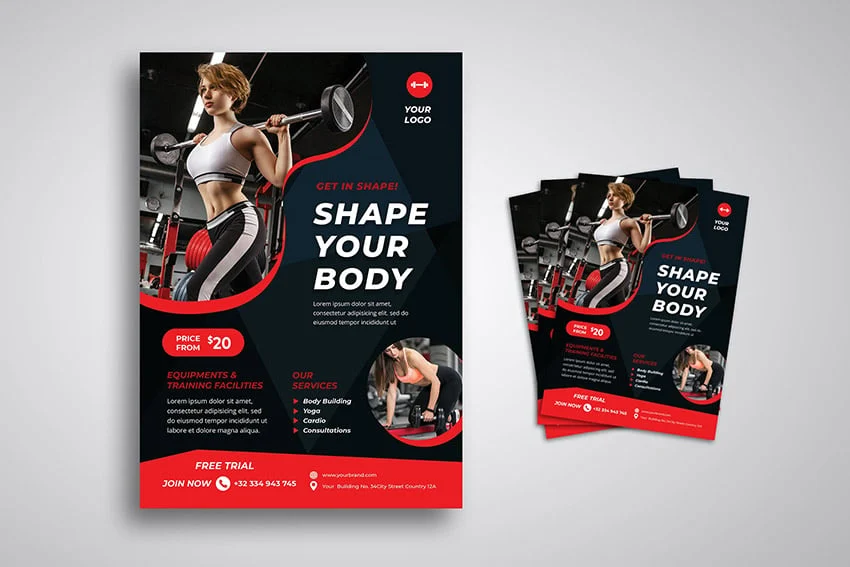
To assist designers in elevating their portfolios and client pitches, we have categorized a selection of premier mockup templates. These assets have been chosen for their versatility, photorealism, and ease of use.
The Professional’s Toolkit: Premium PSD Solutions
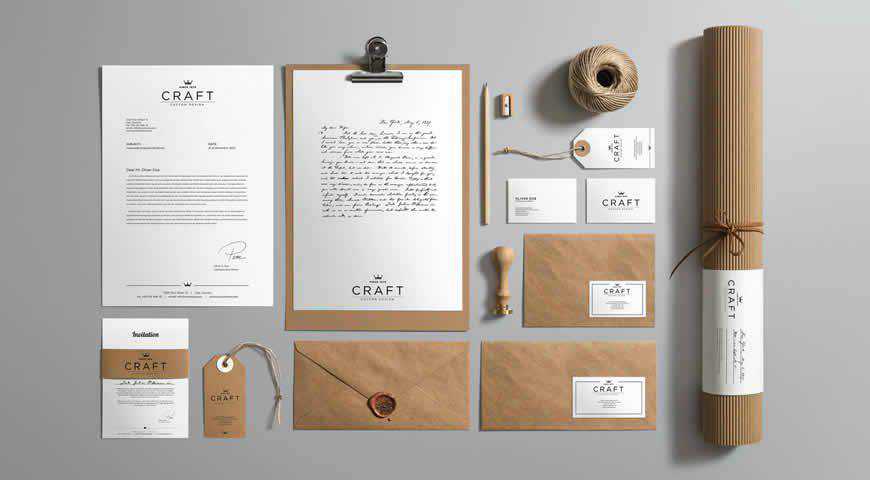
- Craft Branding Mockup Templates: These emphasize a natural, tactile aesthetic. Perfect for artisanal brands, they allow for deep customization of shadows and paper textures.
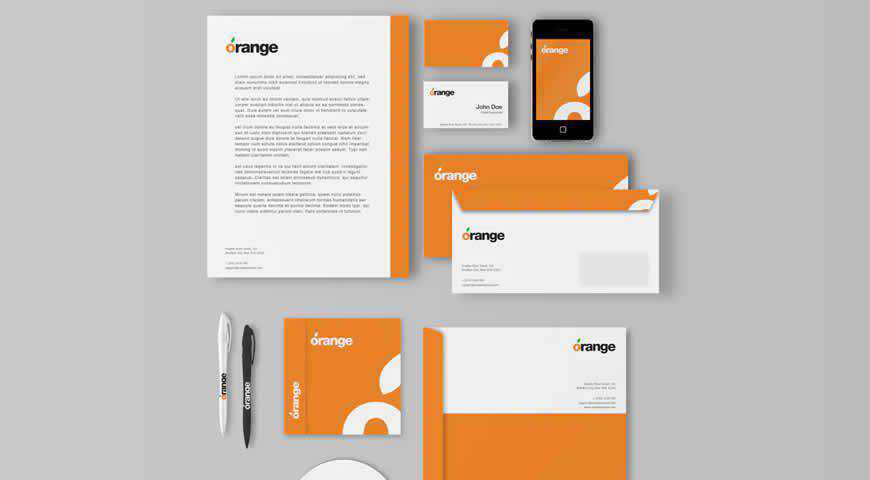
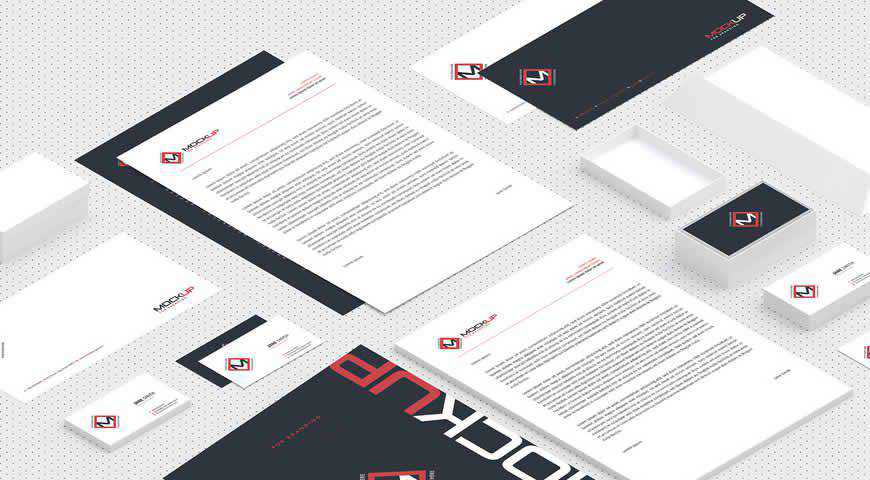
- Corporate Identity & Branding Suites: Tailored for B2B environments, these templates focus on clean, isometric layouts that project authority and structure.
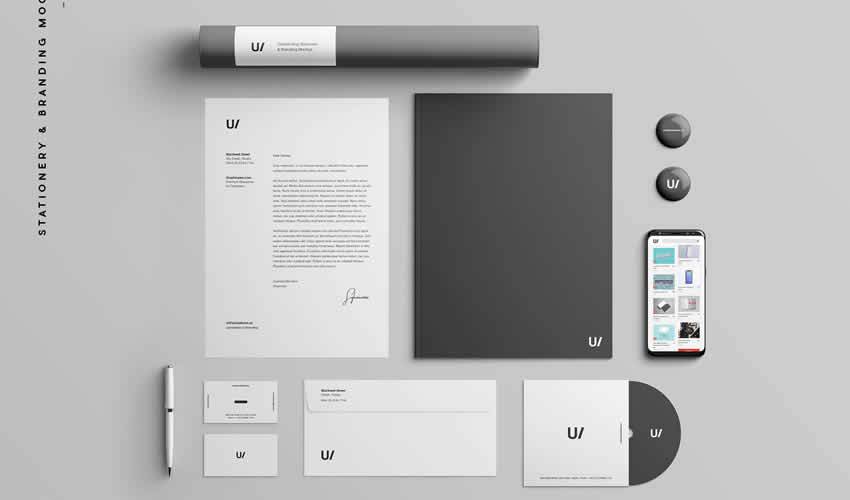
- Minimalist Stationery Scenes: Ideal for luxury and high-end fashion brands, these mockups favor negative space and monochromatic palettes, ensuring the brand’s elegance remains the focal point.
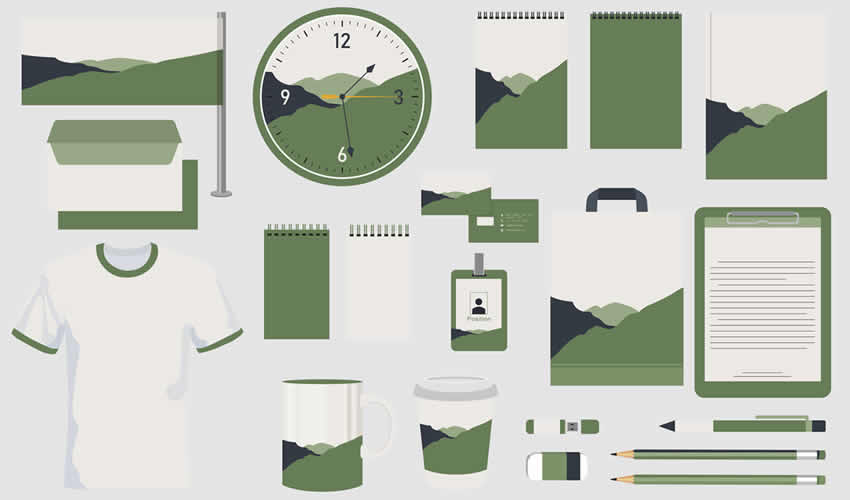
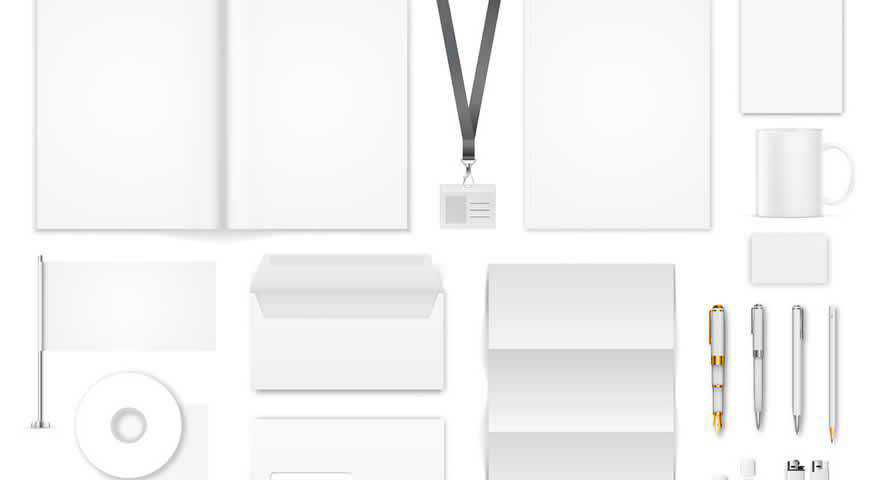
- The "Scene Creator" Concept: For those who prefer total creative control, "Scene Creators" provide isolated objects (coffee cups, pens, tablets, smartphones) that can be arranged on a blank canvas, allowing for completely custom brand compositions.
Free Resources for Emerging Creatives
The industry has seen a massive influx of high-quality, free-to-use resources that democratize professional design:
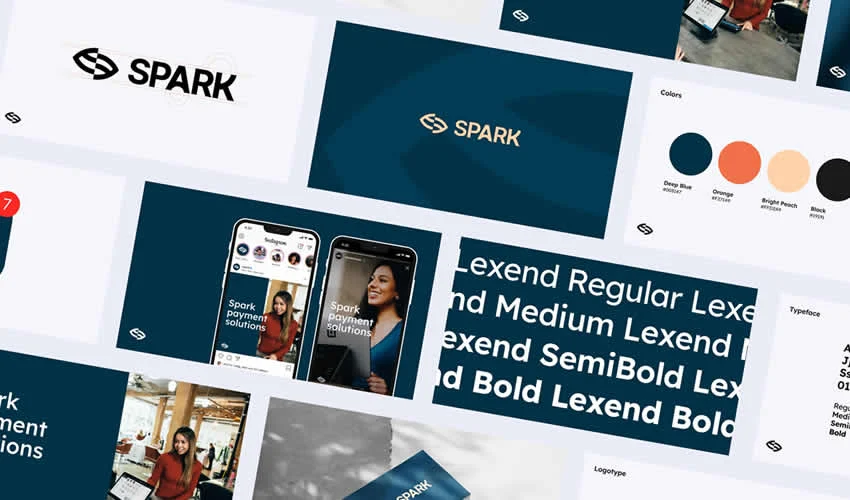
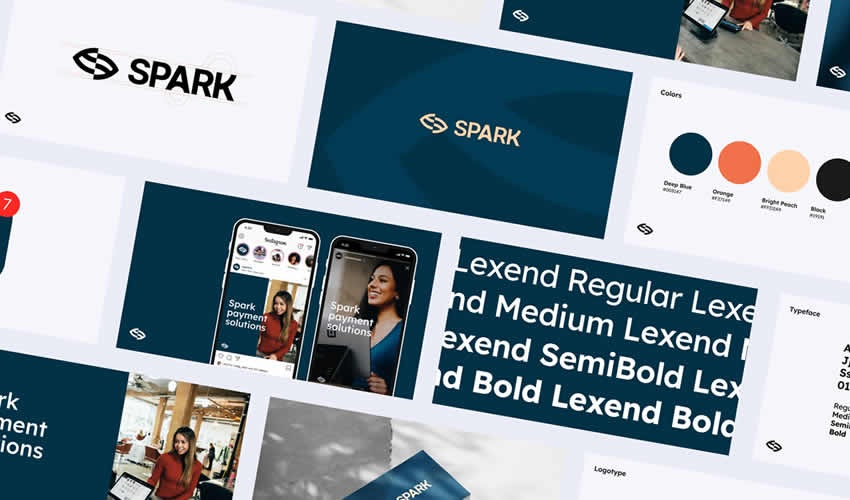
- Spark Brand Identity Template (Figma): A rare and excellent choice for UI/UX designers who want to maintain their branding workflow within Figma’s ecosystem.
- Stationery Cards Mockup Scene: A classic, free PSD resource that captures the essence of a desk-side presentation without unnecessary clutter.
- Isometric Stationery PSD Scene Creator: With over 18 modular items, this is an indispensable asset for building complex corporate identity presentations from scratch.
The Psychological Implications of "Real-World" Design
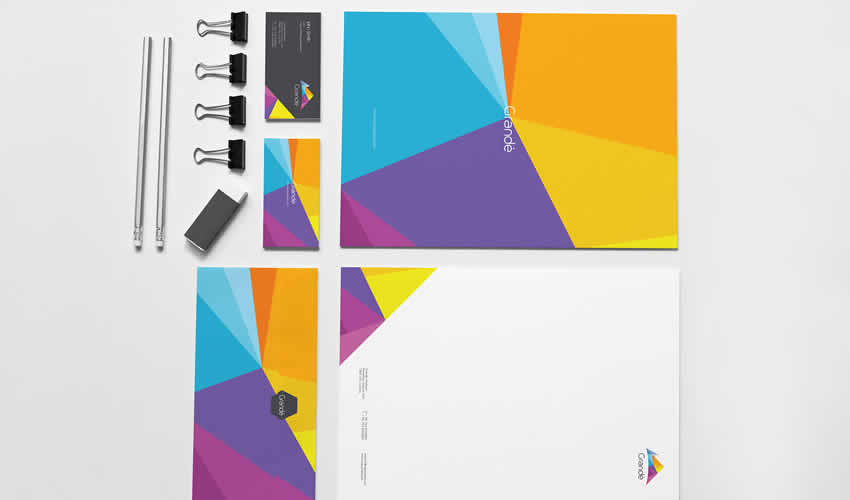
When a brand is presented via a mockup, it shifts the client’s perspective from evaluation to anticipation. Psychologically, seeing a brand identity applied to physical objects activates the brain’s "ownership bias." When a client views their company name on a mock-up of a high-quality coffee cup or a premium tote bag, they begin to project the brand’s future success.
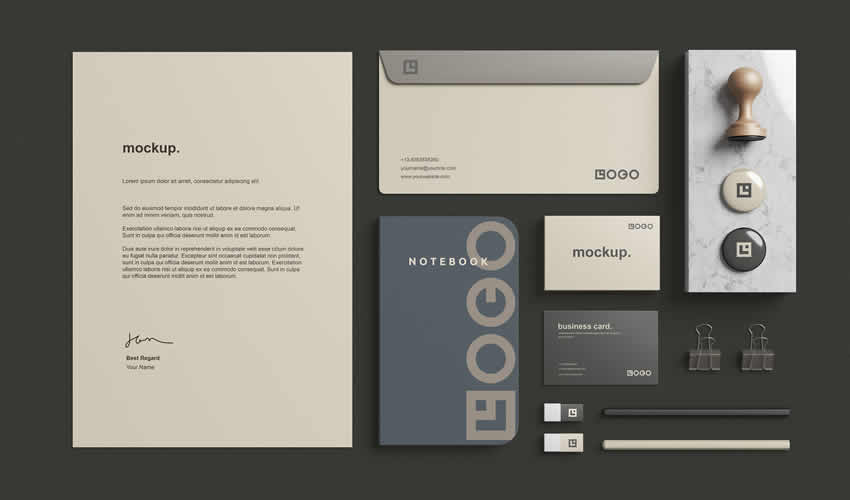
This is the "symphony" of branding: the logo is the melody, but the mockup is the stage, the lighting, and the acoustics. If the staging is poor, even the most brilliant melody will fail to resonate.
Strategic Implementation: How to Use Mockups Effectively
To get the most out of your mockup library, designers should adhere to a few best practices:
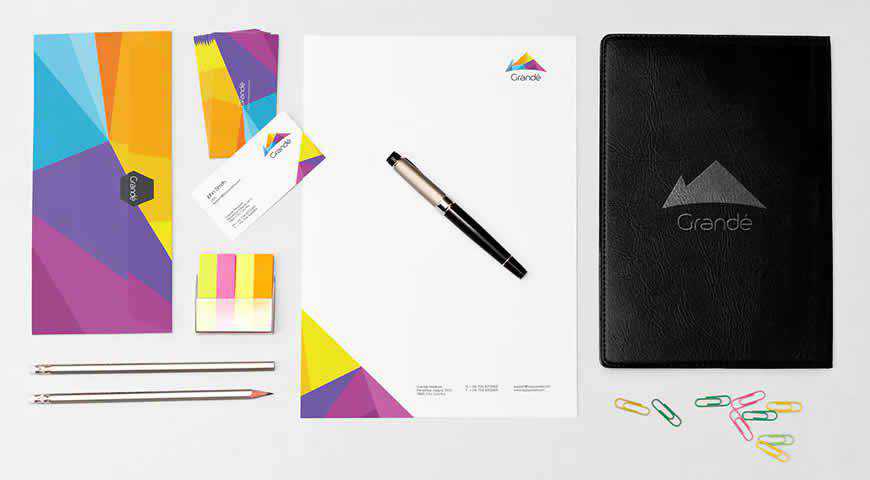
- Match the Environment to the Brand: Do not place a rugged, outdoor-focused brand in a minimalist, sterile office mockup. Ensure the environment reflects the brand’s personality.
- Maintain Consistency: When presenting a set of mockups, ensure the lighting and camera angle remain consistent across different assets. This creates a cohesive "brand book" experience for the client.
- Prioritize Quality over Quantity: It is better to show three perfectly executed, high-resolution mockups than a dozen low-quality, mismatched images. Focus on the most important touchpoints for the brand, such as business cards, digital interfaces, and primary product packaging.
- Embrace Smart Objects: Always use templates that utilize non-destructive smart layers. This allows you to update the design rapidly as you iterate based on client feedback.
The Future of Brand Identity Presentation
As we move toward a future of augmented reality (AR) and 3D printing, the concept of the "mockup" will continue to evolve. We are already seeing the emergence of 3D-ready assets that can be viewed in 360-degree interactive spaces.
However, the fundamental principle remains unchanged: humans are tactile creatures. We want to see how a design lives in the wild. By utilizing sophisticated branding identity mockups, designers are not just showing off a logo; they are demonstrating the viability, the presence, and the potential of a brand.
Conclusion: Elevating Your Professional Output
The difference between an amateur presentation and a professional pitch often comes down to the quality of the mockups. By integrating these tools into your workflow, you save time, reduce the need for multiple revisions, and significantly increase the "wow" factor of your delivery.
Whether you are designing for a local coffee shop or a multinational corporation, remember that your design is the first gateway to the brand. Make it enticing, make it real, and let the mockups do the heavy lifting. Explore the collections listed above, build your toolkit, and ensure your next project isn’t just seen—it’s experienced.
Summary of Key Resources
- Photoshop PSD Collections: Best for high-end, photorealistic texturing and lighting control.
- Figma-Based Templates: Ideal for modern, digital-first agencies looking for speed and collaboration.
- Modular Scene Creators: The ultimate choice for designers who require maximum flexibility and unique compositions.
By investing in a robust library of branding identity templates, you are investing in the long-term success of your design practice and the lasting impact of your clients’ brands.