






For the modern traveler, the landscape of mobile accessories has long been a trade-off between functionality and portability. While magnetic wireless charging stands have become a staple on home nightstands, bringing that same ergonomic experience on the road often results in bulky, fragile equipment or, more commonly, the simple abandonment of comfort in favor of space-saving measures.
Statik, a brand increasingly known for its innovative approach to cable durability and utility, has introduced a solution that bridges this gap: the Statik PowerStand. This device is not merely a charging cable; it is a fundamental rethinking of how we interact with our mobile devices while on the move. By integrating a mechanical kickstand directly into the connector head of a robust USB-C cable, Statik has managed to solve a persistent travel pain point without adding significant weight or complexity to a traveler’s everyday carry.
Main Facts: The Intersection of Utility and Design
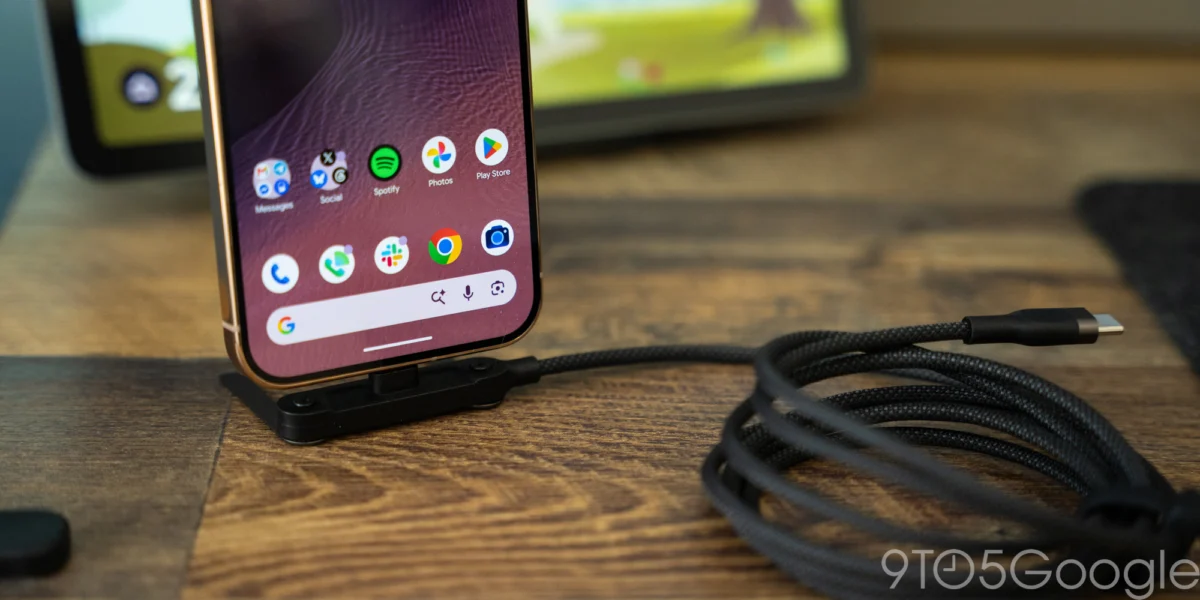
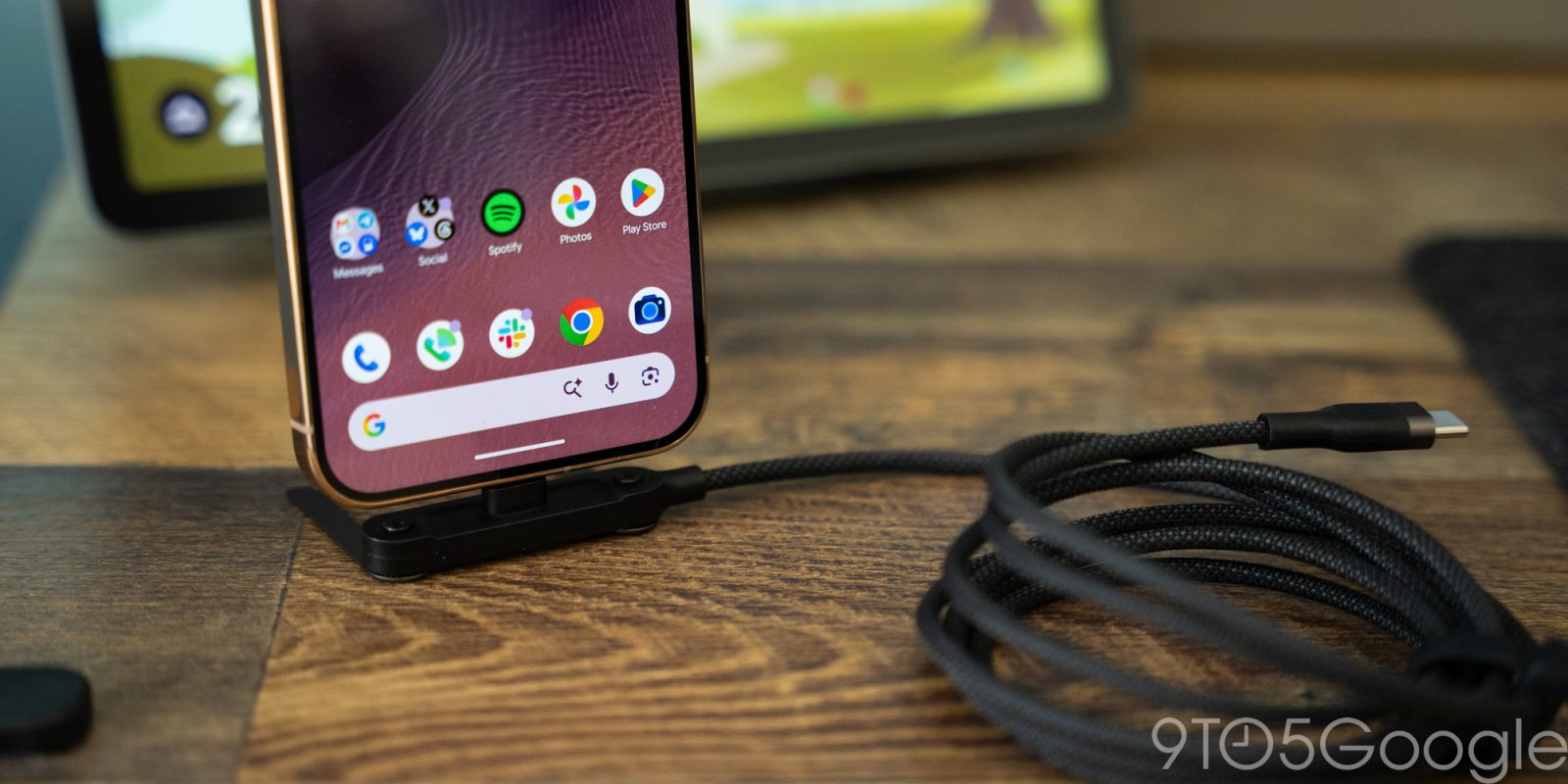
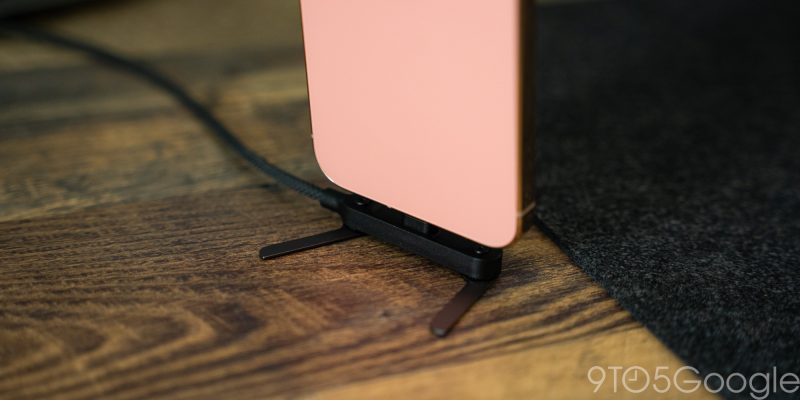
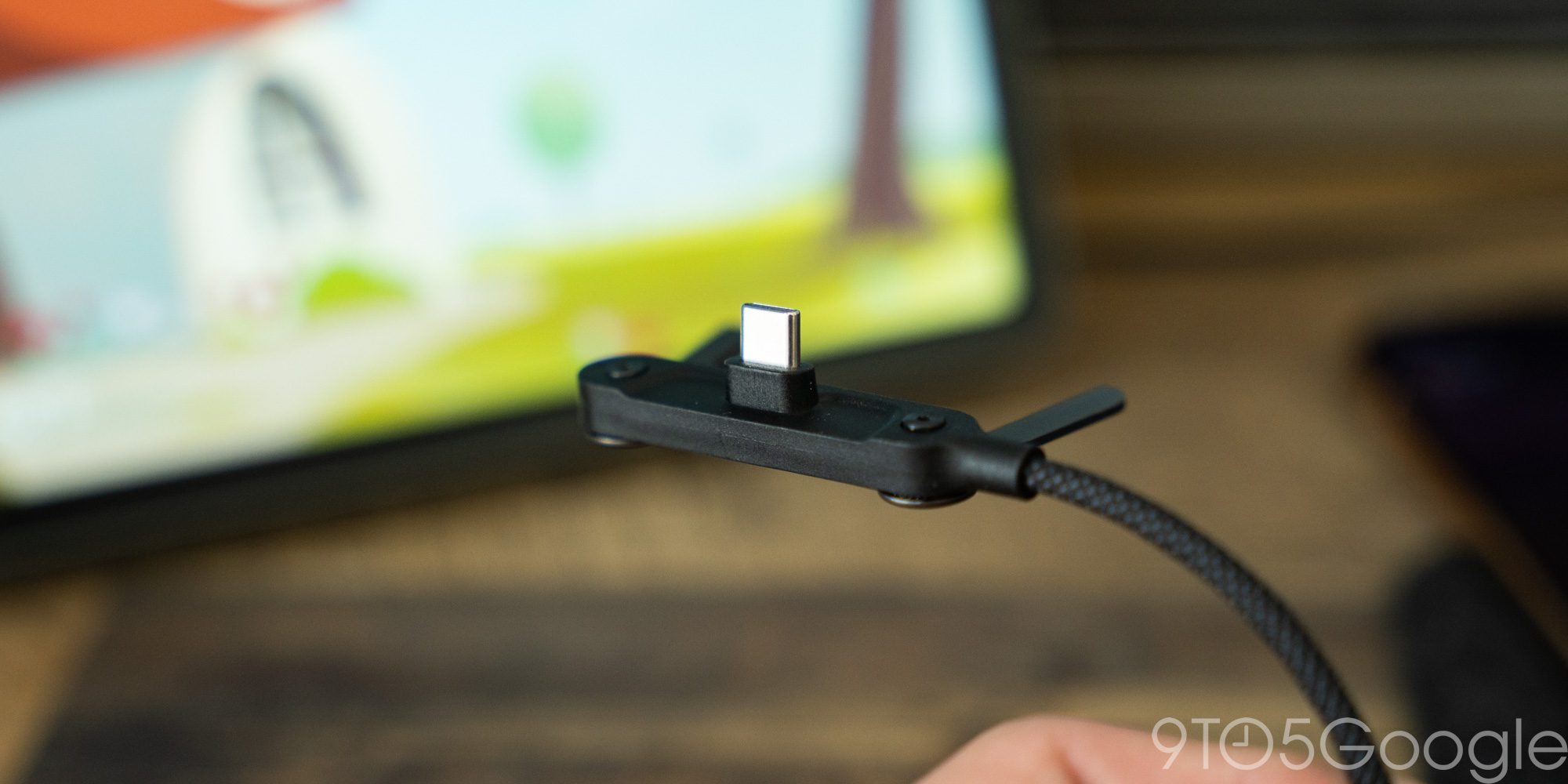
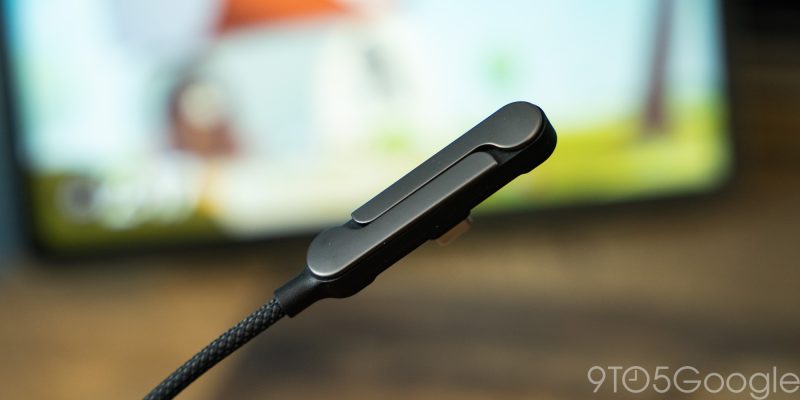
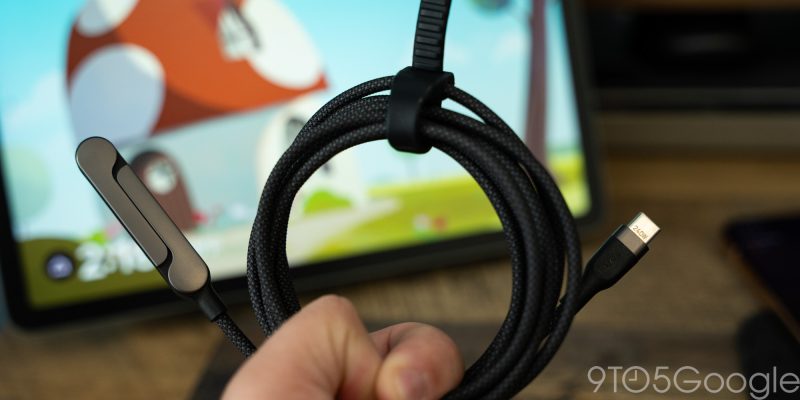
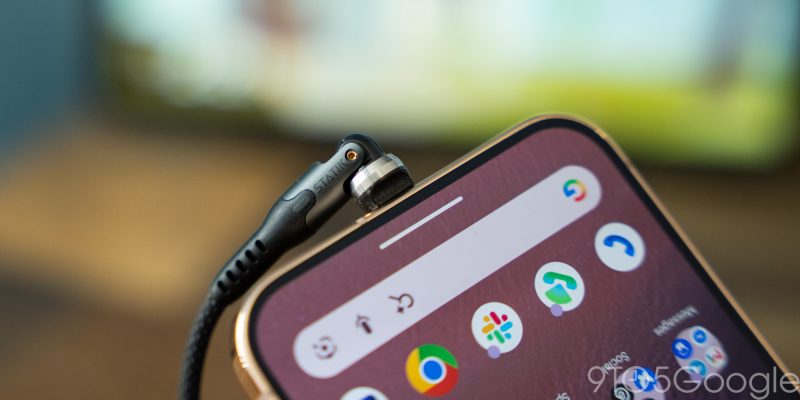
The Statik PowerStand is a 6.6-foot, 240W-rated braided USB-C cable. At first glance, it functions as a high-performance charging solution, but its true genius lies in its terminal end. The connector is mounted on an extended, rigid base equipped with two foldable "feet" that deploy to transform the cable into a stable smartphone stand.
Unlike traditional charging docks that require a separate base station, the PowerStand uses the phone’s own weight and the cable’s structural integrity to create a stable viewing angle. Whether a user is catching up on emails, navigating via a map, or streaming media in a hotel room, the cable provides an upright, hands-free experience.
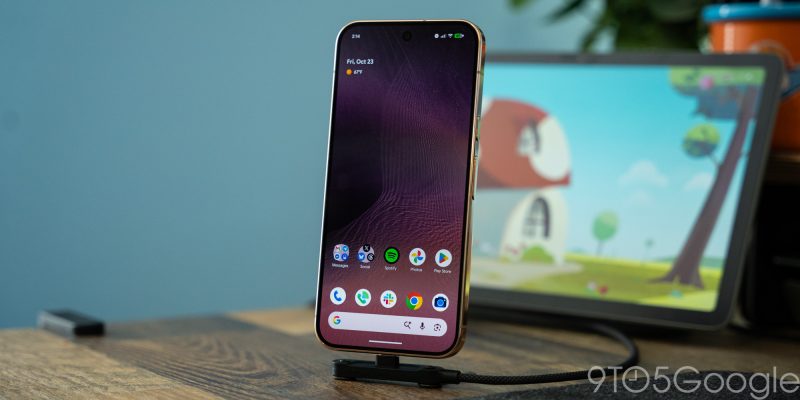
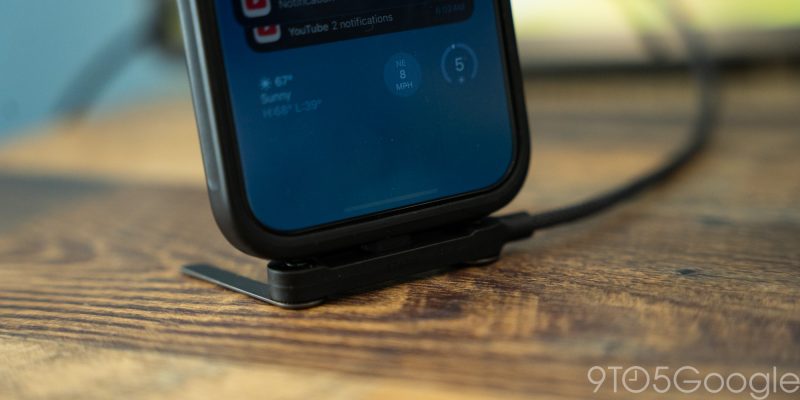
The implementation is deceptively simple but technically sound. The USB-C plug is angled to accommodate a wide variety of smartphone cases—ranging from slim, minimalist shells to heavy-duty protective cases like those from Nomad or Peak Design—without sacrificing a secure connection. The folding mechanism for the support legs is calibrated to offer just enough resistance to hold firm while remaining easy to manipulate with one hand.
Chronology of Development and Market Entry
Statik has been quietly disrupting the cable market over the past several years, beginning with its line of magnetic organizing cables that addressed the "cable clutter" dilemma. The development of the PowerStand follows a logical progression in the company’s product roadmap: identifying common hardware frustrations and solving them through clever, mechanical engineering rather than complex electronics.
The product arrived on the market following a series of consumer requests for a travel-friendly alternative to the stationary "docking" experience. By iterating on their existing high-durability cable designs, Statik engineers were able to prototype the PowerStand to ensure that the added mechanical components would not interfere with the electrical performance of the 240W power delivery. The product’s rollout throughout late 2026 marks a strategic shift for the company, moving from being a "cable accessory brand" to a "mobile workstation utility brand."
Supporting Data and Technical Specifications
To understand the value proposition of the PowerStand, one must look at its technical foundation.
- Charging Capability: The cable is rated for 240W, making it suitable for high-power demands, including charging modern laptops, tablets, and flagship smartphones.
- Data Transfer: It supports USB 2.0 data transfer speeds, which, while not meant for high-speed file transfers, is more than sufficient for standard sync and backup operations.
- Durability: The exterior is wrapped in a high-density braided fabric. Statik claims this construction provides significantly higher tensile strength than standard plastic-sheathed cables, aligning with their internal stress-test data which frequently cites 20x the durability of standard OEM charging cables.
- Form Factor: At 6.6 feet (approximately 2 meters), the length is generous for most travel scenarios, allowing users to reach wall outlets that are often inconveniently placed in hotels or airport lounges.
- Price Point: Priced at $20, the unit occupies a competitive "impulse buy" territory while delivering a utility that is typically found in products costing three to four times more.
The Broader Statik Ecosystem: The PowerPivot Pro
The PowerStand does not exist in a vacuum. Its release coincides with the broader expansion of the company’s catalog, most notably the PowerPivot Pro.
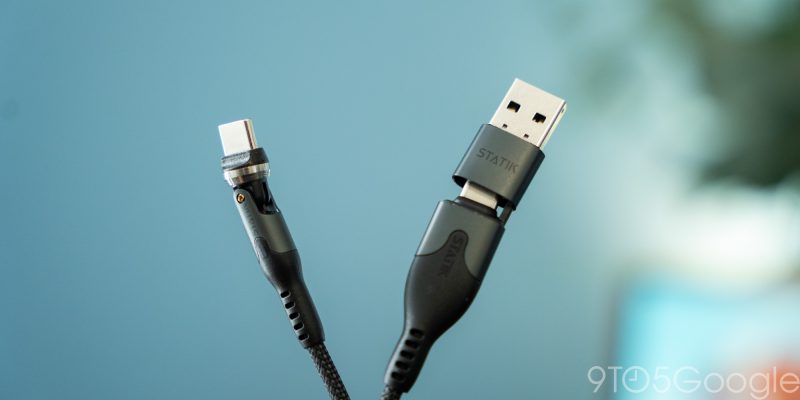
The PowerPivot Pro represents a different approach to cable utility. It features a multi-adapter configuration on one side (USB-C and USB-A) and a rotatable USB-C tip on the other. While the PowerStand focuses on the viewing experience, the PowerPivot Pro focuses on the mechanical constraints of tight spaces. For example, when a user is in a vehicle using Android Auto or Apple CarPlay, the USB port might be located in a cramped center console or a difficult-to-reach dash slot. The rotating tip of the PowerPivot Pro allows the cable to exit the port at an optimal angle, reducing stress on both the port and the cable connector.
While some critics argue that a cable with a rotating tip might be a point of failure, Statik’s build quality—emphasizing a robust pivot mechanism—suggests that the company is aiming to mitigate these risks. When paired together, the PowerStand and the PowerPivot Pro provide a comprehensive toolkit for the modern digital nomad.
Official Responses and Industry Implications
While Statik has not released a formal statement regarding the specific engineering challenges of the PowerStand, early user feedback has been overwhelmingly positive, particularly regarding the balance of the stand.
Industry analysts suggest that the rise of such "utility-first" cables signals a shift in consumer behavior. With the increasing reliance on smartphones as primary computing devices, the "work-from-anywhere" movement requires accessories that are light, durable, and multifunctional. Large, heavy wireless charging pads are becoming less desirable for frequent flyers who are constrained by baggage weight and the need for efficiency.
The success of the PowerStand suggests a growing market for "hybrid accessories." Manufacturers are now forced to consider that a cable is no longer just a conduit for electrons; it is a physical interface. The implication is that we will likely see more cables with integrated features—kickstands, cable organizers, and perhaps even integrated storage or diagnostic LEDs—in the coming years.
Implications for the Future of Mobile Hardware
The PowerStand, while simple, serves as a case study in "minimalist engineering." By integrating the stand into the cable, Statik has effectively eliminated the need for a third-party accessory that would otherwise take up space in a tech pouch.
For the average consumer, this means less "e-waste" and fewer items to track. For the tech industry, it underscores that innovation does not always require high-tech sensors or Bluetooth connectivity. Sometimes, the most meaningful innovation comes from optimizing the physical interactions we have with our hardware every day.
As smartphones continue to feature larger, more vibrant displays, the demand for ergonomic viewing solutions will only grow. If other manufacturers follow Statik’s lead, we may see a standardizing of "utility cables" that include modular features. Whether this leads to a new standard in peripheral design remains to be seen, but for now, the Statik PowerStand stands as a testament to the power of thoughtful, user-centric design.
Final Verdict: Why It Matters
The Statik PowerStand is more than a gadget; it is a refined tool. In a market flooded with cheap, unreliable, and uninspired charging cables, the PowerStand differentiates itself through sheer practical utility. It acknowledges that the user’s phone is their primary screen, their primary computer, and their primary communication device. By making that device easier to view and charge simultaneously, Statik has created a product that justifies its place in any travel bag.
For those skeptical of "all-in-one" devices, the PowerStand offers a compelling rebuttal: it functions perfectly as a high-wattage charging cable, and the added mechanical benefit of the stand feels like a seamless extension of the design rather than a tacked-on gimmick. At a price point that makes it accessible to the average consumer, it is a rare example of a product that improves the daily workflow without breaking the bank.
As we look toward the future of mobile accessories, the focus will likely remain on reducing the "friction of use." The Statik PowerStand is a clear indicator that the future is not just about faster charging—it is about smarter, more versatile, and more human-centric hardware. Whether you are a professional traveler or a casual user looking to upgrade your nightstand setup, the PowerStand represents a significant, if understated, leap forward in cable technology.