





By Editorial Staff
October 27, 2026
In an era where personal technology is increasingly scrutinized for its impact on attention spans and digital privacy, Apple continues to pivot the narrative toward a different frontier: life-saving health intervention. On Tuesday, the technology giant released the latest installments in its "True Apple Watch Story" series, a poignant marketing campaign that highlights the tangible, medical-grade benefits of wearing an Apple Watch. These new narratives—focused on rapid medical diagnosis and personal health transformation—underscore how the device has evolved from a mere notification mirror into a sophisticated, wearable diagnostic tool that has fundamentally altered the relationship between patients and their physicians.
The Core Narratives: A Tale of Two Interventions
The most recent additions to Apple’s testimonial library feature two individuals whose lives were redirected by the data captured on their wrists.
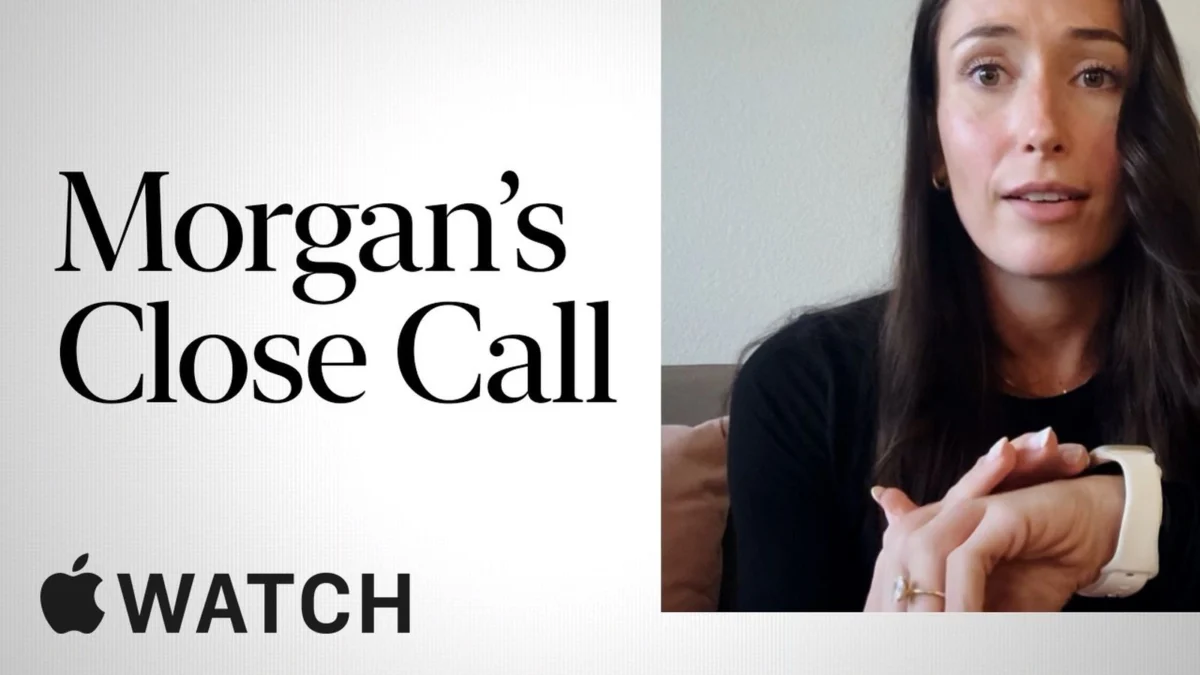
The first story centers on Morgan, a user who describes a harrowing experience that began in the middle of the night. Her Apple Watch, monitoring her physiological state during sleep, detected a persistent and dangerous spike in her heart rate. The device’s high-heart-rate alert served as an early warning system, prompting Morgan to seek emergency medical attention. Upon arrival at the hospital, medical professionals discovered that she was suffering from a severe kidney infection that had progressed to the point of septic shock—a life-threatening condition where the body’s response to infection causes widespread tissue damage and organ failure. Without the watch’s intervention, medical experts suggested the delay could have been fatal.
The second story shifts from acute crisis to long-term wellness. Josh, who had struggled with his weight for years, tipped the scales at 340 pounds. Feeling discouraged and stagnant, Josh turned to the Apple Watch’s activity tracking ecosystem. By utilizing the device’s movement rings and persistent motivational nudges, Josh was able to gamify his fitness journey. His story highlights a different aspect of the watch: the prevention of chronic health issues through consistent, data-driven behavioral change.
These testimonials arrive on the heels of a previously shared story involving a user who received an alert regarding anomalous changes in her resting heart rate. Subsequent testing revealed an aggressive form of cancer. Because the watch alerted her to the physiological deviation before she felt symptomatic, she was able to begin treatment significantly earlier than she otherwise would have.
A Chronology of Health Evolution
To understand the weight of these stories, one must examine the progression of Apple’s health-focused engineering.
- 2015: The original Apple Watch launches, focusing on activity tracking and basic heart rate monitoring.
- 2018: The introduction of the ECG app and irregular rhythm notifications marks the transition of the Apple Watch from a fitness tracker to a medical-grade diagnostic aid, receiving FDA clearance for various features.
- 2022-2024: Apple begins integrating advanced sensors capable of monitoring blood oxygen levels, wrist temperature, and sleep staging.
- 2026 (The Current Era): The Series 12 and Ultra 4 models utilize sophisticated sensors that monitor heart rate with higher frequency—every five seconds—providing near-continuous data streams that allow for more precise health analytics.
This chronology demonstrates a strategic shift. Apple is no longer competing solely on app ecosystem or aesthetics; it is competing on the accuracy of its health algorithms, moving closer to a future where the watch acts as a primary interface for preventative medicine.
The Data Behind the Hardware
The success of these life-saving stories is rooted in the increased sensitivity of modern Apple hardware. The current generation of devices, specifically the Series 12 and the Ultra 4, has pushed the boundaries of what is possible in a consumer wearable. By sampling physiological data—such as heart rate—every five seconds, the device captures granular shifts that were previously invisible to the average user.
However, this increased density of data collection has not come without its challenges. Recent reports on forums like Reddit and MacRumors indicate that some users have experienced skin irritation, including redness and a burning sensation, localized to the sensor area. Experts suggest this may be a trade-off for the higher-frequency sensor activity, which requires more constant contact and potentially different power output from the LEDs used in heart rate detection. While Apple has not issued a formal recall, the phenomenon highlights the ongoing friction between the push for "medical-grade" diagnostic capabilities and the comfort required for a 24/7 wearable device.
The Medical and Ethical Implications
The integration of such powerful diagnostic tools into the hands of the general public brings with it a complex set of ethical and medical implications.
1. The Burden of "Alert Fatigue"
While Morgan’s story is a triumph, there is a legitimate concern regarding false positives. The medical community has expressed worry that frequent health alerts could lead to unnecessary anxiety and the "medicalization" of minor, non-pathological fluctuations in heart rate or blood oxygen. Physicians are now tasked with educating patients on how to interpret watch data, distinguishing between actionable health events and transient, harmless variations.
2. The Democratization of Preventative Care
On the positive side, these devices serve as a democratizing force. They provide individuals who may not have regular access to specialist care with a baseline of health data. When patients walk into a clinic with a historical log of their heart rate, sleep quality, and activity levels, they become active participants in their own diagnosis rather than passive recipients of care.
3. Privacy and Data Sovereignty
As Apple continues to emphasize "privacy" as a key differentiator—as seen in their recent "Switch to Safari" marketing campaigns—the question of health data remains paramount. The health data captured by the Apple Watch is highly sensitive. Apple maintains that this data is encrypted on-device and in iCloud, ensuring that users, not third-party advertisers, retain ownership. Yet, as the data becomes more predictive, the pressure to share this information with insurance providers or employers could create new ethical dilemmas in the years to come.
The Future of the "Apple Health" Ecosystem
Looking ahead, Apple’s focus seems to be moving beyond just notifying users of problems to integrating that information directly into the healthcare system. The company is actively working on partnerships with major hospital networks to allow users to securely share their watch data with their primary care physicians.
This integration could lead to a future where your doctor receives a notification when your resting heart rate trends upward over a period of weeks, potentially catching chronic conditions like thyroid disorders, anemia, or early-stage infections before they become acute emergencies.
Conclusion
The "True Apple Watch Story" series is more than a clever marketing tactic. It is a testament to the fact that the line between "technology company" and "healthcare provider" is blurring. While devices like the Series 12 and Ultra 4 are not replacements for professional medical judgment, they are increasingly serving as the early-warning system that gets patients through the door of a clinic in time to make a difference.
As we move toward 2027 and beyond, the success of these stories will likely fuel further innovation in non-invasive sensing. Whether it is blood pressure monitoring, non-invasive glucose tracking, or more advanced mental health stress-detection, the Apple Watch is clearly cementing its role as the most significant health-monitoring device ever placed on the human wrist. For now, however, the stories of Morgan and Josh serve as a reminder that behind every notification and every metric, there is a human life—and for some, that data is the difference between life and death.