







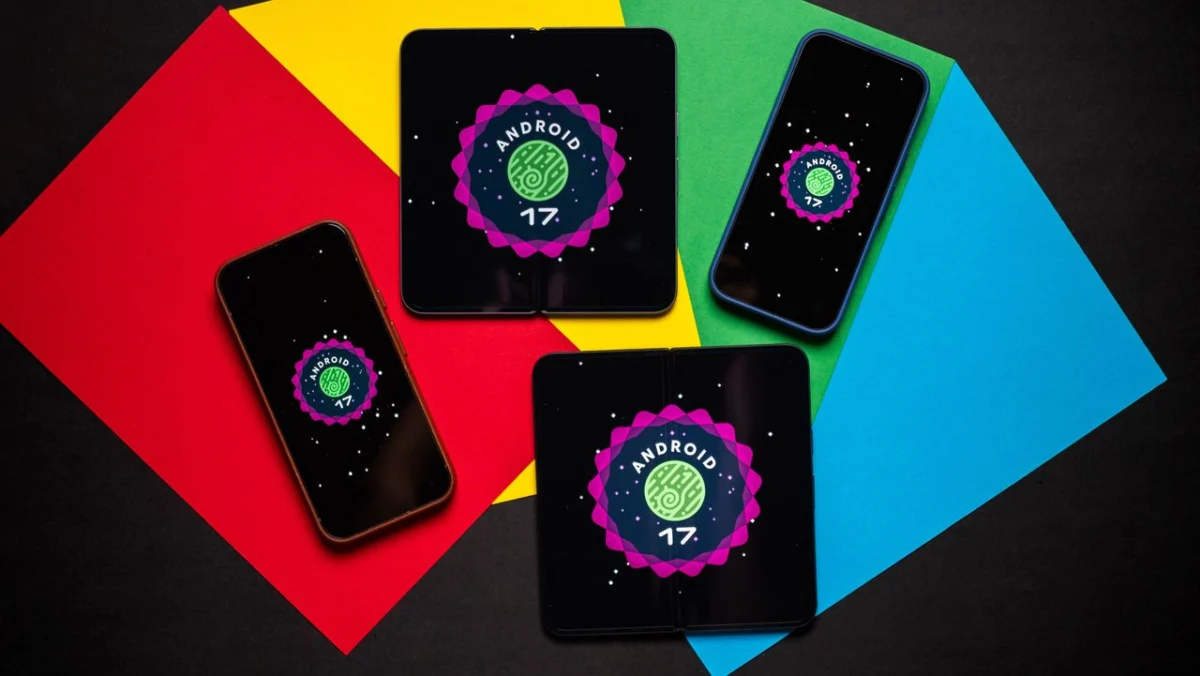
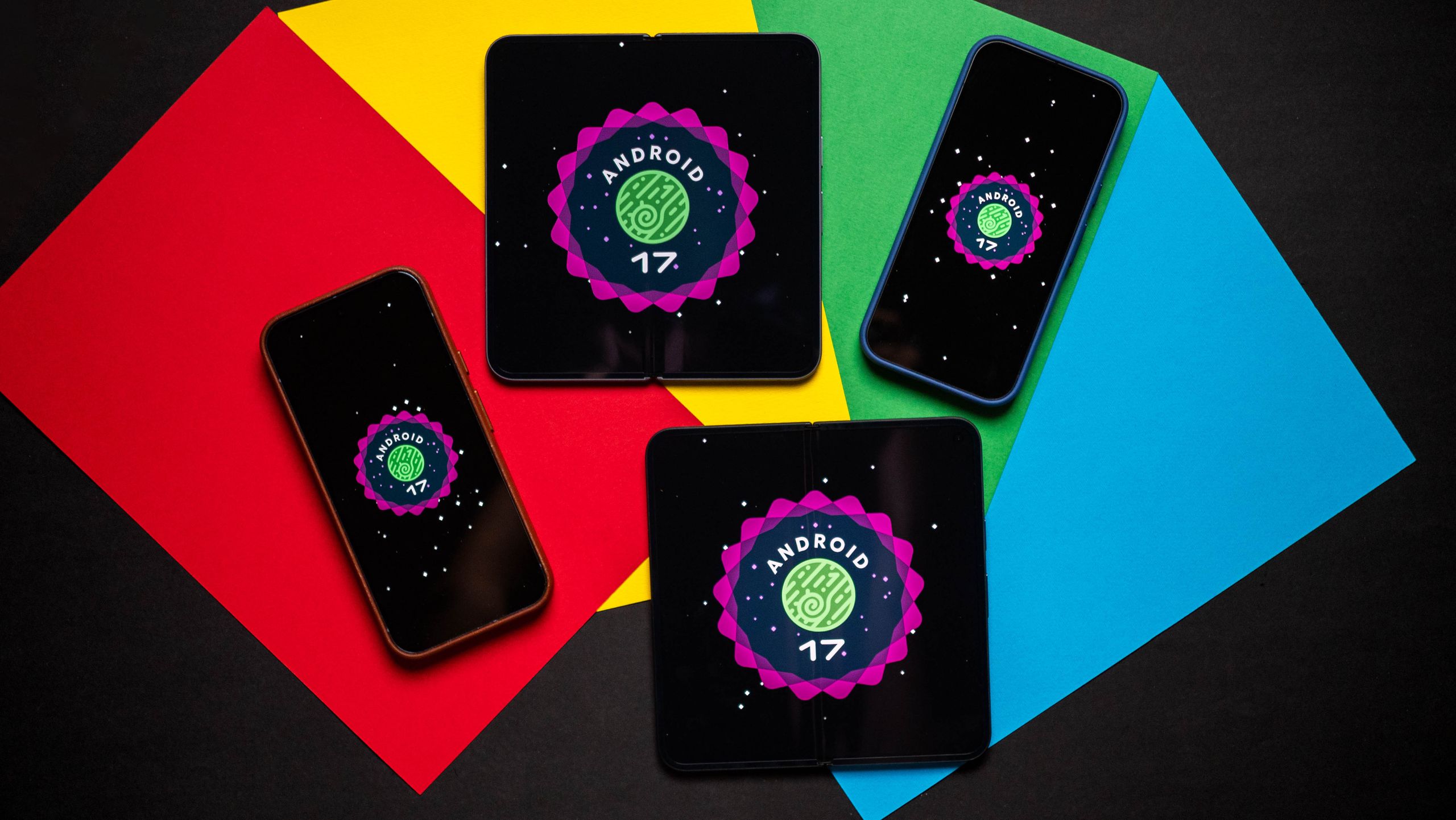
In a move that signals a pivot toward system reliability, Google has officially launched the Android 17 QPR2 (Quarterly Platform Release) Beta 1. Following the conclusion of the QPR1 testing cycle, this new phase invites developers and enthusiasts to help refine the software experience ahead of its public debut, slated for the December 2026 Feature Drop. While the update lacks the "flashy" new features that often accompany major OS releases, its primary focus—squashing long-standing bugs—is a welcome shift for the Pixel community.
Main Facts: What You Need to Know
The Android 17 QPR2 Beta 1, carrying the build number CP41.260701.005, is currently rolling out to a wide range of eligible Google hardware. This release is essentially a "maintenance" update, designed to address critical performance bottlenecks and stability issues that have plagued Pixel devices for several months.
For those enrolled in the Android Beta Program, the update is available as an over-the-air (OTA) download. It is also accessible via the Android Emulator for developers looking to test app compatibility against the latest system image. The update covers the broad spectrum of current and recent Pixel hardware, including the Pixel 7 series, the Pixel 8 family, the latest Pixel 9 devices, and the flagship Pixel 10 lineup.
A Chronology of the Android 17 Lifecycle
To understand the significance of this update, one must look at the cadence of Google’s development cycle.
- Initial Launch: Android 17 introduced a suite of new privacy controls and core system improvements earlier this year.
- QPR1 Phase: The QPR1 cycle was primarily dedicated to foundational adjustments, fixing connectivity glitches and minor UI inconsistencies reported by early adopters.
- Transition to QPR2: With the closure of QPR1, Google has moved immediately into the QPR2 branch. Historically, the December Feature Drop is the most significant update of the final quarter, often introducing "surprise" tools or integration features that weren’t ready for the initial OS launch.
- The Road Ahead: The beta program for QPR2 will likely span the next two months, with monthly incremental updates intended to polish the release before it goes live to the general public in December 2026.
Addressing Critical Technical Debt
The official release notes for QPR2 Beta 1 highlight several high-priority fixes that address core system stability. Among the most notable improvements are:
1. Bluetooth Connectivity Resolutions
One of the most persistent complaints from Pixel users has been the sporadic failure of Bluetooth devices to reconnect after an initial pairing session. Previously, users would often find their headphones or smartwatches disconnected without any system notification, forcing a manual toggle of Bluetooth settings. The QPR2 beta includes a patch designed to force a more reliable handshake protocol between the phone and external peripherals.
2. Eliminating Ghost Media Controls
Users had reported an issue where media controls would flash on the lock screen upon waking the device, even when no music or video was playing. Furthermore, this occurred even if the relevant apps had their lock-screen notifications disabled. This UI bug, while minor, was a source of irritation for users who value a clean, distraction-free lock screen.
3. The Gemini System Crash
Perhaps the most severe issue addressed in this update concerns the integration of Google’s AI assistant, Gemini. Reports indicated that on certain Pixel devices, launching Gemini could trigger a hard system reboot—a catastrophic failure for a flagship feature. By isolating the crash-causing event, Google has significantly improved the reliability of its AI-first mobile experience.
4. Touch Input Calibration
A subtle but impactful fix involves the "drag-and-drop" functionality. Users had identified a bug where apps would cease to register touch events after a multi-finger gesture was executed. This impacted multitasking, particularly when moving files between folders or rearranging home screen widgets. The new beta restores consistent input tracking for complex gestures.
The End of the Line for Pixel 6
A significant consequence of this rollout is the official "sunset" for the Pixel 6 and 6 Pro. These devices have reached the end of their guaranteed major software update lifecycle, and as a result, they are not eligible for the QPR2 beta track. For owners of these devices, the previous QPR1 branch serves as the final, stable version of the beta program. While they will continue to receive security updates for a limited time, the transition marks the end of their role as testbeds for new, experimental Android features.
Implications for the Pixel Ecosystem
The shift toward stability, while necessary, carries broader implications for Google’s smartphone strategy.
User Trust and the "Premium" Promise
Pixel owners often pay a premium for the "Google experience"—a promise of the cleanest, most efficient Android environment. When core features like AI assistants cause system reboots or Bluetooth fails, that value proposition is undermined. By prioritizing these fixes, Google is attempting to restore user confidence. However, the current "wait-and-see" approach for quarterly updates highlights a potential weakness in the development cycle: the reliance on QPRs to fix issues that, ideally, should have been addressed during the initial release phase.
The Developer Perspective
For developers, the stability of the QPR2 beta is paramount. Apps are built on the assumption that core OS functions—like touch input and Bluetooth connectivity—will behave predictably. By stabilizing these layers, Google ensures that the ecosystem remains robust, preventing a "fragmented" experience where apps perform differently depending on the specific patch level of the OS.
Strategic AI Integration
The fact that a core AI feature like Gemini was causing system-wide reboots is indicative of the aggressive pace at which Google is pushing its AI agenda. Integrating deep-system AI requires immense overhead, and the bugs identified in this cycle are likely "teething problems" for a new, more complex architecture. Moving forward, the success of the Pixel 10 and future devices will depend on how seamlessly these AI features are integrated without compromising the stability of the underlying OS.
Analysis: The "Quality Over Quantity" Debate
There is a growing sentiment among the tech community that Google has been overly focused on pushing new, flashy AI gimmicks rather than maintaining the bedrock of the operating system.
The current release cycle is a direct response to this feedback. If QPR2 succeeds in making the phone feel "snappy" and reliable by December, it will be a success. However, the recurring nature of these bugs suggests a structural challenge within Google’s software division. The industry is watching to see if Google can move toward a model where "Feature Drops" are truly additive, rather than a mix of new features and patches for existing, broken functionality.
Conclusion
Android 17 QPR2 Beta 1 is a reminder that even the most advanced smartphones are only as good as the software driving them. While the allure of new AI capabilities remains the primary marketing engine for the Pixel 10 series, the long-term success of the platform rests on the boring, often invisible work of bug fixing and system optimization.
For the average user, this beta is a promise: a promise that the frustrations of the past few months are being addressed. For the enthusiast, it is an opportunity to contribute to a more stable future. As we look toward the official release in December, the goal for Google is clear: deliver a stable, reliable, and powerful Android experience that lives up to the hardware’s potential. Whether this marks a permanent shift toward prioritizing quality remains to be seen, but for now, the path forward looks much more stable than the one we have left behind.