The Ultimate Flagship Contender: An In-Depth Review of the Oppo Find X10 Pro Max
Main Facts: Redefining the Android Benchmark
Over the past two decades of reviewing consumer technology, few devices have lived up to the elusive "kitchen sink" promise—the idea that a manufacturer can pack every dream feature, cutting-edge component, and high-end specification into a single handset without catastrophic compromises. With the debut of the Oppo Find X10 Pro Max, that theoretical exercise has become a reality.
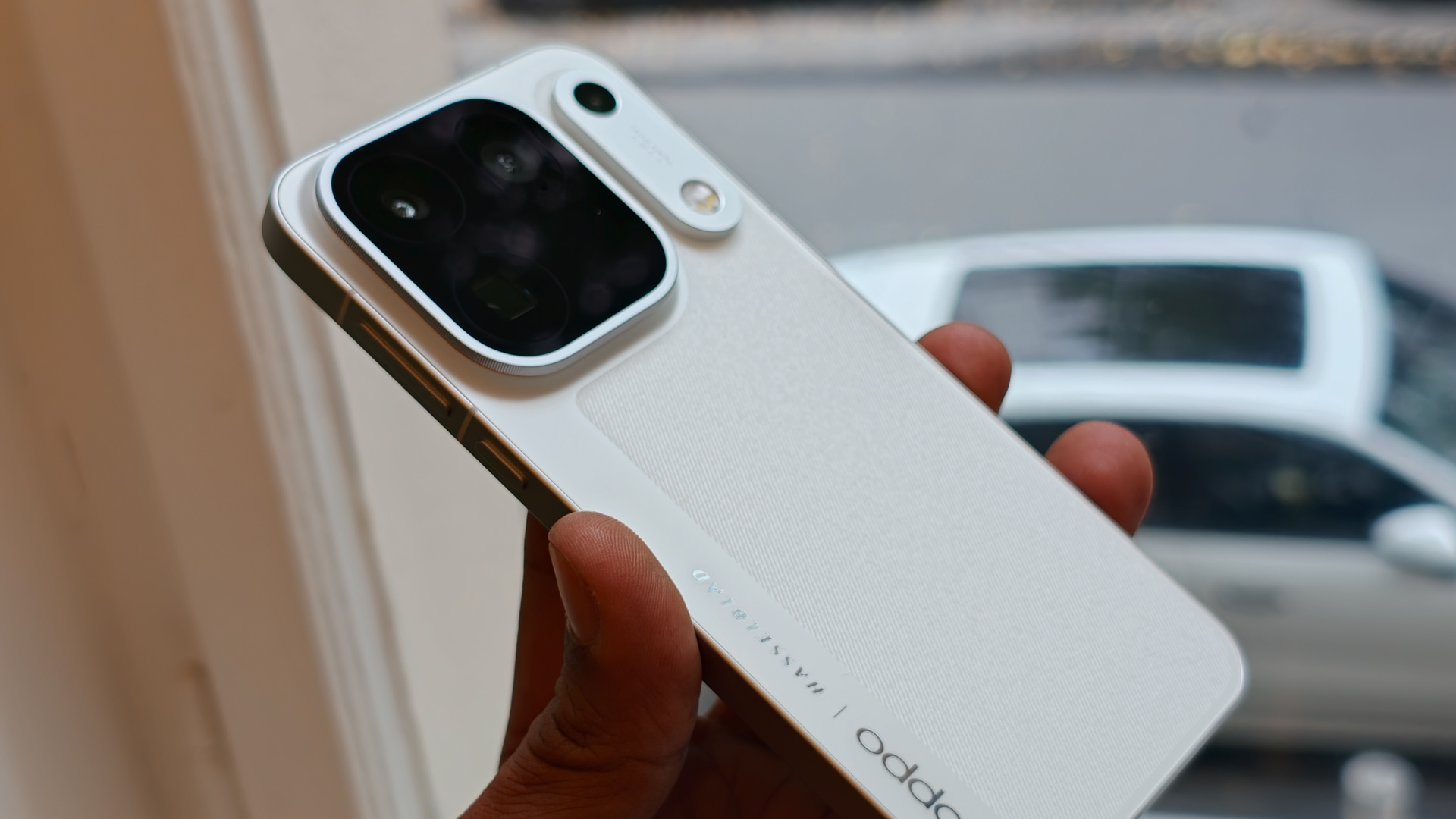
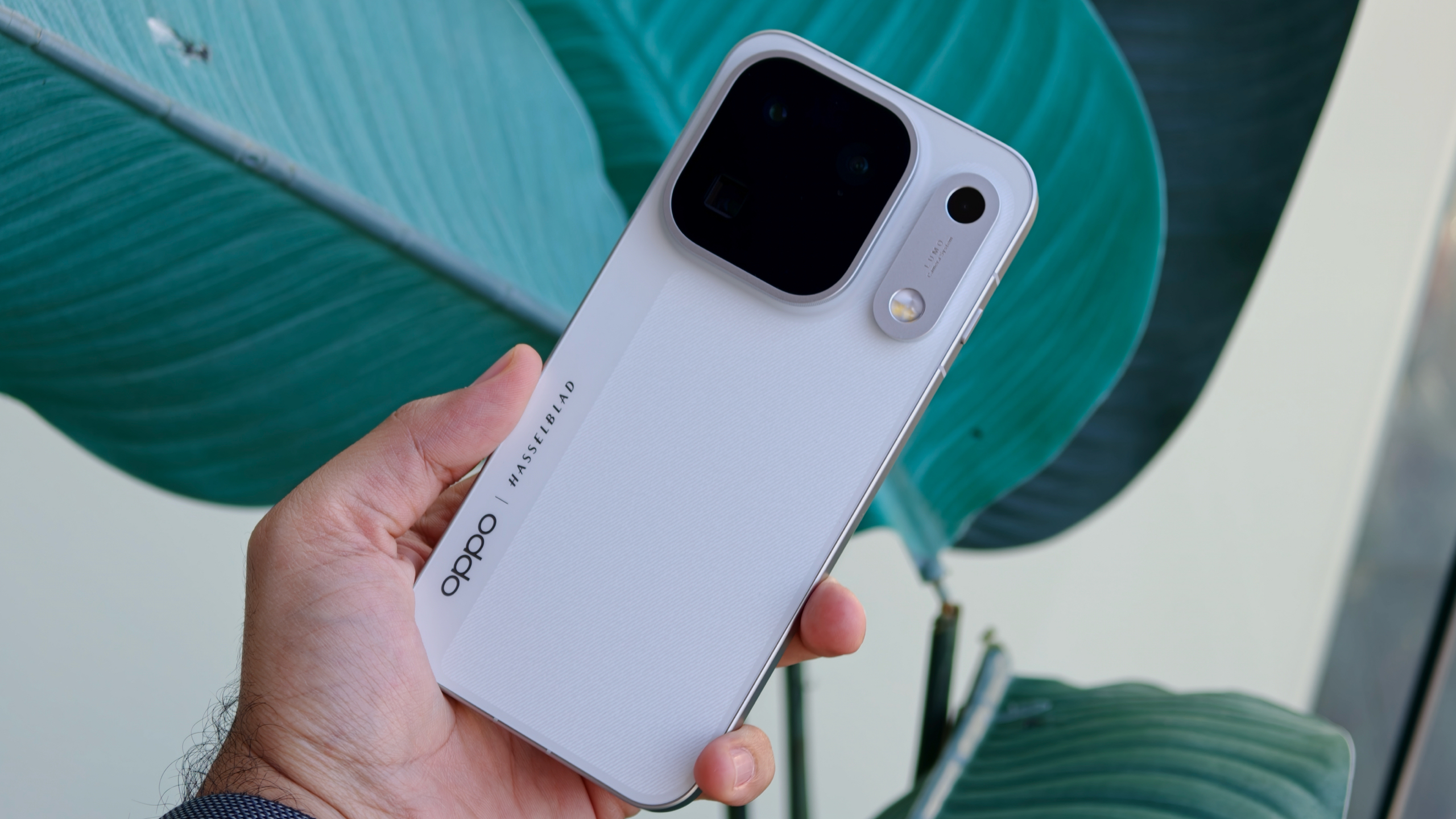
Positioned as an "Ultra in all but name," the Find X10 Pro Max arrives as the most complete Android smartphone ever engineered. Eschewing the conventional industry practice of featuring a single high-resolution sensor flanked by lesser helper lenses, Oppo has outfitted this device with an unprecedented triple 200MP camera system. Combined with the powerhouse MediaTek Dimensity 9600 Pro chipset, a massive 8,000 mAh battery (in its global variant), and a refined software experience running on ColorOS 17, Oppo is setting an extraordinarily high bar for the mobile industry.
The device’s global rollout spans over 60 countries, making it a formidable direct competitor to the likes of the Samsung Galaxy S27 Ultra and the iPhone 18 Pro Max. However, high-end engineering commands a high-end price tag: starting at £1,499 in the UK and €1,799 in Europe, the Find X10 Pro Max is one of the most expensive non-folding smartphones on the market.
Chronology: The Evolution of Oppo’s Flagship Strategy
To understand how the Find X10 Pro Max achieved its current market position, it is vital to trace Oppo’s recent trajectory in the global flagship space:
Late Previous Generation (The Foundation): Oppo introduced the Find X9 Pro, establishing a new design language and standard for software optimization that caught the attention of mobile purists and former OnePlus loyalists alike.
Mid-Year Shift (The Ultra Milestone): The release of the Find X9 Ultra captured headlines for its massive 1-inch camera sensor, proving that Oppo could trade blows with traditional photography heavyweights. However, it left users wondering if the raw sensor power could be multiplied across the entire rear array.
The Foldable Diversification: Alongside its candy-bar flagships, Oppo cemented its footing in the foldable market with the Find N6, widely regarded as the folding phone of its respective generation.
The Present Launch: Oppo introduces the Find X10 Pro Max, merging the multi-lens ambitions of its predecessors into a cohesive, globally available package that redefines what a traditional flagship can accomplish.
Supporting Data: Hardware, Camera Performance, and Battery Metrics
1. The Triple 200MP Imaging System
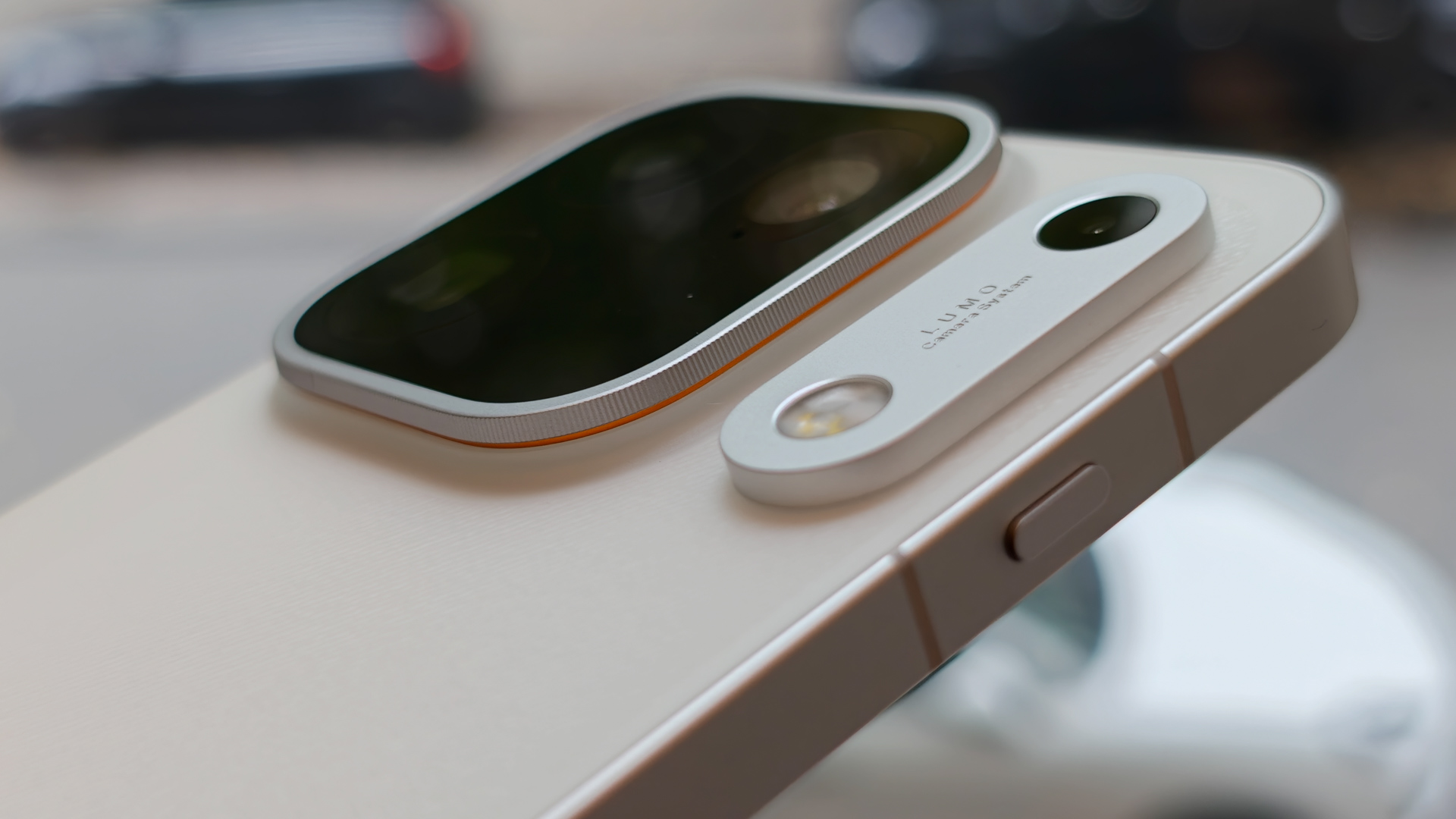
The defining hardware feature of the Find X10 Pro Max is its camera configuration.
Main Camera: Features a 200MP f/1.5 Samsung ISOCELL HP1 1/1.28-inch sensor co-developed by Oppo and Samsung, boasting a 24mm focal length, phase-detection autofocus, and Optical Image Stabilization (OIS).
Ultrawide and Telephoto Cameras: Both utilize the f/2.2 200MP Samsung ISOCELL HP5 1/1.56-inch sensor. The ultrawide includes autofocus, while the 3x optical zoom telephoto lens includes autofocus, OIS, and a 10cm minimum focal distance.
Video Capabilities: Supports up to 4K at 60fps, 4K at 120fps, and 8K at 30fps. It also features Dolby Vision, ACES-certified O-Log2, and—for the first time on an Oppo device—Open Gate Capture, allowing creators to record in 4:3 using the full imaging area to easily reframe into horizontal YouTube videos or vertical Instagram Reels without cropping.
2. The Optional Teleconverter Kit
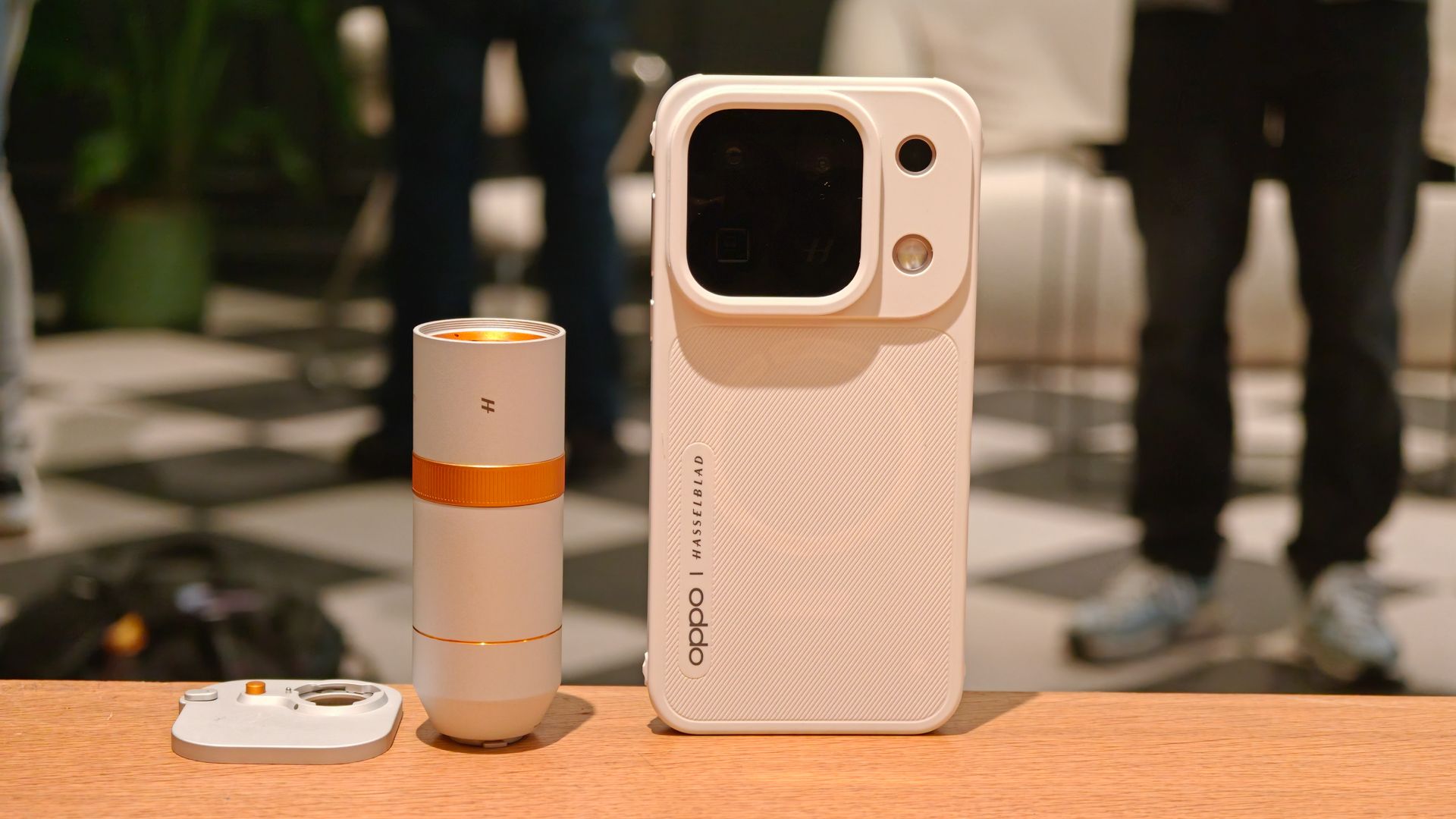
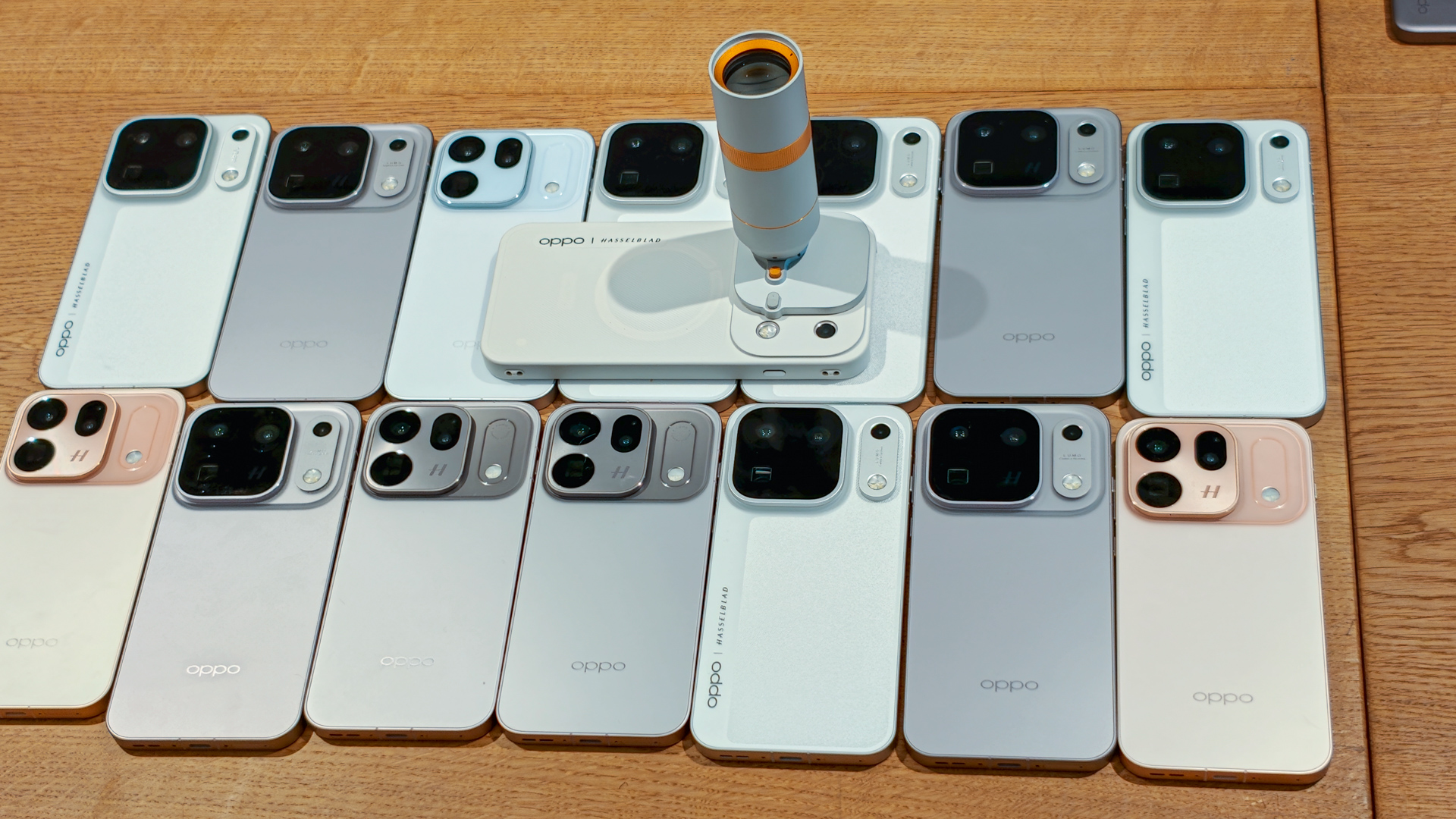
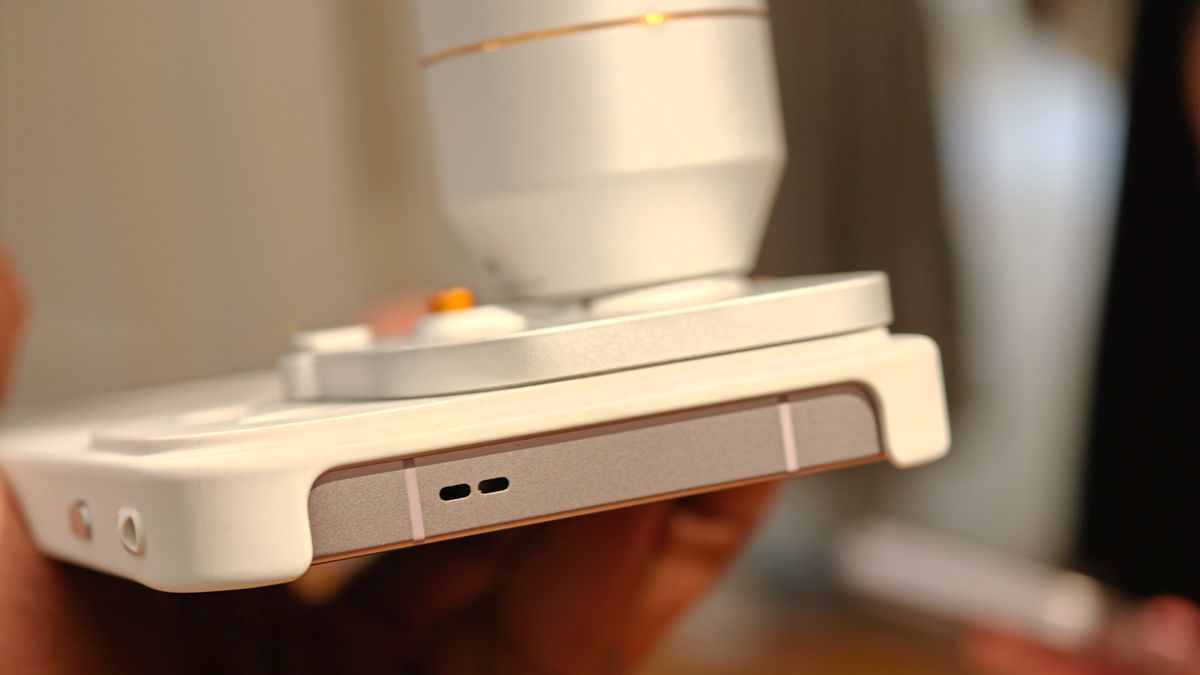
For photography enthusiasts, Oppo offers a specialized Teleconverter Kit (valued at roughly £500, but frequently bundled as a promotional free gift or priced at £549 standalone). The kit provides:
10x optical zoom (and up to 40x digital zoom capabilities).
Significantly upgraded physical stability compared to past iterations, making handheld 10x and 20x video recording remarkably smooth without a tripod.
Accessories including a protective case, tripod adapter ring, storage bag, a camera shoulder strap, and a soft vegan leather carry pouch.
3. Battery Capacity and Charging Speed Discrepancies
Battery performance is a tale of two markets, alongside some surprising charging telemetry:
Capacity: The global model packs a massive 8,000 mAh battery, while the European model features a reduced 7,150 mAh capacity due to regional compliance and design constraints.
Reverse Charging: Supports 10W reverse wired and wireless charging, effectively acting as an emergency power bank for other electronics.
Charging Speeds (80W Charging): Despite matching the 80W max speed of older models, the conservative charging profile of the Find X10 Pro Max yields slower replenishment times due to the sheer size of the battery cell.
Oppo Find X10 Pro Max (8,000 mAh): Reaches 27% in 15 minutes, 53% in 30 minutes, and a full charge in roughly 72 minutes.
Oppo Find X9 Ultra (7,050 mAh): Reaches 44% in 15 minutes, 76% in 30 minutes, and a full charge in roughly 48 minutes (~32% faster).
4. Core Internal Specifications
Processor: MediaTek Dimensity 9600 Pro (delivering sustained, high-end flagship performance without throttling or slowdowns).
Memory & Storage: Configurations range from 12GB to 16GB of RAM and 256GB to 1TB of onboard storage (the review unit featured 16GB RAM and 512GB storage).
Display: A 6.78-inch panel supporting a 144Hz refresh rate, 3,840Hz PWM Dimming for eye comfort, and ultra-thin 1.15mm bezels. It supports HDR10+, HDR Vivid, and Dolby Vision.
Official Responses and Expert Evaluation
Reviewers, notably veteran tech journalist Nirave Gondhia, have lauded the device’s comprehensive approach to modern mobile tech:
"If you want the best phone that money can buy, look no further than the Find X10 Pro Max… This is the Find X10 Pro Max in a nutshell. Oppo made the best phone it could, designed for those who want the best."
Oppo’s strategic emphasis on multi-year software longevity has also evolved. The company guarantees five major Android version updates and six years of security updates. While this is a notable step up from previous generations (such as the four years promised on the Find X9 Pro), executive teams acknowledge that they still trail the seven-year update commitments provided by competitors like Google, Samsung, and Honor.
Implications: What the Find X10 Pro Max Means for the Industry
The launch of the Oppo Find X10 Pro Max sends clear shockwaves through the global smartphone ecosystem, carrying several vital implications for consumers and competing manufacturers:
The Death of Compromise: For years, consumers shopping for ultra-tier flagships had to accept compromises—sacrificing battery life for camera performance, or enduring sub-par secondary lenses. Oppo’s triple-200MP architecture proves that hardware saturation is possible, raising consumer expectations across the board.
MediaTek’s Flagship Ascendancy: The flawless performance of the MediaTek Dimensity 9600 Pro underscores a shifting silicon landscape. MediaTek is no longer just an alternative for budget or mid-range devices; it is powering the absolute pinnacle of mobile hardware.
The Ecosystem Challenge: Despite its unmatched hardware, Oppo faces two primary hurdles in global market share: its continued absence from the United States carrier market, and a software update policy that, while improved at 5+6 years, still falls short of the industry gold standard set by Apple, Google, and Samsung.
Ultimately, the Oppo Find X10 Pro Max demonstrates what happens when a manufacturer removes all self-imposed limitations and builds a smartphone purely from a consumer dream wishlist. For buyers in Europe, the UK, and international markets where it is available, it stands tall as the leading contender for phone of the year.