










Marketing, much like the e-commerce ecosystem it inhabits, is in a state of perpetual metamorphosis. Driven by the aggressive strategies of global industry titans and the innovative agility of boutique agencies, the discipline is constantly shedding old skins. As we look toward the immediate future, it is clear that the traditional "broadcast" model of advertising is dead. In its place, a sophisticated, data-driven, and highly interactive framework has emerged—one defined by social integration, algorithmic precision, and an unwavering commitment to consumer experience.
In today’s digital-first economy, the investment required to compete is substantial. Whether a brand opts for organic content strategies or paid acquisition channels, the barrier to entry—in terms of both financial capital and human expertise—has never been higher. This increased investment is a direct response to a fundamental shift in consumption patterns: today’s target markets are fragmented, impatient, and highly discerning. To remain relevant, brands must reach the right consumer, at the right time, on the right channel.
To navigate this complex terrain, we have synthesized the five core marketing trends defining the current era. This analysis explores how businesses can refine their acquisition channels to drive growth in an increasingly crowded marketplace.
1. Responsible Artificial Intelligence: The New Ethical Standard
The rapid proliferation of Generative AI has transformed operational efficiency, but it has simultaneously triggered a crisis of trust. "Responsible AI" is no longer a corporate buzzword; it is a competitive necessity. This paradigm shift refers to the ethical, transparent, and socially responsible deployment of machine learning models in customer-facing operations.
The Pillars of Responsible Implementation
The integration of AI into marketing—from chatbot customer service to programmatic ad bidding—must be governed by three core principles:
- Data Privacy: Ensuring that consumer data utilized for model training is sourced ethically and compliant with international regulations like GDPR and CCPA.
- Algorithmic Transparency: Moving away from "black box" models. Consumers and stakeholders increasingly demand to know how automated decisions—such as price adjustments or content recommendations—are being made.
- Bias Mitigation: Proactively auditing AI outputs to ensure that promotional content does not reinforce harmful stereotypes or exclude specific demographic segments.
As consumers become more tech-savvy, brands that prioritize these ethical guardrails will distinguish themselves as trustworthy partners rather than mere data extractors.
2. Sustainability as a Strategic Pillar
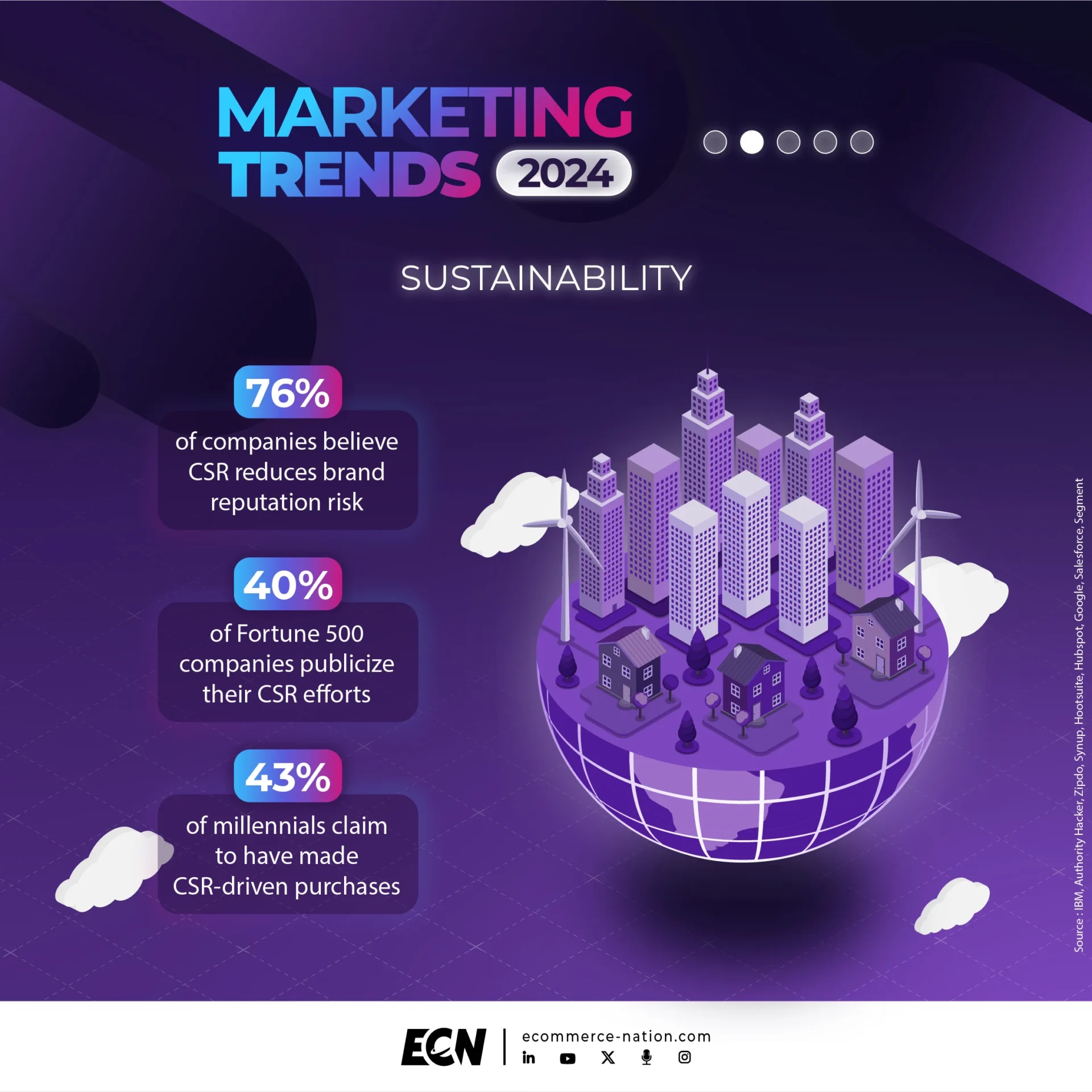
Sustainability has transcended the "corporate social responsibility" (CSR) department to become a core marketing imperative. In the modern digital landscape, a brand’s environmental footprint is a significant factor in the consumer’s purchasing decision.
Communicating Purpose
Marketing teams are now tasked with the delicate balance of authentic storytelling. It is not enough to be sustainable; a brand must communicate this effectively across social media, blogs, and video campaigns. The strategy involves moving beyond broad claims of "eco-friendliness" toward concrete, data-backed evidence of sustainability.

The Influencer-Sustainability Nexus
Digital influencers have become the bridge between abstract sustainability goals and tangible consumer behavior. Collaborations with niche influencers who champion a circular economy or zero-waste lifestyles allow brands to tap into highly engaged, environmentally conscious communities. This is not merely an image-building exercise; it is an acquisition strategy that leverages community trust.
Technological Traceability
Blockchain technology is providing the infrastructure for this transparency. By using decentralized ledgers, companies can provide consumers with a "digital passport" for their products, tracking the journey from raw material to finished good. When a consumer can scan a QR code to see the ethical sourcing of a garment, the brand equity increases exponentially.
3. The Rise of Conversational Search
We have moved beyond the era of "keyword stuffing." Today, the gold standard is "conversational search"—a shift driven by the ubiquity of smart assistants like Siri, Google Assistant, and Amazon’s Alexa.
Semantic Optimization
Consumers no longer search in "computer speak" (e.g., "best running shoes cheap"). They ask complex, natural language questions (e.g., "What are the best lightweight running shoes for flat feet under $100?"). This change necessitates a massive pivot in SEO strategies. Marketers must optimize content for semantic search, focusing on intent-based answers rather than rigid keyword density.

Contextual Anticipation
Artificial Intelligence has made smart assistants capable of understanding context. If a user asks about the weather and then asks, "What should I wear?", the AI provides a recommendation based on both the forecast and the user’s previously stored style preferences. Brands that provide structured, machine-readable data are the ones that get chosen by these algorithms to answer user queries. Being the "voice" of a category in a conversational search result is the new digital real estate.
4. The Short-Form Video Revolution and Immersive Media
The attention economy has forced a transition toward "snackable" content. Platforms like TikTok, Instagram Reels, and YouTube Shorts have conditioned users to process information in seconds.
The Hook-Story-Offer Model
To succeed in short-form video, brands must master the "three-second rule." If a video does not capture the user’s attention in the first three seconds, the conversion opportunity is lost. This requires a shift toward high-impact storytelling, where humor, emotional triggers, or aesthetic value are prioritized over polished, high-budget production.
The Immersive Frontier
While short-form video captures the attention, immersive content retains it. Augmented Reality (AR) and Virtual Reality (VR) are moving from novelty to utility. Retailers who provide "virtual try-on" features for makeup or eyewear are seeing a significant reduction in return rates and an increase in buyer confidence. This bridge between the digital and physical worlds is the future of e-commerce.

5. Hyper-Personalization: The End of Mass Marketing
The "one-size-fits-all" marketing email is obsolete. Hyper-personalization is the practice of using real-time data to create bespoke experiences for every individual consumer.
Data-Driven Segmentation
By leveraging machine learning, brands can analyze petabytes of customer data to identify micro-segments. This goes beyond demographics; it incorporates behavioral signals, such as the time of day a user visits a site, their interaction history with support, and even their specific navigation patterns.
The "Segment of One"
Hyper-personalization allows for a "segment of one" approach. For instance, an e-commerce platform can dynamically alter its landing page imagery, promotional offers, and product recommendations based on whether the visitor is a first-time buyer or a loyal brand advocate. By delivering content that feels curated specifically for the user, brands drastically reduce friction in the conversion funnel.
Implications for the Future: A Summary
The common thread connecting these five trends is the requirement for agility. The rapid pace of technological change means that marketing strategies can no longer be static, annual plans. They must be fluid, iterative, and deeply rooted in consumer feedback loops.

Chronology of Evolution
- 2020-2022: The surge in digital adoption forced brands to establish a baseline online presence.
- 2023: The pivot toward AI-integrated workflows and data-driven personalization.
- 2024 and beyond: The era of the "Responsible Brand," where trust, sustainability, and technological fluency determine market share.
Supporting Data and Industry Outlook
Recent market research indicates that businesses investing in AI-driven personalization see, on average, a 15% increase in conversion rates. Furthermore, reports show that 73% of Gen Z consumers are willing to pay more for sustainable products, validating the pivot toward eco-conscious marketing.
Official Industry Stance
Leading marketing agencies and e-commerce platforms have signaled that the future is "human-centric, AI-assisted." The goal is not to automate the human out of the equation, but to use technology to clear the noise, allowing brands to forge deeper, more authentic connections with their customers.
In conclusion, the coming period represents a maturation of the digital landscape. By embracing responsible AI, committing to transparency, mastering conversational search, leaning into short-form and immersive media, and adopting hyper-personalization, businesses will not only survive the evolution—they will define it. The brands that win will be those that view these trends not as individual tasks, but as a holistic, integrated ecosystem of value creation.



