










New Delhi | Updated: May 21, 2026
In a strategic move to cement its dominance in the burgeoning era of AI-integrated enterprise computing, Microsoft has officially unveiled its latest generation of Surface for Business devices. This launch represents a significant pivot in the company’s hardware philosophy, shifting focus toward high-performance, NPU-driven workflows designed specifically to meet the rigorous demands of corporate environments.
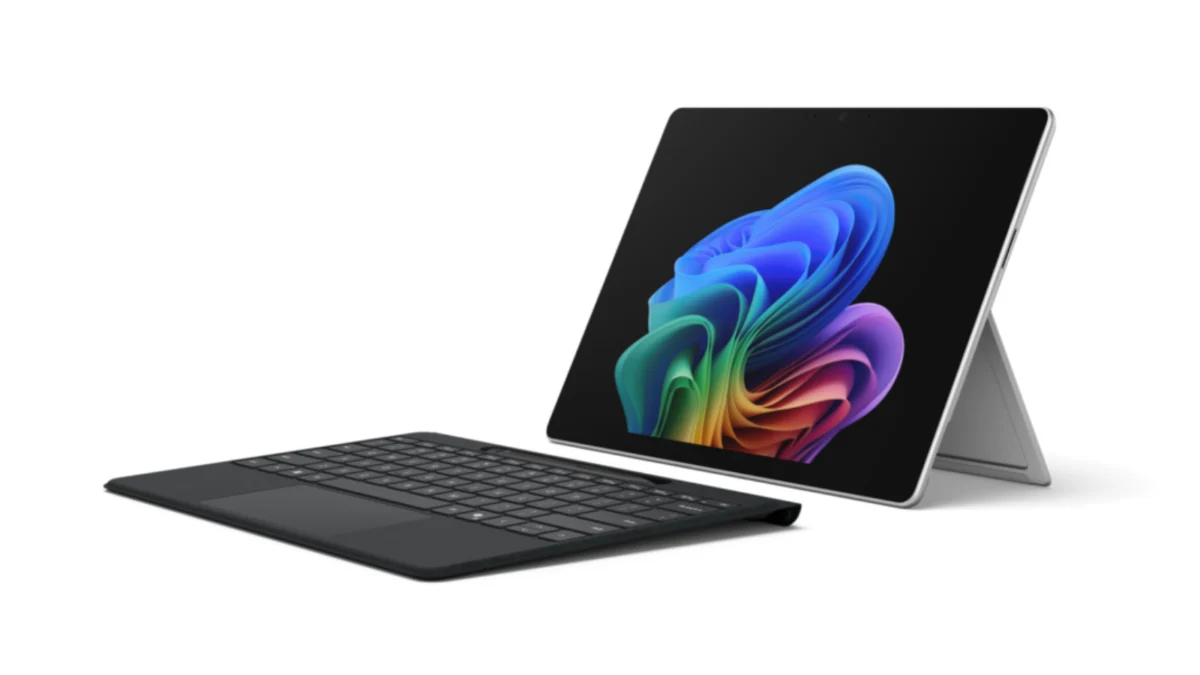
The new lineup, which includes the Surface Pro 13-inch, the Surface Laptop 13-inch, the Surface Laptop 13.8-inch, and the Surface Laptop 15-inch, represents a holistic upgrade over its predecessors. By integrating the latest Intel Core Ultra Series 3 silicon with advanced Copilot+ capabilities, Microsoft is not merely selling hardware; it is selling an ecosystem designed to accelerate productivity through locally processed artificial intelligence.
The Core Offering: A Technical Breakdown
Main Facts and Hardware Specifications
The headline feature of the new Surface for Business fleet is the integration of Intel Core Ultra Series 3 processors. Unlike standard consumer laptops, these chips have been optimized for enterprise-grade thermal management and sustained performance. Central to this performance is the dedicated Neural Processing Unit (NPU), which enables "Copilot+ PC" experiences—allowing AI-assisted tasks, such as real-time language translation, predictive text, and advanced data analysis, to run locally on the device. This approach addresses two critical enterprise concerns: latency and data privacy. By keeping sensitive processing on the device, Microsoft aims to appease IT departments wary of cloud-based AI security risks.
The lineup is headlined by:
- Surface Pro 13-inch: Featuring optional OLED display variants for superior color accuracy and contrast.
- Surface Laptop (13-inch, 13.8-inch, and 15-inch): Offering a range of form factors to suit diverse professional roles, from mobile consultants to stationary creative directors.
All devices support up to 64GB of LPDDR5x RAM and 1TB of high-speed NVMe storage, ensuring that the hardware is future-proofed for the memory-intensive AI models expected to emerge in the coming years.
A Chronology of Innovation: The Path to 2026
The release of these devices does not occur in a vacuum. It is the culmination of a multi-year roadmap that began with Microsoft’s initial foray into custom silicon and AI integration.
- Early 2024: Microsoft signals its intent to make AI a primary feature of Windows, announcing the first wave of Copilot integration.
- Late 2024: The company releases preliminary developer kits focused on NPU-bound applications, allowing third-party software vendors to optimize their enterprise suites for the upcoming hardware.
- Q1 2026: Leaks regarding the Intel Core Ultra Series 3 architecture suggest a massive leap in power efficiency, setting the stage for the battery life improvements seen in this current launch.
- May 21, 2026: Official unveiling of the Surface for Business lineup, marking the transition of the Surface brand from a premium consumer aesthetic to a performance-first enterprise powerhouse.
Supporting Data: Efficiency and Mobility
For the modern enterprise, "mobility" is no longer a luxury—it is a requirement. Microsoft has leaned heavily into this by optimizing the battery profiles of its new laptops. The company claims a battery life of up to 23 hours under standard productivity workloads. This figure, while lab-tested, suggests that professionals can traverse a full day of meetings, travel, and deep-work sessions without reaching for a charger.
Display and Ergonomics
The 15-inch Surface Laptop 8, in particular, has seen a resolution upgrade, catering to users who require high-density screen real estate for complex data visualization and multi-window multitasking. Microsoft has also addressed the "shoulder-surfer" privacy concern by introducing integrated privacy screen filters on select configurations, ensuring that sensitive financial or proprietary data remains invisible to those outside a narrow viewing angle.
Haptic Advancements
Innovation has also reached the input methods. The redesigned haptic touchpads on the Surface Laptop series offer a consistent tactile response regardless of where the user clicks, a feature long requested by power users. Furthermore, the Surface Slim Pen has received updated haptic feedback, mimicking the friction and resistance of physical ink on paper. This integration is designed to reduce the "uncanny valley" of digital note-taking, making the transition from analog to digital seamless for executives and designers alike.
Official Responses and Strategic Positioning
In a statement following the launch, Microsoft executives emphasized that these devices were built "with the IT administrator in mind." The inclusion of enterprise-grade security features—ranging from TPM 2.0 modules to Windows Hello Enhanced Sign-in security—is meant to provide a "zero-trust" environment right out of the box.
"Our goal with this generation of Surface for Business was to remove the friction between intent and execution," said a Microsoft spokesperson. "When a user needs to summarize a 50-page report, analyze a pivot table, or translate a meeting transcript, they shouldn’t have to wait for the cloud. They need it done instantly, locally, and securely. That is what Copilot+ brings to the table."
While the reception from early reviewers has been largely positive regarding the build quality, the market is currently watching how these price points—starting at $1,499—will impact adoption rates among mid-sized firms already facing budget tightening.
Implications for the Enterprise Ecosystem
The shift toward NPU-optimized hardware has profound implications for the software landscape.
The Death of Cloud-Only Dependency?
By pushing AI tasks to the NPU, Microsoft is subtly signaling a shift in how software should be architected. Developers are now being encouraged to write applications that utilize the NPU for background tasks, which could lead to a new generation of enterprise software that is faster, more private, and less reliant on constant internet connectivity.
The 5G Factor
Select models will support optional 5G connectivity, further decoupling the enterprise worker from the office Wi-Fi network. This supports the "anywhere-office" model, where security and high-speed connectivity must be present regardless of the location.
Future-Proofing: The Snapdragon X2 Horizon
Perhaps the most intriguing part of the announcement was the confirmation that Snapdragon X2-powered Surface models are currently in development. This suggests that Microsoft is hedging its bets between the x86 architecture (Intel) and the ARM architecture (Qualcomm). This dual-path strategy provides enterprise clients with choice: those who need maximum legacy application compatibility can stick with Intel, while those prioritizing maximum power efficiency and mobile-first endurance may opt for the upcoming Snapdragon variants.
Market Outlook: What Comes Next?
The absence of an immediate release date for the Indian market is a notable point of contention. As India continues to grow as a global hub for technology and corporate services, the delay in local availability may lead to a temporary vacuum filled by competitors like Dell or HP. However, Microsoft’s deep integration with the Windows OS ecosystem remains a significant moat.
For enterprises, the choice is clear: the cost of the hardware is being positioned as an investment in efficiency. If the promised 23-hour battery life and the AI-driven workflow improvements hold up in real-world conditions, the high starting price will likely be viewed as a justified expense.
As we look toward the remainder of 2026, the success of this launch will be measured by the rate of adoption among Fortune 500 companies. Will they embrace the "Copilot+ PC" standard, or will they wait for the next iteration of the Snapdragon-powered devices? One thing is certain: Microsoft has successfully shifted the conversation from "specs" to "AI utility," setting the bar for what a modern, enterprise-ready laptop must achieve in the second half of the decade.
This article has been curated by Shivani P Menon, who is an intern with The Indian Express. Edited and expanded for comprehensive industry analysis.



