In an era where digital deception has evolved from crude phishing emails to sophisticated, AI-driven social engineering, Google is fundamentally recalibrating the defensive posture of the Android ecosystem. The tech giant has announced a comprehensive suite of security upgrades designed to shield billions of users from the growing menace of scam messages, fraudulent calls, and unauthorized data exposure. Central to this initiative is the integration of Google’s Gemini AI, which promises to transform the smartphone from a passive receiver of information into an active, intelligent bodyguard.
Main Facts: A Multi-Layered Defense Strategy
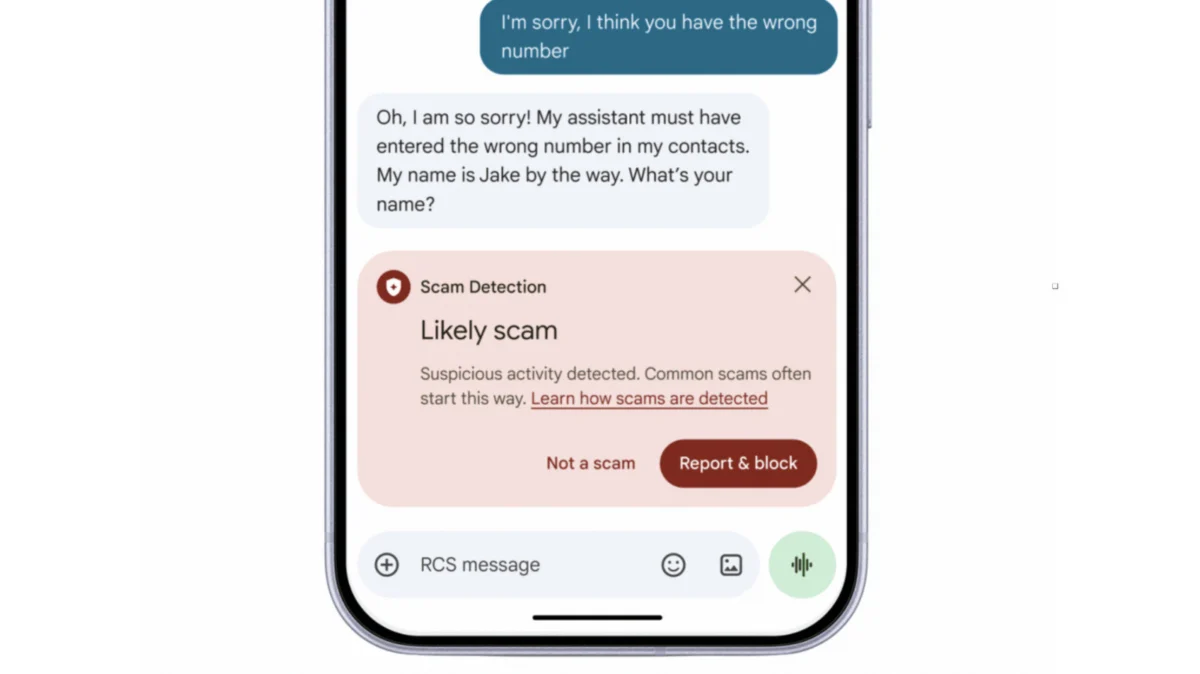
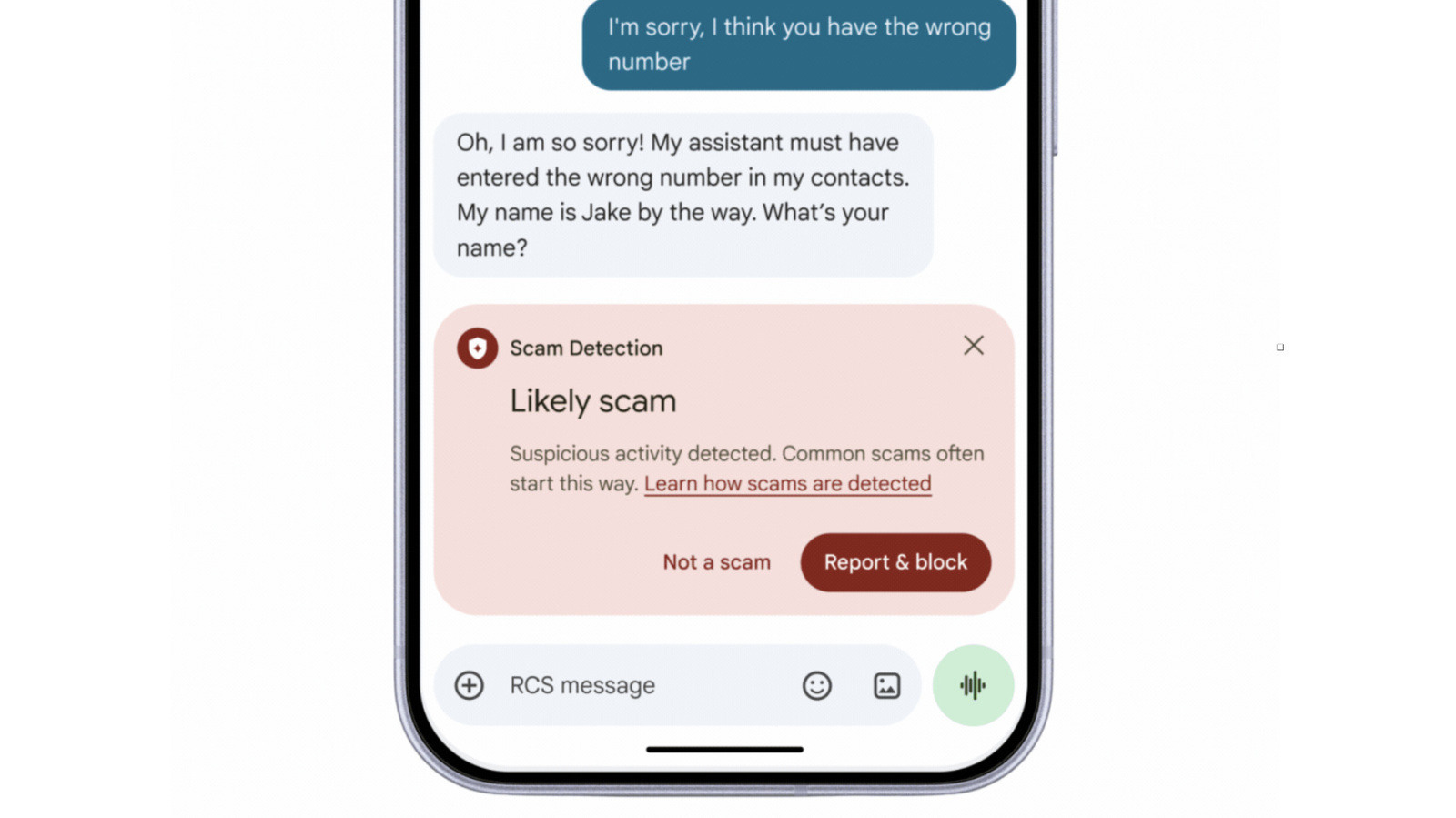
The cornerstone of Google’s new security rollout is the introduction of advanced "Scam Detection" within the Google Messages app. By leveraging Gemini, Google is moving beyond static keyword filtering—which scammers easily bypass—to a nuanced, intent-based analysis system.
Gemini-Powered Intent Analysis
The new Scam Detection feature, which is an opt-in setting, utilizes Gemini models to evaluate the behavior and intent of incoming messages. Rather than simply scanning for malicious URLs, the system analyzes the conversational flow. For instance, if an unknown number attempts to initiate a conversation by feigning familiarity—such as pretending to recognize the recipient or sharing a fake photo—the AI identifies the classic hallmarks of "pig butchering" or impersonation scams.
Privacy-First Processing
One of the most significant hurdles for AI-based security is the balance between functionality and user privacy. Google has addressed this by utilizing "Private AI Compute." This framework ensures that message analysis occurs in a secure, isolated space on the device. Because the data is processed locally and encrypted, the contents of your conversations remain inaccessible to Google’s servers and third-party bad actors alike. Furthermore, Gemini Nano—Google’s efficient on-device AI—will perform real-time verification of links sent within messages, acting as a final gatekeeper before a user clicks a potentially dangerous hyperlink.
Chronology of the Rollout: A Phased Global Deployment
Google’s strategy involves a staggered release schedule that prioritizes high-end hardware before cascading down to the broader Android ecosystem.
- Initial Rollout (Coming Weeks): The new opt-in Gemini-based Scam Detection will begin appearing on high-end flagship devices, including the Pixel 10 series and the Samsung Galaxy S26 lineup, as well as the latest Galaxy Z Flip and Fold 8 devices.
- Expansion of Notification-Based Detection: Having successfully tested Scam Detection in chat notifications on Pixel devices, Google is now broadening the scope. Major OEMs, including Honor, Motorola, OPPO, OnePlus, realme, vivo, and Xiaomi, are slated to integrate this feature later this year.
- Mid-Month Security Updates (Late November): Devices running Android 15 and newer will receive an automated screen-sharing privacy update designed to mask sensitive information in real-time.
- December Milestones: Early December will mark the arrival of call-forwarding protection, a vital update aimed at preventing malicious actors from hijacking communication channels via MMI (Man-Machine Interface) codes.
Supporting Data: The Scale of the Threat
The urgency of these updates is underscored by the sheer volume of fraudulent activity targeting mobile users. Google’s recent pilot program in Brazil provides a sobering look at the scale of the issue.
The Brazil Initiative: A Blueprint for Success
In partnership with local financial institutions, Google launched a specialized verification check for incoming calls. The objective was simple: verify the legitimacy of calls claiming to be from banks. The results were staggering. Since its inception in June, the system has successfully identified and blocked over three million fake calls.
This data serves as a critical proof-of-concept. It demonstrates that when telecommunications infrastructure is coupled with AI-driven verification, the success rate of scammers plummets. While the tool is currently exclusive to the Brazilian market, Google has signaled its intent to expand this partnership model to other regions, acknowledging that mobile security is a global imperative.
Official Responses and Strategic Vision
Google’s leadership views these updates not merely as features, but as a fundamental responsibility of platform stewardship. In internal briefings, the company emphasized that as AI lowers the barrier to entry for cybercriminals, the platform itself must become "smarter" than the attackers.
"Our goal is to create a seamless security experience where the user doesn’t have to be a cybersecurity expert to stay safe," a Google spokesperson noted. "By moving the intelligence to the edge—directly onto the device—we provide protection that is both immediate and private."
The decision to collaborate with competitors like Samsung, Xiaomi, and Motorola reflects a shift in Google’s strategy. Recognizing that Android’s strength lies in its diversity, the company is standardizing these security APIs across the ecosystem, ensuring that a user on a budget Motorola device is afforded similar protections to one using a top-tier Pixel.
Implications: The Future of Mobile Security
The integration of Gemini into the core operating system marks a pivotal moment for mobile security. As we look toward the future, several implications emerge regarding the state of digital privacy and user safety.
1. The Death of the "Human Link" in Security
Historically, the weakest link in the security chain has been the human user. We are often susceptible to emotional manipulation, urgency, and the fear of missing out. By using Gemini to act as an "AI intermediary," Google is effectively insulating the human element from the initial stages of a scam. The AI doesn’t just block a known bad number; it interprets the "tone" and "intent" of the conversation, effectively flagging the social engineering aspect of the fraud.
2. The Rise of "Privacy-Preserving AI"
The use of Private AI Compute is a direct response to the growing public anxiety surrounding AI and data harvesting. By proving that advanced AI can operate without cloud-based surveillance, Google is setting a new industry standard. This model of "on-device intelligence" is likely to become the baseline for all future mobile security features, forcing other OS developers to follow suit or risk being labeled as less secure.
3. A New Arms Race
While these tools represent a significant leap forward, they also signal an escalation in the cybersecurity arms race. As Google’s models get better at detecting scams, scammers will undoubtedly pivot toward more sophisticated methods, such as deepfake audio or AI-generated video calls. The success of these tools depends on Google’s ability to iterate at a pace equal to or faster than the evolving threat landscape.
4. Regulatory and Industry Pressure
By implementing features like call-forwarding protection and screen-sharing privacy at the OS level, Google is placing pressure on the entire telecommunications industry. Mobile carriers, who have long been criticized for failing to address the influx of spam calls, may find themselves under increased regulatory pressure to adopt similar verification protocols, spurred by the success of Google’s banking partnerships.
Conclusion
The announcement from Google is a testament to the fact that security can no longer be an afterthought or an optional plug-in; it must be baked into the silicon and the software architecture. By deploying Gemini as a proactive, on-device defender, Google is fundamentally changing the rules of engagement. While no system is ever truly impenetrable, the combination of real-time intent analysis, private computation, and broad ecosystem collaboration creates a formidable barrier against those who seek to exploit the digital lives of everyday users. As these features roll out over the coming months, the Android platform moves one step closer to becoming a truly "self-defending" environment.