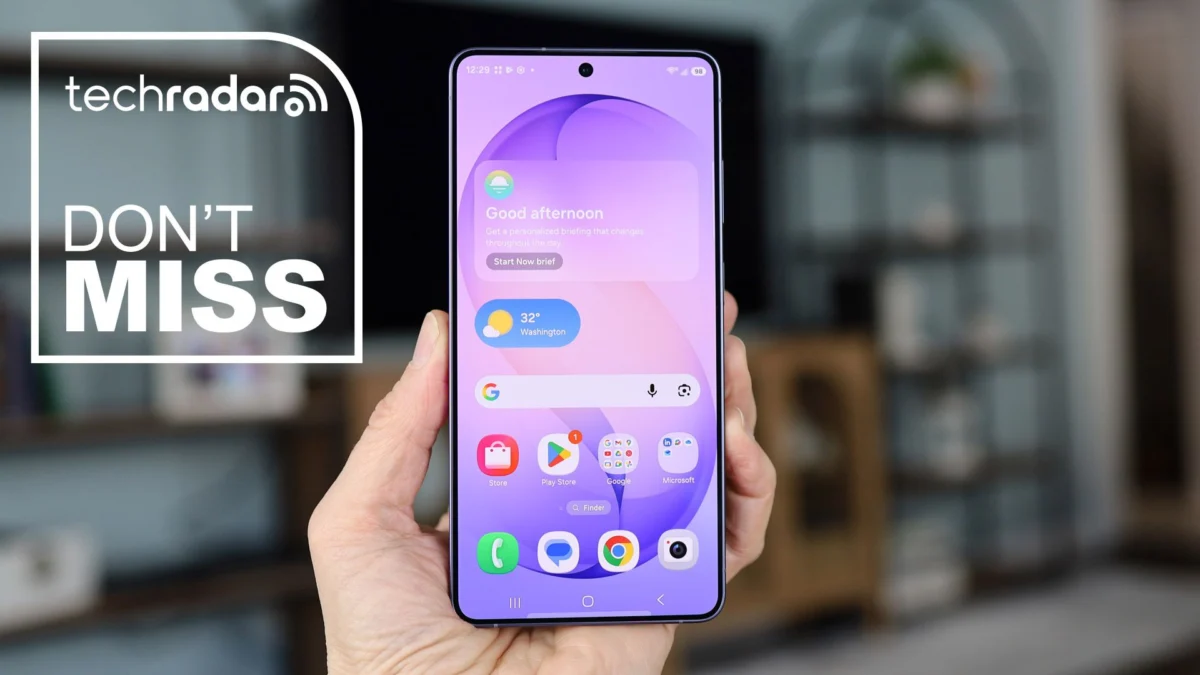
The global electronics market is currently navigating a period of significant volatility. Consumers looking to upgrade their smartphones, tablets, or laptops are increasingly finding themselves confronted by a difficult reality: the era of static pricing is over. Following a wave of price adjustments from industry titans like Apple and Google, Samsung has officially joined the fray, announcing significant price hikes across its flagship Galaxy S26 lineup.
While the semiconductor industry faces a complex web of supply chain constraints, primarily driven by rising costs in high-performance RAM and advanced NAND flash storage, the burden is increasingly being passed down to the end-user. As these costs ripple through the global economy, the Australian market—often a bellwether for international pricing trends—is feeling the sting.
However, amidst the gloomy news of rising Retail Recommended Prices (RRP), there remains a silver lining for savvy consumers. Retailers like Amazon have begun positioning themselves as a buffer, offering significant discounts that effectively revert pricing to pre-hike levels. This article examines the current state of the smartphone market, the implications of these price surges, and why, despite the inflationary climate, the Galaxy S26 remains a compelling, albeit expensive, proposition.
The Current State of the Market: A Chain Reaction
The electronics industry is currently suffering from a "perfect storm" of economic factors. The cost of raw materials, particularly the high-bandwidth memory (HBM) required for AI-integrated hardware, has surged. When manufacturers like Samsung and Apple encounter these bottlenecks, the resulting price inflation is rarely absorbed by the company’s profit margins; instead, it is integrated into the final consumer price tag.
In Australia, the impact has been tangible. Apple recently adjusted its pricing strategy upward across its entire ecosystem, citing market fluctuations. Google followed suit with the Pixel 11 series, and now, Samsung has updated the RRP for the Galaxy S26 models. For many, this represents a sudden increase of between AU$100 and AU$250 per unit, depending on the configuration.
A Chronology of the Galaxy S26 Price Hikes
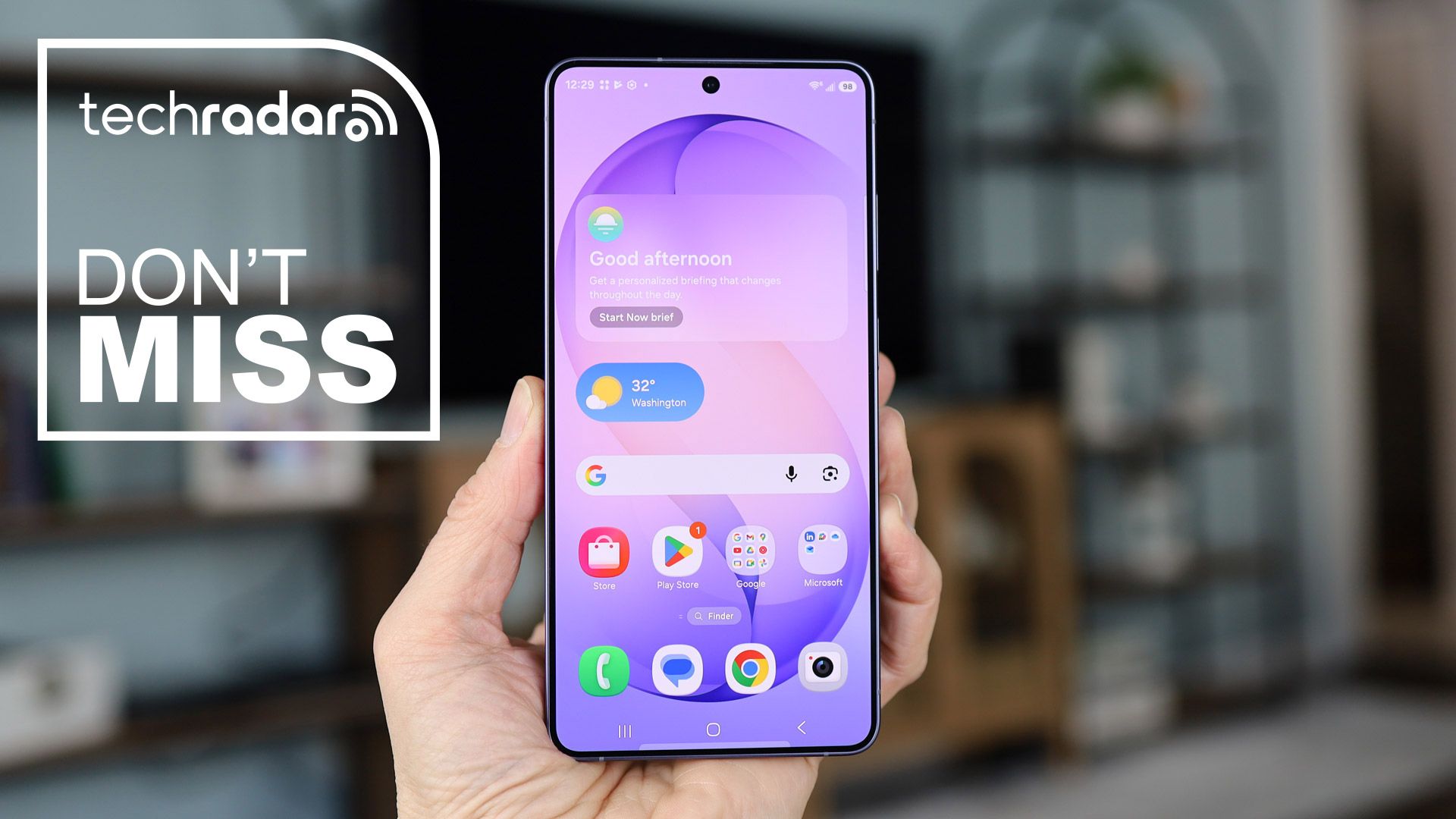
The Samsung Galaxy S26 series, which made its debut in March 2026, was initially greeted with mixed reactions regarding its launch price. At that time, the base model entered the market at AU$1,399. While this was already a premium entry point, the company justified it through hardware upgrades: a move to a larger 6.3-inch display (up from 6.2 inches), a base storage increase from 128GB to 256GB, and a refined industrial design.
However, the "honeymoon period" for these prices lasted only six months. In early October 2026, following the conclusion of various mid-year sales events, Samsung quietly adjusted its pricing structure. The base model, which had launched at AU$1,399, saw a price increase to AU$1,549, and subsequently, a further climb to its current RRP of AU$1,649. This represents an aggressive upward shift of nearly 18% in less than a year.
Key Milestones in the S26 Pricing Journey:
- March 2026: Official global launch of the Galaxy S26 series. Initial Australian base RRP set at AU$1,399.
- May–July 2026: Promotional windows, including End of Financial Year (EOFY) sales and Amazon Prime Day, offer consumers the first significant price relief.
- October 2026: Samsung officially announces a revised pricing tier for the S26, S26+, and Ultra models, citing increased manufacturing and logistics costs.
- Late October 2026: The market begins to bifurcate; while official channels adhere to the new, higher RRP, third-party retailers continue to offer legacy pricing or aggressive clearance discounts to maintain sales volume.
Supporting Data: Is the Hardware Worth the Price?
When evaluating whether a device is worth its increased price tag, one must look at the technical specifications versus the market competition. Our extensive testing of the Galaxy S26 revealed a device that, while impressive, exists in a state of marginal evolution.
The transition to a 256GB base storage capacity is a welcome change for power users, effectively eliminating the "base model anxiety" that plagued the S25 series. Furthermore, the AMOLED display remains a industry benchmark for brightness and color accuracy. However, the device is not without its controversies.
One primary point of contention for the Australian market is the use of the Exynos 2600 processor. While North American consumers benefit from the Qualcomm Snapdragon 8 Elite, Australians receive the Samsung-manufactured Exynos silicon. While performance testing suggests that the real-world difference is negligible for the average user, the psychological impact of receiving "lesser" hardware for a higher price has been a recurring theme in consumer feedback.
Moreover, the charging limitations—specifically the 25W ceiling and the absence of full Qi2 wireless charging integration—have drawn criticism from reviewers. In a market where competitors are pushing 65W or even 100W charging, 25W feels antiquated. Consequently, the consensus among industry analysts is that the S26 is a premium device that is best purchased during promotional windows rather than at the full, newly-hiked RRP.
The Retailer’s Role: Navigating the Price Gap
Despite the manufacturer’s price hikes, the consumer is not entirely powerless. Because the smartphone market is highly competitive, third-party retailers are often hesitant to raise prices immediately, fearing a drop in consumer demand.
For example, Amazon Australia recently listed the 256GB base Galaxy S26 for AU$1,127. This represents a 32% discount compared to Samsung’s current RRP of AU$1,649. This price discrepancy highlights a critical lesson for the modern tech buyer: the "official" price is rarely the "real" price.
Retailers are leveraging these deals to clear inventory or to maintain their position as the preferred shopping destination for tech enthusiasts. For the consumer, this creates a unique opportunity to secure flagship-level technology at a price that significantly undercuts the manufacturer’s suggested value.
Official Responses and Industry Implications
While Samsung has not issued a detailed itemized breakdown of why these specific hikes were necessary, the company’s broader communications have consistently alluded to "global macroeconomic pressures." In the semiconductor sector, this is code for the rising costs of raw materials, specifically the silicon wafers and high-speed memory modules that form the backbone of modern flagship devices.
Industry analysts suggest that this trend is likely to continue through 2027. As artificial intelligence becomes a standard requirement for mobile devices, the demand for high-performance, high-capacity RAM will only increase. This creates a "supply crunch" that will likely affect all manufacturers, not just Samsung.
Future Outlook: What to Expect
As we look toward the remainder of the year and into 2027, several key questions remain:
- Will other models follow suit? So far, Samsung’s recently released foldables and the budget-friendly S26 FE have remained stable at their original launch prices. However, if the component shortage persists, it is inevitable that these models will also eventually see adjustments.
- How will the consumer react? We are already seeing a shift in consumer behavior. Users are holding onto their devices for longer—up to three or four years—to justify the rising cost of new hardware. This "stretching" of the replacement cycle is a direct response to the diminishing returns of yearly upgrades and the rising cost of entry.
- Will the "Exynos vs. Snapdragon" divide widen? As Samsung continues to optimize its own silicon, the pressure to prove that Exynos is equal to Snapdragon will grow. If the price for the Exynos-powered models continues to rise while US prices remain stable, Samsung may face significant brand loyalty challenges in international markets.
Conclusion: The Path Forward for the Tech-Savvy Buyer
The rise in prices for the Samsung Galaxy S26 series is a microcosm of the broader challenges facing the consumer electronics industry. It is a reminder that in a globalized supply chain, even minor fluctuations in the price of raw memory or logistics can have a profound impact on the consumer’s wallet.
For those in the market for a new flagship phone, the current landscape requires a more strategic approach to purchasing. Gone are the days when a new release could be bought on launch day without consequence. Today’s consumer must be more diligent, tracking prices across multiple retailers, waiting for the inevitable promotional windows, and perhaps looking at older, yet still highly capable, models.
Despite the caveats—the Exynos processor, the 25W charging, and the price hikes—the Galaxy S26 remains a superior piece of technology. With its vibrant AMOLED display, reliable camera system, and solid, refined build, it is a flagship that delivers on its promises. When found at a discounted price point, it remains one of the best smartphones money can buy.
As we move forward, the "cost of connectivity" will likely remain a point of contention. However, by staying informed and leveraging the competitive nature of the retail market, consumers can continue to enjoy the benefits of cutting-edge technology without necessarily paying the premium price that the current economic climate demands. The key, as always, is patience, research, and a keen eye for a deal.