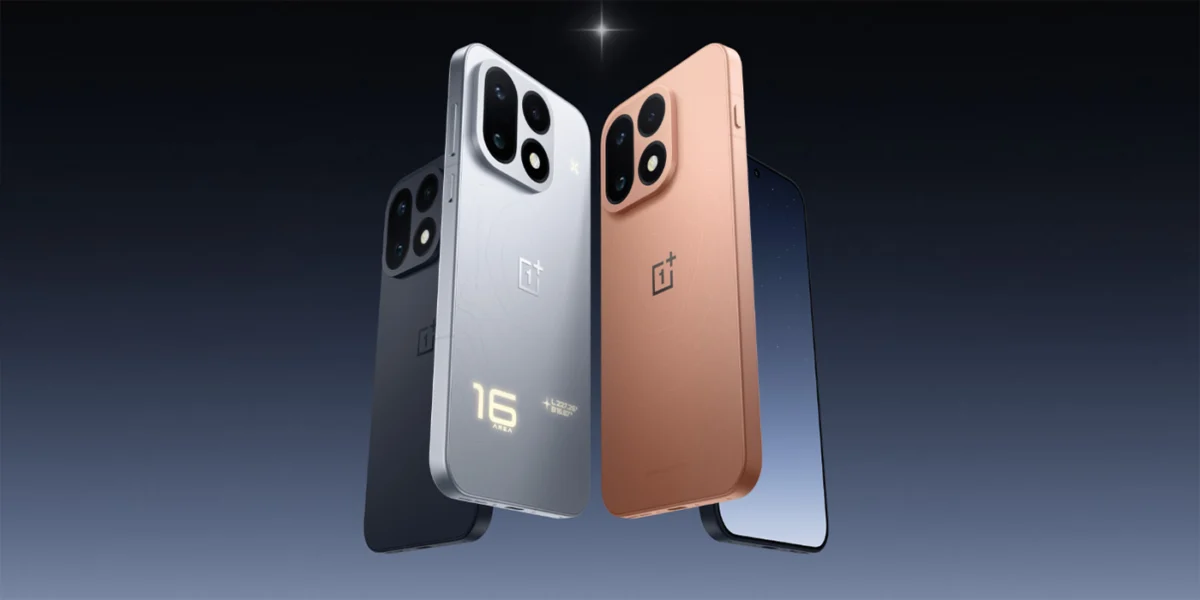
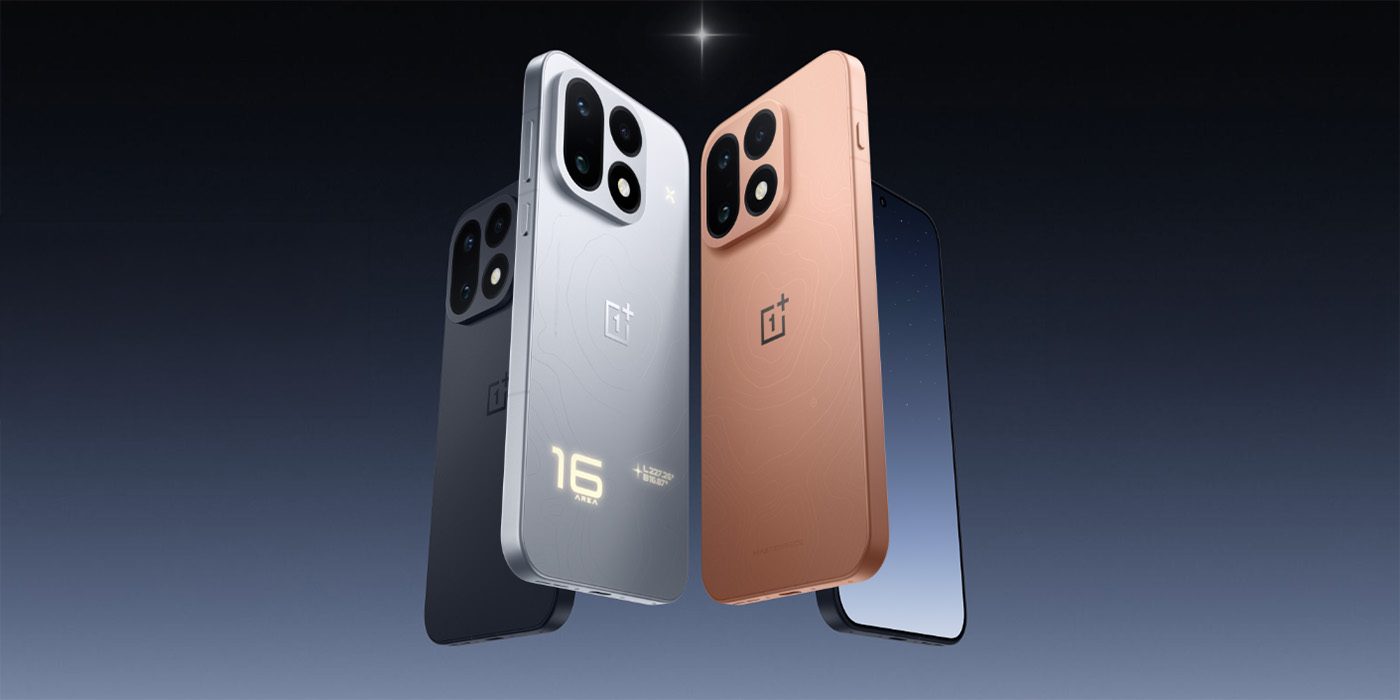
The smartphone industry has long been defined by the "global flagship"—the device that serves as a universal benchmark for performance, design, and innovation. However, the landscape shifted dramatically this week with the official announcement of the OnePlus 16 in China. While the device boasts specifications that arguably place it at the absolute pinnacle of current mobile hardware, it serves as a bittersweet reminder of a brand in transition. For the vast majority of international enthusiasts, the OnePlus 16 is not just a phone; it is a "forbidden fruit" that underscores the company’s pivot away from its former status as a global powerhouse.
Main Facts: The Specifications of a Titan
The OnePlus 16, unveiled in China this week, is a clear statement of intent from the manufacturer. It is a device designed to dominate performance charts, built on the back of the latest silicon and a battery capacity that pushes the boundaries of modern physics.
At its core, the device is powered by the Snapdragon 8 Elite Extreme Gen 6 chipset, a powerhouse platform that ensures the device remains at the forefront of the Android ecosystem. This raw computational power is matched by a visual experience that is equally ambitious. The device features a fluid 185Hz display. While reports indicate that the panel defaults to 165Hz for standard operations to preserve efficiency, it unlocks its full 185Hz potential during high-intensity gaming sessions, providing a level of responsiveness rarely seen in mobile hardware.
Perhaps the most staggering feature is the battery. Following the impressive 7,300 mAh capacity of the OnePlus 15, the OnePlus 16 pushes the envelope further with a massive 9,000 mAh power pack. This leap in capacity is a significant engineering feat, necessitating advancements in battery density and thermal management. Furthermore, the inclusion of a 200MP main camera sensor marks a critical upgrade, directly addressing the primary criticism of its predecessor and aiming to compete with the industry’s elite camera systems.
A Chronology of Withdrawal: How We Got Here
To understand why the launch of the OnePlus 16 is shrouded in such melancholy, one must look back at the company’s recent strategic retreat. For nearly a decade, OnePlus was synonymous with "flagship killer" status, offering high-end hardware at aggressive prices across North America, Europe, and Asia.
- 2024–2025: The Market Contraction: Following years of intense competition and shifting consumer loyalty, OnePlus began a systematic review of its global operations. The company cited market saturation and a desire to focus on "core markets" as the primary drivers for this consolidation.
- July 2026: The Official Pivot: In a watershed moment for the brand, OnePlus officially announced its withdrawal from several major Western markets, including the United States and large portions of the European Union. This signaled a fundamental shift in business strategy, moving from a global challenger to a localized, China-centric entity.
- October 2026: The OnePlus 16 Debut: The launch of the OnePlus 16 marks the first flagship release since the completion of this strategic retreat. While the hardware has improved exponentially, the distribution footprint has shrunk to its smallest point in the company’s history.
Supporting Data: By the Numbers
The technical specifications of the OnePlus 16 paint a picture of a device that is unapologetically "extra."
- Battery Capacity: 9,000 mAh (a roughly 23% increase over the OnePlus 15).
- Camera System: A new 200MP primary sensor, significantly improving detail resolution and low-light performance compared to the previous generation.
- Display Refresh Rate: 185Hz (gaming-focused, dynamic adjustment).
- Price Point: Starting at CNY 5,999 (~$900 USD).
- Release Date: Open sales commence on October 31, 2026, exclusively within the Chinese market.
While the wired charging speeds have seen some adjustments—leading to mild debates among enthusiasts—the sheer stamina provided by the 9,000 mAh battery is expected to set a new standard for power-user expectations. The pricing, when converted, remains competitive for a device of this caliber, yet the inaccessibility of the device makes the price tag a moot point for global consumers.
Official Responses and Strategic Rationale
OnePlus has remained relatively quiet regarding the specific "global availability" of the 16, though their actions speak louder than any press release. By focusing on the Chinese market, the company is doubling down on its domestic stronghold, where it benefits from a highly integrated ecosystem, established retail partnerships, and a consumer base that has historically favored the brand’s high-spec, high-value philosophy.
Analysts suggest that this move is a pragmatic reaction to the thinning margins in Western markets. The cost of maintaining after-sales support, distribution chains, and local marketing in the U.S. and Europe has become unsustainable for a brand that is no longer aiming for universal market share. Instead, OnePlus is choosing a path of profitability and focus, prioritizing the "power user" in its home market over the volatile and expensive global landscape.
Implications: The End of an Era
The implications of the OnePlus 16 launch are profound for the mobile industry.

1. The Death of the "Global Flagship"
For years, the enthusiast community thrived on the idea that they could purchase a OnePlus device regardless of their location. The absence of the OnePlus 16 from global markets signifies the end of the "global enthusiast" era. The brand is no longer designing for a worldwide audience, but rather for a specific cultural and regulatory environment.
2. The Vacuum Left Behind
With OnePlus stepping back, a vacuum is created in the premium mid-range to high-end market. While other manufacturers like Xiaomi, Honor, and the lingering presence of Google and Samsung are eager to capture these users, the unique "OnePlus experience"—characterized by a specific blend of custom software (OxygenOS/ColorOS) and hardware-first philosophy—is effectively gone for many.
3. The Future of the Brand
"RIP OnePlus" has become a common sentiment in online forums, but this is perhaps an oversimplification. The brand is not dying; it is changing. It is becoming a domestic giant. However, for those who grew up with the brand during its initial "Never Settle" phase, the OnePlus 16 serves as a painful reminder of what could have been. It is a masterpiece of engineering that feels like a eulogy for the brand’s international identity.
4. Import Realities
For the truly dedicated, the prospect of importing the OnePlus 16 from China remains an option. However, the barriers—ranging from regional software locking, lack of warranty support, and missing network band compatibility—ensure that this will remain a niche pursuit for only the most dedicated hobbyists. The mainstream consumer, who once looked to OnePlus for an easy, high-end upgrade, has been left behind.
Conclusion
The OnePlus 16 is, without a doubt, a technological triumph. It pushes the boundaries of what is possible in a handheld device, particularly in the realms of battery life and display fluidity. Yet, its brilliance is overshadowed by the circumstances of its release. By choosing to restrict this powerhouse to the Chinese market, OnePlus has effectively severed the ties that once bound it to a global community of loyal users. As the company moves forward into its new, localized future, the OnePlus 16 will likely be remembered not just for its 9,000 mAh battery or its 200MP camera, but as the final, shining achievement of a company that stopped looking at the world and started looking only at home.