










By Editorial Staff
October 13, 2026
Apple has officially kicked off its October product cycle, yet for those tracking the Cupertino giant’s roadmap, the "Welcome Home" event was merely the opening act. Following the debut of the HomeView smart hub, the new Apple TV 4K, and the latest iteration of the HomePod mini, the company is signaling that the remainder of the month will be defined by high-performance computing and a pivot toward long-awaited hardware refreshes.
With rumors coalescing around an October 27 announcement date, the focus of the technology world is shifting toward a potential second wave of releases. This includes the highly anticipated "iPhone Duo" and a massive overhaul of the MacBook Pro line, which promises to integrate touch-interface technology into the Mac ecosystem for the first time in the company’s history.
Main Facts: The October Roadmap
The core of Apple’s late-October strategy revolves around the convergence of professional-grade power and new display paradigms. Following the press-release-style launches of the home-focused products earlier this week, sources suggest Apple is planning a more exclusive, hands-on experience for industry stakeholders.
The MacBook Pro Ultra and OLED Integration
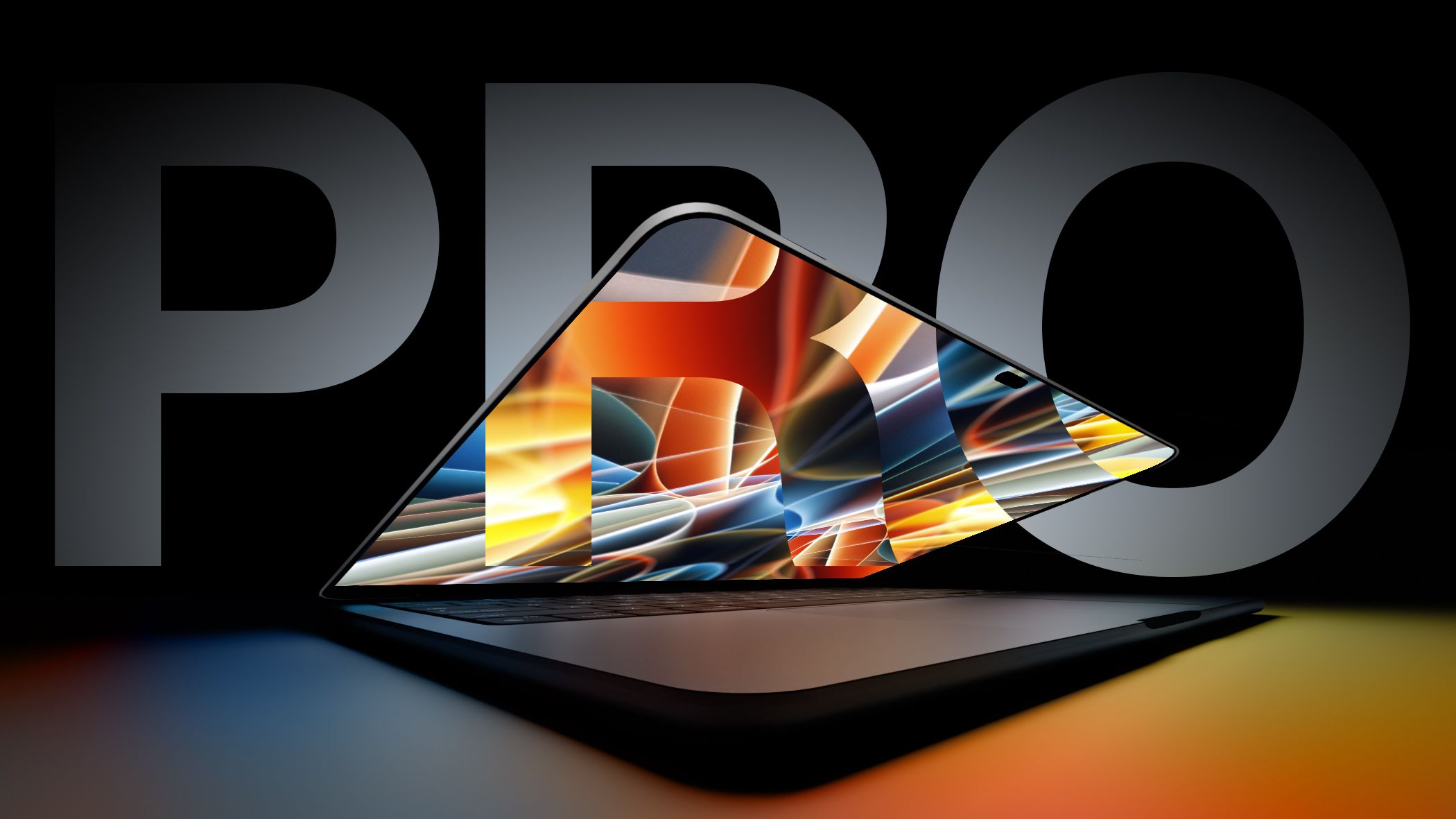
The headline news for the upcoming event is undoubtedly the next-generation MacBook Pro. Industry insiders indicate that this will be the most significant redesign of the platform since 2021. The centerpiece of this release is the transition to OLED display technology, which is expected to offer deeper blacks, superior contrast ratios, and improved power efficiency.
More importantly, this marks the realization of a years-long rumor: the touchscreen Mac. By integrating touch input into a traditional laptop form factor, Apple is looking to blur the lines between iPadOS-driven convenience and macOS-driven productivity. The new machines are slated to be lighter and more portable than their predecessors, powered by the cutting-edge M5 Pro and M5 Max silicon.
The iPhone Duo and iPad Mini
While the MacBook Pro is the "pro" interest, the "iPhone Duo" remains a wildcard for the consumer market. Industry analysts speculate that this device aims to bridge the gap between the standard iPhone and the Pro models, potentially offering a unique dual-screen or dual-capability experience that has been missing from the current smartphone lineup. Furthermore, a refreshed OLED iPad mini is expected to be shown to creators during the upcoming Los Angeles-based sessions.
Chronology: A Timeline of Apple’s October Surge
The cadence of these announcements suggests a carefully orchestrated strategy designed to keep the brand at the forefront of consumer discourse throughout the quarter.
- October 11, 2026: Bloomberg’s Mark Gurman releases a comprehensive leak detailing the "HomeView" smart hub, a new HomePod mini 2, and an upgraded Apple TV 4K.
- October 13, 2026: Apple officially launches the HomeView, the 4th Generation Apple TV 4K (featuring the A19 chip), and related home ecosystem accessories.
- October 27–28, 2026 (Expected): Apple is rumored to host exclusive content creator sessions in Los Angeles. These sessions will likely serve as the "launchpad" for the MacBook Pro and the OLED iPad mini.
- November 6, 2026 (Projected): Industry analysts expect the first wave of physical shipments to reach customers. Pre-orders are anticipated to begin immediately following the October 27 announcement.
Supporting Data: Performance and Technical Specifications
The recent hardware announcements have set a high bar for the upcoming Mac updates. The newly released Apple TV 4K, for instance, features the A19 chip, providing a 50% increase in CPU performance compared to previous iterations. This provides a window into the potential capabilities of the upcoming M5-series chips.
The A19/M5 Architecture
The A19 chip, which debuted in the Apple TV 4K, showcases Apple’s commitment to "Siri AI"—the new intelligence layer integrated into the tvOS and homeOS environments. By utilizing this architecture as a foundation, the M5 Pro and M5 Max chips in the upcoming MacBooks are expected to handle complex, on-device generative AI tasks with unprecedented efficiency.
Design Evolution
The transition to an OLED panel for the MacBook Pro is not just a cosmetic upgrade; it is a structural one. By eliminating the traditional LED backlight, Apple has reportedly found ways to reduce the chassis thickness and overall weight of the device. This shift represents a return to the "ultra-portable" ethos that defined the early MacBook Air era, combined with the raw power of the M-series chips.
Official Responses and Strategic Vision
Senior leadership at Apple has framed these product releases as part of a broader "personalized home and pro-creative" ecosystem. Regarding the launch of the HomeView, Greg Joswiak, Apple’s Senior Vice President of Worldwide Marketing, noted:
"Apple HomeView is designed to be shared by everyone in the home yet feel completely personal to each user. It recognizes your face to shift from a household screen to your own experience."
This quote reflects the underlying philosophy of all recent hardware: the integration of biometric recognition (Face ID and potential variants) and AI-driven personalization. The upcoming MacBook Pro is expected to follow this lead, using advanced biometric security and AI-aware software to tailor the interface specifically to the user’s creative workflow.
Implications: What This Means for the Industry
The implications of Apple’s October strategy are manifold, affecting everything from supply chains to the broader computing landscape.
The "Touchscreen" Precedent
For years, Apple resisted the urge to add a touchscreen to the Mac, arguing that iPadOS and macOS should remain distinct. By finally implementing this feature in the 2026 MacBook Pro, Apple is effectively conceding that the "pro" workflow is no longer restricted to a mouse and keyboard. This forces competitors in the Windows ecosystem to rethink their own hybrid devices, which have struggled to achieve the same level of software cohesion that Apple provides.
Impact on Content Creators
The choice to host specialized content creator sessions in Los Angeles—rather than a traditional, massive keynote event—suggests a pivot toward influencer-led marketing. By giving creators early, hands-on time with the devices, Apple is betting that organic, high-quality content produced by professionals will be a more effective marketing tool than a scripted corporate presentation.
The November Bottleneck
Because the new Macs are expected to ship in November, Apple is positioning itself to dominate the holiday shopping season. By creating a gap between the late-October announcement and the November shipping date, the company generates a "waiting list" effect, ensuring that initial inventory is sold out immediately upon release. This strategy effectively front-loads their Q4 earnings and maintains high visibility during the critical Black Friday and holiday purchasing window.
Closing the Loop on the Home Ecosystem
With the HomeView hub, Apple has finally addressed the fragmentation of its smart home ecosystem. By integrating Siri AI into a 7-inch Liquid Retina display, the company is no longer just selling a "speaker" or a "TV box"—they are selling a central command post for the modern home. The success of this device will likely dictate the adoption rate of Apple’s upcoming "Matter"-compatible accessories for the remainder of the decade.
Conclusion: A High-Stakes Quarter
As October draws to a close, it is clear that Apple is not slowing down. The combination of a revamped, touch-enabled MacBook Pro and a renewed focus on AI-integrated smart home tech places the company in a unique position of strength. Whether these products will meet the high expectations of a demanding consumer base remains to be seen, but the intent is clear: Apple is moving toward a more personal, more portable, and more intelligent future. Investors and users alike will be watching closely on October 27 to see if the reality of the M5-powered Mac lives up to the current, fervent anticipation.



