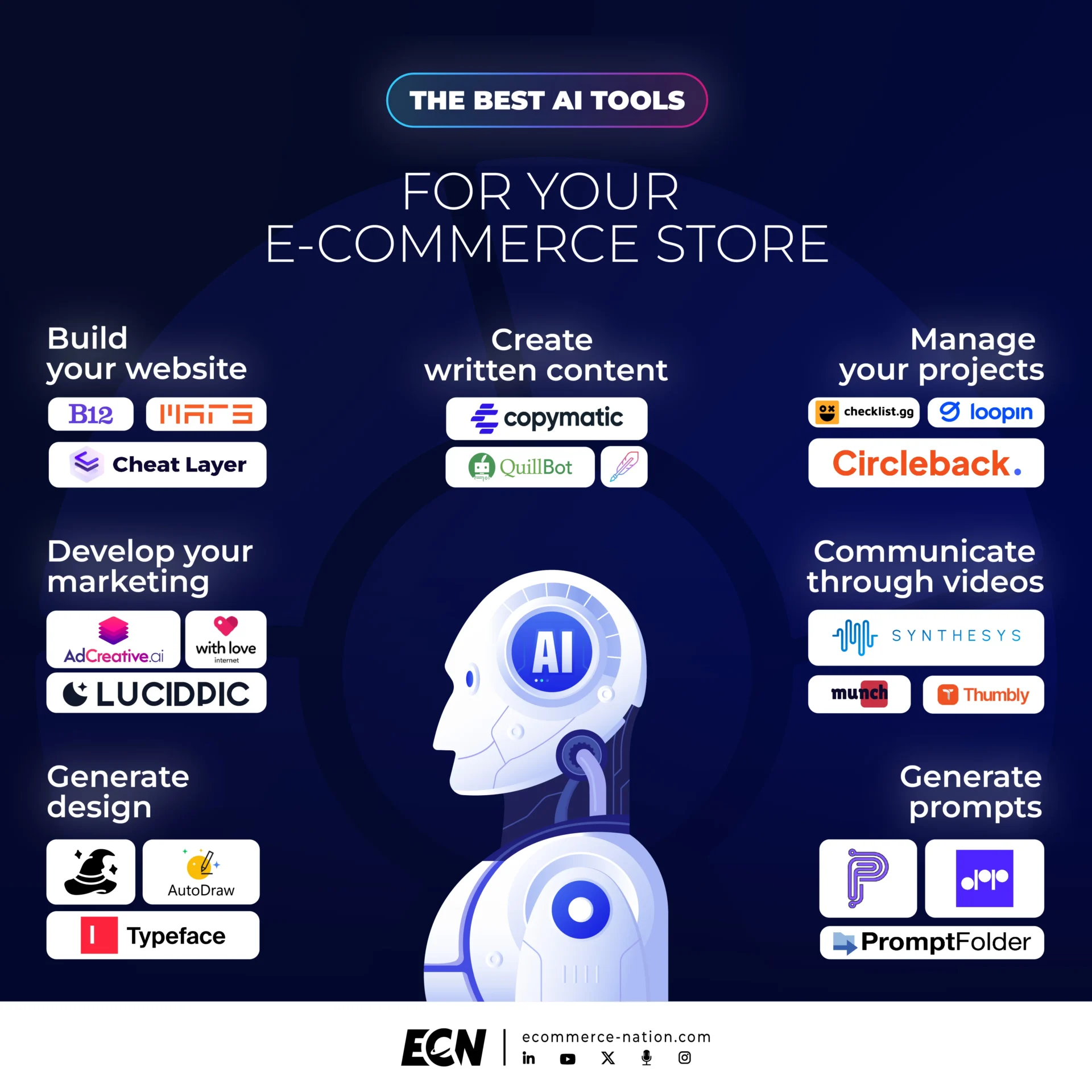
Artificial intelligence (AI) has transcended the boundaries of science fiction to become the backbone of modern digital enterprise. What began as a niche interest for data scientists has evolved into a fundamental utility for professionals and casual users alike. As the technology matures, its applications have diversified, touching everything from complex supply chain logistics to personalized consumer marketing.
The shift is undeniable. According to data from AuthorityHacker, 35% of global companies have already integrated AI into their core processes. Perhaps more telling is the strategic outlook: 90% of business leaders now view AI as a critical competitive advantage. This perception is not merely speculative; 77% of modern consumer devices now feature some form of integrated artificial intelligence, underscoring its role as the invisible engine of the digital economy.
The Chronology of Adoption: From Niche to Necessity
The rapid rise of AI did not happen overnight. To understand the current landscape, one must look at the timeline of its integration into the business sphere.
The Foundation (2010–2017)
In the early 2010s, AI was synonymous with "Big Data." Companies utilized machine learning primarily for predictive analytics—forecasting sales and managing inventory. It was a backend technology, largely invisible to the end user.
The Generative Pivot (2018–2022)
The landscape shifted dramatically with the advent of Large Language Models (LLMs) and generative design tools. For the first time, AI was not just analyzing data; it was creating content. Tools like GPT-3 and early image synthesis models allowed businesses to automate copywriting, basic design, and customer service interactions.
The Integration Era (2023–Present)
We are currently in the era of "Agentic AI." Today’s tools are not just generating text; they are executing complex, multi-step workflows. Companies are now moving beyond testing AI in isolated silos and are instead embedding it into the very fabric of their operations—from website development to project management.
Supporting Data: The Quantitative Impact of AI
The economic implications of AI adoption are profound. Beyond the 90% of leaders who view it as a competitive advantage, the return on investment (ROI) metrics are becoming increasingly clear.
- Efficiency Gains: Early adopters report a 20–30% increase in productivity within marketing and content teams by automating repetitive tasks like scheduling, SEO optimization, and social media posting.
- Personalization at Scale: AI allows businesses to move away from "one-size-fits-all" marketing. Machine learning algorithms analyze customer behavior in real-time, allowing e-commerce stores to deliver dynamic product recommendations that increase conversion rates by an average of 15%.
- Operational Cost Reduction: By utilizing AI for customer support (via intelligent chatbots) and predictive maintenance, companies are seeing a significant reduction in operational overhead, often offsetting the costs of AI subscription services within the first six months of implementation.
Strategic Domains: Where AI is Making an Impact
To navigate this landscape, it is essential to categorize how AI is currently deployed. Whether you are building an online store, managing a team, or crafting a brand identity, the following sectors represent the most effective applications of current AI technology.
1. Website Development: The "No-Code" Evolution
Building a professional-grade website no longer requires extensive knowledge of HTML or CSS. Modern AI-driven website builders use natural language processing to understand your business requirements and generate custom site structures, layouts, and even color palettes that align with your brand identity.
2. Marketing and Brand Strategy
AI-driven marketing platforms now automate the entire campaign lifecycle. From audience segmentation to A/B testing ad copy, AI can identify which messaging resonates best with specific demographics. This eliminates the "guesswork" traditionally associated with digital marketing, allowing for data-driven precision.
3. Video Production and Multimedia
The barrier to entry for professional video content has collapsed. AI tools can now generate scripts, create AI-powered avatars for video narration, and edit long-form content into shorter, platform-specific clips for platforms like TikTok or Instagram. This enables brands to maintain a consistent video presence without the need for an expensive production crew.
4. Project Management and Workflow Optimization
Modern AI tools act as virtual project managers. They monitor team progress, flag potential bottlenecks before they occur, and even automatically generate summaries of long project meetings. By offloading administrative coordination to AI, managers can focus on high-level strategic decision-making.
5. Prompt Engineering: The New Literacy
As LLMs become more sophisticated, the skill of "prompt engineering"—the art of communicating effectively with AI—has become a top-tier professional skill. Specialized tools now exist to help users refine their inputs, ensuring that the output received is high-quality, relevant, and consistent with the brand’s tone of voice.
Official Perspectives: The Industry Outlook
Industry experts and regulatory bodies are increasingly vocal about the transition. The consensus among analysts is that we are witnessing a fundamental paradigm shift.
"AI is no longer a luxury for tech giants," says Thibault Herpin, a leading voice in e-commerce strategy. "It is a utility, like electricity or the internet. The companies that fail to adopt these tools will find themselves at a structural disadvantage against competitors who can produce content, design, and analyze data at ten times the speed."
However, this optimism is balanced by a focus on "Responsible AI." Industry leaders, including the companies providing these advanced toolsets, are emphasizing the need for human oversight. AI is designed to augment human creativity, not replace it. The consensus is that the highest-performing organizations will be those that foster a "Human-in-the-Loop" model, where AI provides the heavy lifting and human experts provide the strategic oversight and emotional nuance.
Implications: The Road Ahead for Your Business
What does this mean for the average professional or business owner? The takeaway is clear: Action is required.
The Risks of Inaction
Stagnation in an AI-driven market is dangerous. As competitors optimize their workflows, they gain the ability to offer lower prices, faster delivery, and more personalized experiences. If your competitors are using AI to reduce their overhead by 20%, they can reinvest those funds into R&D or marketing, effectively pricing you out of the market.
Developing an AI Strategy
To successfully integrate AI, businesses should follow a three-step roadmap:
- Audit Your Pain Points: Don’t implement AI just for the sake of it. Identify the most time-consuming, repetitive tasks in your current workflow—whether it’s writing product descriptions, scheduling social media, or formatting reports.
- Pilot, Then Scale: Start with a single department. For example, test AI-powered writing tools within your content marketing team. Once the workflow is optimized, move to the next department.
- Invest in Training: The greatest barrier to AI adoption is not the technology itself, but the human element. Invest in training your staff to understand the capabilities and limitations of AI. A team that understands how to "prompt" effectively is an asset that can scale your operations exponentially.
Conclusion
The integration of artificial intelligence is the defining business narrative of the decade. With 90% of companies already recognizing its potential as a competitive advantage, the question for business leaders is no longer "if" they should adopt AI, but "how fast."
By leveraging AI for website development, marketing, video creation, and project management, businesses can unlock levels of efficiency previously unimaginable. The tools exist, the data is clear, and the competitive pressure is mounting. Now is the time to embrace the transformation, optimize your processes, and ensure that your business is prepared to compete in an AI-powered future.
As we look toward the horizon, the most successful entities will be those that manage to balance the raw speed and power of machine learning with the unique, irreplaceable human perspective that guides a brand’s soul. The revolution is here—it is time to put it to work.