


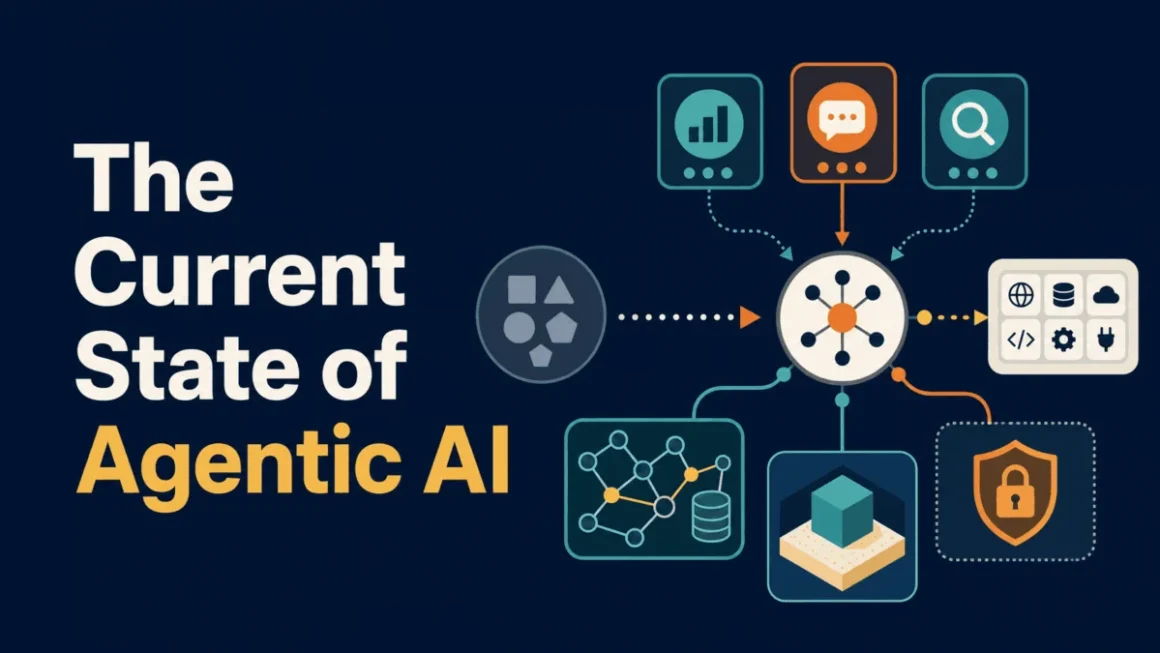
By mid-2026, the landscape of artificial intelligence has undergone a seismic shift. The "brute-force" era of 2024 and 2025—characterized by massive, monolithic models struggling to juggle complex chains of thought—has been relegated to the history books. Today, the industry has embraced a modular, protocol-driven architecture that favors specialization over scale. As we look at the […]

WhatsApp Evolution: A New Era of Multi-Device Integration and Seamless Connectivity
In an era defined by hyper-connectivity, our digital lives are no longer tethered to a single device. Modern communication flows fluidly from the smartphone in our pocket to the tablet on the couch, the desktop in the office, and the integrated dashboard of our vehicles. Recognizing this paradigm shift, WhatsApp—the world’s most popular messaging platform—has […]
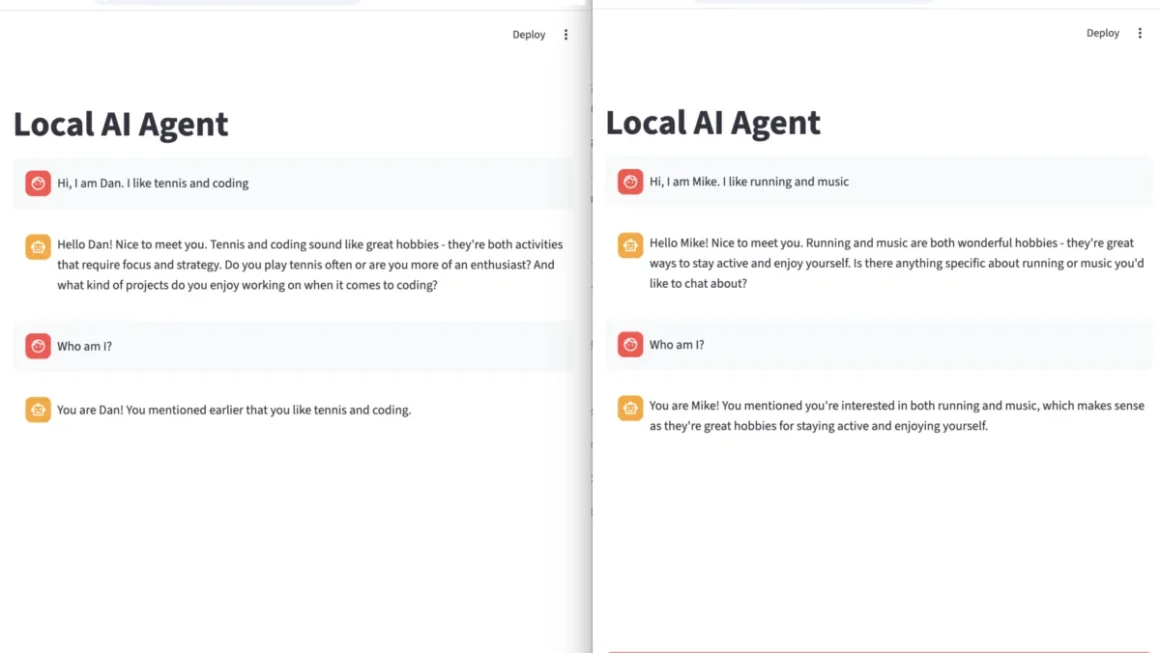
From Script to Service: Architecting a Multi-User AI Agent with FastAPI and Streamlit
In the rapidly evolving landscape of generative artificial intelligence, the transition from local experimentation to scalable application deployment remains a critical hurdle for developers. Most AI agents begin their lifecycle as ephemeral Python scripts running within the confines of a command-line interface (CLI). While this environment is ideal for initial testing and rapid iteration, it […]

The Rise of Cruciferra: Inside the Multi-Million Dollar Crypter Service Disrupting Global Cybersecurity
In the shadow economy of the dark web, a new, highly sophisticated tool has emerged, fundamentally altering the landscape for cyber-criminal syndicates. Marketed as “the underground’s most lethal crypter,” a service known as Cruciferra has rapidly gained traction since its debut in the autumn of 2025. By providing a "plug-and-play" infrastructure that allows disparate threat […]
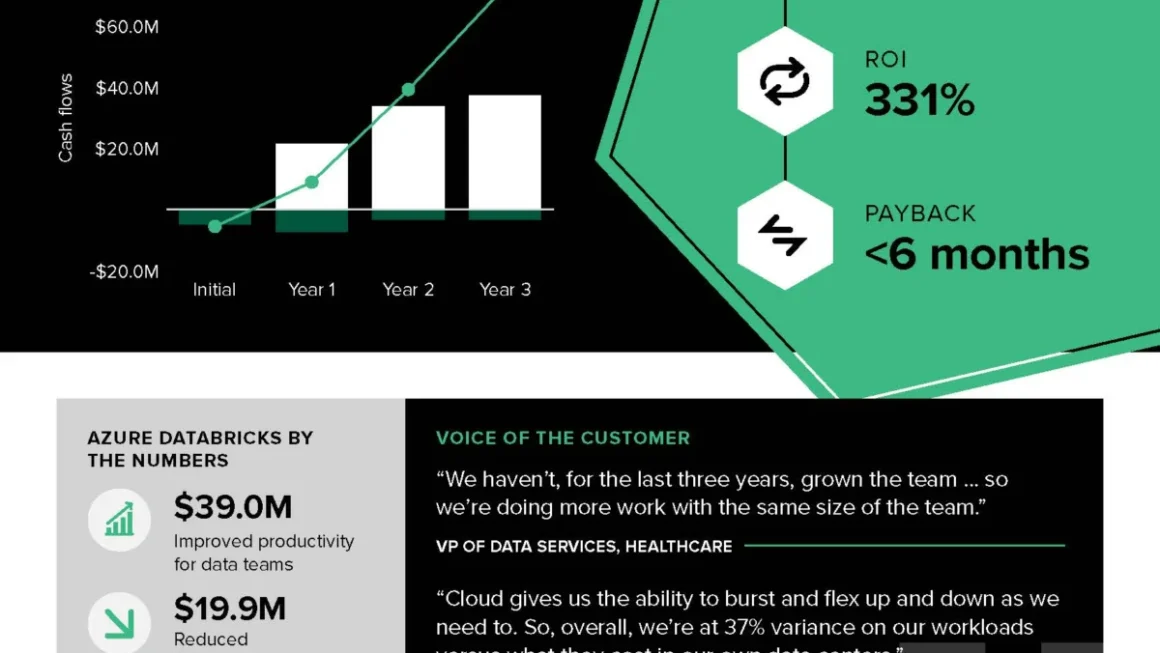
The Multi-Million Dollar Advantage: Why Enterprises Are Consolidating Data Estates on Azure Databricks
In the rapidly evolving landscape of data and artificial intelligence, the divide between "promising technology" and "proven business value" is widening. Organizations are increasingly wary of complex, fragmented data architectures that bleed budget and stifle innovation. A new study, however, offers a compelling empirical case for a unified approach: the co-engineered, first-party integration of Microsoft […]