







In the modern digital economy, relying on a single traffic source or marketing channel is a dangerous game. Algorithms shift, ad costs rise, and platforms fall out of favor overnight. For service-based businesses, coaches, and consultants, diversification is no longer optional—it is a matter of operational survival.
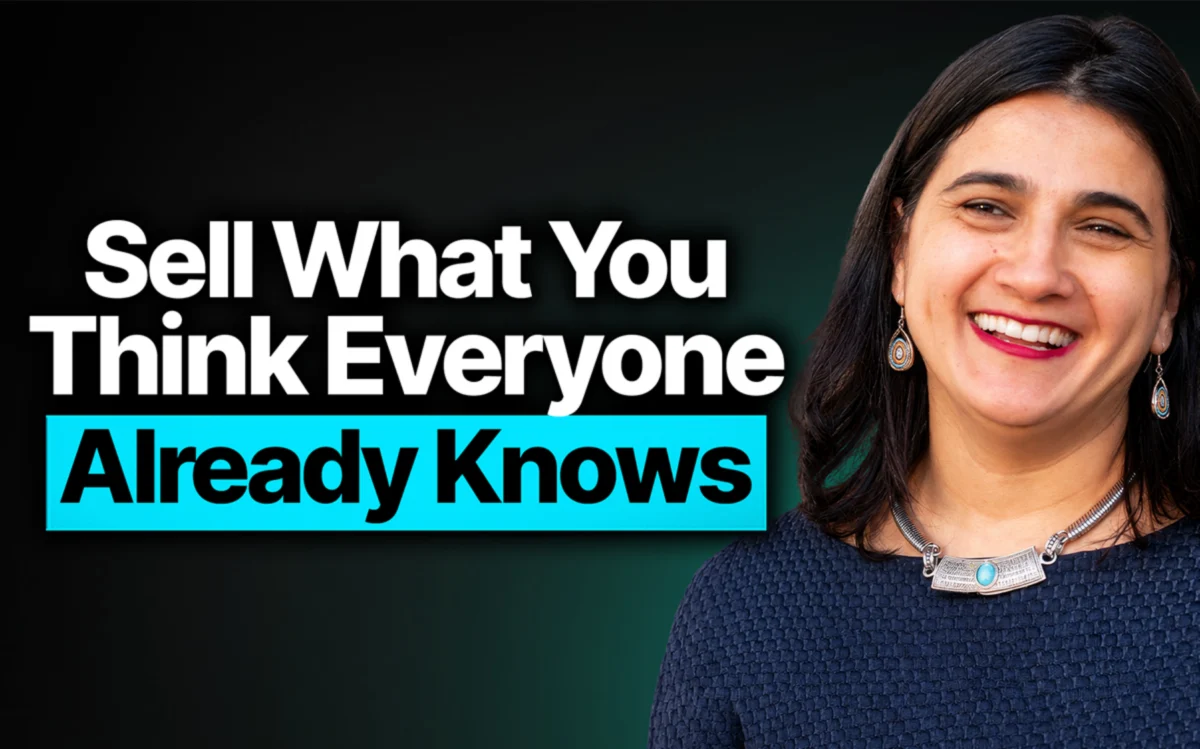
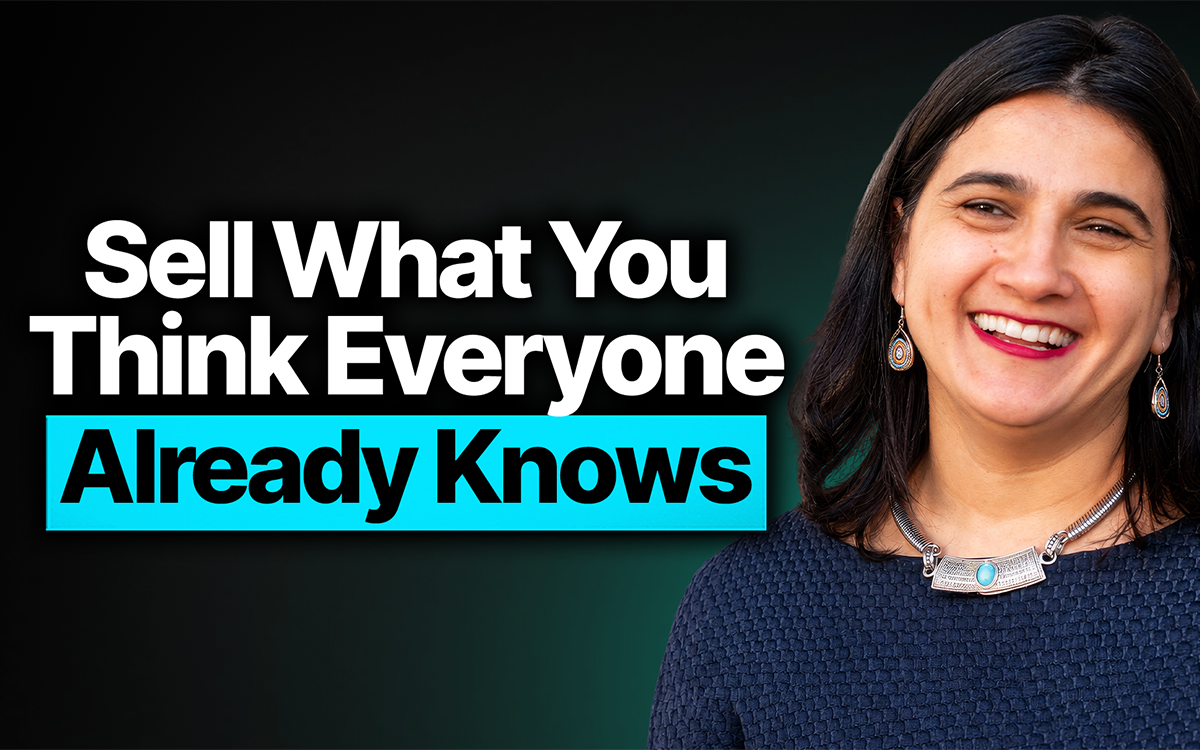
In a recent episode of the Niche Pursuits podcast, veteran journalist and media entrepreneur Natasha Tynes pulled back the curtain on her sophisticated multi-channel lead generation system. Drawing on approximately 25 years of experience in writing, journalism, and communications, Tynes has successfully engineered a digital ecosystem that converts casual content consumers into high-ticket coaching, ghostwriting, and media clients.
Rather than chasing vanity metrics or spreading herself thin across every emerging app, Tynes has purposefully integrated platforms like Substack, LinkedIn, and YouTube into a cohesive pipeline. Her strategy proves that a modest, highly engaged audience aligned with clear revenue pathways will always outperform a massive, passive following.
Main Facts: The Anatomy of Tynes’s Lead Generation System
At the heart of Tynes’s business model is a deliberate philosophy: different digital channels serve different psychological and functional purposes in a buyer’s journey.
- The Core Asset: Tynes utilizes Substack as her primary email hub, boasting an organically grown list of approximately 3,000 subscribers.
- The Discovery Engines: LinkedIn and YouTube act as top-of-funnel discovery platforms, bringing new eyeballs into her digital ecosystem.
- The Monetization Layers: Her business monetizes through a combination of free content, a tiered paid Substack subscription, an upcoming paid community, and high-end professional services (ghostwriting, media consulting, and coaching).
- The Ultimate Platform: If forced to choose only one platform to run her entire business, Tynes identifies LinkedIn as her single most valuable revenue-driving channel due to its proximity to decision-makers and high-intent professional leads.
Chronology: From Traditional Journalism to Digital Entrepreneurship
To understand Tynes’s current success, it is necessary to examine the timeline and evolution of her professional career, which bridges traditional media and modern creator economics.
Phase 1: The Foundations in Traditional Media (The First Two Decades)
For roughly 25 years, Tynes built her reputation in the trenches of journalism, writing, and traditional media production. This extensive background provided her with deep subject-matter expertise, exceptional communication skills, and an understanding of how stories capture attention. However, like many traditional journalists, she eventually recognized the need to pivot her skills toward independent digital business models where she could capture the direct economic value of her labor.
Phase 2: Embracing Content Distribution (Building the Top-of-Funnel)
As she transitioned into consulting and writing services, Tynes began systematically publishing across digital platforms. She recognized that prospective clients rarely make immediate purchasing decisions; instead, they require repeated exposure to an expert’s insights. She began leveraging LinkedIn for professional networking and content distribution, while simultaneously building out a presence on YouTube to establish deeper visual and auditory connections with her audience.
Phase 3: Centralizing the Audience via Substack
Recognizing the algorithmic volatility of social media platforms, Tynes integrated Substack into her workflow. She used her visibility on LinkedIn and YouTube to drive organic traffic to her newsletter. By maintaining a hybrid model of free and paid options, she successfully cultivated a targeted list of 3,000 subscribers who serve as the primary nurturing ground for her high-ticket service pipeline.
Phase 4: Scaling into Community and High-Ticket Services
Today, Tynes is expanding her ecosystem further by developing a paid community tier. This addition bridges the gap between passive newsletter readership and expensive one-on-one consulting, creating a multi-tiered commitment ladder that maximizes customer lifetime value.
Supporting Data and Strategic Frameworks
Tynes’s success challenges common myths about audience building—specifically, the obsession with sheer numbers over audience quality.
The Power of Niche Audience Quality
Many digital creators believe they need hundreds of thousands of followers to build a sustainable business. Tynes’s model dismantles this assumption. With an email list of roughly 3,000 subscribers and a targeted LinkedIn presence, she generates substantial revenue.
In a service business, a single high-ticket client relationship—such as a months-long ghostwriting contract or an executive media coaching package—is often worth more than thousands of programmatic ad impressions or low-intent affiliate clicks. By prioritizing the audience closest to revenue, Tynes maximizes her return on time invested.
The Commitment Ladder
A prospective client rarely goes from total stranger to paying client in a single interaction. Tynes’s system maps out a deliberate "commitment ladder" that respects the buyer’s journey:
- Discovery: Encountering a YouTube video, a LinkedIn post, or a shared Substack article.
- Low-Commitment Engagement: Subscribing to the free tier of her Substack or connecting on LinkedIn.
- Deepened Familiarity: Reading weekly newsletters and observing her expertise over weeks or months.
- Intermediate Investment: Joining a paid community tier or subscribing to paid newsletter features.
- High-Ticket Conversion: Inquiring about individualized ghostwriting, media training, or coaching services.
Official Insights: Why LinkedIn Reigns Supreme
During her conversation on the Niche Pursuits podcast, Tynes addressed the ultimate question every multi-platform creator faces: If you could only keep one platform, which would it be?
Without hesitation, Tynes pointed to LinkedIn. While Substack provides a profound, direct email relationship and YouTube offers deep visual connection, LinkedIn uniquely collapses the distance between content creation and business conversation.
According to Tynes, LinkedIn excels because it naturally places her content directly in front of professionals, executives, and brands who already possess a commercial intent and the budget to hire a veteran writer. On LinkedIn, a prospective client can read a thought-leadership post, inspect her profile, evaluate her 25-year journalism background, and slide directly into direct messages to initiate a commercial inquiry—all within a single, frictionless environment.
Implications for Modern Content Creators and Service Providers
The strategies highlighted in Natasha Tynes’s interview offer profound implications for freelancers, consultants, agency owners, and niche site operators looking to future-proof their revenue models.
1. Diversification Without Burnout
While Tynes utilizes multiple channels, she does not give them equal weight. Creators often make the mistake of trying to "be everywhere" with maximum effort, leading to severe burnout. The proper approach is to treat channels hierarchically: use top-of-funnel platforms (like LinkedIn or YouTube) for discovery, and funnel those users into a owned medium (like Substack) for long-term relationship building.
2. Moving Away from Solely Advertising-Dependent Models
For years, digital publishers relied almost entirely on programmatic display ads and affiliate commissions. However, fluctuating search engine algorithms make this model increasingly precarious. Tynes’s business model demonstrates the viability of shifting from passive ad-driven traffic to active, expertise-driven service monetization. Content ceases to be merely a vehicle for ad impressions; it becomes an active portfolio that continuously proves your competence to prospective buyers.
3. The Value of Accumulated Authority
Twenty-five years of journalism experience cannot be automated by artificial intelligence or replicated overnight by a novice content farm. Tynes leverages her deep professional background as a distinct competitive advantage. For service providers, the implication is clear: your content should not just share tips; it should broadcast hard-earned authority, unique perspective, and professional pedigree.
Final Thoughts
Natasha Tynes’s multi-channel blueprint is a masterclass in intentional digital marketing. By understanding the unique strengths of Substack, LinkedIn, and YouTube, she has built a resilient lead-generation system that turns free attention into high-value client relationships.
For entrepreneurs and creators navigating an increasingly crowded digital landscape, her approach serves as an encouraging reminder: you do not need millions of followers to thrive. You need a clear message, a deliberate multi-channel strategy, and a relentless focus on the audience members who are closest to revenue.