





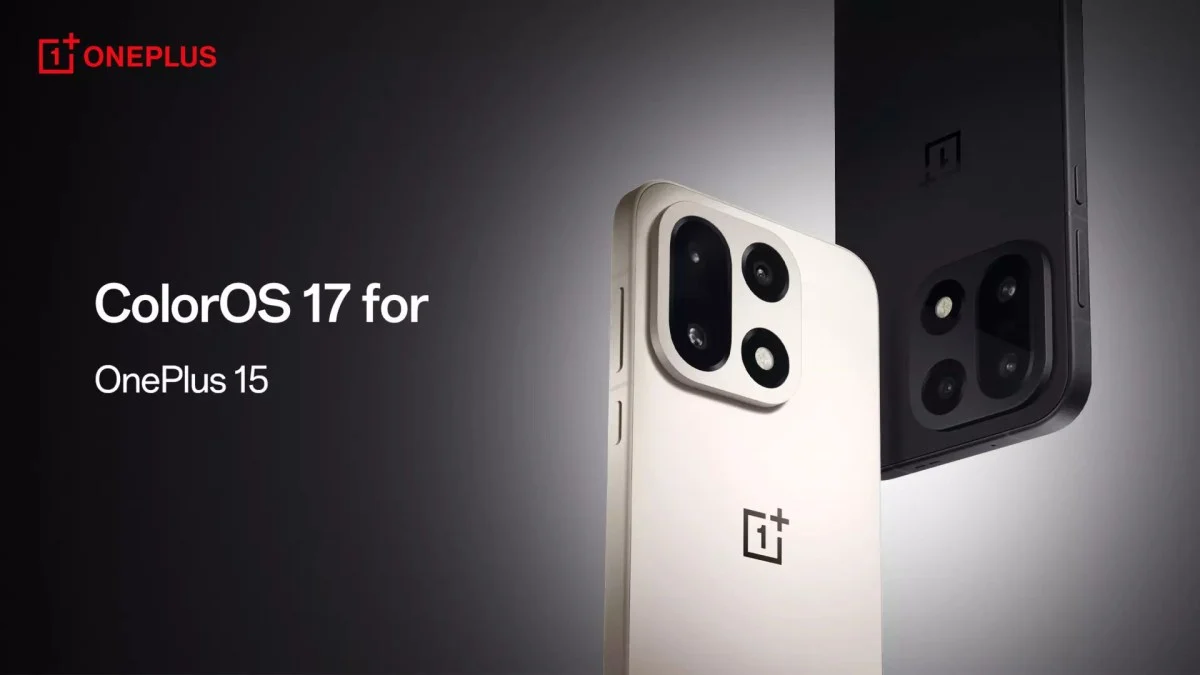
Main Facts: The Shift to ColorOS 17
In a landmark strategic shift that marks the culmination of years of software convergence, OnePlus has officially commenced its global transition from its beloved proprietary skin, OxygenOS, to OPPO’s unified ColorOS platform. This monumental software pivot—first confirmed by the company back in July—dictates that all eligible OnePlus devices worldwide will migrate to ColorOS starting with the Android 17 update cycle.
The rollout has officially broken ground ahead of schedule, with the brand-new OnePlus 15 receiving the stable build of ColorOS 17. Bearing the firmware version CPH2745_17.0.0.102(EX01), this initial deployment currently targets the Indian market, setting the stage for what is expected to be a massive, globally synchronized software migration over the coming months.
For years, OxygenOS and ColorOS shared a common codebase under the hood following the close structural integration between OnePlus and OPPO. However, maintaining two separate user-facing skins created distinct resource overheads and fragmented update paths. By standardizing on ColorOS globally, OnePlus is aligning its software strategy with its corporate parent, promising more unified development, faster security patches, and streamlined feature deployment across all markets.
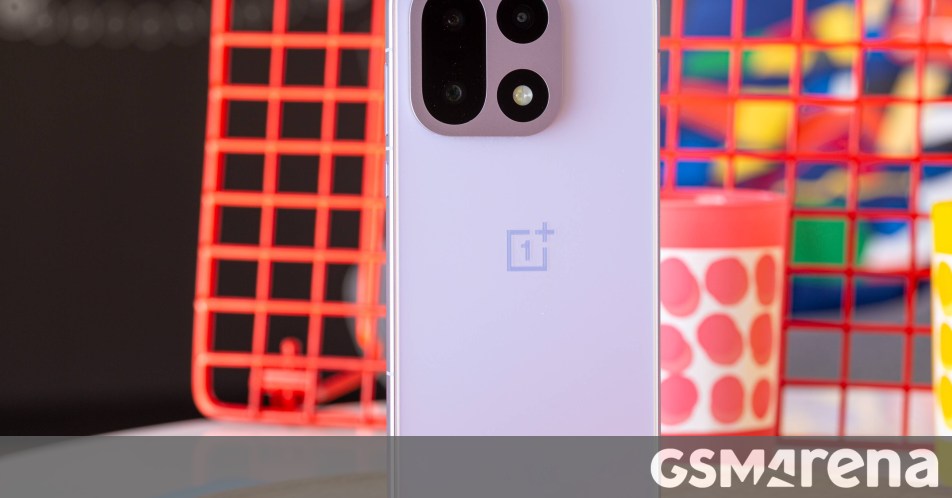
While the long-term implications for the enthusiast community are profound, the immediate story is the sheer volume of upgrades arriving on the OnePlus 15 with ColorOS 17. The update introduces a sweeping visual overhaul, deeply integrated artificial intelligence capabilities, and under-the-hood performance architectures designed to redefine the high-end Android user experience.
Chronology: From Announcements to an Ahead-of-Schedule Release
Understanding the gravity of this software release requires looking back at the timeline of events that brought OnePlus to this juncture.
- July: OnePlus formally confirmed to the tech community that its legacy of distinct regional software skins was coming to a close. The company announced that all eligible devices would permanently make the jump from OxygenOS to ColorOS beginning with the Android 17 release cycle, dissolving the historical software divide between North America, Europe, and Asia.
- Late September / Early October: Official global rollout schedules leaked and subsequently published by OnePlus mapped out the ColorOS 17 deployment timeline. Notably, the flagship OnePlus 15 was explicitly penciled in for an October 29 release date.
- Mid-to-Late October (Present Day): In a rare and pleasantly surprising twist for the mobile industry—where software updates are notoriously plagued by delays—OnePlus has beaten its own projected roadmap by several days. Indian units of the OnePlus 15 are actively pulling down the stable Android 17/ColorOS 17 firmware package.
- The Road Ahead: While Indian users are currently enjoying the stable release, users in North America, Europe, and other global regions remain in a holding pattern. OnePlus has yet to commit to a concrete calendar date for when international variants of the OnePlus 15 and older eligible devices will see the stable build leave beta or regional testing phases.
Supporting Data: Hardware Configurations, Pricing, and Software Capabilities
To contextualize the hardware running this new software architecture, the OnePlus 15 launches with top-tier specifications, now bolstered by the advanced resource-management capabilities of ColorOS 17.

OnePlus 15 Market Availability and Pricing Reference
| Configuration | US Market Pricing (Est.) | Indian Market Pricing | UK Market Pricing (Est.) |
|---|---|---|---|
| 256GB / 12GB RAM | $1,029.00 | ₹85,999 | — |
| 512GB / 16GB RAM | $1,139.00 | — | £979.00 |
What’s New in ColorOS 17: Feature Breakdown
The ColorOS 17 package arriving on the OnePlus 15 is far more than a simple skin swap; it introduces deeply engineered performance layers and advanced machine-learning capabilities:
- Fluid Design & Luminous Rendering Engine: Powered by a brand-new graphics pipeline, the user interface features responsive light effects, physics-based animations, and a heavily redesigned aesthetic for the Lock screen, Quick Settings, and notification shade.
- Laminar Flow Engine: Built to combat micro-stutters, this upgraded system-level architecture dramatically reduces lag during heavy multitasking memory loads, ensuring background applications remain securely cached without draining system resources.
- Mind Pilot (Agent Mode): Taking AI assistants a step further, Mind Pilot includes an autonomous Agent mode capable of executing complex, multi-step tasks independently, such as deep file organization and automated photo curation.
- OSee AI Vision & Advanced Security:
- Document Scanning: Enhanced optical character recognition and scanning pipelines.
- All-New Translate App: Real-time translation capabilities baked natively into the OS.
- AI Face Swap Detection: A critical security feature designed to flag deepfakes and face-swapping manipulation during video calls.
- Scam Call Voice Detection: On-device AI that listens for fraudulent patterns and alerts users to potential voice-phishing (vishing) scams.
- Multi-App Audio Output: A long-requested utility feature that finally enables simultaneous audio streaming and playback from multiple concurrent applications without automatic muting or ducking.
Official Responses and Industry Context
The complete convergence of OxygenOS and ColorOS has long been a polarizing topic among smartphone enthusiasts. When OnePlus first began sharing codebases with OPPO years ago, purists decried the loss of the clean, near-stock Android aesthetic that originally defined the "OnePlus experience."
Historically, OnePlus attempted to appease both camps by maintaining the OxygenOS brand name in international markets—even as the underlying operating system architecture quietly became nearly identical to OPPO’s ColorOS. By formally dropping the charade and officially shifting all branding and development to ColorOS with Android 17, OnePlus is embracing full transparency.

Industry analysts view this as a pragmatic, financial necessity. By consolidating engineering teams, QA testing pipelines, and developer resources under a single software umbrella, OPPO and OnePlus can drastically reduce software maintenance costs while accelerating the delivery of major Android platform updates. Furthermore, by beating their scheduled October 29 roadmap target for the OnePlus 15, OnePlus is signaling to the market that their unified development pipeline is already paying dividends in efficiency and execution speed.
Implications: What ColorOS 17 Means for the Future of OnePlus
The transition to ColorOS 17 carries profound implications for consumers, developers, and the broader smartphone market.
1. The Death of Software Fragmentation
For years, regional software discrepancies frustrated users who noticed that Indian and Chinese variants of OnePlus phones often received features, security patches, and optimizations weeks or months ahead of North American and European units. The global migration to ColorOS implies a standardized, globally synchronized rollout framework. Once international variants receive their stable Android 17 updates, future update cycles are expected to follow a much more uniform path.

2. UI/UX Evolution for Western Consumers
For Western buyers accustomed to the minimalist, near-stock lineage of early OxygenOS, ColorOS represents a stark visual and functional departure. ColorOS leans heavily into deep customizability, vibrant animations, sidebar shortcuts, and expansive ecosystem features akin to iOS or Huawei’s HarmonyOS. While power users may revel in the granular control and extensive feature set, traditionalists may experience a period of adjustment.
3. Accelerated AI Integration
As demonstrated by the inclusion of Mind Pilot, OSee AI vision tools, and advanced scam detection, OnePlus is positioning its hardware at the bleeding edge of consumer AI. Because ColorOS serves as a massive shared platform across OPPO and OnePlus devices, AI innovations developed for flagship handsets can be rapidly scaled down to mid-range devices, elevating the value proposition of the entire product ecosystem.
Looking Forward
As the stable ColorOS 17 build ripples outward from India to the rest of the world, all eyes will be on OnePlus to see how quickly they can service international markets. If the ahead-of-schedule rollout for the OnePlus 15 is any indication, the new unified software strategy may finally deliver the speed and reliability that OnePlus fans have demanded for years—even if it arrives wrapped in a brand-new aesthetic.