


By Editorial Staff
October 26, 2026
For years, the "couch gap"—the mysterious, dark abyss between sofa cushions—has been the primary adversary of the Apple TV user. Today, Apple has officially closed that chapter. With the rollout of iOS 27.2 and tvOS 27.2, the company has integrated second- and third-generation Siri Remotes directly into the "Find My" ecosystem, marking a significant shift in how users manage their home entertainment hardware.
This update represents more than just a software tweak; it is a fundamental maturation of the Apple smart home philosophy, prioritizing device persistence and user convenience in an increasingly complex digital landscape.
Main Facts: Find My Integration Explained
As of Monday, October 26, 2026, users running the latest software updates on their iPhones and Apple TV units will notice a long-requested change: the Siri Remote is no longer a "hidden" device.
Previously, locating a misplaced Siri Remote required navigating to the Apple TV Remote widget within the iOS Control Center. While functional, this method was often counter-intuitive and difficult to access for users who were not tech-savvy or who simply wanted a centralized dashboard for all their belongings.
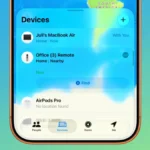
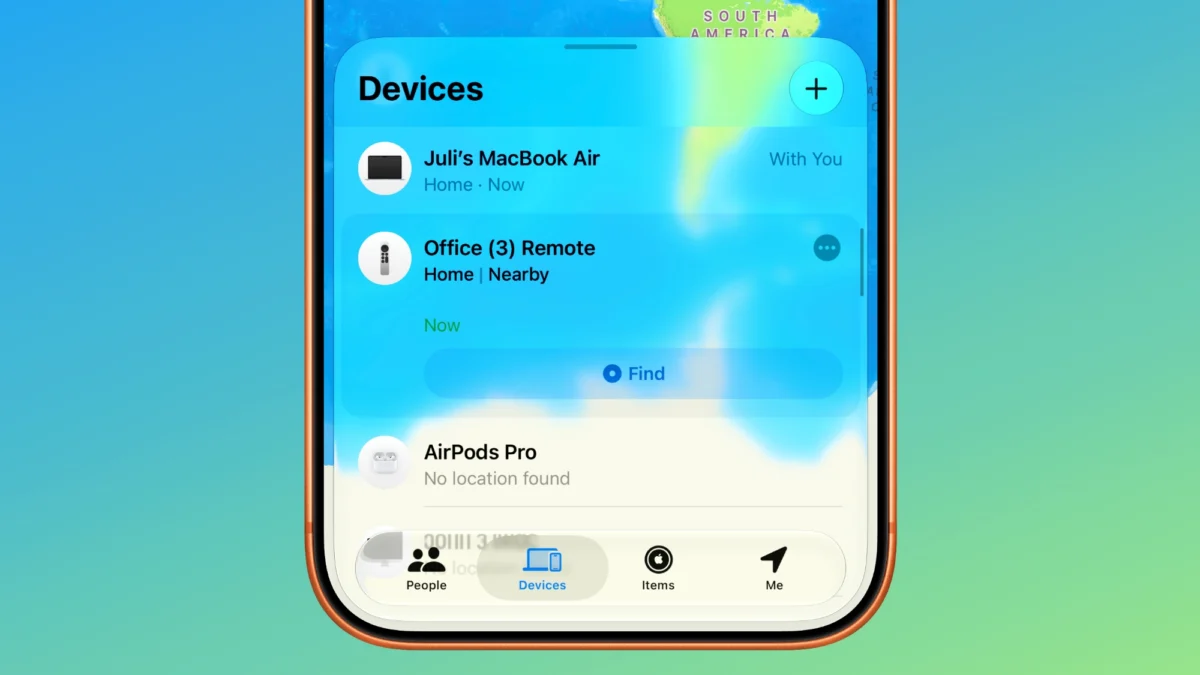
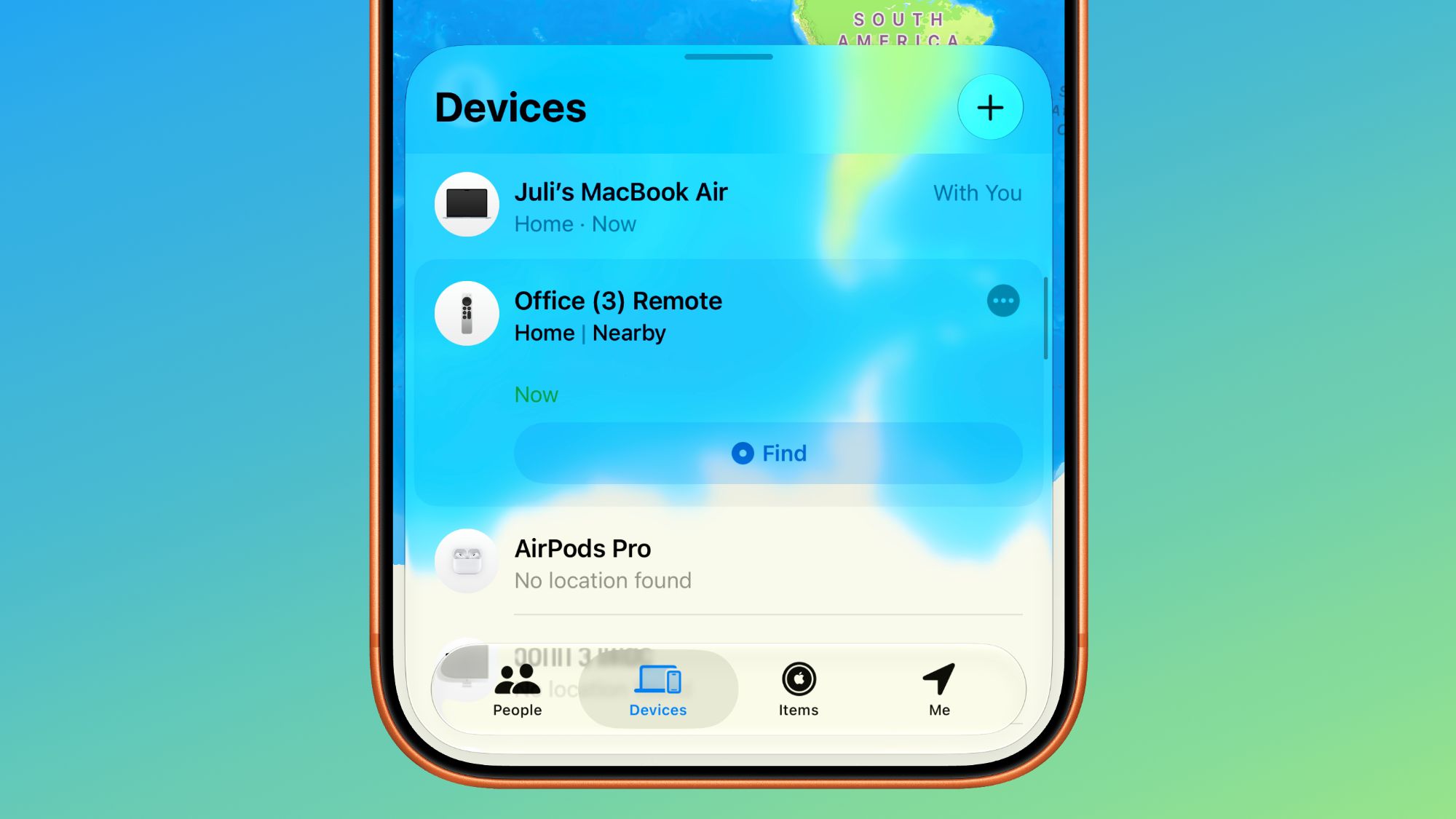
With the new update, the Siri Remote appears as a distinct item within the "Find My" application. This puts the remote on equal footing with AirTags, AirPods, and MacBooks. Users can now view the last known location of their remote on a map, providing a seamless experience that mirrors how one might track a lost pair of headphones.
Key Technical Requirements:
- iOS/tvOS Version: Users must update to version 27.2 or later.
- Hardware Compatibility: The update currently supports second- and third-generation Siri Remotes.
- Firmware Sync: After updating the Apple TV, users may notice a brief delay. This is intentional, as the Apple TV must first push a background firmware update to the Siri Remote itself to enable communication with the Find My network.
A Chronology of the "Lost Remote" Problem
To understand the magnitude of this update, one must look at the evolution of Apple’s remote-tracking capabilities over the last decade.
2017–2020: The "Manual Search" Era
For the first several years of the modern Apple TV 4K, there were no digital tools to locate the remote. If a user lost it, the only solution was manual labor: digging through upholstery or checking under furniture.
2023: The Control Center Integration (iOS 17)
Apple introduced the ability to locate the remote via the Control Center. This was a massive improvement, but it was limited by its lack of visibility. It was a tool buried inside a menu, and for many users, it remained an "undiscovered" feature.
October 2026: The "Find My" Standard
With the launch of the fourth-generation Apple TV 4K earlier this month, Apple signaled a design shift. The new hardware comes with a revamped remote featuring a built-in speaker and "Precision Finding." By extending a version of this tracking capability to older remotes (Gen 2 and 3), Apple has effectively retrofitted millions of households with better management tools.
The Technological Leap: Precision Finding and Beyond
While the 2nd and 3rd-generation remotes benefit from "Find My" network visibility, they lack the physical hardware—specifically the built-in speaker and U1/U2-style ultra-wideband chips—required for the full experience.
The newly released fourth-generation Apple TV 4K, powered by the cutting-edge A19 chip, sets a new benchmark. The remote included with this model features:
- Precision Finding: Using ultra-wideband technology, the iPhone can guide the user to the remote with directional arrows, similar to finding an AirTag.
- Integrated Speaker: The remote can emit a high-frequency sound, audible even from underneath heavy cushions or in adjacent rooms.
- Siri AI Integration: Leveraging the A19’s neural engine, the remote can now process voice commands more locally and effectively, reducing latency significantly.
For those with older hardware, the "Find My" integration in iOS 27.2 offers "Location Pinning." While it won’t make a sound or guide you with an arrow, seeing the remote’s last known location on a map is a massive leap forward from the previous "guess and check" methodology.
Official Stance and Implementation Details
In the announcement following the October 13 product event, Apple executives emphasized that the goal of the 27.2 update was to unify the "Apple Home" ecosystem.
"We want our users to spend less time looking for their devices and more time enjoying their content," said an Apple spokesperson during the post-event briefing. "By treating the Siri Remote as a primary node in our ‘Find My’ network, we are acknowledging that the remote is as essential to the home experience as a set of keys or a wallet."
The Firmware "Handshake"
Apple has noted that the transition to "Find My" compatibility is not instantaneous. Once the Apple TV is updated to tvOS 27.2, the device enters a handshake phase. During this time, the Apple TV communicates with the Siri Remote via Bluetooth to update its internal firmware. During this window—which can last up to 10 minutes—the remote may be temporarily unresponsive. Users are advised to keep the remote within close proximity to the Apple TV during this process to ensure a successful update.
Implications for the Smart Home Market
The integration of the Siri Remote into "Find My" is a strategic move that carries significant weight for the broader smart home industry.
1. Consumer Retention
By providing free, value-added updates to older hardware, Apple reinforces brand loyalty. A user who has a 2nd-generation remote—purchased years ago—now feels that their device has received a "feature upgrade." This keeps users within the Apple ecosystem rather than looking toward third-party streaming sticks or budget smart home solutions.
2. Standardization of Tracking
Apple’s "Find My" network is one of the most robust location-tracking systems in the world. By adding more devices to this network, Apple increases the utility of the service for everyone. If you have an Apple device, your home essentially becomes a beacon for your other belongings.
3. The Future of Peripheral Hardware
This update suggests that Apple is moving away from the "disposable remote" mentality. Future iterations of Apple accessories will likely all feature some form of "Find My" connectivity as a baseline requirement. We are moving toward a future where "misplaced" is a temporary state, easily corrected by a smartphone.
Conclusion: A More Intelligent Living Room
The update to iOS 27.2 and tvOS 27.2 is a testament to the power of software-defined hardware. What was once a simple Bluetooth clicker has been transformed into a trackable asset within a sophisticated global network.
While owners of the new fourth-generation Apple TV 4K get the premium experience of Precision Finding and audible pings, the vast majority of Apple TV users now have a significantly more reliable way to manage their hardware. As we move into the final months of 2026, Apple continues to demonstrate that the most impactful updates are often those that solve the most persistent, mundane frustrations of daily life.
For now, the advice for Apple TV users remains simple: update your devices, check your "Find My" app, and rest easy knowing that the next time your remote slips into the depths of your sofa, you have the technology to bring it back.