







The technology landscape of 2026 finds itself in a state of profound cognitive dissonance. We are currently witnessing an unprecedented explosion in generative artificial intelligence capabilities, a renaissance in wearable health-tracking hardware—exemplified by the latest iterations of the Fitbit Edge and Air series—and a rapid maturation of ambient computing. Yet, this golden age of innovation is simultaneously shadowed by a pervasive sense of societal fatigue. As our devices become more integrated into the biological and social fabric of our lives, the industry is forced to confront a difficult question: Does technology still make us happy, or have we reached a point of diminishing returns?
The Current State of the Tech Industry
The modern consumer is bombarded by a relentless cycle of "upgrades." From smartphones that leverage on-device neural processing to wearables that track biometric data with clinical precision, the barrier to entry for high-end tech has never been lower. However, the narrative surrounding these advancements has shifted. Where once we celebrated the sheer capability of a new processor or the clarity of a display, we now pause to consider the psychological cost.
The rapid deployment of AI-driven tools has sparked a debate regarding human agency. If an algorithm can write our emails, curate our workouts via the Fitbit ecosystem, and manage our schedules, what remains of the human experience? This friction between efficiency and existential purpose is the defining characteristic of the mid-2020s tech environment.
Chronology: From Connectivity to Over-Connectivity
To understand why we feel this "weirdness" in the tech space, we must look at the trajectory of the last decade:
- 2016–2019: The Peak of Social Connectivity. This era was defined by the ubiquity of social media and the "always-on" culture. While connectivity was the goal, it eventually led to the first waves of digital burnout.
- 2020–2022: The Remote Shift. The pandemic forced a total reliance on digital infrastructure. Tech became a lifeline for work, education, and social interaction, permanently altering our relationship with screens.
- 2023–2024: The Generative AI Explosion. The arrival of accessible LLMs (Large Language Models) changed the nature of creative and intellectual labor, introducing both immense utility and deep anxiety regarding job displacement.
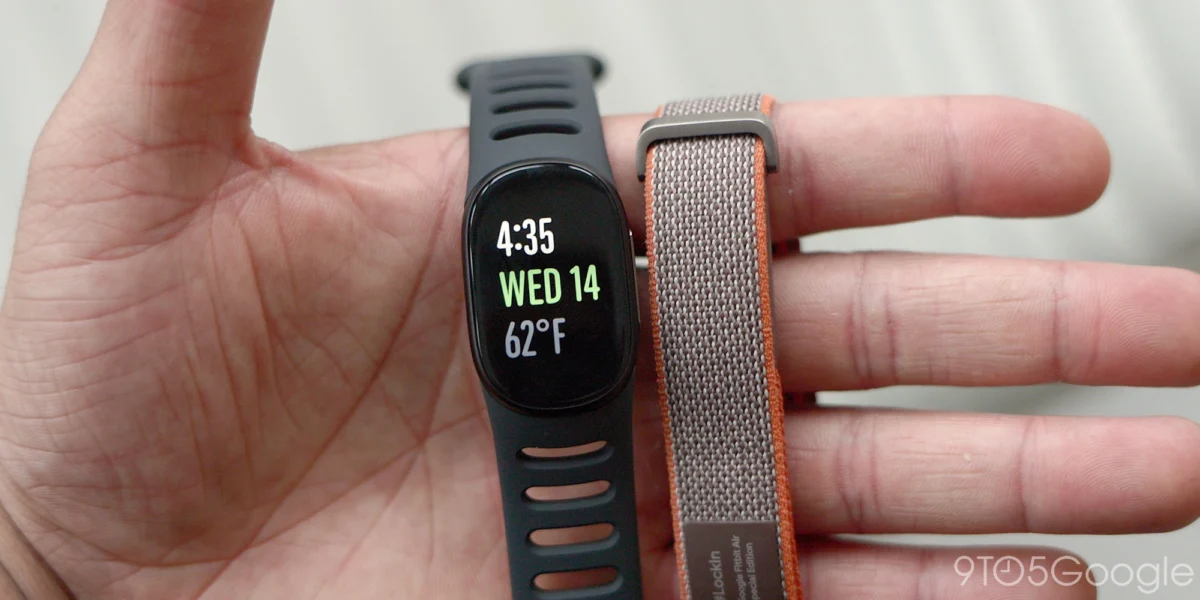
- 2025–2026: The Era of Ambient Intelligence. We have moved beyond the "screen." Wearables like the new Fitbit lineup now emphasize silent, background health monitoring, aiming to integrate tech so deeply that it becomes invisible.
Supporting Data: The Disconnect Between Innovation and Satisfaction
Data from recent consumer sentiment surveys paint a complex picture. While consumer spending on hardware continues to climb, "digital wellbeing" metrics are in freefall.
- Hardware Adoption: According to recent market analysis, wearable technology adoption has increased by 14% year-over-year. Consumers are clearly interested in the health benefits provided by devices like the Fitbit Edge.
- Screen Time Trends: Despite the promise of "digital detox" features, average daily screen time for adults in the U.S. remains at an all-time high of over 7 hours per day.
- The AI Paradox: A 2026 study conducted by the Institute for Digital Ethics found that 68% of respondents believe AI makes their life "easier," yet 55% of that same group reported feeling "more anxious" about the future of their professional and personal lives compared to five years ago.
This data suggests that while we are enjoying the functional benefits of modern technology, we are failing to integrate these tools into a lifestyle that fosters long-term mental health.
Official Responses and Industry Pivots
Industry leaders are beginning to recognize the growing sentiment of "tech-fatigue." In response, major players are pivoting their messaging.
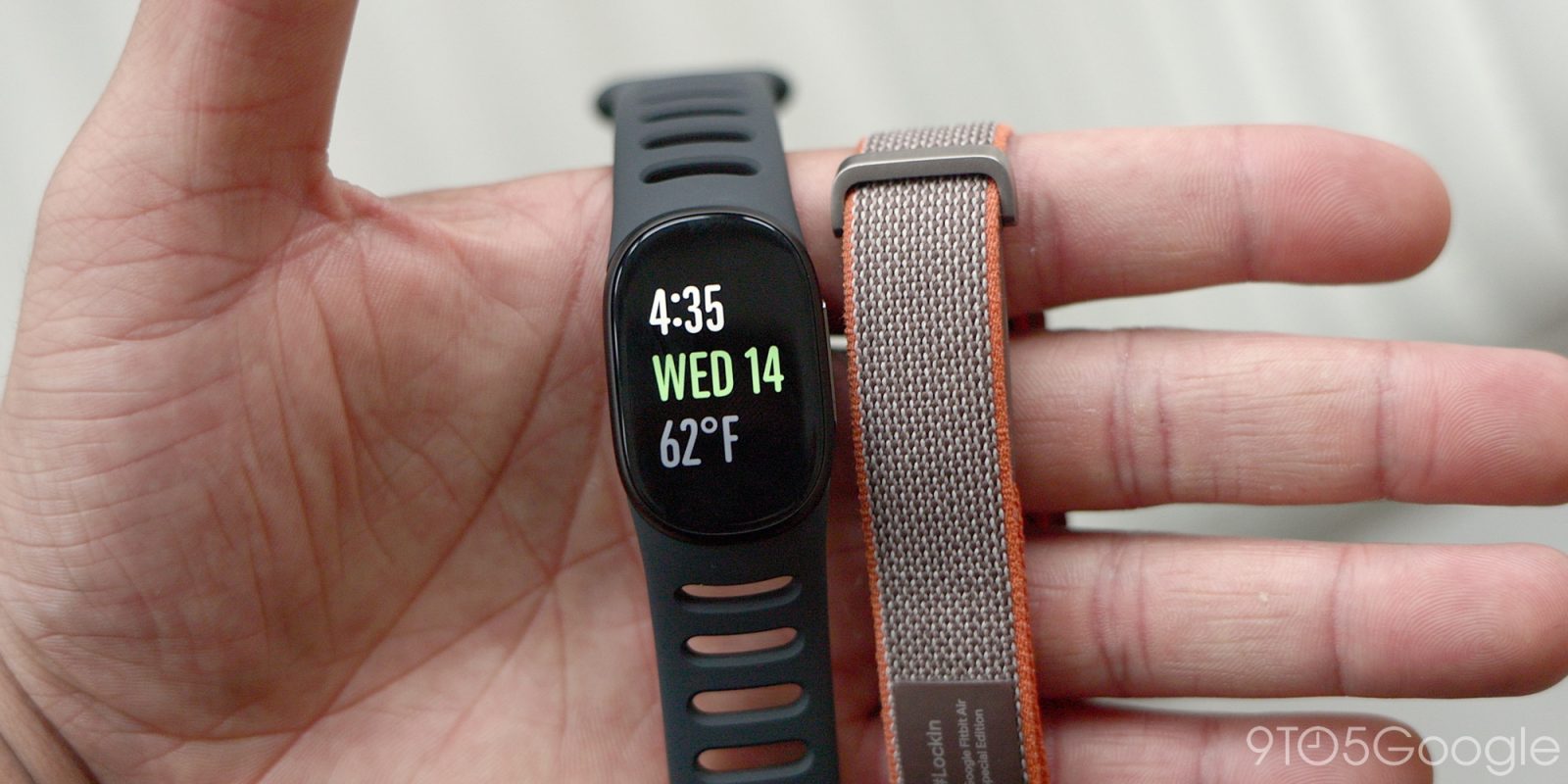
Google’s recent focus, as evidenced by their health-tech strategy, is moving toward "intentional computing." The design philosophy behind the latest Fitbit devices is centered on non-intrusive feedback. Instead of constant notifications that pull the user back into the digital vortex, these devices are designed to provide data summaries only when they are useful, minimizing the "attention economy" drain.
"Our goal is not to have you staring at your wrist," says a lead product strategist at Google. "Our goal is to provide the data that empowers you to live your life without needing to manage the device. The best technology is the kind that you stop noticing."
This pivot represents a broader attempt by Silicon Valley to address the criticism that they have monetized human attention at the expense of human happiness.
The Implications: Where Do We Go From Here?
The feeling of "weirdness" surrounding tech today is likely a necessary growing pain. We are in the transition phase of the Information Age, moving from a period where we were the products of our tools to a period where we are attempting to make our tools subservient to our biological and emotional needs.
1. The Reclamation of Focus
The primary implication for the average user is the need for proactive curation. As AI continues to automate mundane tasks, the value of human focus—deep work, genuine human interaction, and physical presence—will skyrocket. We are seeing a counter-movement: a resurgence in analog hobbies, "dumb phones," and a prioritization of physical experiences over virtual ones.

2. The Health-Tech Integration
The rise of sophisticated wearables like the Fitbit Edge suggests that our relationship with tech will become increasingly biometric. If our devices can warn us of health issues before we feel them, we may shift from a "curative" healthcare model to a "preventative" one. This, in itself, is a massive positive for global happiness, provided we can maintain the boundary between monitoring and surveillance.
3. Societal Polarization
There is an inherent risk of a digital divide. Those who can afford the latest, most "helpful" and "non-intrusive" tech will likely experience a higher quality of life, while those dependent on older, more invasive, and advertisement-heavy tech may continue to suffer the negative psychological effects of the attention economy.
Conclusion: Finding Happiness in the Modern Stack
So, what tech is making you happy right now? The answer for many, as it turns out, is the technology that does its job and gets out of the way.
The most celebrated tech of 2026 isn’t the most powerful or the most flashy; it is the tech that restores agency. It is the noise-canceling headphones that provide peace in a chaotic world; the health tracker that offers peace of mind rather than a notification firehose; and the AI assistant that clears your schedule so you can spend more time away from the digital grid.
As we navigate the rest of the year, the challenge for both manufacturers and consumers is to stop asking what more we can do with technology, and start asking what technology can do to help us be more human. The "weirdness" of the current tech era is simply the sound of the industry trying to recalibrate its compass. If we prioritize intentionality over connectivity, we might find that the tools we’ve built are capable of bringing us joy after all—provided we know when to put them down.