






By Tech & Social Media Desk
Published: May 2026
Main Facts
In a surprising pivot for a platform that built its modern identity around vertical, bite-sized vertical video, Instagram has officially announced that it is embracing long-form, widescreen content. Head of Instagram Adam Mosseri revealed the strategic shift during a joint video discussion with the platform’s Vice President of Product, Tessa Lyons.
The upcoming rollout, internally and externally dubbed "Features," represents a major ideological evolution for the Meta-owned social media giant. For years, Mosseri had openly resisted introducing traditional horizontal, long-form videos to the app, fearing it would dilute the core user experience. However, changing creator habits, audience demands, and a shifting digital landscape have forced a recalibration.
Key takeaways from the announcement include:
- The New Format: Introduction of long-form, widescreen (horizontal) video content to both the mobile application and dedicated television interfaces.
- The Timeline: The feature set is currently entering early testing phases over the next month, with a gradual public rollout anticipated.
- Core Focus Remains: Despite the addition of widescreen video, Instagram executives maintain that short-form Reels will remain at the heart of the platform’s ecosystem.
- The Living Room Push: The expansion ties closely into Meta’s expanding hardware ecosystem, including the recently developed Instagram for TV experiences (such as the Amazon Fire TV collaboration).
Chronology: From Resistance to Acceptance
To understand the weight of Instagram’s latest announcement, it is vital to trace how the platform’s video strategy has evolved over the past decade.
1. The Short-Form Boom (2020–2023)
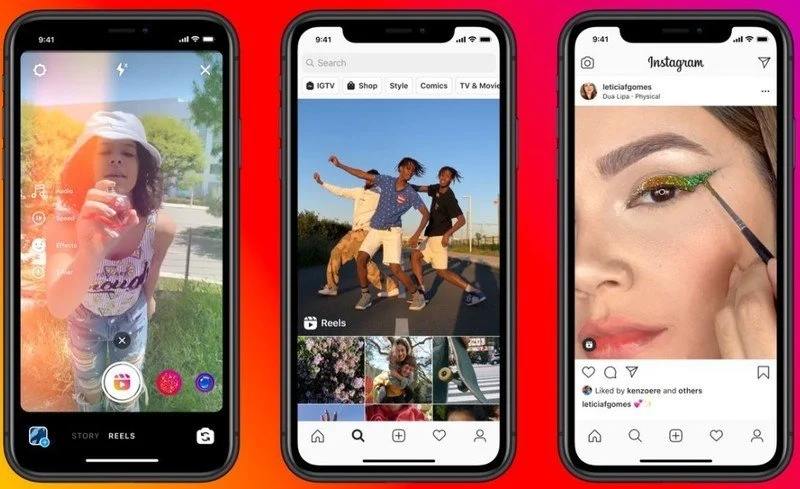
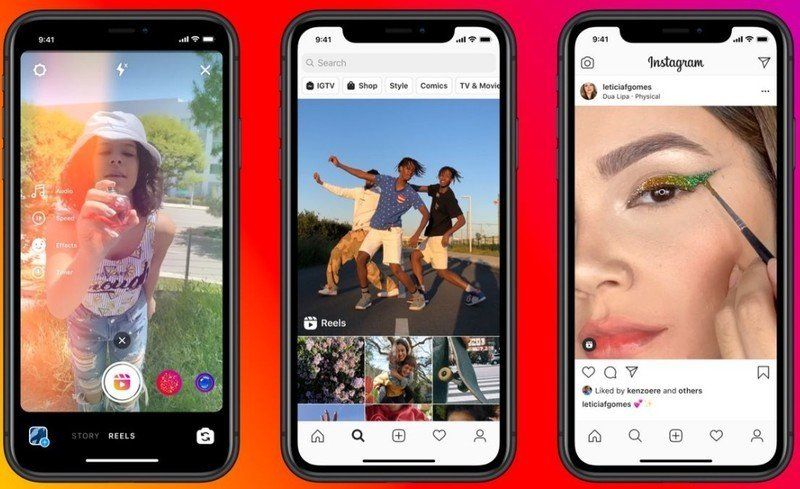
Following the explosive global popularity of TikTok, Instagram aggressively pivoted away from static photo feeds to prioritize video. The introduction of Reels in 2020 changed the trajectory of the app. Instagram aggressively pruned its features, scaling back IGTV (its previous, failed attempt at long-form video) and forcing creators to adopt short, vertical, fast-paced media formats optimized for mobile scrolling.
During this period, Adam Mosseri frequently doubled down on vertical video as the absolute gold standard for digital storytelling, noting that user attention spans and consumption habits were moving away from traditional television-style framing.
2. The TV Integration and Living Room Shift (Late 2025)
A critical turning point occurred toward the end of 2025. Meta and Amazon announced a strategic collaboration launching Instagram for TV, specifically optimized for Amazon Fire TV devices. This app brought the mobile Reels experience onto household living room screens, allowing multiple users to log in, kick back, and consume vertical videos collectively.
However, this living room integration exposed an unexpected data quirk: while viewing figures soared, internal metrics showed a drop in direct, in-app social sharing. When families and friends watched Reels together on a big screen in the same room, they stopped sending links to one another via direct messages (DMs), impacting traditional platform engagement loops.
3. The "Features" Announcement (Mid-2026)
Recognizing that creators were increasingly utilizing diverse mediums that could not be cleanly compressed into 9:16 vertical boxes, Instagram leadership reevaluated its stance. In a digital conversation between Mosseri and Tessa Lyons, the platform pulled back the curtain on "Features," signaling a formal reentry into the long-form, widescreen arena to directly compete with the likes of YouTube.
Supporting Data & Ecosystem Analysis
The decision to introduce widescreen, long-form content is not occurring in a vacuum. It is backed by changing demographic habits and multi-device consumption trends.
- The Multi-Screen Paradox: According to Meta’s internal insights, content consumption is increasingly blurring the lines between mobile apps and living room entertainment systems. Users no longer treat their phones and televisions as entirely isolated silos.
- The Rise of Hybrid Creators: Modern content creators frequently produce cinematic, horizontal pieces for desktop-centric platforms like YouTube, while simultaneously hacking them down into vertical clips for TikTok, Shorts, and Reels. By supporting widescreen natively, Instagram aims to capture these full-length productions directly.
- Hardware Partnerships: The infrastructure for "Features" heavily relies on cross-device compatibility. With the Instagram TV app allowing up to five accounts to share a single viewing space, the addition of long-form horizontal content transforms Instagram from a quick-hit mobile diversion into a viable lean-back streaming competitor.
Official Responses and Executive Insights
The leadership team behind Instagram has been remarkably transparent about the internal debates that preceded this strategic shift.
In their joint announcement video, Adam Mosseri admitted to his historical skepticism regarding horizontal video:
"For a long time, I’ve been against this type of content on Instagram… We wanted to protect the friend connection aspect that defines our community."
Mosseri noted that maintaining the delicate social fabric of Instagram—where users connect primarily through direct interactions, shares, and comments—was his primary concern. However, he emphasized that the platform had to adapt to how stories are genuinely being told today:
"It’s early, and we’re testing and listening to feedback as we go. This new format needs to become symbiotic with short-form video rather than working against it."
Tessa Lyons, Vice President of Product at Instagram, expanded on the creative motivations driving the update, stating:
"Creativity is so much more than just short-form video, or just posts and carousels. Creators are telling stories in so many different ways, and we need to provide the architectural space for that depth."
Lyons explicitly reassured the user base that Reels are not going anywhere, emphasizing that short-form content will remain the "core" anchor of the app while widescreen options serve as an additive, deeper experience.
Implications for Creators, Advertisers, and Users
The integration of long-form, widescreen content into Instagram carries profound implications for the digital media landscape.
1. For Creators
- Reduced Friction: Creators who historically had to split their content pipelines—rendering horizontal cuts for YouTube and vertical cuts for Instagram—can now potentially host their comprehensive, high-production-value libraries in a single ecosystem.
- New Monetization Avenues: Long-form video traditionally yields higher ad-revenue payouts and longer watch times, which could open up lucrative new monetization programs for Instagram creators who have previously relied entirely on brand sponsorships and short-form bonuses.
2. For Competitors (YouTube and TikTok)
- Direct Challenge to YouTube: By embracing widescreen and long-form formats—especially with a robust television app ecosystem—Instagram is positioning itself as a direct competitor to YouTube’s living room dominance.
- The Convergence of Formats: As TikTok experiments with longer video durations and horizontal options, and Instagram embraces widescreen, the major social networks are increasingly looking like generalized video hubs rather than single-format apps.
3. For Everyday Users
- A Blended Experience: Users should expect their feeds to undergo gradual testing phases over the coming month. While quick Reels will still dominate mobile scrolls, encountering cinematic, horizontal videos—particularly when using the app via connected TV devices—will become commonplace.
- The Re-engagement Challenge: Instagram will need to carefully tune its algorithms to ensure that the introduction of passive, long-form viewing does not completely erode the active, peer-to-peer social sharing that originally made the platform a cultural phenomenon.
As Instagram rolls out its initial testing phase over the next month, the tech world will be watching closely to see whether users embrace the return of the widescreen layout or if the ghost of IGTV haunts Meta’s latest multi-screen endeavor.