






Introduction: The High-Stakes Debut of Apple’s First Foldable
The launch of a new Apple product has historically been accompanied by long queues, glowing reviews, and widespread consumer adoration. However, the rollout of the tech giant’s highly anticipated foldable device—the iPhone Duo—has taken a turbulent turn. Just days after hitting the market, early adopters have taken to social media and technology forums to report a critical hardware failure: the fracturing of the device’s flexible inner display, apparently tied to a structural defect within the hinge mechanism.
Apple has officially broken its silence regarding the escalating controversy. In an exclusive statement provided to industry publication 9to5Mac, the Cupertino-based company acknowledged the problem, reassured the public regarding the overall reception of the device, and outlined immediate remediation steps for affected consumers.
This comprehensive report examines the core facts of the iPhone Duo display failures, details the chronology of events leading up to Apple’s official response, analyzes the underlying hardware concerns, reviews the official statements from the manufacturer, and explores the broader market implications for Apple’s maiden voyage into the foldable smartphone segment.
Main Facts
The Core Problem: Hinge Resistance and Screen Fractures
The issue centers on the iPhone Duo’s flexible inner OLED panel. According to numerous user reports, the failure typically occurs during routine operation—specifically, when unfolding the device.
- The Trigger: Users have reported feeling abnormal physical resistance or a "binding" sensation while attempting to open the device.
- The Failure Point: This resistance is immediately followed by an audible "popping" or "snapping" sound originating from the mechanical hinge assembly.
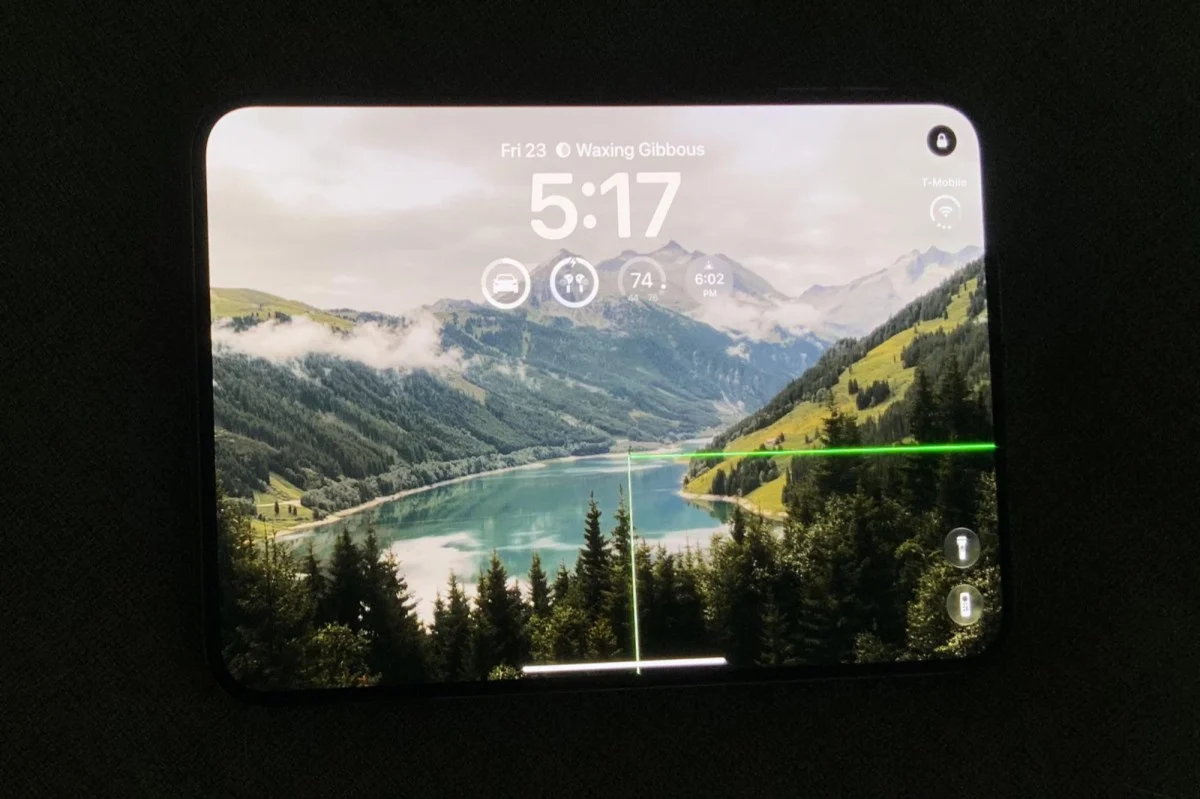
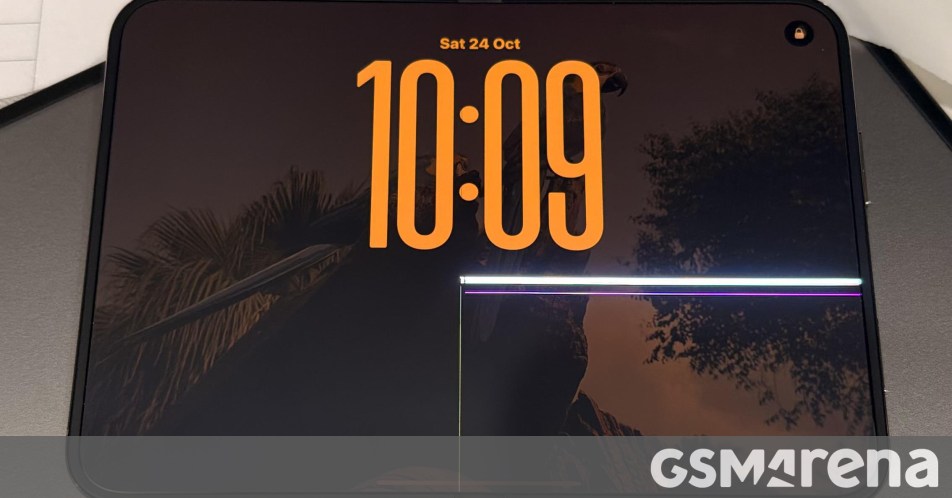
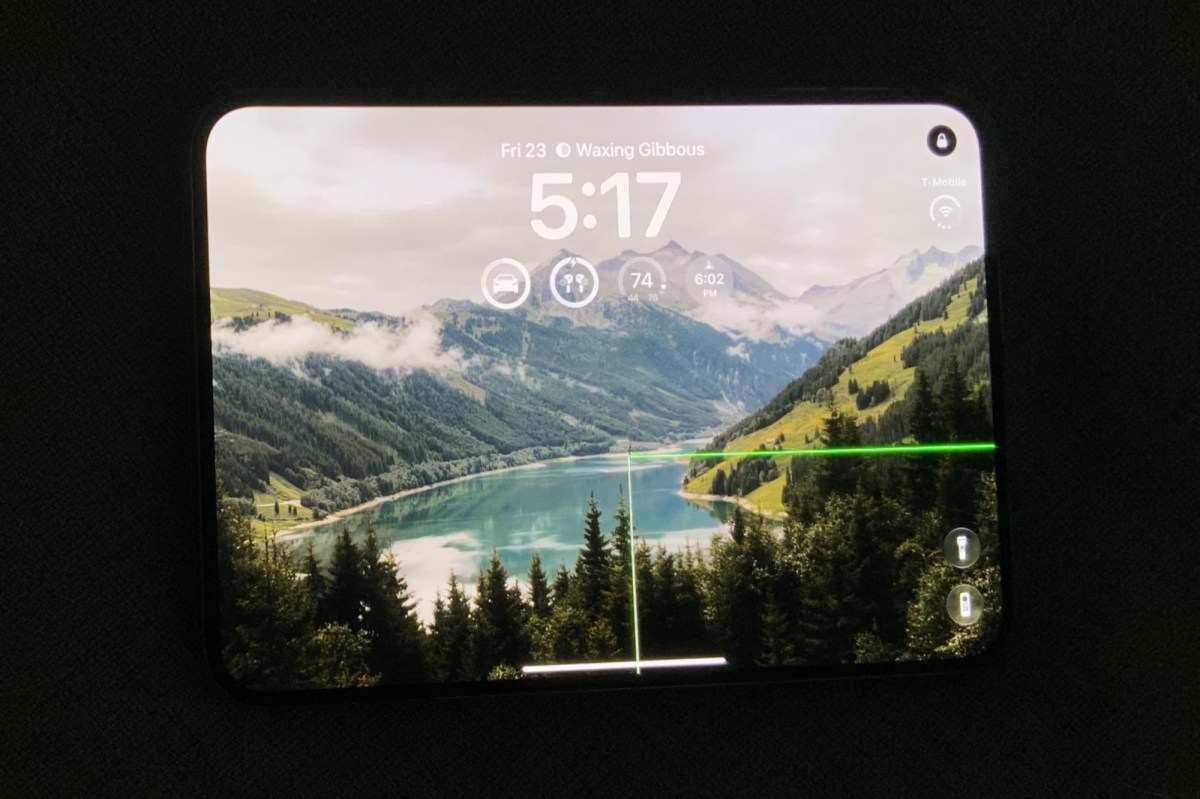
- The Result: Concurrently with or immediately after the sound, the flexible inner display sustains catastrophic physical damage, manifesting as dead pixels, bleeding OLED fluid, severe light distortion, or a definitive physical crack running vertically along the crease line.
Apple’s Official Response
Faced with mounting public pressure and viral video evidence across platforms like X (formerly Twitter), Reddit, and TikTok, Apple issued a formal statement clarifying its position:
"The response to iPhone Duo from early users has been incredibly positive, and we are seeing exciting things from developers who are rapidly updating their apps to take advantage of its unique form factor. We are aware of an issue impacting the inner display on a small number of iPhone Duo units. If users experiences issues with their iPhone Duo display, they should contact AppleCare for a replacement."
While the company has officially recognized the hardware failure, it has not yet published a detailed technical root-cause analysis explaining why the hinge mechanism exhibits this resistance or how it exerts lethal pressure on the inner screen substrate. Furthermore, Apple maintains that the defect impacts only a "small number" of units, though independent industry analysts note it is too early in the device’s lifecycle to verify statistical failure rates accurately.
Chronology of Events
To understand how the iPhone Duo display controversy escalated from isolated customer complaints to a mainstream tech news cycle, it is necessary to trace the timeline of events.
Phase 1: The Launch and Initial Optimism
- Late October 2026: The Apple iPhone Duo officially launches globally. Retailing at a steep entry point—starting at £1,999 / €2,299 for the base 256GB/12GB RAM model and scaling up to £2,199 / €2,549 for the 512GB variant—the device is positioned strictly in the ultra-premium foldable tier.
- First 48 Hours: Early reviews praise the Duo for its hardware refinement, iOS optimization for dual screens, and industrial design. Developers rush out software patches to leverage the unfolding canvas.
Phase 2: The Grassroots Backlash
- Day 3 Post-Launch: The first reports trickle onto consumer forums and social media. Users post high-resolution photographs and video clips of their brand-new, highly expensive iPhones rendered useless within days—or sometimes hours—of unboxing.
- Day 4 Post-Launch: Media outlets, including GSMArena, pick up the trending complaints, highlighting the apparent correlation between hinge resistance and the subsequent destruction of the internal OLED matrix. Public scrutiny intensifies, putting pressure on Apple’s public relations and technical support teams.
Phase 3: The Corporate Acknowledgement
- Day 5 Post-Launch: Apple issues its official statement to 9to5Mac. The company acknowledges the hardware failure publicly for the first time, shifts messaging toward the device’s broader success and developer enthusiasm, and directs affected consumers straight to AppleCare for expedited device replacements.
Supporting Data and Pricing Structure
The financial stakes of this hardware glitch are extraordinarily high. The iPhone Duo is not a mass-market budget experiment; it is a luxury halo product targeting power users, enterprise executives, and early-adopting Apple loyalists willing to pay top dollar for cutting-edge form factors.
Below is the official retail pricing breakdown for the iPhone Duo across key launch markets:
| Storage & Memory Configuration | United Kingdom Pricing (GBP) | European Union Pricing (EUR) |
|---|---|---|
| 256GB Storage / 12GB RAM | £1,999.00 | €2,299.00 |
| 512GB Storage / 12GB RAM | £2,199.00 | €2,549.00 |
Note: These pricing tiers reflect baseline offers from authorized retail and affiliate partners at the time of publication. Consumers purchasing these devices expect flawless reliability commensurate with a two-thousand-dollar investment.
Given the premium price tag, consumer tolerance for structural hardware flaws is remarkably low. When a device commands a price equivalent to a high-end gaming laptop or a used automobile, any failure of the core structural interface—such as a folding hinge—threatens to erode consumer trust rapidly.
Official Responses and Remediation Pathways
What Apple is Telling Customers
Apple’s official remedy is clear, if minimalist: Contact AppleCare immediately.
The company has not issued a product recall, nor has it advised users to stop using their devices altogether. Instead, it is treating the situation as a standard warranty replacement issue, albeit one requiring priority handling given the high-profile nature of the product.
Industry analysts recommend that any user who notices unusual resistance, grinding noises, or stiffness when unfolding their iPhone Duo should proactively document the issue, back up their data immediately (if accessibility allows), and initiate an AppleCare claim. Waiting to see if the hinge "breaks in" naturally appears to be a high-risk gamble that frequently ends in a shattered inner display.
The Technical Silence
Noticeably absent from Apple’s corporate statement is any explanation regarding manufacturing defects, quality control lapses during assembly, or design flaws in the hinge’s internal gearing or tensioners. Historically, Apple prefers to manage hardware failures quietly through its support infrastructure rather than engaging in deep public technical post-mortems—unless regulatory bodies or catastrophic safety concerns force their hand.
Implications for Apple and the Foldable Market
The iPhone Duo display controversy carries profound implications that extend far beyond a few hundred damaged units.
1. The Challenge of Form Factor Maturation
For years, critics accused Apple of lagging behind Android competitors like Samsung, Google, and OnePlus, all of which released multiple generations of foldable devices before Apple entered the fray. Apple’s defense has always been patience: waiting until the technology matures sufficiently to meet the company’s strict durability and usability standards.
The fact that the iPhone Duo is experiencing foundational hinge-related display failures out of the box suggests that mastering the physics of foldable glass and mechanical hinges remains an uphill battle, even for the world’s most valuable technology corporation. It proves that foldable engineering introduces failure vectors that traditional slate smartphones simply do not face.
2. Brand Reputation and Consumer Confidence
Apple’s brand equity is built on an aura of "it just works." When a consumer spends upwards of £2,000 on an Apple device, they are paying as much for peace of mind as they are for silicon and glass. Incidents like the iPhone Duo display cracking threaten to puncture that aura, drawing unfavorable comparisons to the early, troubled days of Android foldables (such as the original Samsung Galaxy Fold launch issues in 2019).
How swiftly and painlessly Apple handles the replacement logistics for affected users will dictate whether this incident becomes a minor blip in the product’s history or a persistent stain on its reputation.

3. Developer and Ecosystem Momentum
Despite the hardware hiccup, Apple’s statement highlights an important silver lining: developer adoption. Foldable devices live and die by software optimization. If third-party applications fail to scale gracefully across dual screens and unfolding ratios, the hardware loses its primary utility. Apple’s emphasis on rapid app updates indicates that the software ecosystem is rallying behind the Duo form factor faster than anticipated, providing a crucial counterbalance to the hardware complaints.
Conclusion
The iPhone Duo represents a bold new chapter for Apple, but its initial steps have been tripped up by the unforgiving realities of mechanical hinge engineering. While Apple has taken a pragmatic approach by acknowledging the problem and steering users toward AppleCare replacements, the lack of a transparent technical explanation leaves room for ongoing consumer anxiety.
As early adopters test the limits of their replacement units, all eyes will remain on Apple’s manufacturing lines to see if subsequent batches of the iPhone Duo feature silent, unannounced hardware revisions to permanently resolve the hinge resistance issue. In the meantime, anyone experiencing a stiff hinge or suspicious popping sounds is strongly advised to heed Apple’s advice and secure a replacement before their warranty window or patience runs out.
Have you purchased an iPhone Duo? Have you encountered any resistance in the hinge or display anomalies? Let us know your experience in the comments below.