







Search Engine Optimization (SEO) has evolved from the "Wild West" era of the 1990s—where keyword stuffing and invisible text were the industry standards—into a sophisticated, data-driven discipline. Today, SEO is not merely about "gaming" an algorithm; it is a fundamental business strategy focused on providing the best possible answer to a user’s query. As search engines like Google grow increasingly adept at understanding human intent, the barrier to entry has shifted from technical manipulation to a holistic focus on quality, authority, and user experience.

The Core Concept: What is SEO?
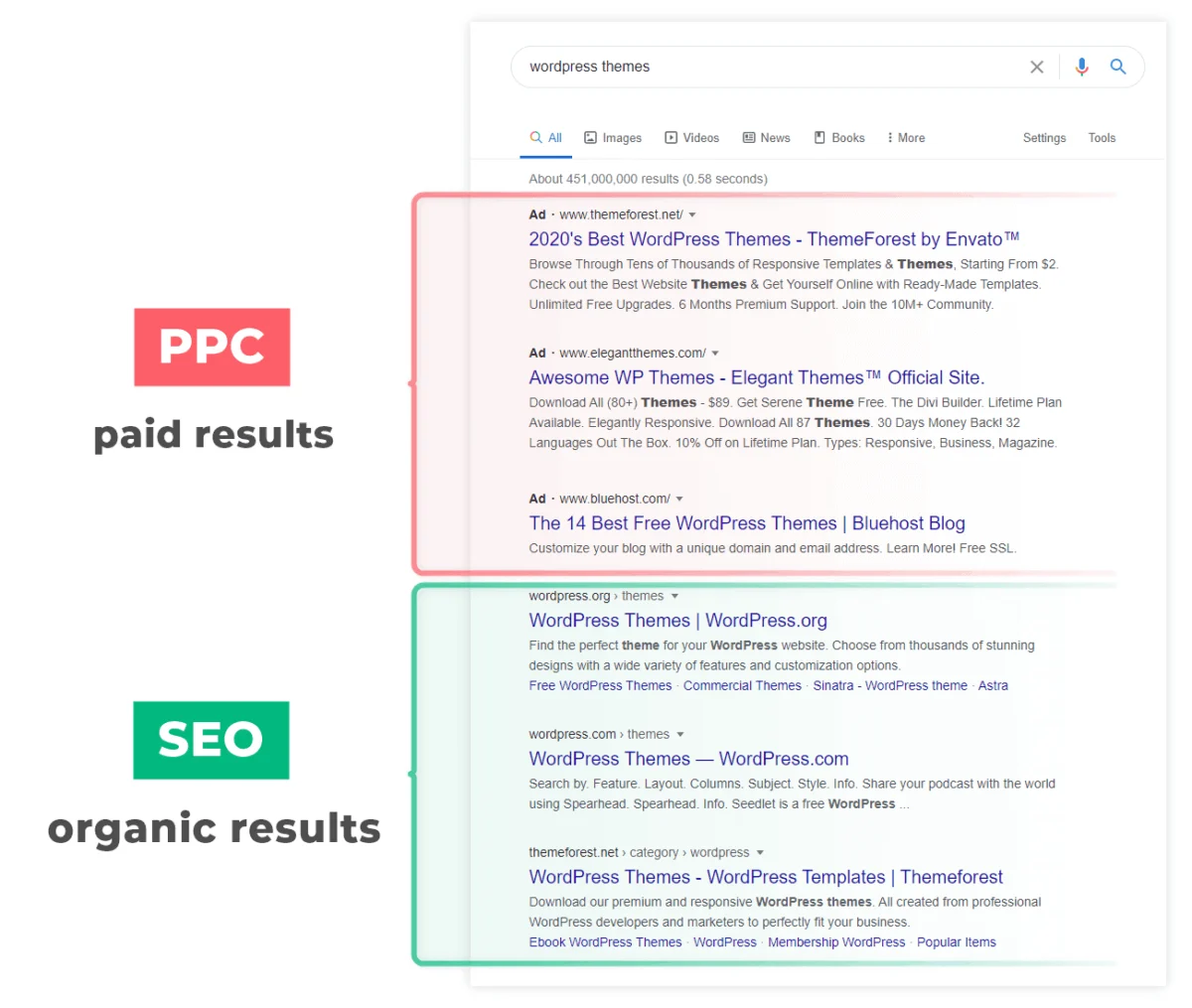
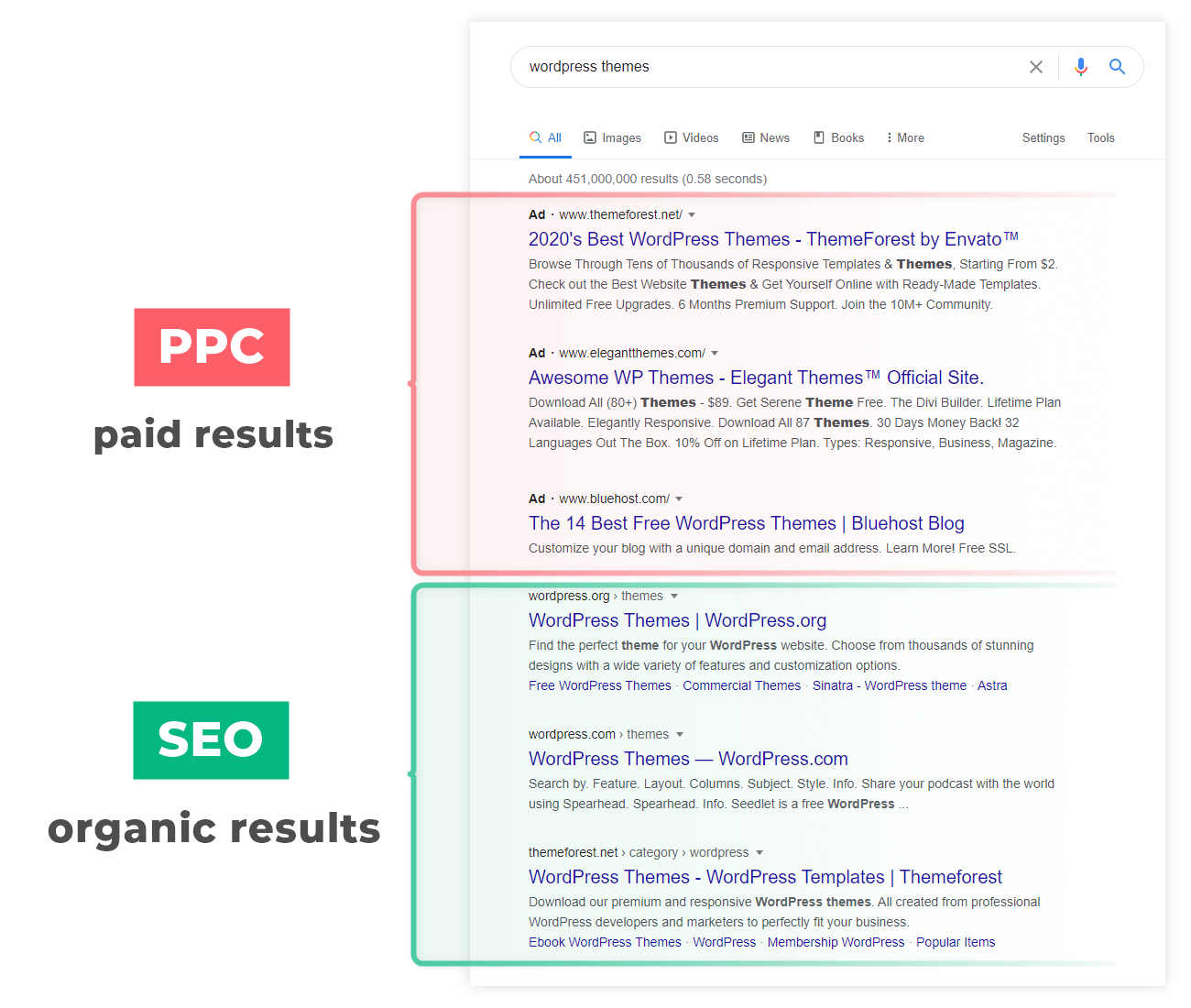
At its simplest, Search Engine Optimization is the practice of enhancing a website to improve its visibility in organic (non-paid) search results. While Search Engine Marketing (SEM) encompasses both SEO and Pay-Per-Click (PPC) advertising, SEO focuses exclusively on the earned traffic that arrives through unpaid queries.
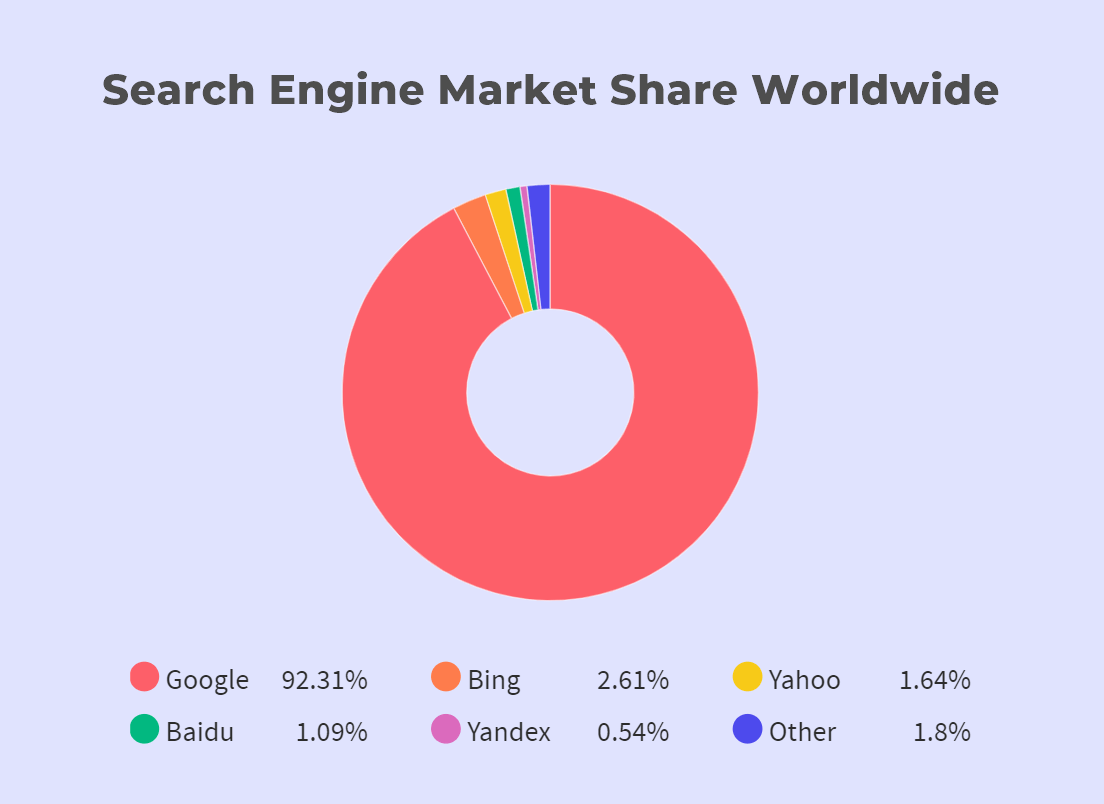
Every time a user enters a search, they are seeking a solution, a product, or information. Your goal as a website owner is to provide the definitive answer to that "something." If Google views your site as a credible, high-quality source, it will rank you higher for relevant queries. Given Google’s near-monopoly on global search traffic, many experts now refer to the field as "Google Optimization," though the principles of structured, high-value content remain universal across all search platforms.
The Mechanics of Search: How Engines Work
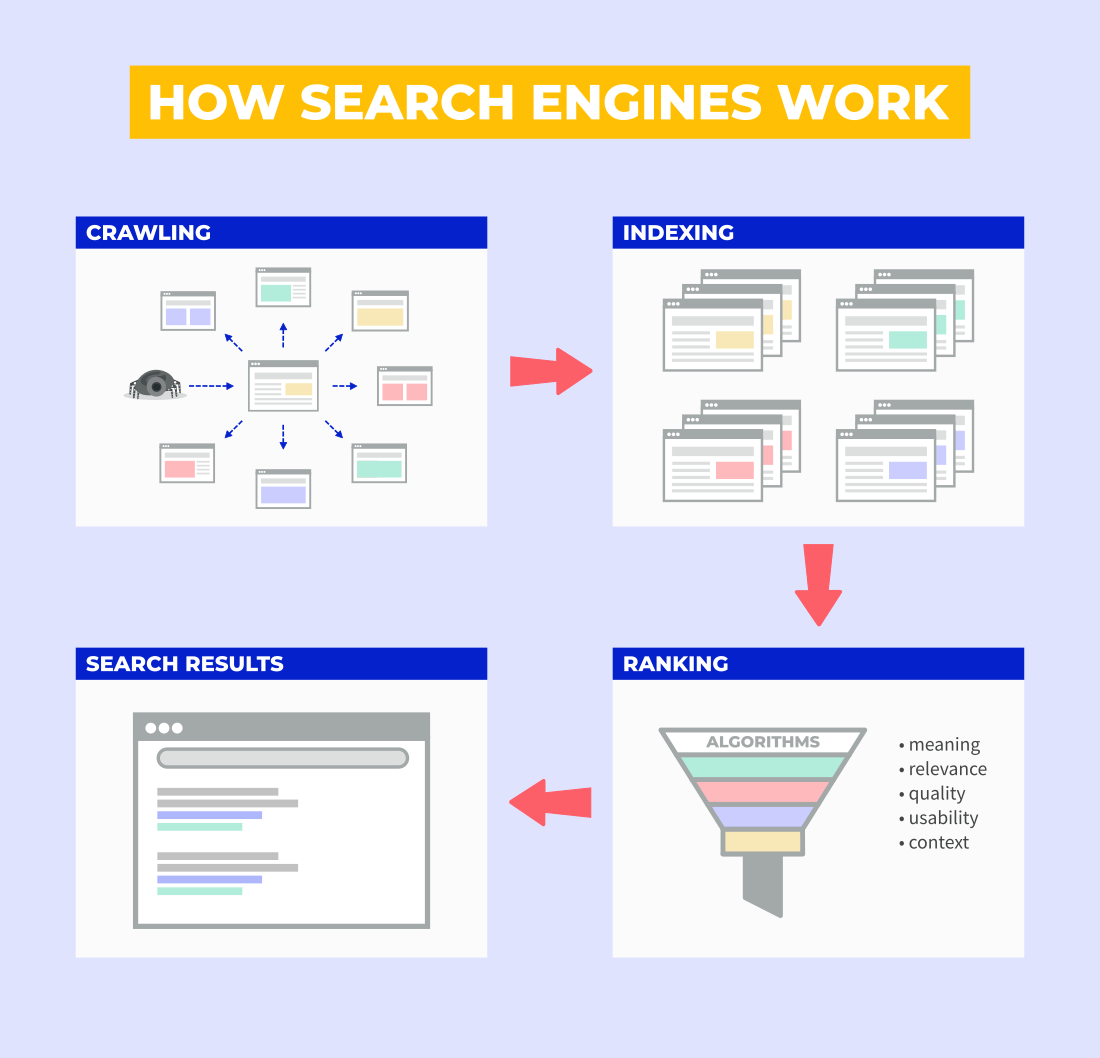
Understanding the life cycle of a web page is critical for any SEO practitioner. The process is defined by four distinct stages:
- Crawling: Search engines deploy automated programs, known as "crawlers" or "bots," to scan the web. They follow hyperlinks from page to page, discovering new content and tracking updates to existing pages.
- Indexing: Once a page is discovered, it must be analyzed. Google categorizes the page and stores it in its massive index—a library of billions of web pages.
- Picking the Results: When a user enters a query, the search engine scans its index to pull the most relevant, high-quality results. This list is known as the Search Engine Results Page (SERP).
- Serving: The results are presented to the user based on complex ranking algorithms.
The Algorithm and Quality Control
Google’s search algorithm is a dynamic, AI-driven entity that considers hundreds of ranking factors. While minor updates occur daily, Google rolls out several "Core Updates" each year, which significantly reshape the search landscape. To ensure quality, Google also employs thousands of human "Search Quality Raters." These individuals follow strict guidelines to evaluate search results, particularly for "YMYL" (Your Money, Your Life) topics—content that could impact a user’s health, safety, or financial well-being.
The Pillars of SEO Strategy
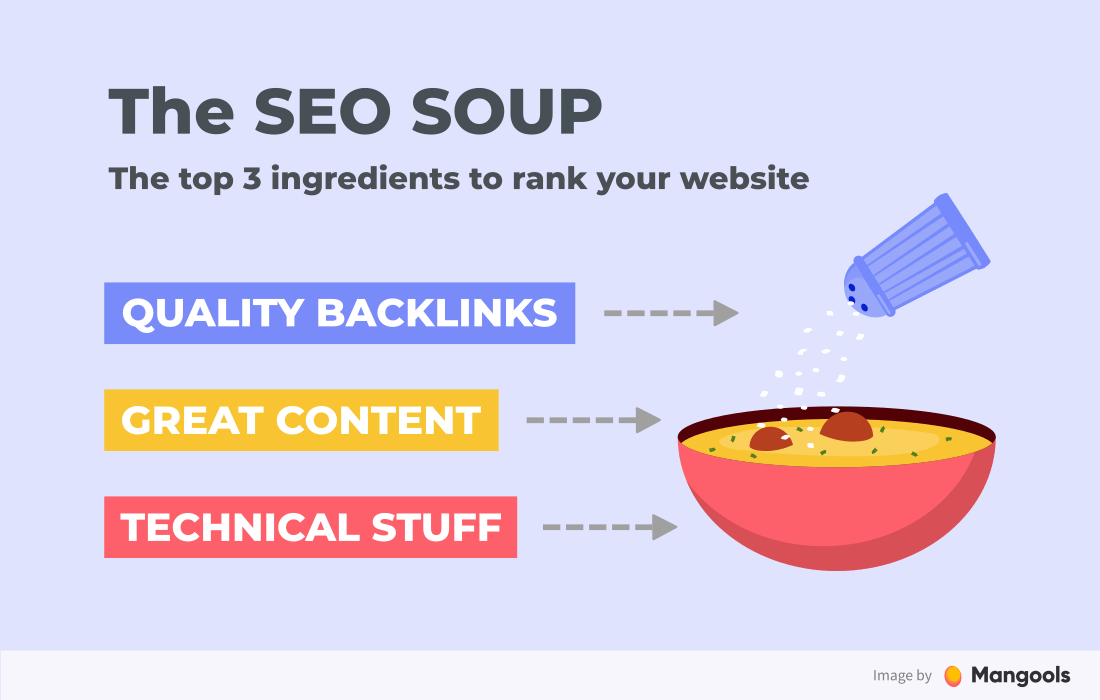
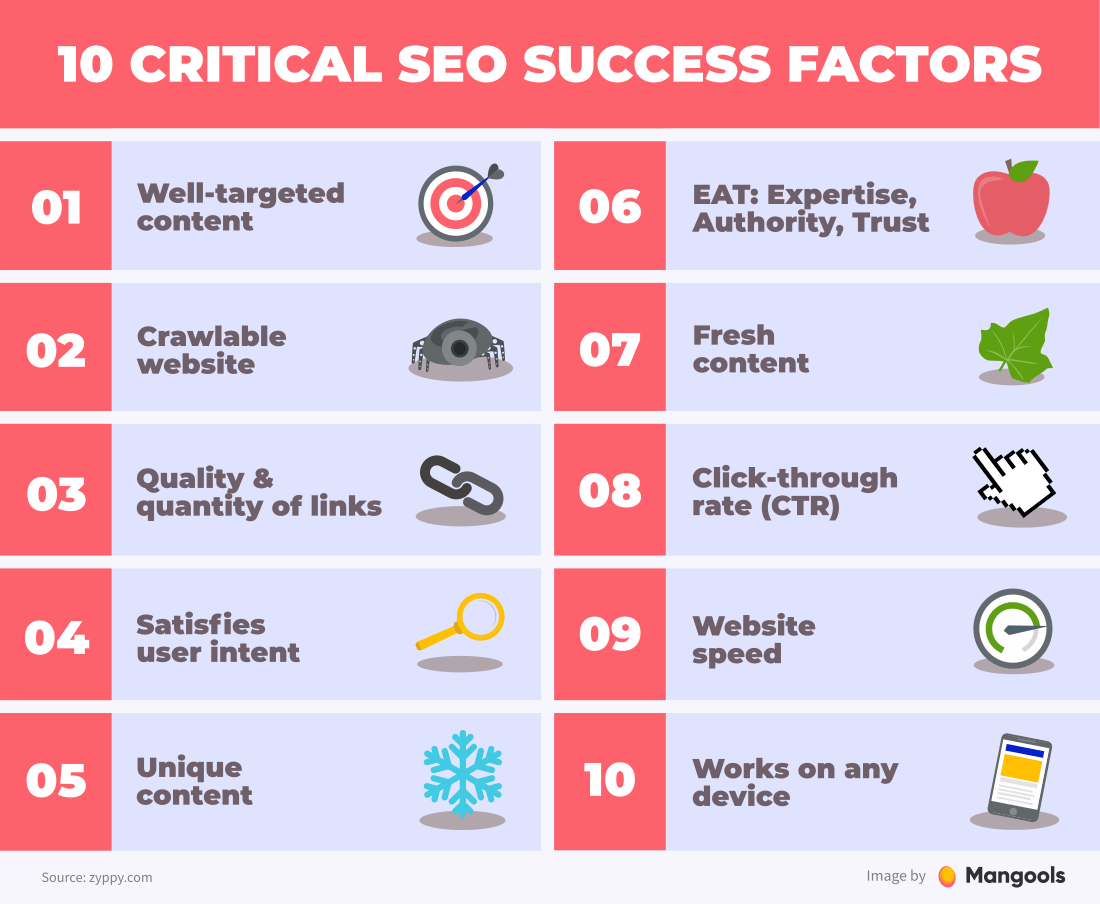
For a website to succeed, it must balance three critical pillars, often referred to as the "SEO Soup."
1. Technical SEO
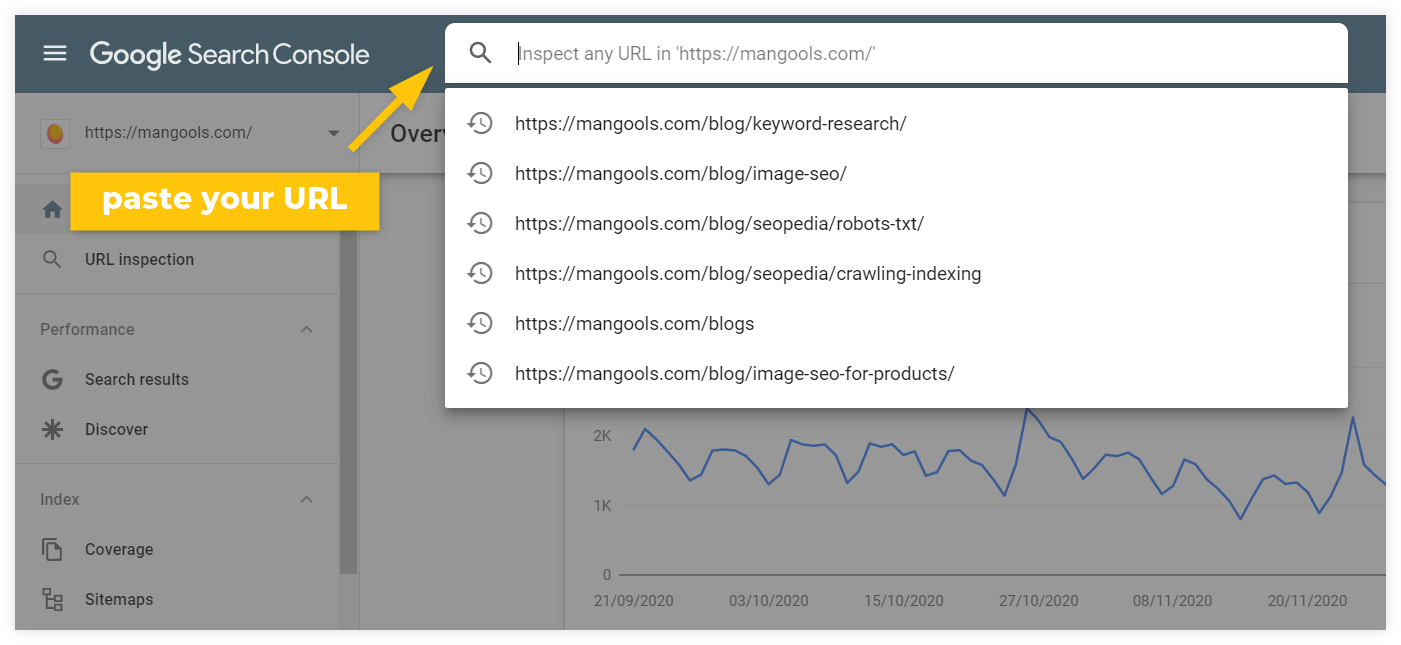
This refers to the behind-the-scenes infrastructure of your site. It includes page speed (a confirmed ranking factor), mobile-friendliness (due to mobile-first indexing), and security (HTTPS). If your site is slow, non-responsive on mobile devices, or insecure, the algorithm will penalize it, regardless of how good the content is.
2. On-Page SEO
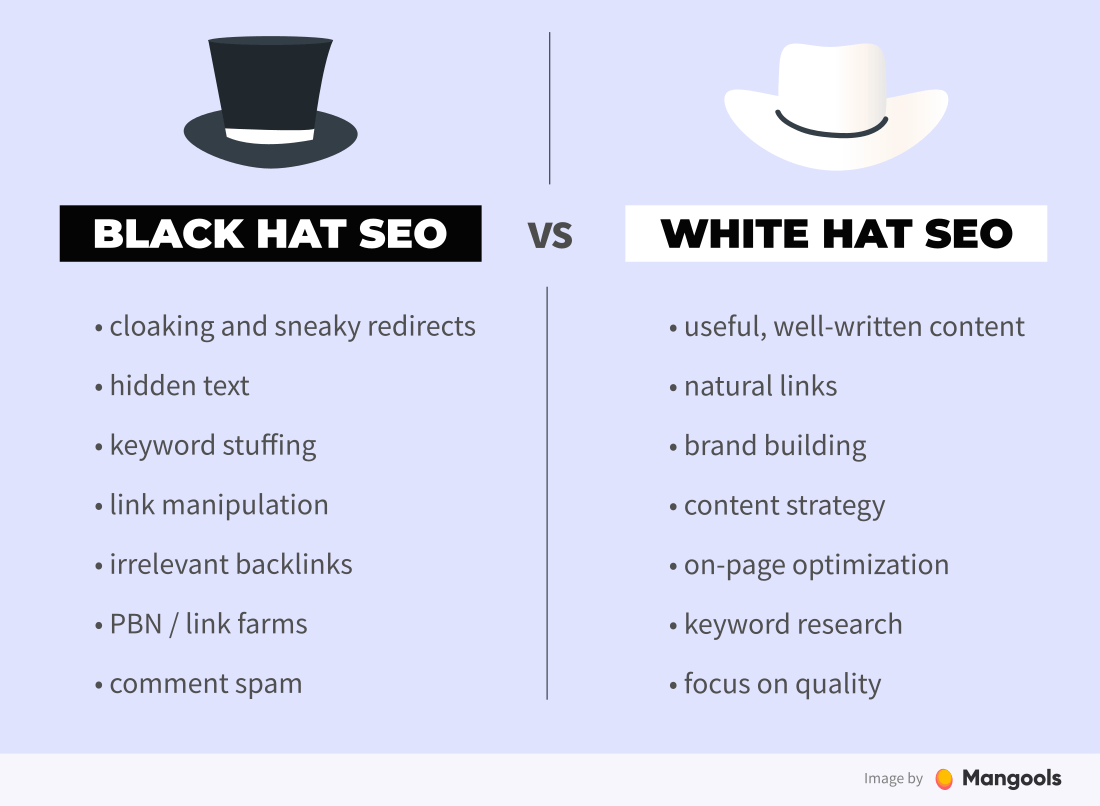
This involves optimizing individual pages to rank for specific keywords. The "1 page = 1 topic = 1 focus keyword" rule is the golden standard. You should place your focus keyword in key locations: the Title Tag, Meta Description, URL, H1 heading, and image Alt text. However, "keyword stuffing" is a relic of the past; the focus must remain on natural, user-oriented writing.
3. Off-Page SEO
This is about building authority through backlinks. A backlink is essentially a "vote of confidence" from one site to another. Google treats these as academic citations; the more quality, relevant sites that link to yours, the more "link equity" or "authority" your domain possesses.

Keyword Research: The Foundation of Success
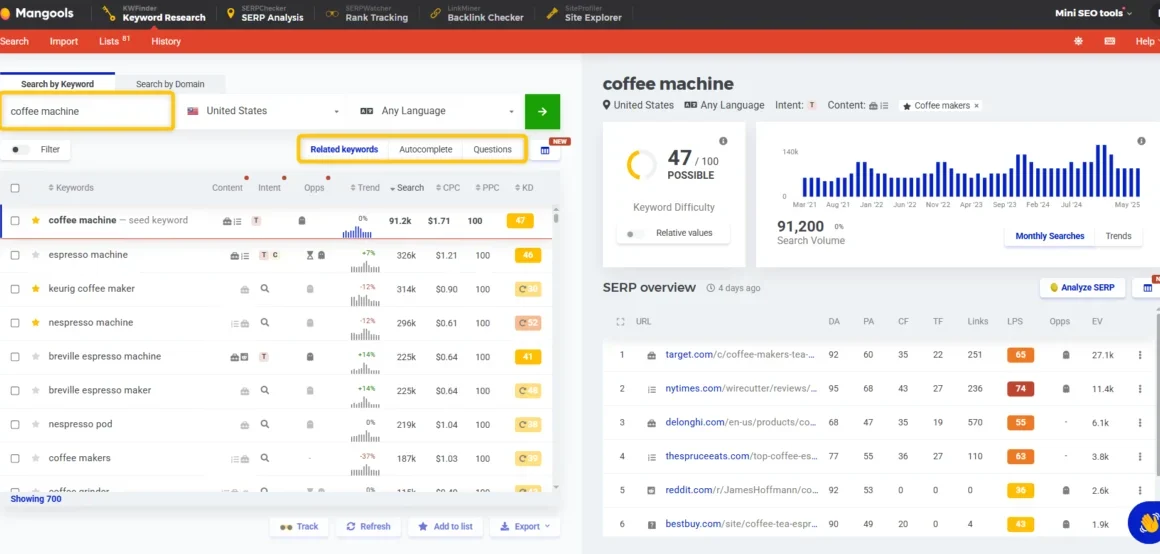
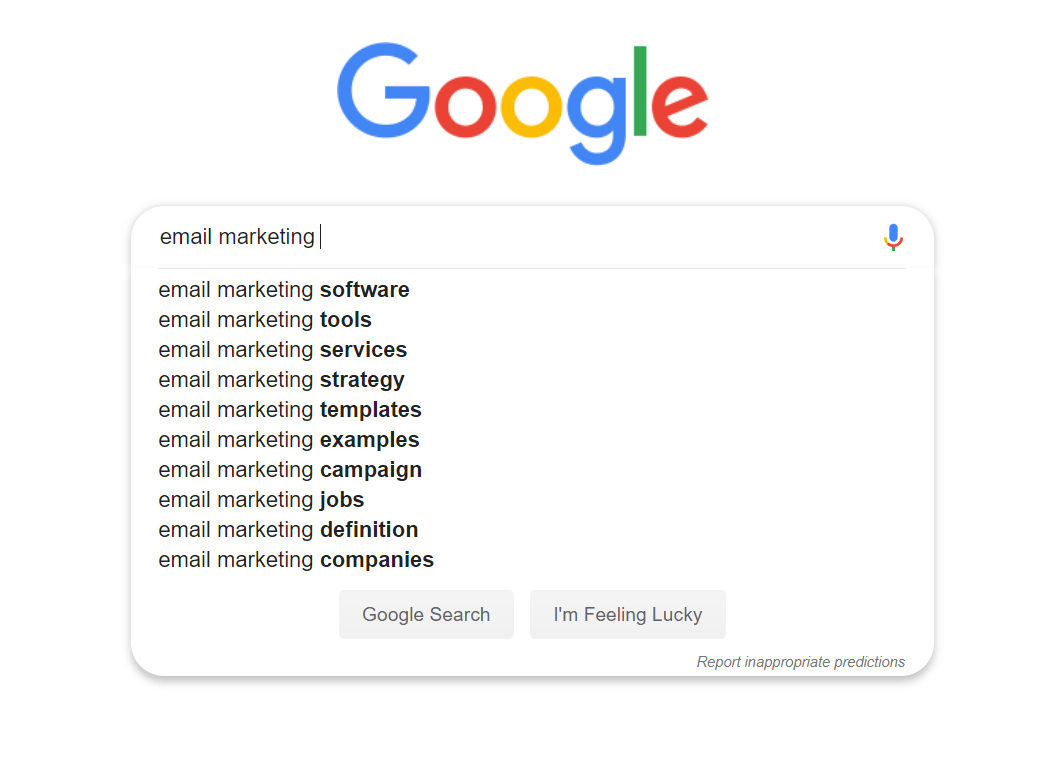
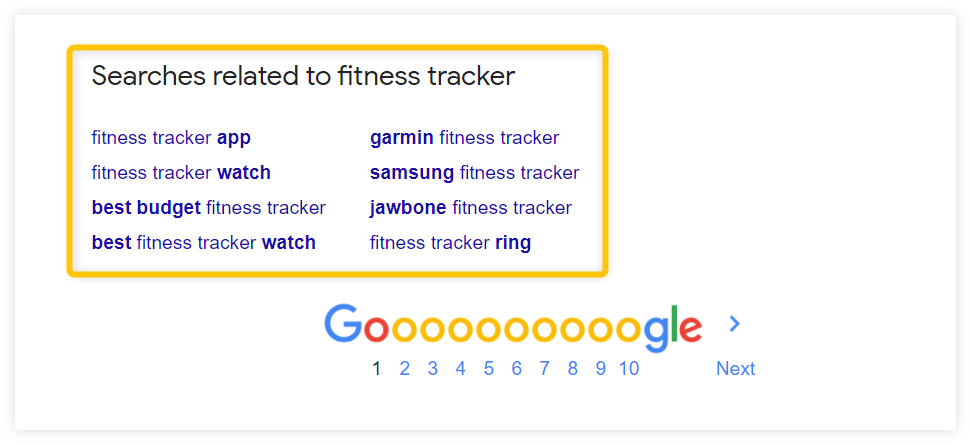
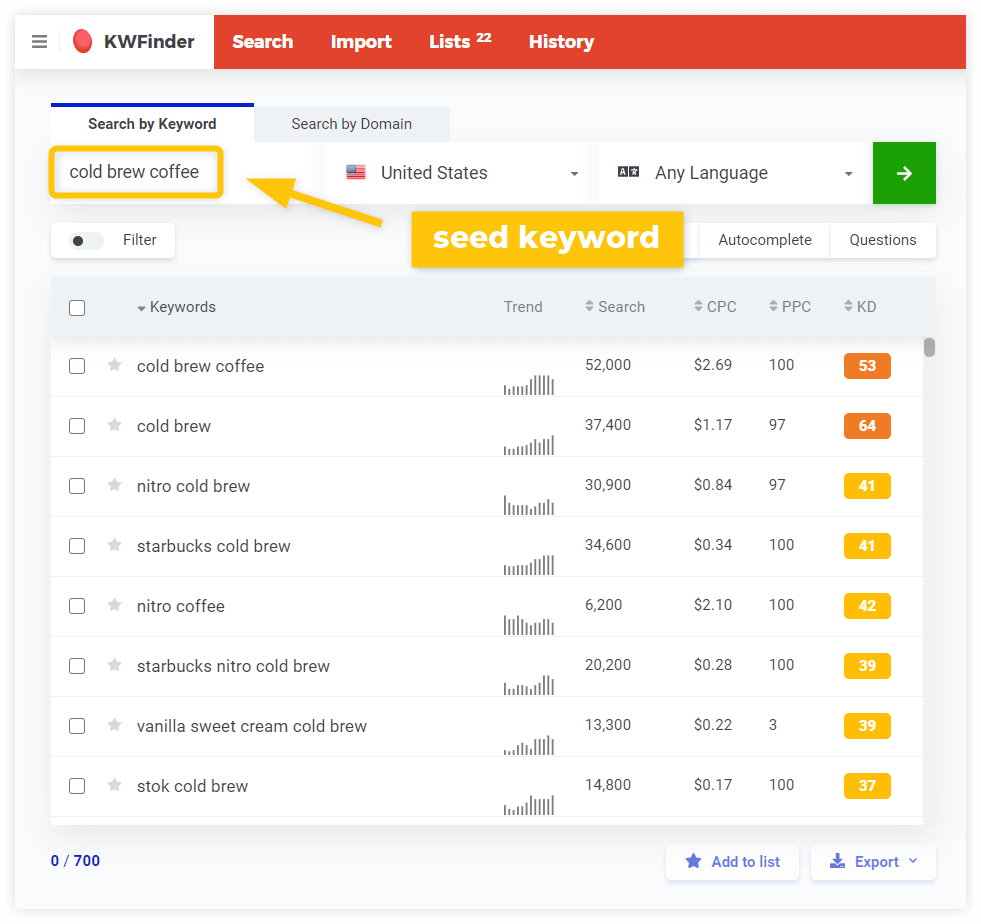
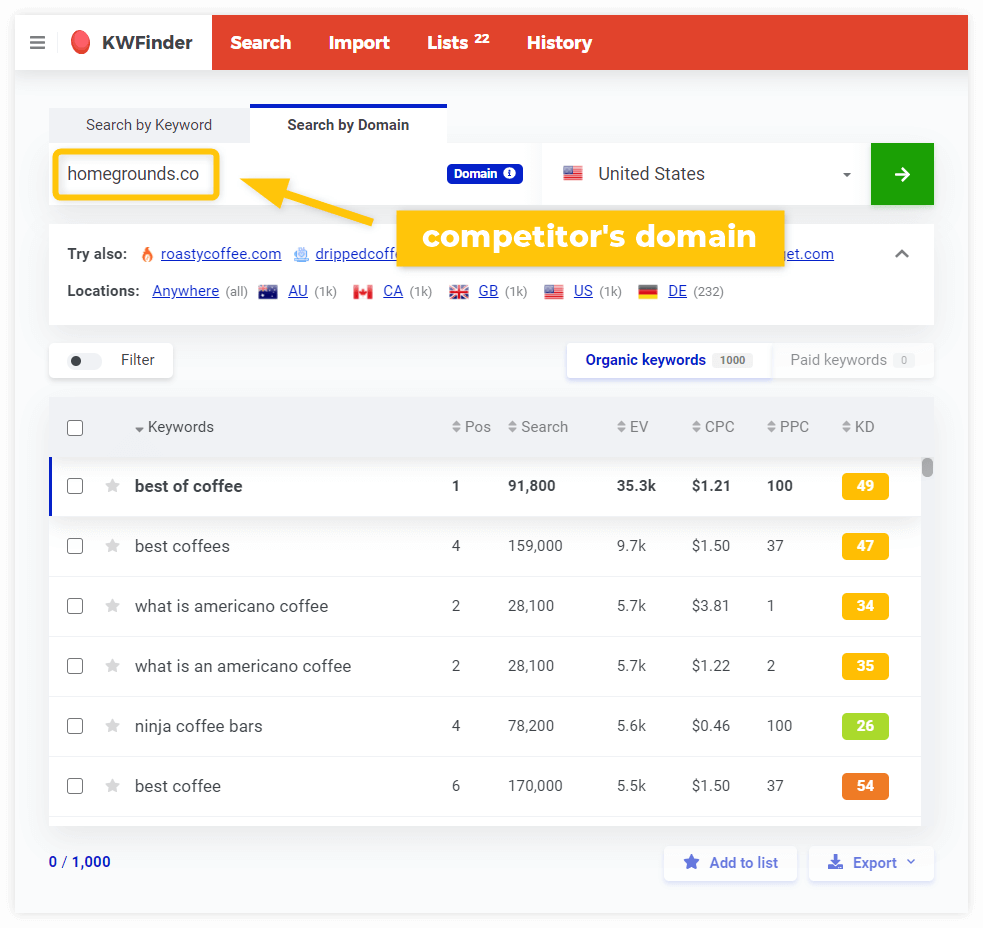
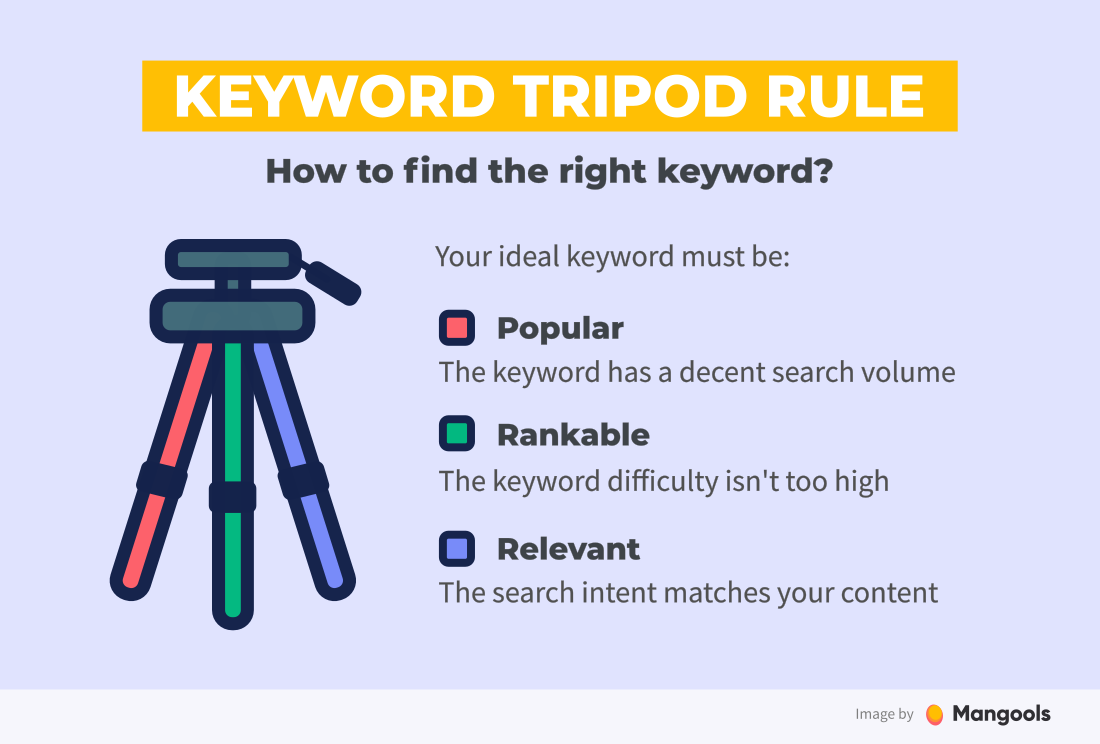
Keyword research should be the starting point of any content strategy. Your objective is to find an intersection of three metrics: high search volume, low keyword difficulty, and high relevance.
- Search Volume: How many people are searching for this term?
- Keyword Difficulty: How hard is it to displace the current top-ranking pages?
- Search Intent: Why is the user searching? Are they looking to buy (Transactional), find a website (Navigational), or learn something (Informational)?
A common mistake is chasing high-volume keywords that are impossible for a new site to rank for. Instead, prioritize "long-tail keywords"—specific, multi-word phrases that have lower search volume but much higher conversion potential.
Content Quality and the "10x" Rule
In an oversaturated digital market, the only way to stand out is through the "10x Content" strategy. This means creating content that is ten times better than the current top-ranking result.
- Comprehensiveness: Longer content (2,000+ words) often ranks better, not just because of the word count, but because it covers the topic more thoroughly.
- Design & UX: If your page is hard to read or cluttered with ads, users will leave. High bounce rates signal to Google that your content is not satisfying the user.
- Content Freshness: Search engines prioritize up-to-date information. If your content is "decaying" (traffic is dropping), it is time for a major update or a complete republishing.
The Power of Internal Linking
While backlinks from external sites are vital, internal linking is entirely within your control. A well-structured internal linking strategy ensures that your most important pages are no more than three clicks away from your homepage. By linking from the body of your text to other relevant articles, you distribute "link equity" throughout your site and help Google understand the relationship between your topics.
Analytics: Measuring the Results
SEO is an iterative process. You cannot improve what you do not measure. Three tools are non-negotiable for every website owner:
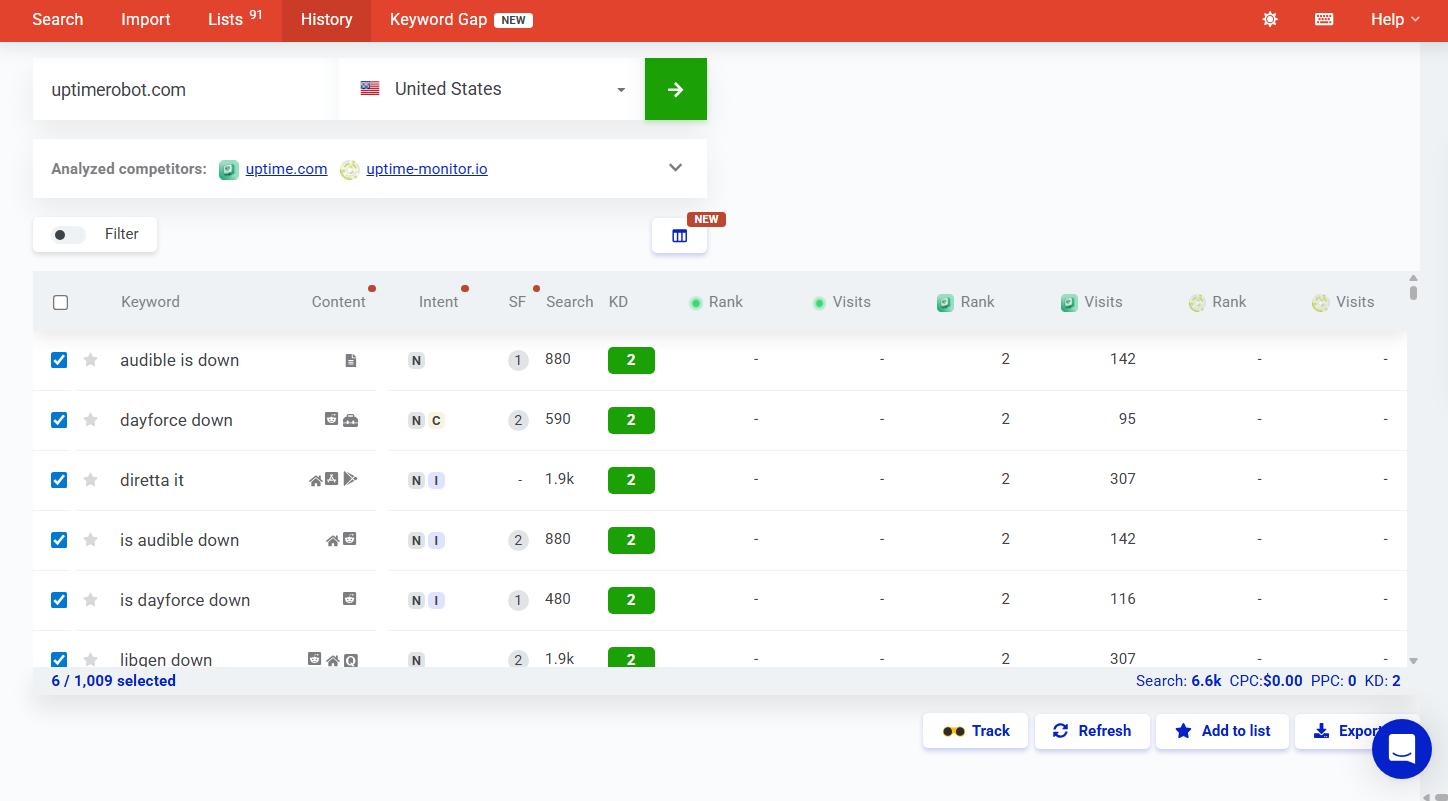
- Google Search Console: Essential for monitoring your performance in search, checking for indexing issues, and identifying the keywords that actually drive traffic to your site.
- Google Analytics: A powerful platform for understanding user behavior. Metrics like "Pages per Session" and "Traffic Sources" provide the context needed to refine your strategy.
- Rank Trackers: Tools like SERPWatcher allow you to monitor your daily progress for specific keywords, helping you see the impact of your SEO efforts over time.
Implications and Future Outlook
The industry is currently witnessing a paradigm shift as Generative AI and Large Language Models (LLMs) change how users interact with search. "Generative Engine Optimization" (GEO) is emerging, focusing on how your brand is cited in AI-generated answers.
Despite these changes, the fundamental premise of SEO remains unchanged: Helpfulness. Whether the user is searching on a traditional browser or asking a chatbot, they want accurate, high-quality, and trustworthy information. By adhering to the principles of technical excellence, user-centric content, and authoritative link building, you ensure that your website remains resilient in the face of constant algorithmic change. SEO is not a one-time project; it is a long-term investment in your brand’s digital visibility.