





In the digital era, the first impression is often the final one. When a reader encounters your content for the first time, they are making a split-second decision: Is this source worth my time, or is it just more digital noise? Establishing immediate credibility is the cornerstone of successful content creation, yet many creators overlook the foundational work required to achieve it. Whether you are an independent newsletter author, a brand strategist, or a journalist, your ability to filter the signal from the noise defines your audience’s trust.
This week, we explore the rigorous art of research, the technical utility of advanced search operators, and the critical framework necessary to vet sources in an era where misinformation is as accessible as truth.
The Philosophy of Rigorous Research
To solve complex problems for your audience, you must first become a curator of reliable information. The modern information landscape is vast, often feeling like an infinite, disorganized library. To avoid being overwhelmed, creators must adopt a systematic approach to gathering and synthesizing data.
Defining Your Research Goals
Before typing a single query into a search engine, you must define the scope of your inquiry. Are you looking for foundational theory, current industry statistics, or case studies to illustrate a point? By clarifying your objectives, you prevent "research drift"—the tendency to spend hours clicking through tangentially related articles that offer little value to your core thesis.

The Chronology of Effective Content Creation
- Hypothesis Generation: Start with a clear problem you intend to solve.
- Exploratory Phase: Gather broad resources to understand the landscape of the topic.
- Synthesis: Connect the dots between disparate pieces of information. Organize your findings into a coherent narrative structure.
- Competitive Audit: Scope out what others have written on the subject to ensure your perspective is unique or adds a layer of depth previously ignored.
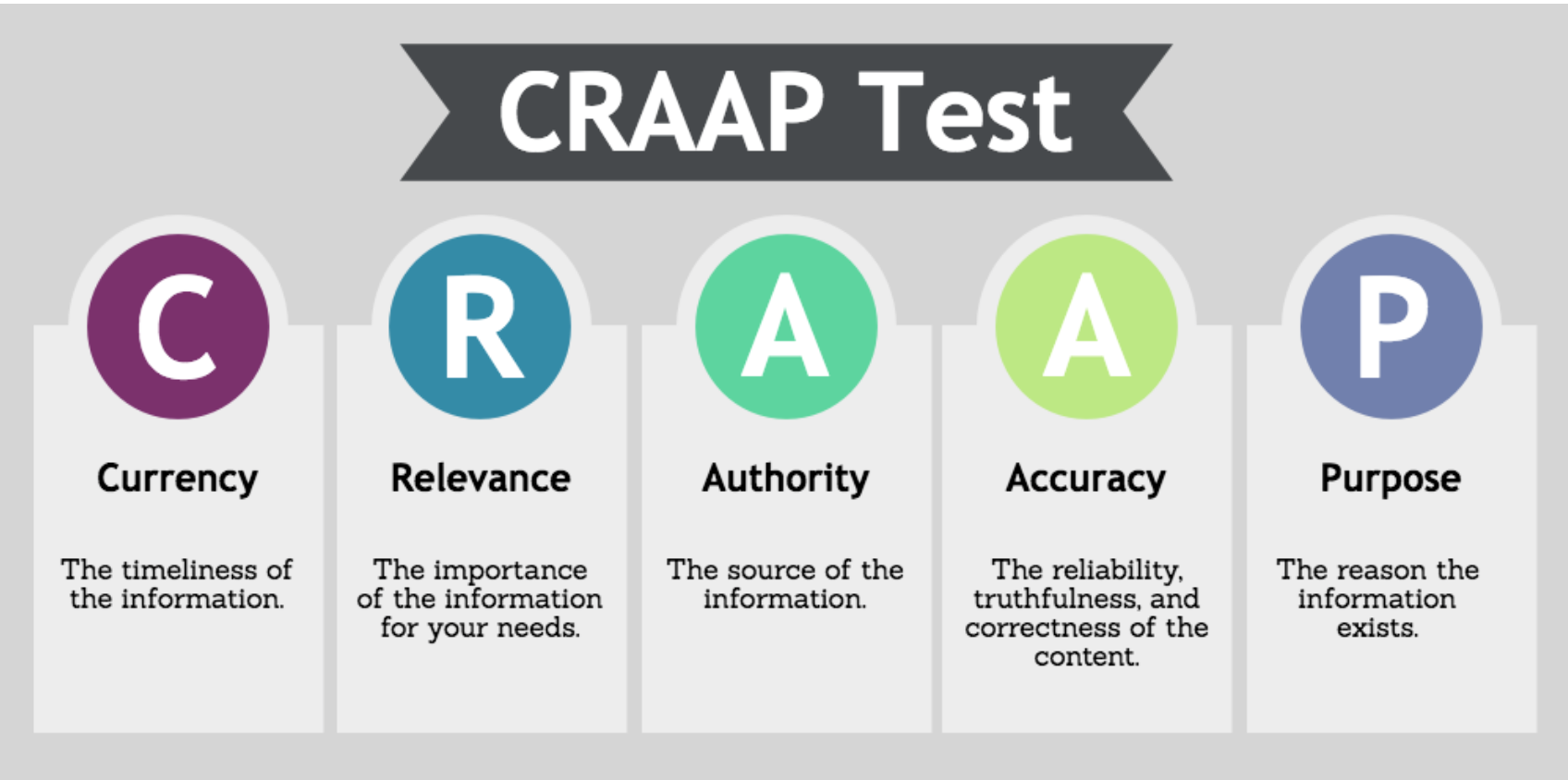
- Fact-Checking and Verification: Apply the CRAAP test (Currency, Relevance, Authority, Accuracy, and Purpose) to every data point before publication.
Advanced Search Operators: The "Smooth Operator" Toolkit
Most users approach Google with simple, natural-language queries. While this works for casual browsing, professionals require surgical precision. Google’s advanced search operators—special characters and command strings—act as a high-powered interface, allowing you to bypass irrelevant SEO-optimized fluff to reach the precise data you need.
Essential Commands for Power Users
As noted by Joshua Hardwick of Ahrefs, mastering these commands can cut research time by 70% or more.
site:(The Precision Filter): By appendingsite:domain.comto your query, you restrict your results to a specific website. This is invaluable when you know an answer exists within a particular knowledge base but don’t want to navigate their internal search UI.related:(Competitive Mapping): If you are analyzing a specific niche, userelated:competitor.comto discover other sites that Google categorizes within that same space. This is a shortcut to mapping out your industry’s ecosystem.filetype:(The Document Finder): Need a PDF report, a whitepaper, or a CSV dataset? Usingfiletype:pdforfiletype:xlsxallows you to isolate raw files rather than blog posts or landing pages.inurl:(Locating Specific Content Structures): By searching for terms likeinurl:faqorinurl:guide, you can find specific types of content across thousands of domains, making it easier to see how different brands approach customer education.before:andafter:(Temporal Filtering): To understand the evolution of a trend, combine these commands to isolate information from a specific timeframe. For example,AI trends after:2023-01-01ensures you aren’t reading outdated predictions from a decade ago.
Implications of Advanced Searching
By leveraging these tools, you aren’t just finding faster answers; you are gaining a deeper understanding of how the web is indexed. You can identify indexing issues on your own site, monitor competitors’ content strategies, and even uncover expert contact information that is often buried under layers of social media posts.
The CRAAP Framework: Ensuring Credibility
In an age of AI-generated content and "fake news," the burden of verification rests squarely on the creator. The CRAAP test remains the gold standard for evaluating source integrity. Developed by academic librarians, this framework provides a repeatable methodology for vetting every citation you include in your work.

The Five Pillars of Credibility
- Currency: Is the information timely? In fast-moving industries like technology or finance, data older than six months may be obsolete. Always check publication dates and look for "last updated" stamps.
- Relevance: Does the information actually address your reader’s needs, or is it tangential fluff? Ensure the source aligns with the depth of the topic you are covering.
- Authority: Who is the author? What are their credentials? A high-quality source should be transparent about the author’s expertise, affiliations, and professional background. Peer-reviewed sources and reputable institutions should be prioritized over anonymous blog posts.
- Accuracy: Can the claims be verified? Are there citations, links to primary sources, or data-driven evidence provided? A credible source welcomes scrutiny and provides the evidence to back its assertions.
- Purpose: Why does this information exist? Is it designed to inform, persuade, or sell? Understanding the bias or intent of a source is essential. While bias isn’t inherently "bad," it must be accounted for to ensure your own content remains objective and balanced.
Supporting Data and Professional Standards
The difference between an amateur creator and a professional is the willingness to do the "boring" work of cross-referencing. When you rely on secondary sources, you risk propagating inaccuracies. Whenever possible, chase the information back to its primary source—the original study, the raw interview transcript, or the official press release.
Addressing the "Opinion vs. Research" Divide
A critical mistake many creators make is conflating informed opinion with objective research. Both have a place in content creation, but they must be labeled accordingly. If your article is an opinion piece, be transparent about your perspective. If it is a research-backed guide, ensure your assertions are supported by verifiable data.
Transparency in your research process—such as linking to your sources, acknowledging limitations in your data, and correcting errors publicly—builds a level of trust that no algorithm can replicate.
Implications for the Future of Content
As we look toward the future, the value of "human-in-the-loop" research will only increase. With AI tools generating vast amounts of surface-level content, the creators who win the long-term game will be those who provide depth, verification, and a unique perspective that machines cannot synthesize.

The Role of Community
Professional content creation is rarely a solo endeavor. Joining communities—such as the Ghost Creator Community—allows you to share best practices, exchange research resources, and stay updated on the ever-shifting landscape of the internet. Networking with peers provides a vital safety net; when you are unsure about a source, having a community of professionals to lean on can save you from the embarrassment of publishing misinformation.
Final Thoughts
Great research is not merely about finding facts; it is about building an architecture of trust. Every link you include, every statistic you cite, and every claim you make is a brick in the foundation of your brand’s authority. By mastering the technical tools like search operators and adhering to the rigorous standards of the CRAAP framework, you move beyond being a mere "content creator" and become a trusted authority.
The next time you sit down to draft an article, remember: your audience is looking for clarity in a confusing world. If you provide them with well-researched, accurate, and relevant insights, they will reward you with the most valuable commodity in the digital economy: their attention.
Was this guide helpful? If you found these research strategies valuable, consider sharing this newsletter with a colleague. For more deep dives into the mechanics of professional content creation, subscribe to our monthly updates and explore our comprehensive library of tutorials.