










Introduction: Bridging the Gap Between AWS and the Developer Frontier
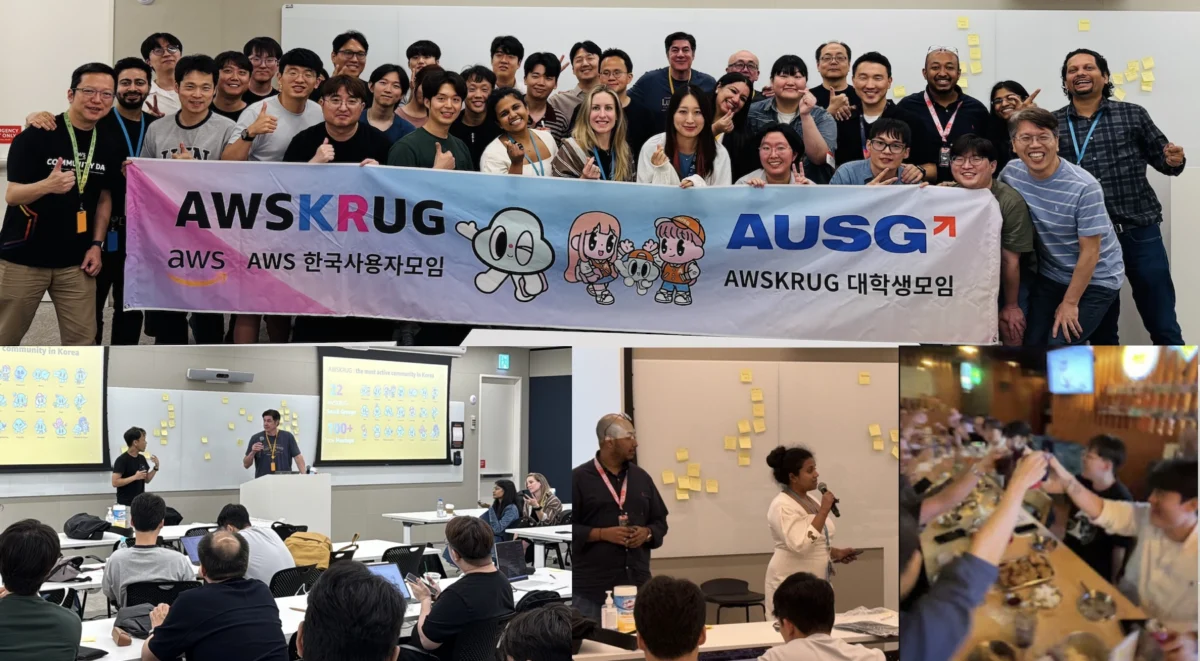
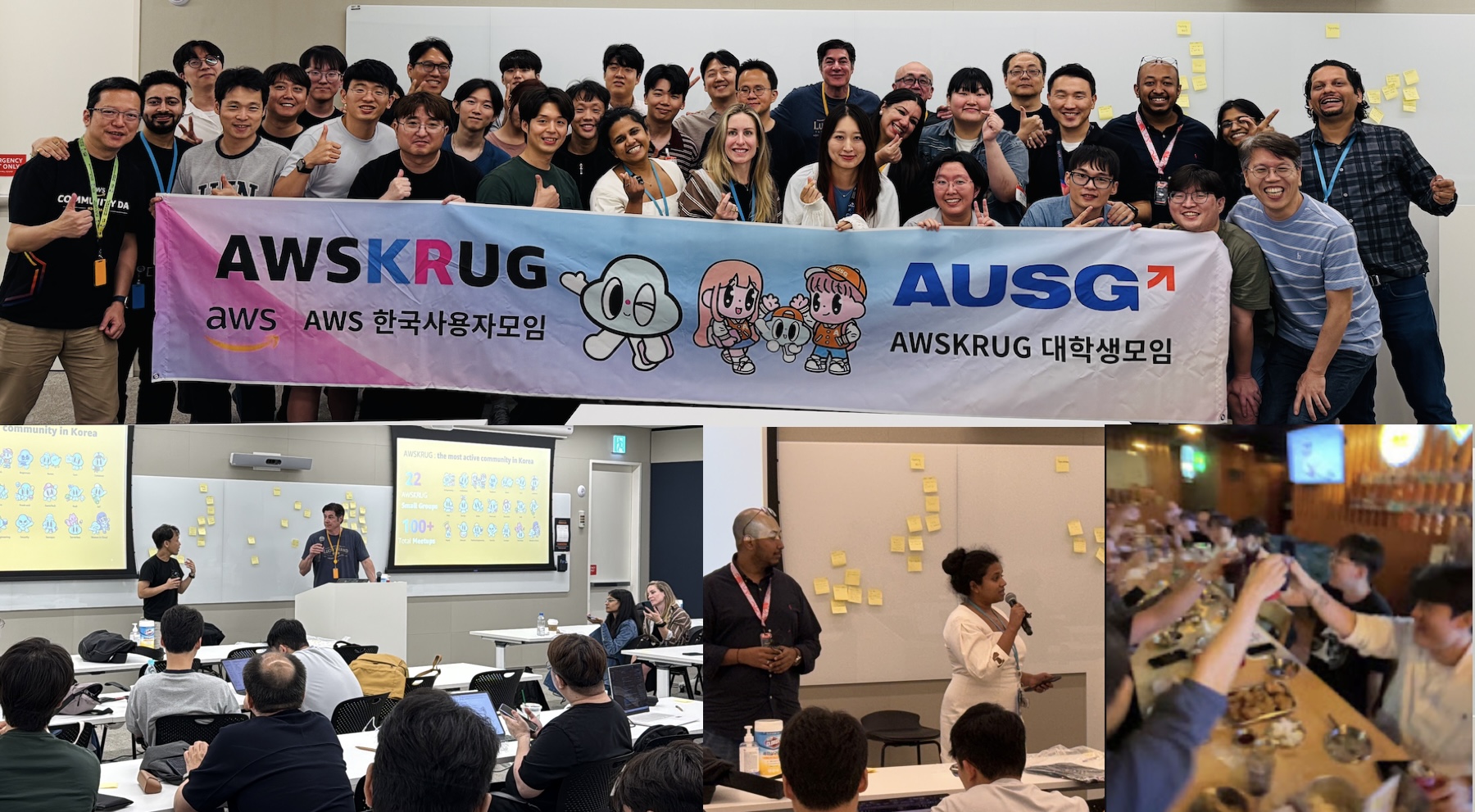
The vitality of the cloud computing ecosystem is not merely measured by uptime, latency, or feature sets, but by the strength of the communities that build upon its infrastructure. Last week, the Amazon Web Services (AWS) Developer Experience team underscored this philosophy with a strategic visit to Seoul, South Korea. By engaging directly with the AWS Korea User Group (AWSKRUG)—one of the most vibrant and active cloud communities globally—the team reaffirmed its commitment to the "builder-first" culture that defines modern software development.
Beyond community outreach, the week was marked by significant advancements in AI-assisted development. A breakthrough in Lambda configuration promises to reshape how developers integrate serverless architecture into their workflows, while a recent operational hiccup regarding billing transparency serves as a reminder of the complexities involved in managing massive, real-time cloud data systems.
The Seoul Connection: Cultivating Community Synergy
AWSKRUG stands as a pillar of the global developer community, boasting over 20 specialized meetup groups that organize more than 100 events annually. The recent delegation from AWS was not merely a ceremonial visit; it was an exercise in active listening.
A Feedback-Driven Development Model
The AWS Developer Experience team regularly traverses the Asia-Pacific region to facilitate direct dialogues with user group leaders. This initiative is designed to bridge the gap between abstract corporate roadmaps and the practical, daily realities faced by developers on the ground.
During the summit, leaders provided candid assessments of the first half of 2026. These discussions focused on:
- Operational Successes: Identifying what went well in community-led training sessions and collaborative workshops.
- Improvement Areas: Pinpointing bottlenecks in technical support and documentation clarity.
- Strategic Requests: Outlining specific needs for deeper integration between AWS services and local developer tooling.
In the spirit of Korean business culture, the visit concluded with a Chimaek session—a traditional social gathering involving fried chicken and beer. While informal, these moments are vital for building the trust necessary for open, honest technical collaboration.
Technological Leap: One-Click Lambda Setup for Coding Agents
The highlight of the technical announcements last week was the introduction of a new, one-click Lambda setup prompt for AI coding agents. This development addresses a significant friction point for developers attempting to integrate serverless architectures into AI-driven workflows.
Simplifying the Serverless Onboarding
Modern AI coding agents (such as Claude Code, Cursor, GitHub Copilot, and Devin) are incredibly powerful, but configuring them to adhere to AWS best practices—especially concerning security and architectural standards—can be complex. The new prompt simplifies this by:
- Automated Configuration: Embedding serverless best practices directly into the agent’s configuration.
- MCP Integration: Automatically configuring the Serverless Model Context Protocol (MCP) server.
- Cross-Platform Compatibility: Providing standardized installation commands for a wide range of popular IDEs and coding agents.
How to Implement
Developers can now initiate this configuration with a single action. By selecting the "Copy agent prompt" button within the AWS Lambda console, users can instantly access the setup script. Alternatively, developers can fetch the setup configuration directly via:
fetch https://docs.aws.amazon.com/lambda/latest/dg/samples/aws-lambda-agent-setup.md
By pasting this URL into their preferred agent, builders ensure that their environment is pre-configured with the latest serverless patterns, reducing the risk of "configuration drift" and enhancing security from the first line of code.
The Role of the Agent Toolkit for AWS
Complementing the Lambda setup, the Agent Toolkit for AWS continues to be a cornerstone for developers. It provides coding agents with "current" AWS knowledge, ensuring that AI-generated infrastructure code is up-to-date with the latest API changes and security protocols. By fetching the AWS MCP Server setup from the official repository, developers create a secure, authenticated bridge between their AI agents and their actual AWS infrastructure.
Addressing Operational Transparency: The Billing Incident
In any system of the scale of AWS, anomalies are an inevitability. Last weekend, a significant number of customers reported discrepancies in the AWS Cost Explorer. This incident resulted in:

- Inaccurate Data: Inflated estimated costs and usage metrics.
- False Alerts: Erroneous cost anomaly detection notifications and budget warnings, causing concern for financial and operational teams.
Official Response and Resolution
AWS has officially confirmed that the issue was identified and fully resolved. The incident, while transient, highlighted the potential for "false positive" stress when automated financial tools fail.
In a statement regarding the incident, AWS representatives apologized for the alarm caused and confirmed that the underlying data integrity is fully restored. Crucially, the company has committed to a "thorough retrospective." This implies more than just a quick fix; it indicates an internal review of how telemetry and billing data are processed, and a commitment to refining the communication protocols used when such operational hiccups occur. Customers are encouraged to verify their current standing via the AWS Health Dashboard.
Implications for the Future: The Evolution of the "Builder"
The combination of community engagement in Seoul and the push toward AI-enabled serverless development paints a clear picture of where AWS is heading.
1. The Democratization of Complex Infrastructure
By automating the setup of Lambda agents, AWS is effectively lowering the barrier to entry for high-level cloud architecture. The goal is to move the developer’s focus away from "how to configure a function" toward "how to build a solution." When AI agents understand the best practices of serverless computing, the quality of software produced by teams of all sizes increases, and the risk of common pitfalls (like over-provisioning or security misconfigurations) decreases.
2. The Shift to "Agentic" Development
We are witnessing a transition from traditional IDE extensions to "agentic" workflows. In this model, the developer acts as a high-level architect, while the agent handles the heavy lifting of implementation, deployment, and configuration. The focus on the Model Context Protocol (MCP) by AWS suggests they are betting heavily on a standardized future where AI agents can communicate seamlessly with cloud resources.
3. Community as a Competitive Moat
The attention given to AWSKRUG demonstrates that AWS recognizes that documentation alone is insufficient. The "Developer Experience" is increasingly defined by social and collaborative layers. By supporting local communities, AWS creates a feedback loop that informs product development in real-time, effectively crowdsourcing the refinement of their services.
Conclusion: Looking Ahead
As we look toward the remainder of the year, the convergence of AI tooling and community-driven development will likely accelerate. The initiatives launched last week represent a maturation of the cloud experience—one where the complexity of the platform is abstracted away by intelligent agents, and where the human element of development is nurtured through active, global collaboration.
For developers, the mandate is clear: embrace these new AI-driven agent workflows to stay competitive, remain vigilant regarding operational health dashboards, and participate in the community groups that are actively shaping the future of the cloud.
For a complete list of ongoing updates, developers are encouraged to monitor the AWS What’s New page and the AWS Blogs for detailed technical deep dives. Whether attending an upcoming AWS Summit or participating in a local builder meetup, the opportunity to influence the direction of these tools has never been greater.
Reported by the AWS News Blog editorial team. For ongoing updates, check back next Monday for the full Weekly Roundup.