








In the modern digital landscape, content is the currency of the internet. From high-resolution user-generated photos to complex document workflows and video streaming, applications are constantly tasked with ingesting, processing, and serving massive volumes of media. For developers, building a bespoke pipeline to handle these tasks—managing cross-platform compatibility, storage, resizing, and global delivery—is an Herculean task that often leads to "reinventing the wheel."
Enter Filestack, a robust utility designed to simplify the entire lifecycle of digital assets. By offering a unified API-driven approach to file uploading, real-time transformation, and content delivery, Filestack allows engineering teams to shift their focus from infrastructure maintenance to core product innovation.
The Core Challenge: Why File Management is Hard
The difficulty of managing media lies in the variability of the input. Users upload files from various devices, operating systems, and network conditions. A user might upload a massive 20MB RAW image from a desktop, while another might upload a low-resolution JPEG from a mobile browser. Without a dedicated middle layer, developers are forced to write complex server-side scripts to handle file validation, compression, cloud storage routing, and formatting.
Filestack acts as an abstraction layer, transforming a fragmented process into a streamlined pipeline. Whether you are building an e-commerce platform that requires consistent product imagery or a document management system that needs instant PDF previewing, the service provides the tools to automate the "messy" parts of media handling.
Chronology of a Filestack Integration
For teams looking to integrate Filestack, the process is designed to be developer-centric, prioritizing speed of implementation and intuitive documentation.
1. Onboarding and Configuration
The journey begins with a 21-day trial, allowing teams to test the integration in a live environment without upfront investment. Once a developer gains access to the dashboard, they are greeted with an extensive documentation suite. In an industry where documentation is often an afterthought, Filestack’s resources—filled with live code samples and detailed edge-case handling—stand out as a "developer’s dream."
2. The Ingestion Phase (Uploading)
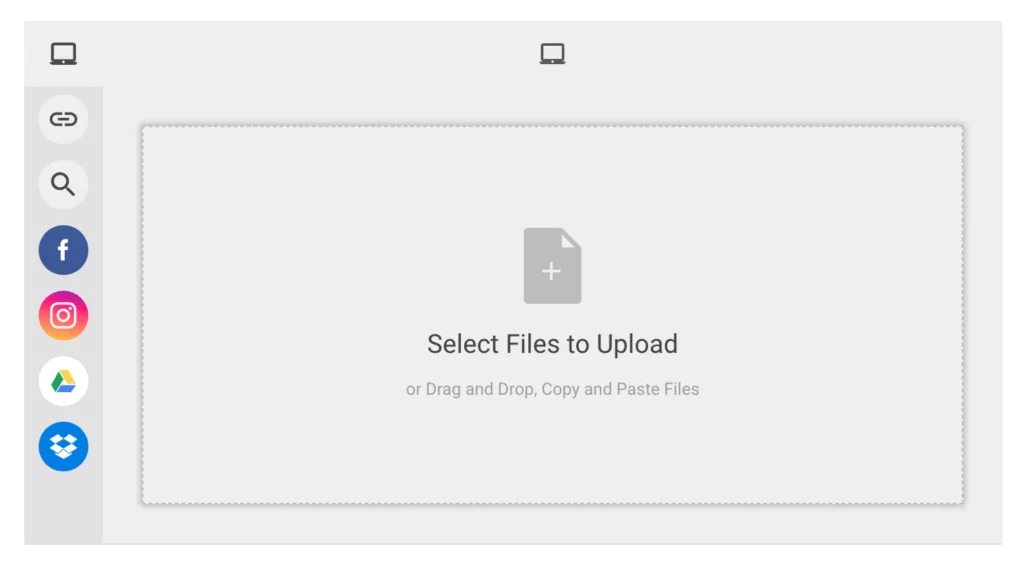
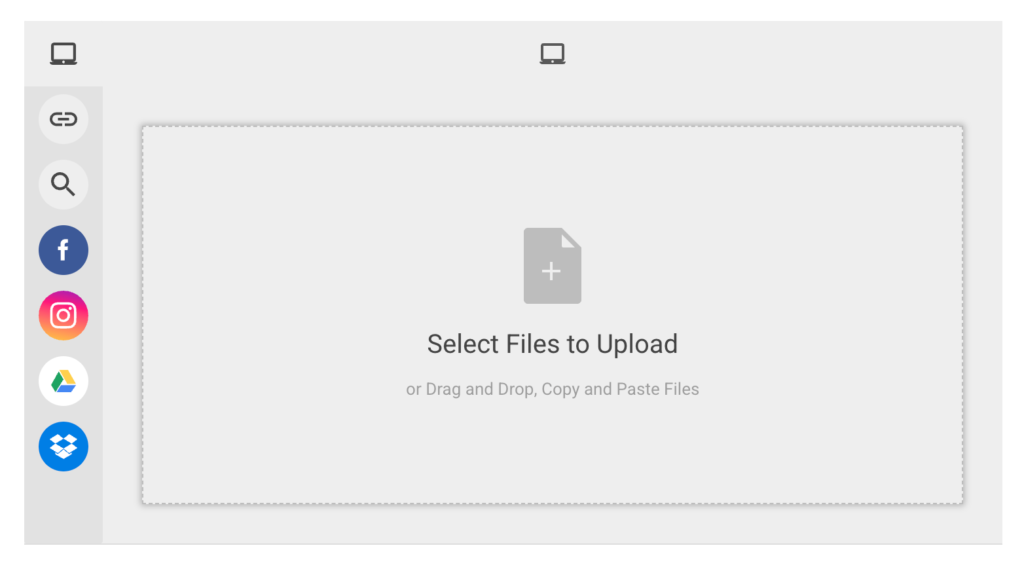
Filestack’s most recognizable feature is its file picker, which replaces standard, clunky HTML <input type="file"> tags with a highly functional, elegant UI component.
Integrating this into a web project is trivial:
// A simple initialization pattern
const client = filestack.init("YOUR_API_KEY");
const picker = client.picker(
  onFileUploadFinished: (file) => console.log('File uploaded:', file),
);
picker.open();
Beyond the web, Filestack supports backend-heavy workflows. For Python developers, the service provides a native library that allows for seamless uploads directly to S3 or other storage buckets, complete with metadata tagging, ensuring that the file management is organized from the very moment of capture.
3. The Transformation Phase
Once a file is stored, the developer’s work is rarely done. Usually, you need a thumbnail, a web-optimized format, or a filtered version of the media. Filestack shifts this burden from the server to the URL. By appending parameters to the file’s CDN URL, transformations occur in real-time.
- Resizing:
cdn.filestackcontent.com/resize=width:300/[FILE_HANDLE] - Creative Manipulation: Applying filters, rotating images, or adding custom borders (e.g., a "polaroid" effect) can be done with simple string parameters.
4. The Delivery Phase
A file is only as good as its delivery. If your media takes three seconds to load, you lose users. Filestack utilizes a sophisticated Global Content Delivery Network (CDN) that caches content upon the first request. These cached copies are refreshed dynamically, ensuring that while the content remains fast, it also remains up-to-date.
Supporting Data: The Impact of Efficient Media Pipelines
Research into user behavior consistently shows that media load times are directly correlated with bounce rates. According to industry benchmarks, a delay of even 500 milliseconds in image rendering can result in a significant drop in conversion rates for e-commerce sites.
- Performance Optimization: By using Filestack’s intelligent compression, developers can reduce file sizes by up to 80% without perceptible loss in quality, directly impacting the Core Web Vitals score.
- Platform Versatility: Filestack’s ability to pull from over 20+ sources (including Google Drive, Dropbox, and GitHub) removes the friction for end-users, who no longer need to download files to their local device just to re-upload them to your platform. This "direct-to-cloud" transfer saves significant bandwidth for both the user and the server.
Official Responses and Strategic Vision
In a recent technical overview, Filestack emphasized that their "UI-first" approach is intended to democratize media management. By allowing developers to embed the "Transformation UI"—a visual editor that lets end-users crop, filter, and adjust their own images before they hit the server—Filestack is bridging the gap between raw data and user-friendly interaction.
"Our goal is to ensure that the file management component of an application is the most stable part of the stack," a company representative noted. "By handling the heavy lifting of codec conversion, storage synchronization, and CDN delivery, we empower developers to focus on the unique value proposition of their application rather than the logistics of moving bytes."
Implications: The Future of Media Management
The shift toward "Serverless" and "API-first" architectures is making traditional, monolithic file-handling systems obsolete. As we move further into an era where AI-generated content and high-definition video are the norm, the complexity of media pipelines will only increase.
Scaling Without Technical Debt
For startups, the implication is clear: you no longer need a dedicated DevOps engineer to manage a custom-built S3-based image processing server. Filestack provides an off-the-shelf solution that scales linearly with user growth. As your traffic grows from 1,000 requests to 1,000,000, the underlying infrastructure of the Filestack CDN handles the load, protecting your application from the latency spikes common in self-hosted solutions.
Enhanced User Experience
The inclusion of a user-facing transformation UI has profound implications for user-generated content (UGC) platforms. When users are given the tools to optimize their own content within the upload flow, the quality of data ingested by the platform improves, leading to a cleaner, more professional-looking product without additional developer effort.
Conclusion: From Source to Consumer
Managing media is no longer just about storing a file; it is about managing the entire journey from the source device to the consumer’s screen. Filestack represents a shift toward a more modular, efficient internet. By consolidating the upload, transformation, and delivery phases into a single, cohesive platform, it effectively eliminates the friction that has historically plagued web and mobile development.
For developers seeking to build modern, high-performance applications, the choice is increasingly clear: leverage a specialized utility that understands the nuance of digital assets. Whether you are building a simple portfolio site or a global enterprise application, Filestack provides the necessary architecture to ensure that your media is not just stored, but optimized, protected, and delivered with speed.
In the rapidly evolving landscape of web development, the ability to outsource complexity is the ultimate competitive advantage. By offloading the file lifecycle to a specialized partner, you are not just saving time—you are ensuring the longevity and reliability of your digital products.
Disclaimer: This article explores the utility of Filestack as a tool for developers. For the most current documentation, API updates, and pricing models, please refer to the official Filestack Documentation.