







In the high-stakes world of social media marketing, the distance between a viral Instagram Reel and a high-converting website landing page is often measured in clicks. For years, creators and brands have struggled with the "link-in-bio" bottleneck: Instagram’s restrictive policy of allowing only a single, static URL in user bios. While the platform has introduced features like Meta One subscriptions to bypass some limitations, the bio link remains the most valuable piece of digital real estate for driving traffic.
As businesses pivot toward more integrated marketing workflows, the question is no longer just about where to host a list of links. It is about how that hosting solution fits into a broader, automated, and data-driven ecosystem. The current market is defined by a dichotomy: the specialized, standalone link-in-bio tool versus the integrated, enterprise-grade management platform. This article explores the battle between Linktree, the pioneer of the category, and SproutLink, the integrated powerhouse from Sprout Social.
The Chronology of the Link-in-Bio Phenomenon
The "link-in-bio" category emerged as a direct response to a specific technical constraint. When Instagram launched in 2010, its primary goal was visual storytelling, not e-commerce or lead generation. As influencers and brands began using the platform to drive business, the single URL constraint became a major friction point.
- 2016 – The Dawn of Aggregation: Linktree arrived on the scene, offering a simple, elegant solution: a single landing page that could house an unlimited number of secondary links. This "tree" of links became the standard for creators worldwide.
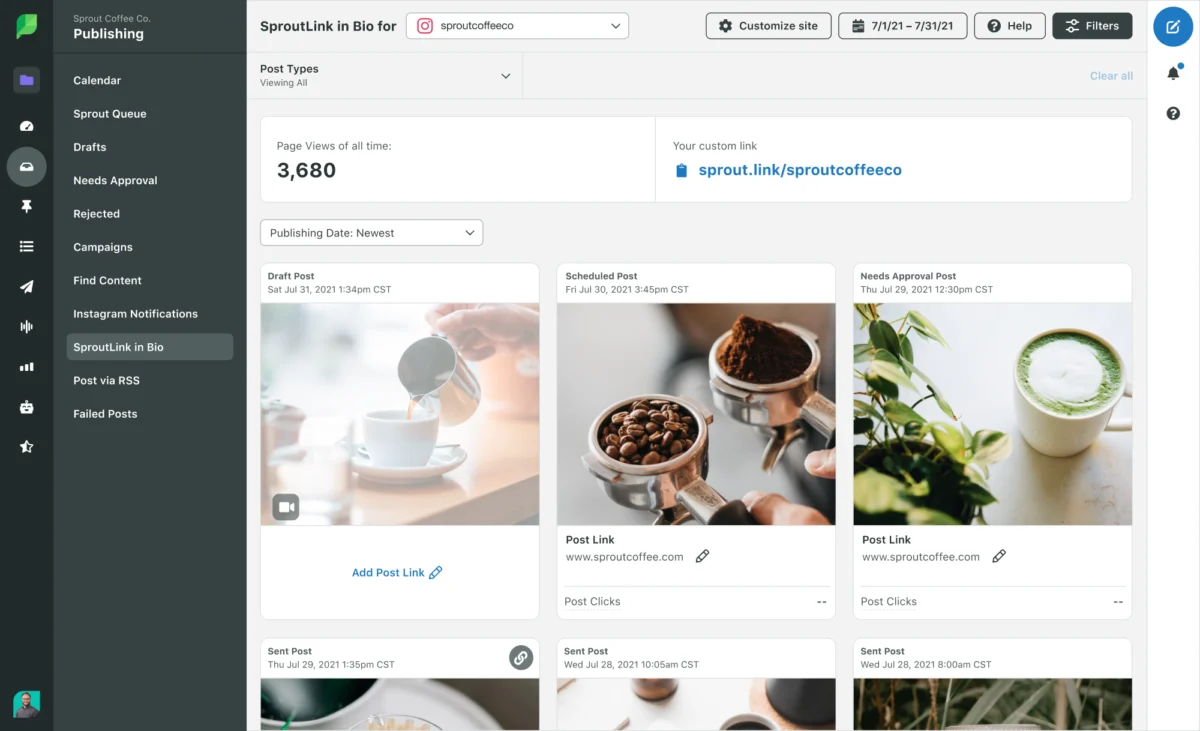
- 2020–2022 – The Integration Shift: As social media management platforms like Sprout Social expanded their feature sets, they realized that "link management" was not an isolated task. It was part of the publishing lifecycle. SproutLink was developed to allow marketers to attach destination URLs at the exact moment they drafted a post, removing the need for third-party tools.
- 2026 – The Era of Data-Driven Efficiency: Today, we are seeing a move away from "link hosting" toward "social traffic orchestration." Brands are no longer satisfied with just a list of buttons; they require deep analytics that correlate specific social posts with website revenue, fueling a competitive landscape between standalone apps and all-in-one suites.
Supporting Data: Why Choice Matters
The decision between a standalone tool and an integrated platform is often dictated by the size of the team and the complexity of the brand’s digital footprint.
According to G2 and Capterra data from late 2026, user sentiment presents an interesting paradox. Linktree consistently ranks high in "ease of use" (averaging 4.6/5 stars) because it performs one specific function with high efficiency. Conversely, Sprout Social’s suite—which includes SproutLink—often sees lower aggregate scores, but this is a statistical artifact of its scope. Users are rating a comprehensive, multi-module social media management platform, not just a link tool.
| Metric | SproutLink | Linktree |
|---|---|---|
| Primary Focus | Workflow Integration | Link Aggregation |
| Pricing Model | Included in full-suite subscription | Freemium (Free to $8+/mo) |
| Analytics | Integrated with cross-platform reporting | Dedicated click-through analytics |
| Workflow | In-Compose link attachment | Standalone link management |
| Target User | Mid-to-Enterprise Brands | Creators, Influencers, SMBs |
The data reinforces a critical distinction: Linktree is an "additive" tool, while SproutLink is an "intrinsic" feature. When a marketing team uses Sprout, they are not just buying a link-in-bio tool; they are buying a unified command center.

The Case for SproutLink: Integration as Strategy
SproutLink is designed for the professional social media manager who views every post as part of a funnel. Because it exists directly within the Sprout Social publishing workflow, it eliminates the "context switching" that plagues many digital teams.
When a brand creates a new campaign, the social media manager can attach a destination URL directly in the Compose window. There is no need to log into a separate platform, update a list, or worry about whether the link is live.
Why Brands Choose Integration:
- Reduced Friction: By streamlining the publishing process, managers save hours each week.
- Unified Analytics: Because SproutLink is part of the broader Sprout suite, click data is integrated with engagement metrics, sentiment analysis, and ROI reporting.
- Consistency: The branded landing page ensures that the transition from the social feed to the website feels like a seamless extension of the brand identity.
The Case for Linktree: The Power of Simplicity
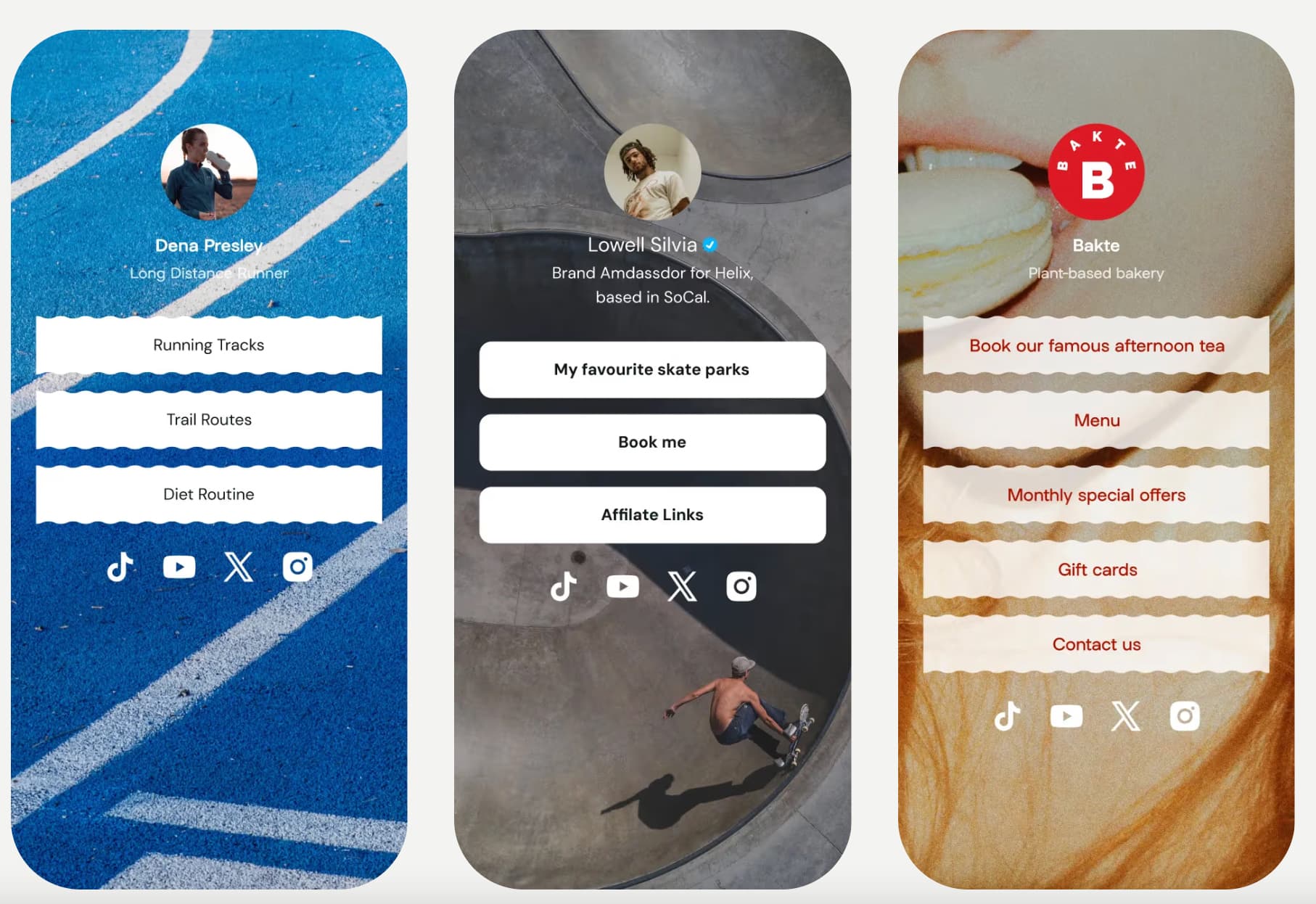
Linktree remains the industry standard for a reason. For independent creators, small businesses, and those who do not require a $79-per-month suite of social management tools, Linktree offers a "best-in-class" experience.
It is platform-agnostic, meaning a single Linktree page can serve as the hub for Instagram, TikTok, Facebook, and even traditional web traffic. Its "Social Planner" feature, included in paid tiers, has evolved to compete with smaller scheduling platforms, providing a lightweight, "hands-free" workflow for those who prefer to keep their social strategy separate from their complex management suites.
Official Perspectives and User Testimony
The industry consensus is shifting toward "platform-centric" decision-making. As Alyssa R., a social media manager for a mid-market non-profit, notes: "As a one-person social team, I need to maximize my productivity. I rely on Sprout every day. Features like SproutLink, the ability to toggle a single post across multiple platforms, and AI-driven tools have helped me streamline my workflow in ways that standalone tools simply cannot match."
Conversely, proponents of Linktree highlight the "freedom of choice" that comes with a standalone tool. For users who aren’t ready to invest in an enterprise-level management suite, Linktree provides the exact level of functionality needed without the overhead of additional features they might not use.

Implications for the Future of Social Marketing
The divide between these two solutions represents a broader trend in the software-as-a-service (SaaS) industry: the "Suite vs. Best-of-Breed" debate.
The Implications for Small Teams:
For solopreneurs, the primary goal is often cost management and ease of use. A free or low-cost Linktree plan allows for rapid experimentation and minimal technical barrier to entry. The risk here, however, is fragmentation. As a brand grows, having its link strategy disconnected from its publishing strategy can lead to data silos, where the team knows how many people clicked a link, but struggles to connect those clicks to the broader content calendar performance.
The Implications for Enterprise Brands:
For larger organizations, the implication is clear: operational efficiency is the highest priority. When a brand has multiple social channels and a high volume of daily posts, manual management is untenable. Integrated solutions like SproutLink provide a "single source of truth." When the marketing team updates a campaign in the social dashboard, the link-in-bio updates automatically, ensuring that the brand is always directing traffic to the most relevant, current content.
Making the Final Decision
Choosing between SproutLink and Linktree is not about determining which tool is "better" in a vacuum; it is about auditing your current operational maturity.
Choose Linktree if:
- You are an individual creator or a small business with a limited budget.
- You require a tool that works across multiple social platforms without needing a full management suite.
- You prefer a simple, template-based interface that allows for quick updates on the fly.
Choose SproutLink if:
- You are already using (or looking to adopt) a comprehensive social media management platform.
- You want to eliminate the time spent manually updating bio links for every post.
- You require sophisticated, integrated reporting that correlates social engagement with conversion data.
Conclusion: Orchestrating the Social Journey
The link-in-bio is no longer just a digital placeholder; it is the bridge between social engagement and commercial outcome. As social media platforms continue to guard their ecosystems, the importance of controlling the traffic you drive off-platform will only increase.
Whether you opt for the surgical, best-of-breed simplicity of Linktree or the integrated, high-octane efficiency of SproutLink, the objective remains the same: ensuring that every click is accounted for, every visitor is converted, and your social media strategy is as cohesive as possible. As the digital landscape moves toward more complex automation, the brands that win will be those that view their social tools not as isolated utilities, but as part of a unified, strategic ecosystem.
Disclaimer: All pricing, features, and comparative data are based on information available as of October 2026 and are subject to change based on vendor updates.