Celebrating the Art of Digital Narration: Inside the Grand Finale of the Inaugural Edits Film Festival in Mumbai
MUMBAI — In an era where the smartphone camera roll has become the modern canvas for cinematic expression, the inaugural Edits Film Festival concluded its landmark run today in India’s entertainment capital, Mumbai. Bringing together the upper echelons of traditional filmmaking and the dynamic, fast-evolving ecosystem of digital content creation, the grand finale served as a triumphant celebration of grassroots talent.
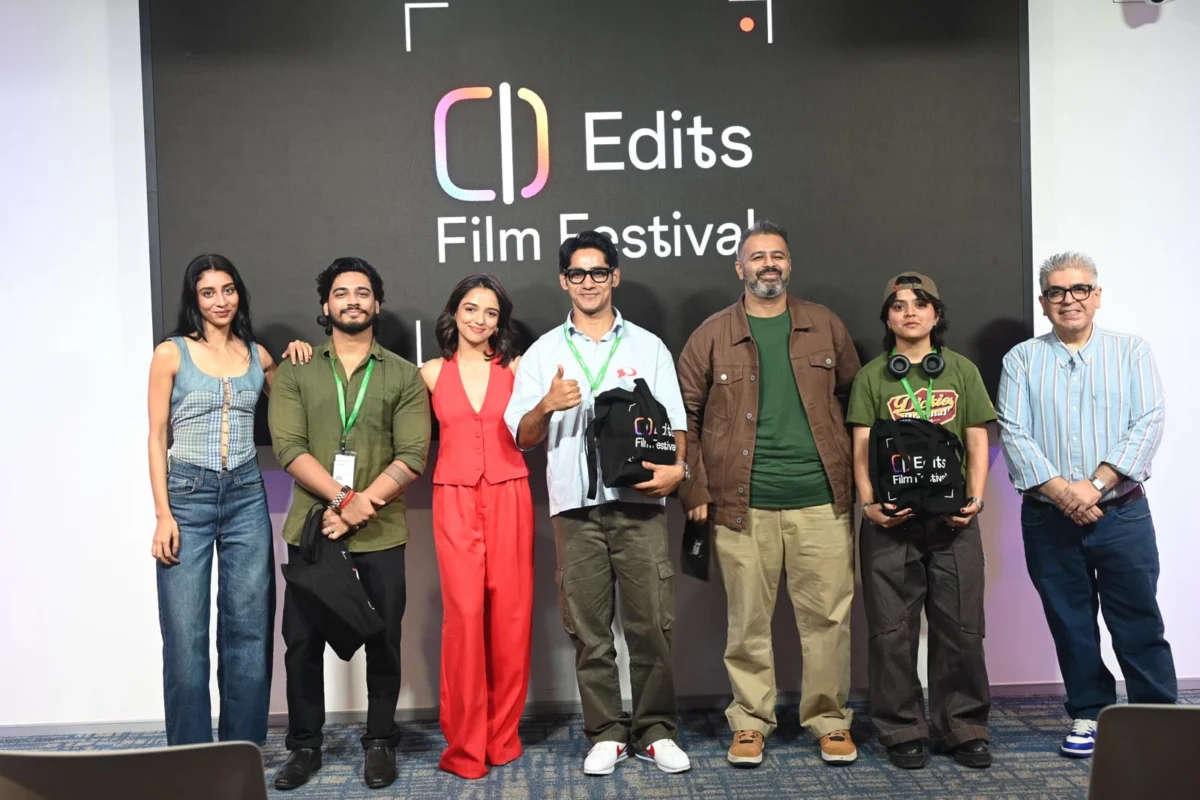
Against the backdrop of a packed auditorium hosting over 100 of India’s most promising digital creators, the festival lowered its curtains by honoring three visionary storytellers: Ishank Gupta, Sanya Rohillaa, and Ahsan Vazir. These creators distinguished themselves through exceptional narrative depth, technical mastery, and creative utilization of Edits, Instagram’s dedicated video editing application.
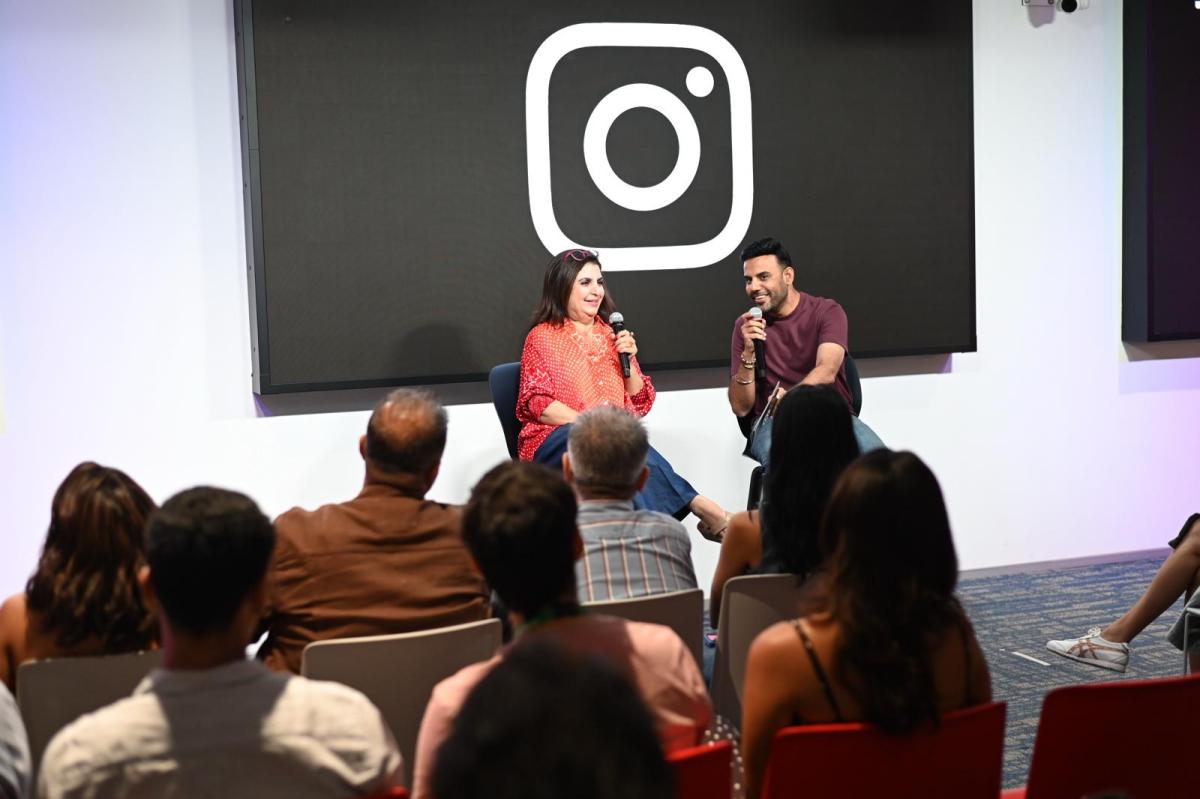
The event was graced by the presence of acclaimed Bollywood filmmaker Farah Khan, who served as the special guest of honor, alongside an esteemed and culturally attuned jury panel comprising actor Ahsaas Channa, digital creator and actor Dolly Singh, writer-producer Nikhil Taneja, and renowned film critic Rajeev Masand.
1. Main Facts: The Triumph of Mobile Cinema and Digital Auteurs
The Edits Film Festival, officially introduced by Meta to unearth and spotlight India’s emerging creator talent, represents a pivotal shift in how visual stories are conceptualized, produced, and consumed. The core premise of the festival challenged creators to look inward—specifically, at the unpolished, raw video fragments resting quietly inside their personal smartphone camera rolls—and transform them into cohesive, compelling cinematic pieces using the Edits app.
Out of a massive wave of entries that poured in following the festival’s announcement, the competition was whittled down to an Official Selection that showcased the boundless potential of mobile-first editing tools. However, it was the top three submissions that truly captured the imagination of the jury and set a new benchmark for digital storytelling:
Ishank Gupta (@filmmaker.ishank) – Honored for his captivating visual rhythm and sophisticated command over editing pacing.
Sanya Rohillaa (@bunniestbunnytoeverbunnny) – Recognized for her eccentric, highly engaging aesthetic and unconventional narrative structure.
Ahsan Vazir (@ahsan_vazir__) – Celebrated for his raw emotional resonance and seamless integration of transition features within the Edits application.
These winners did not merely compile clips; they demonstrated, according to the jury, a rare sense of adventure, editorial restraint, and technical skill that bridged the gap between casual video logging and high-art short-form cinema.
2. Chronology of the Festival: From Camera Rolls to the Grand Stage
The journey of the Edits Film Festival was structured as an intensive, nationwide digital mobilization followed by rigorous curation.
August (The Kickoff): The festival officially opened its submission windows. Creators across the Indian subcontinent were invited to dive into their archives—rescuing forgotten clips, outtakes, and unedited moments from their camera rolls—and fashion them into narrative-driven pieces. The mandatory parameter was the use of Instagram’s Edits app, challenging participants to explore the software’s advanced transitions, audio sync tools, and dynamic grading features.
October (The Official Selection): Following a meticulous screening process, the Official Selection was announced. These selected works began circulating across digital platforms, offering audiences a glimpse into the diverse stylistic choices of India’s emerging creator economy. Viewers witnessed everything from poetic slice-of-life vignettes to high-energy visual essays.
The Grand Finale (Today in Mumbai): The culmination of the 45-day creative marathon took physical form in Mumbai. The event transitioned from a digital exhibition to an intimate, interactive industry gathering. Featuring live panel discussions, masterclasses, networking opportunities, and the much-anticipated awards ceremony, the finale brought together the architects of digital media to celebrate the intersection of technology and human emotion.
3. Supporting Data and the Creator Ecosystem in India
The success of the Edits Film Festival does not exist in a vacuum; it is reflective of a larger, seismic shift in India’s media consumption and production landscape. India currently stands as one of the largest and most vibrant digital video markets in the world, boasting hundreds of millions of active internet users consuming content primarily via mobile devices.
The 45-Day Window: The brief yet intensive submission period proved that constraints breed creativity. Creators had less than seven weeks to conceptualize, edit, and submit their pieces, forcing a reliance on instinct and the fluid capabilities of mobile-first editing apps.
The Audience and the Jury: The presence of over 100 creators in the Mumbai venue underscores the community-centric nature of modern digital platforms. This was not a top-down corporate awards show, but a peer-to-peer validation of artistic merit.
The Tech-Art Nexus: The integration of platforms like Edits highlights Meta’s ongoing strategy to democratize professional-grade post-production. By placing sophisticated cutting, trimming, audio-layering, and visual enhancement tools directly into the hands of smartphone users, the barrier to entry for high-end cinematic storytelling has been effectively shattered.
4. Official Responses and Industry Perspectives
The convergence of legacy entertainment giants and digital-native creators generated profound discussions regarding the future of Indian cinema and content creation. Leaders from Meta and iconic figures from Bollywood weighed in on the evolution of narrative art.
Ankit Rihal, Head of Global Partnerships at Meta, India, articulated the core mission behind the festival:
"Enabling creators with the right tools, platforms and opportunities is central to what we do. The festival opened up new creative possibilities, encouraging creators to experiment with features they hadn’t used before and tell stories in fresh ways. We’re thankful to our jury members and to Farah Khan for the invaluable perspective she shared on her storytelling journey."
Rihal’s remarks emphasize a strategic institutional commitment: moving beyond mere social media hosting to actively fostering digital literacy, technical experimentation, and career pathways for independent creators.
The bridging of worlds was further epitomized by Farah Khan, whose career spans decades of blockbuster theatrical releases (Main Hoon Na, Om Shanti Om, Happy New Year) alongside a thriving, highly relatable digital presence on Instagram Reels. In her keynote address and conversation with the audience, Khan demystified the creative process:
"People assume there’s a big plan behind it, but I don’t overthink what I post. Gen Z has inspired me — they’re so nonchalant about it, no second-guessing. Be it a clip from my show, a random chat or a bit of mischief on the spot, everything is spontaneous for me. I think relatability and realness, with a bit of humor, are what audiences actually respond to on Instagram."
Khan’s insights resonated deeply with the room full of creators, many of whom grapple with the pressures of algorithmic optimization and over-production. Her message was clear: authenticity and emotional honesty will always triumph over sterile perfectionism.
5. Implications: What the Edits Film Festival Means for the Future of Media
The conclusion of the Edits Film Festival leaves a lasting imprint on the media and entertainment industries, signaling several key developments for the future:
Democratization of Cinematic Language
Traditionally, the title of "filmmaker" was gatekept by access to heavy-duty production equipment, expensive post-production suites, and institutional financing. Festivals like this prove that the grammar of cinema—montage, pacing, color grading, sound design—has been successfully translated into mobile applications. Anyone with a smartphone camera roll and a creative vision can now construct a resonant narrative.
The Blurring Lines Between "Cinema" and "Content"
We are witnessing the dissolution of the rigid boundary between long-form theatrical film and short-form digital content. Directors like Farah Khan easily cross this permeable membrane, while emerging talents discovered through initiatives like the Edits Film Festival are proving that minute-long vertical videos can carry the same emotional weight, artistic tension, and narrative complexity as a feature-length film.
The Evolution of Creator Monetization and Recognition
As platforms continue to invest heavily in creator infrastructure, events that validate artistic merit rather than just view counts or follower metrics are vital. By assembling a jury of high-caliber critics, actors, and directors (Ahsaas Channa, Dolly Singh, Nikhil Taneja, and Rajeev Masand), Meta has elevated digital content creation from a commercial pastime to a recognized, respected branch of contemporary visual arts.
Looking Ahead
As the lights dimmed on the Mumbai venue, the conversation did not end. Meta has encouraged enthusiasts and aspiring creators to follow @metaindia and keep track of the hashtag #EditsFilmFestival for ongoing retrospectives, deep dives into the winning submissions, and announcements regarding future iterations of the festival.
For Ishank Gupta, Sanya Rohillaa, Ahsan Vazir, and the hundreds of creators watching them, the festival was not merely an ending, but a resounding declaration: the future of Indian storytelling is mobile, it is authentic, and it has only just begun.