By Sandal Khan
Business Correspondent
October 12, 2026
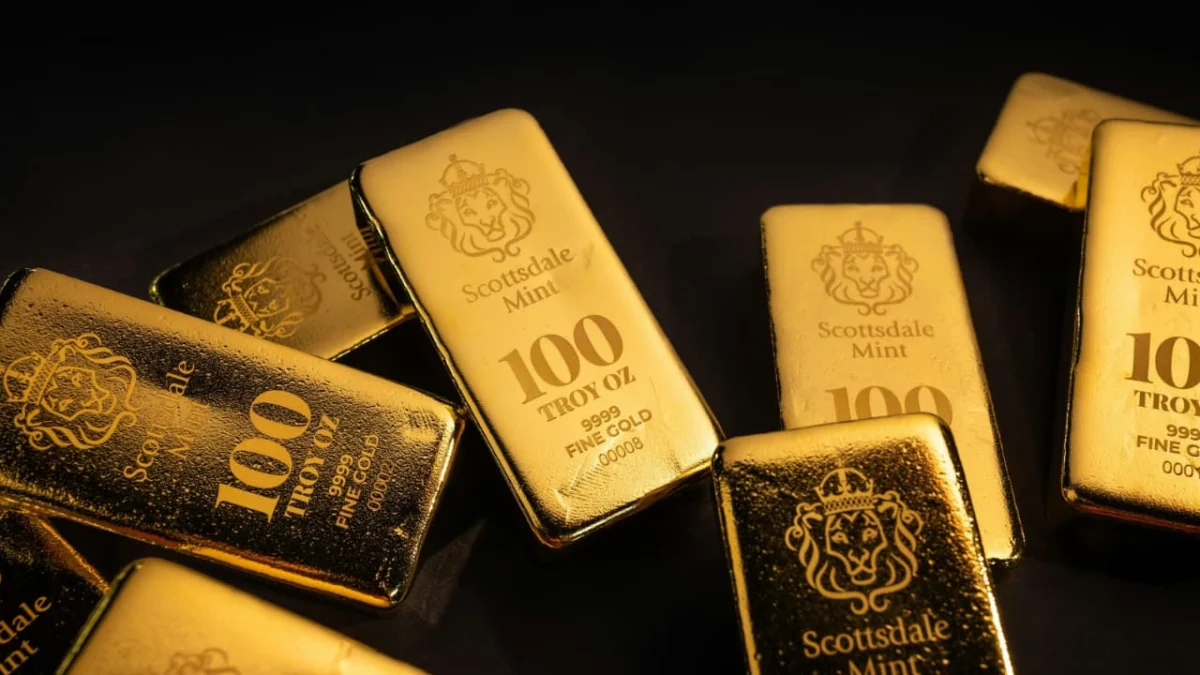
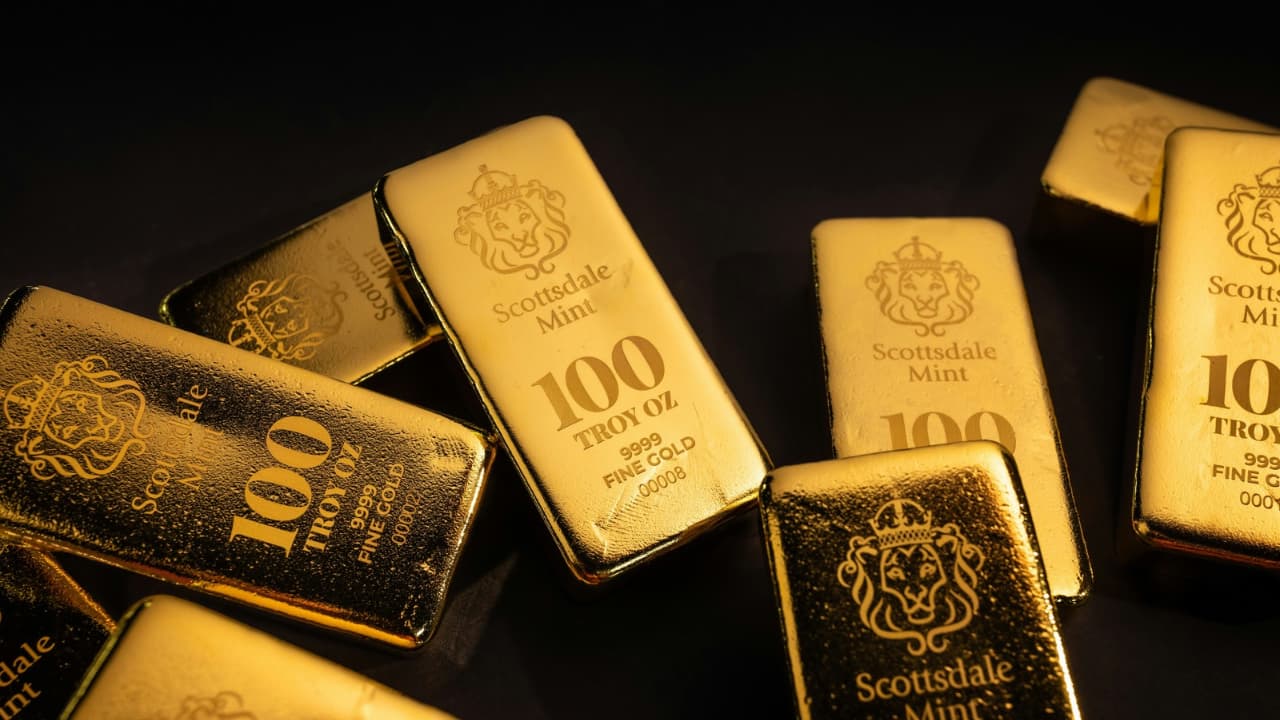
The global gold market, traditionally viewed as a bedrock of stability and a "safe-haven" asset, has been navigating a period of heightened volatility throughout the first half of October 2026. As of October 12, gold prices have experienced a notable dip, reflecting the broader anxiety gripping global financial markets. This turbulence is primarily driven by a dual-threat narrative: persistent, stubborn inflation figures and the looming prospect of further interest rate hikes by the United States Federal Reserve.
For investors, the precious metal has become a barometer of global macroeconomic uncertainty. As the cost of borrowing rises and the dollar gains strength, the opportunity cost of holding non-yielding assets like gold has become increasingly apparent, leading to a recalibration of portfolios across major financial hubs, including Delhi, Mumbai, and beyond.
Main Facts: The Current Market Landscape
The current decline in gold prices is not an isolated event but a reaction to the Federal Reserve’s hawkish stance. With inflation proving more resilient than central bankers initially projected, the market has begun to price in a "higher-for-longer" interest rate environment.
Gold, which typically benefits from low interest rates and a weaker currency, has found itself under significant pressure. As yields on U.S. Treasury bonds climb, they offer a more attractive alternative for risk-averse investors, draining liquidity from the bullion market. Furthermore, the strengthening of the U.S. Dollar Index (DXY) has made gold—which is priced in dollars—more expensive for international buyers, further dampening demand.
The recent price correction, observed as of October 12, reflects a market that is fundamentally questioning the timing of a potential "pivot" by the Fed. If inflation continues to hover above the 2% target, the prospect of rate cuts remains a distant reality, keeping gold trapped in a defensive posture.
Chronology: A Turbulent Path Through October
The last two weeks have been characterized by a "wait-and-see" approach among institutional investors and retail traders alike.
- October 1–3: Markets opened the month with cautious optimism, as some analysts hoped for a cooling in the Consumer Price Index (CPI). Gold saw minor gains as investors hedged against potential geopolitical instability.
- October 5–7: A series of data releases indicated that consumer spending remained robust despite high prices. This sparked a sell-off in gold as traders began to anticipate that the Fed would have "room" to keep rates elevated.
- October 9–10: Federal Reserve officials made public comments reiterating their commitment to price stability. The rhetoric was interpreted as explicitly hawkish, leading to a sharp retreat in precious metal prices across Asian and Western exchanges.
- October 12: The market reached a local support level as investors began to digest the implications of a prolonged high-rate environment, leading to the current state of volatility and price consolidation.
Supporting Data: Economic Indicators and Correlations
To understand the current state of the gold market, one must analyze the interplay between three key variables: the Fed Funds Rate, the Consumer Price Index (CPI), and the U.S. Dollar Index.
The Interest Rate Sensitivity
The Federal Reserve’s "dot plot" projections remain the primary compass for gold traders. Historically, there is a strong inverse correlation between real interest rates and gold prices. When real interest rates are negative or low, gold performs exceptionally well. However, in late 2026, as the Fed has successfully pushed real yields into positive territory, the fundamental appeal of gold as an inflation hedge has been challenged.
Inflationary Stubbornness
Despite aggressive rate hikes, the "stickiness" of service-sector inflation has confounded economists. The latest reports show that while goods inflation has moderated, wage-price spirals in key industries continue to put upward pressure on the broader CPI. This data suggests that the Fed’s work is not yet finished, a sentiment that gold investors have begun to internalize.
Physical Demand vs. ETF Outflows
While retail demand in hubs like India—where festive seasons typically drive consumption—remains resilient, this has been offset by heavy outflows from gold-backed Exchange Traded Funds (ETFs). Institutional investors are increasingly rotating out of gold and into short-term cash equivalents and high-yield corporate bonds, exerting downward pressure on spot prices.
Official Responses and Expert Outlook
The sentiment from policymakers has been clear and unwavering. Fed Chair Jerome Powell and other regional governors have emphasized that "the job is not done." In recent press conferences, the consensus among committee members is that restoring price stability is a prerequisite for long-term economic health, even if it entails a period of "painful" economic slowing.
Market analysts are divided on the short-term trajectory. Some, like the analysts at major investment banks, argue that gold could face further downside if the Fed signals an additional 25-basis-point hike before year-end. Conversely, contrarian analysts suggest that the current volatility is a buying opportunity, noting that the global debt burden makes a sustained high-interest-rate environment unsustainable in the long run.
"The market is essentially testing the Fed’s resolve," noted one market strategist. "Gold is simply caught in the middle of this high-stakes game of economic chicken."
Implications: What Does This Mean for the Average Investor?
The current volatility carries significant implications for various stakeholders:
1. For the Retail Consumer
For those in India and other gold-consuming nations, the current price dip may be viewed as an entry point. However, it is essential to distinguish between a temporary fluctuation and a long-term trend. The fluctuating rupee against the dollar also plays a role; a weaker local currency can sometimes negate the gains from lower global gold prices, making the "cost" of gold for the average household remain high.
2. For Portfolio Diversification
Investors who hold gold as a "portfolio insurance" policy are advised not to panic. Financial planners often suggest that gold should occupy 5% to 10% of a diversified portfolio to hedge against systemic risk. While the price is currently suppressed by interest rate expectations, the fundamental value of gold as a hedge against currency debasement remains unchanged.
3. Macro-Economic Stability
The reliance on high interest rates to combat inflation is a double-edged sword. If the Fed keeps rates too high for too long, it risks triggering a recession. In such a scenario, gold would likely see a dramatic "flight to safety," reversing its current downward trend. Therefore, the current volatility is a reflection of the market’s fear of both inflation and a policy-induced recession.
Future Outlook: Navigating the Uncertainty
As we look toward the remainder of 2026, the trajectory of gold will depend almost entirely on incoming data. The market will be watching the next labor market report and the following CPI print with intense scrutiny.
If the data shows a meaningful cooling of the economy, we may see the Federal Reserve signal a pause, which would likely provide the necessary fuel for a gold rally. If, however, the economy remains "too hot," the pressure on gold will likely persist through the final quarter of the year.
For now, the advice to investors remains consistent: remain disciplined, monitor the central bank’s communications closely, and avoid making reactionary decisions based on short-term price movements. Gold remains a timeless asset, but in the current climate, it requires a steady hand and a clear understanding of the macroeconomic forces at play.
The coming weeks will undoubtedly be a defining period for the precious metal market, as it continues to balance the weight of historical precedent against the unprecedented challenges of the 2026 global economy.