










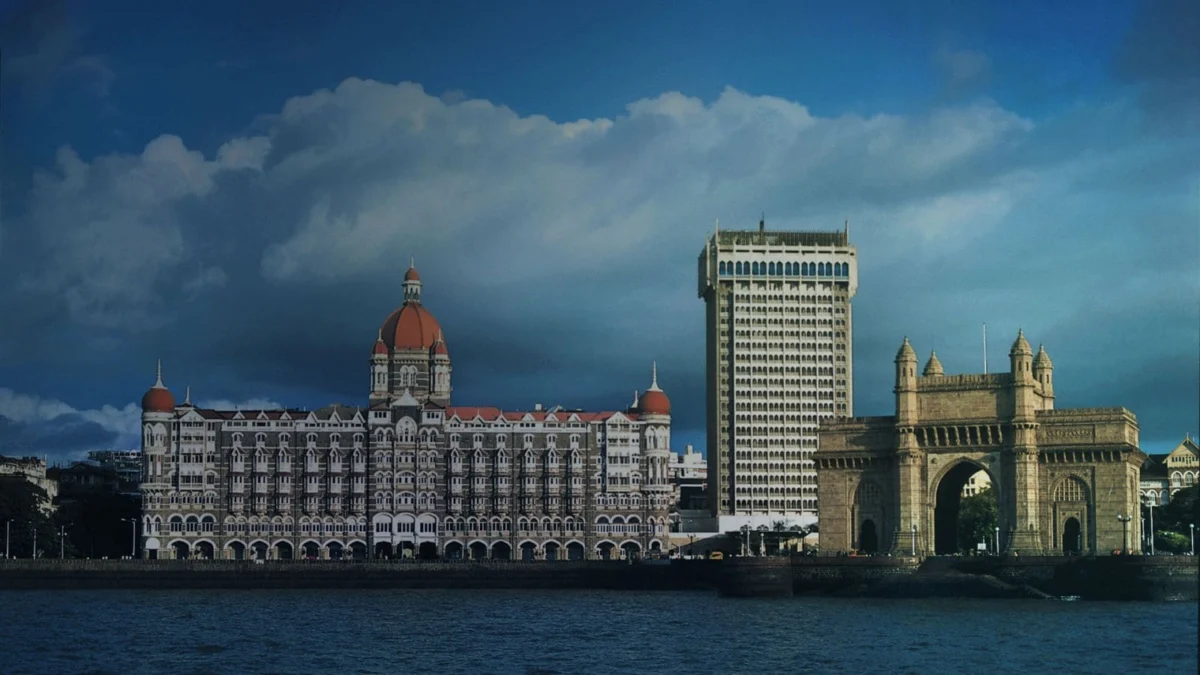
MUMBAI — Driven by an insatiable domestic appetite for travel, an extended festive calendar, and a structural supply crunch across the Indian subcontinent, The Indian Hotels Company Ltd. (IHCL)—the hospitality titan behind iconic brands like Taj and Ginger—is gearing up for a blockbuster second half of the 2026-27 financial year (FY27).
According to Managing Director and Chief Executive Officer Puneet Chhatwal, the company’s revenue growth is poised to comfortably outpace its previous guidance. Even during the historically muted second quarter, IHCL’s performance outstripped internal forecasts, setting the stage for what executives believe could be a record-breaking festive and wedding season.
At a time when major global economies are navigating macro-economic headwinds, India’s travel and tourism sector is acting as a massive economic engine. With structural imbalances deeply favoring hotel operators, IHCL is capitalizing on the moment by reshaping its internal brand architecture, pursuing aggressive domestic and international expansions, and positioning itself to capture the massive upside of an evolving consumer class.
Main Facts: The Core Drivers of IHCL’s Outperformance
The overarching narrative for IHCL in late 2026 is simple: demand is running miles ahead of supply, giving hotels unbridled pricing power.
- Beating Guidance: IHCL’s revenue growth is tracking above its baseline guidance. While the company maintains an organic target of 12% to 14% top-line growth, Chhatwal noted that a growth trajectory exceeding 15% is entirely achievable for the fiscal year.
- Supply-Demand Mismatch: Industry-wide data from the first half of FY27 reveals a stark divergence. Hospitality demand surged by 8.6%, while new inventory crawled up by a mere 3.9%. This imbalance has allowed tier-1 markets and primary leisure destinations—including Mumbai, Delhi, Goa, and Rajasthan—to maintain high Average Daily Rates (ADRs) and robust occupancy.
- A Stellar October: October is shaping up to be an extraordinary month for the hospitality major. A favorable shift in the calendar dates for Dussehra, Diwali, and the ensuing peak wedding season has created a massive compression of room nights and banqueting demand.
- Market Valuation: On the stock exchanges, IHCL shares were trading at ₹712 on the National Stock Exchange (NSE) around mid-day, boasting a market capitalization of ₹1,01,526.30 crore. Despite short-term stock consolidation—with shares down over 1% on a trailing one-year basis—the underlying operational metrics of the enterprise remain exceptionally robust.
Chronology and Context: Navigating Post-Pandemic Shifts to Peak Performance
To understand IHCL’s current trajectory, one must look back at the dramatic transformation the Indian hospitality industry has undergone over the last half-decade.
1. The COVID-19 Reset and the Pivot to Asset-Light
When the pandemic paralyzed global mobility in 2020, IHCL—like its peers—faced an existential crisis. However, rather than scaling back entirely, the company accelerated its pivot toward an asset-light management contract model under its "Ahvaan 2025" and subsequent strategic blueprints. This allowed the company to expand its footprint rapidly without inflating its balance sheet with heavy capital expenditures.
2. The Post-Pandemic "Revenge Travel" Wave (2022–2024)
As lockdowns lifted, the Indian consumer market witnessed an unprecedented wave of "revenge travel." Domestic tourism exploded, replacing the sluggish recovery of inbound foreign tourist arrivals (FTAs). IHCL was uniquely positioned to capture this demand through its diversified brand portfolio, ranging from ultra-luxury palaces to lean-luxe select services.
3. The FY27 Turning Point (August–October 2026)
Moving into the first half of FY27, the industry anticipated a seasonal moderation during the monsoon months of August and September. While airline catering subsidiary TajSATS felt some pinch due to aviation disruptions during these months, the core hotel business defied seasonal gravity. By October 2026, the convergence of major religious festivals and a heavy wedding calendar triggered an immediate surge in bookings, setting up H2 FY27 to be a historic period for profitability and revenue expansion.
Supporting Data: Numbers That Tell the Story
A deep dive into the operational metrics reveals why IHCL’s leadership is so bullish on the second half of FY27:
- 8.6% vs. 3.9%: The crucial delta in the Indian hospitality market. Demand growth is more than double the rate of new supply additions. This structural deficit ensures that discounting remains low and pricing power stays firmly in the hands of hotel general managers.
- Brand-Specific Projections:
- Select Services (Ginger): Projected to achieve an aggressive top-line growth of 25% to 30%. Ginger’s modern, lean-luxe redesign has struck a massive chord with India’s rising corporate middle class and budget-conscious leisure travelers.
- Full Services (Taj, SeleQtions, Vivanta): Projected to grow at 15% to 20%, buoyed by robust corporate travel, high-end experiential leisure, and large-scale destination weddings.
- International Footprint Scaling:
- The recently launched Taj Frankfurt is stabilizing ahead of schedule, marking a successful foothold for Indian luxury hospitality in Western Europe.
- Three new luxury lodges in South Africa’s iconic Kruger National Park are slated to become fully operational within the next six months, deepening IHCL’s African footprint.
Official Responses and Strategic Restructuring
Speaking candidly about the company’s internal dynamics, Puneet Chhatwal emphasized that IHCL is future-proofing its corporate structure to handle disparate growth velocities across its portfolio.
Restructuring for Targeted Growth
"The revenues have exceeded our expectations. That’s all I would say," Chhatwal remarked while discussing Q2 performance. To sustain this momentum, IHCL has structurally reorganized its operations.
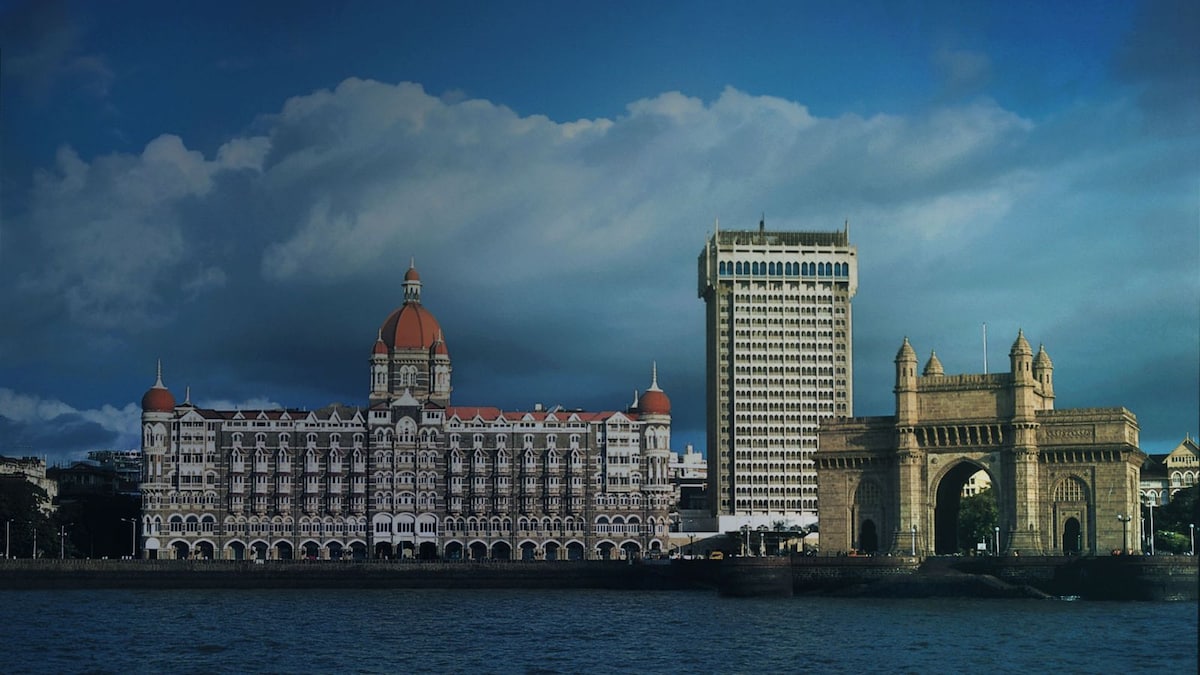
The company has formally separated its select-services and full-services businesses, placing each under dedicated, specialized leadership teams. This ensures that the nimble, rapid-expansion playbook required for the Ginger brand does not get bogged down by the meticulous, high-touch operational demands of the flagship Taj palaces.
Airline Catering and Strategic Partnerships
Addressing the temporary headwinds faced by TajSATS—IHCL’s airline catering joint venture—Chhatwal expressed confidence in an imminent turnaround. While August and September saw localized disruptions in the Indian aviation sector, the addition of new international flight frequencies and partnerships is expected to catalyze a rebound.
"New airline partnerships and higher frequencies, including those from Air India and Scandinavian Airlines, are expected to support growth in the coming quarters," Chhatwal noted.
Furthermore, on the mergers and acquisitions front, Chhatwal hinted that IHCL is actively evaluating targets. While he kept details under wraps ahead of the official quarterly earnings release, he confirmed that the company is on the prowl for strategic assets that can accelerate its domestic density and international ambitions.
Market Implications: What This Means for Investors and the Broader Tourism Ecosystem
IHCL’s stellar performance outlook carries several profound implications for the Indian stock market, the broader tourism economy, and macroeconomic policy.
1. Re-rating Potential for Hospitality Equities
For patient investors, IHCL’s current stock consolidation—trading around ₹712 with a market cap of over ₹1,01,500 crore—may represent an attractive accumulation zone. As the company consistently beats revenue guidance and demonstrates margin expansion driven by high ADRs, institutional interest in hospitality stocks is expected to deepen.
2. The Dominance of Domestic Tourism
A critical takeaway from Chhatwal’s insights is the structural shift in India’s tourism paradigm. Even though foreign tourist arrivals (FTAs) have lagged behind pre-pandemic benchmarks, the domestic travel market has more than compensated. India’s rising disposable incomes, infrastructure upgrades (such as regional airport development via UDAN and new expressways), and a cultural shift toward experiential spending have made the domestic tourism market largely recession-resilient.
3. Global Recognition: The WTTC Global Summit 2027
Looking further ahead, Chhatwal highlighted a massive upcoming catalyst for the country: India’s hosting of the World Travel & Tourism Council (WTTC) Global Summit in 2027. Anticipated to draw between 3,000 and 5,000 global tourism leaders, policymakers, and delegates, this prestigious event will act as a global showcase for India’s hospitality infrastructure. It is expected to fast-track the recovery of inbound international travel and solidify India’s reputation as an elite global tourism destination.
Conclusion
As The Indian Hotels Company Ltd. navigates the remainder of FY27, the convergence of strong macroeconomic tailwinds, an unyielding supply-demand imbalance, and a meticulously executed restructuring plan places the company in an enviable position.
By balancing the rapid, volume-driven expansion of its select-services brand Ginger with the timeless, pricing-resilient luxury of Taj, IHCL is proving that Indian hospitality has entered a golden age. With a blockbuster festive season underway and international expansion milestones on the horizon, the hospitality bellwether is well on its way to redefining what value creation looks like in the Indian consumer space.



