










For modern drivers, the luxury of a crystal-clear rear-view feed is often taken for granted. Today, almost every new vehicle rolling off the assembly line comes equipped with high-definition backup cameras, turning the once-stressful act of parallel parking into a simple, low-stakes maneuver. However, for millions of owners of older vehicles, the "rear-view experience" remains limited to traditional mirrors and a fair amount of guesswork.
If you are looking to bridge the technological gap between your vintage ride and the modern standard, aftermarket backup cameras provide an accessible, cost-effective solution. While these systems may not possess the seamless integration of a factory-installed unit, they are undeniably a game-changer for safety and spatial awareness.
The Main Facts: Why Upgrade Your Older Vehicle?
The primary motivation for installing an aftermarket camera is safety. According to various traffic safety administrations, thousands of "back-over" accidents occur annually, many of which involve pedestrians or stationary objects in the vehicle’s "blind zone."
An aftermarket backup camera is essentially a secondary eye for your vehicle. It provides a wide-angle, real-time visual feed of the area directly behind your bumper—an area that is physically impossible to see using only standard mirrors. Whether you are navigating a tight urban parking garage, hitching a trailer, or simply backing out of a busy driveway, the added visual context significantly reduces the cognitive load on the driver.
There are two primary categories of aftermarket systems:
- Wired Systems: These offer the most stability and lowest latency. However, they often require professional installation to thread cables through the chassis, potentially costing upwards of $600 in labor and parts.
- Wireless Systems: These are the preferred choice for DIY enthusiasts. By eliminating the need to tear apart interior trim panels to route wires, these systems offer a "plug-and-play" experience that can be completed in an afternoon.
A Chronological Evolution: From Luxury to Standard
The history of the backup camera is a testament to the rapid pace of automotive innovation.
- The Early Concepts (1950s–1990s): The concept of a rear-view camera was first experimented with in the mid-1950s, most notably in the 1956 Buick Centurion concept car. However, the technology was bulky, expensive, and limited by the primitive state of video monitors.
- The Luxury Integration (2000s): Backup cameras began appearing in production luxury vehicles in the early 2000s (e.g., the 2002 Infiniti Q45). At this stage, it was a high-end novelty.
- The Regulatory Push (2010s): In the United States, the National Highway Traffic Safety Administration (NHTSA) eventually mandated that all new vehicles under 10,000 pounds manufactured on or after May 1, 2018, must be equipped with a rearview visibility system.
- The Aftermarket Boom (2020s–Present): With the proliferation of wireless technology and miniaturized camera sensors, the aftermarket sector has exploded. Consumers can now purchase sophisticated systems for as little as $40, democratizing vehicle safety.
How Does the Technology Actually Work?
At the core of an aftermarket wireless backup camera system lies a transmitter and a receiver. The camera, mounted near the license plate or the rear bumper, captures video data and encodes it into a digital signal.
The Connectivity Spectrum
Most modern aftermarket cameras rely on one of three wireless protocols:
- Dedicated 2.4GHz/5GHz Digital Radio Frequencies: These are the gold standard for aftermarket kits. They provide a stable, point-to-point connection that does not interfere with your home Wi-Fi.
- Wi-Fi Direct: Many budget-friendly systems use a Wi-Fi signal to beam video to your smartphone. While convenient, these systems sometimes suffer from signal lag or interference.
- Bluetooth: While once common, Bluetooth is becoming less popular for video streaming due to its lower bandwidth capabilities, which can lead to grainy, low-resolution footage.
Powering the System
The installation method dictates how the device draws power. Hardwired systems are typically spliced into the vehicle’s reverse light circuit. When you shift the transmission into "Reverse," the circuit closes, power flows to the camera, and the monitor on your dash activates.
Solar and Battery-powered systems represent the cutting edge of convenience. These units require no splicing. They remain in a "sleep" mode until they detect motion or until the user opens the corresponding app on their smartphone. This makes them ideal for vehicles where the owner is uncomfortable touching the electrical wiring.
Supporting Data: Performance and Limitations
When comparing aftermarket wireless systems to factory-installed units, it is essential to manage expectations.
Resolution and Compression
Factory systems are hardwired directly into the vehicle’s infotainment computer, allowing for uncompressed, high-definition video. In contrast, wireless aftermarket cameras must compress the video data to send it over the air. This often results in a lower-resolution feed and potential "ghosting" or digital artifacts.
The "Latency" Factor
Wireless signals are subject to the laws of physics. There is almost always a millisecond delay between the camera capturing an image and the monitor displaying it. While this delay is usually negligible for low-speed maneuvering, it is a critical factor for drivers to recognize; the feed is an aid, not a replacement for looking over your shoulder.
Environmental Vulnerability
Unlike factory cameras, which are often tucked away in protected recesses of the trunk lid or bumper, aftermarket cameras are usually exposed to the elements. Dust, road grime, and salt spray can accumulate on the lens, significantly degrading image quality. Regular maintenance—wiping the lens with a soft, damp cloth—is non-negotiable for consistent performance.
Official Perspectives and Industry Insights
Industry experts emphasize that while aftermarket cameras are excellent for visibility, they rarely provide the "full package" found in a modern vehicle.
"When you buy a car today, you aren’t just getting a camera; you are getting an integrated sensor suite," says automotive safety consultant Marcus Thorne. "Factory systems include Ultrasonic Parking Sensors (UPS) that provide audible alerts—the ‘beeps’ that change frequency as you approach an obstacle. Most aftermarket camera kits are purely visual. They do not have the computer vision capabilities to measure distance or warn you if you are about to strike a bollard."
Consumer safety groups warn that users should not rely solely on the screen. The wide-angle "fish-eye" lens, while excellent for capturing a broad field of view, creates distortion. Objects may appear further away than they actually are, which can lead to miscalculations if the driver is not accustomed to the lens geometry.
Implications for the Future of Vehicle Upgrades
The shift toward modular, wireless technology has massive implications for the automotive aftermarket. We are moving toward a future where "smart" upgrades are no longer the domain of professional mechanics.
The Rise of Modular "Smart" Mirrors
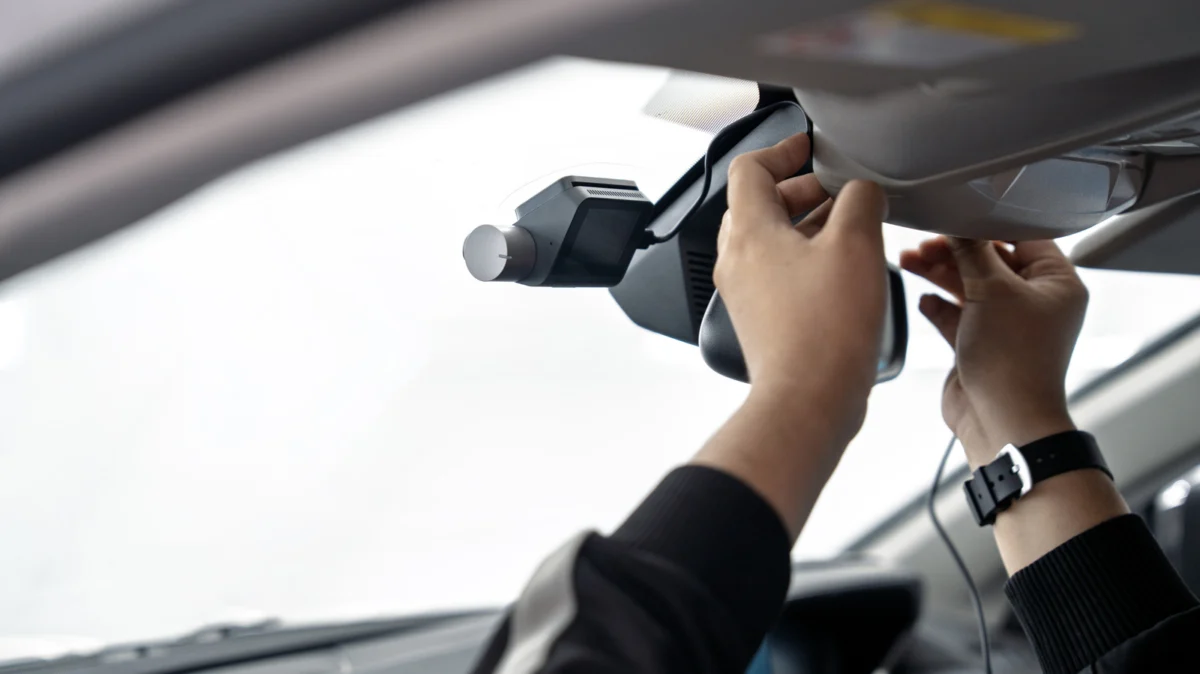
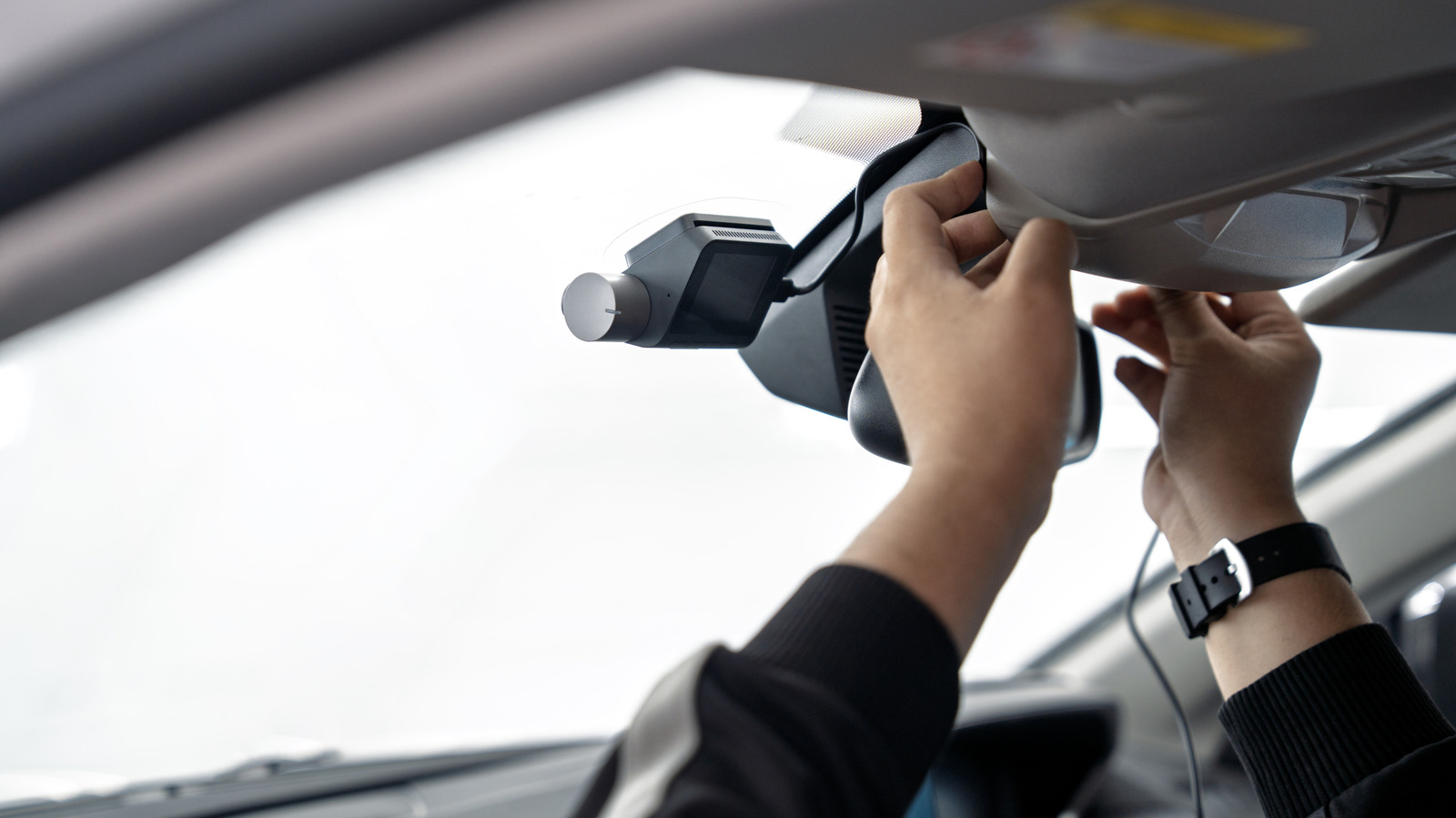
One of the most popular trends in the aftermarket space is the "Replacement Rear-View Mirror." These devices clip over your existing mirror and contain a hidden LCD screen. When in reverse, the mirror becomes a monitor. When in drive, it reverts to a standard reflective surface. This solves the problem of "dashboard clutter" and provides a cleaner aesthetic that mimics modern factory builds.
Integration with IoT and Mobile Ecosystems
As more aftermarket systems integrate with Apple CarPlay and Android Auto, the gap between "old" and "new" continues to shrink. Future iterations will likely feature AI-assisted object detection, using the processing power of the driver’s smartphone to identify pedestrians or pets and alert the driver with a visual or audible prompt.
Environmental Considerations
The move toward solar-powered cameras is a significant step forward in sustainability. By removing the need for copper wiring and plastic wire looms, these systems reduce the environmental footprint of the modification. Furthermore, they encourage the longevity of older vehicles, supporting the "right to repair" movement by making it easier to keep older, reliable cars on the road longer.
Conclusion: Is an Aftermarket Camera Right for You?
If you drive an older vehicle and find yourself struggling with visibility, the investment in an aftermarket backup camera is almost certainly worth the cost. For less than the price of a standard car service, you can significantly enhance the safety of your daily commute.
Key Takeaways for Buyers:
- Choose Wisely: Opt for digital radio frequency systems over Bluetooth to ensure better signal stability.
- Prioritize Placement: Ensure the camera is mounted at a height that offers a clear, downward-angled view of the bumper.
- Understand the Limits: Remember that you are buying a camera, not an obstacle-detection system. Do not rely on audible warnings unless your kit specifically includes sensors.
- Maintain the Hardware: Treat the lens with care. A clean lens is the difference between a clear view and a pixelated blur.
As the automotive landscape continues to evolve, the ability to retrofit older vehicles with modern safety technology is a powerful tool for any car owner. By understanding the technology behind these cameras, you can make an informed decision that keeps you, your vehicle, and your surroundings safer than ever before.



