










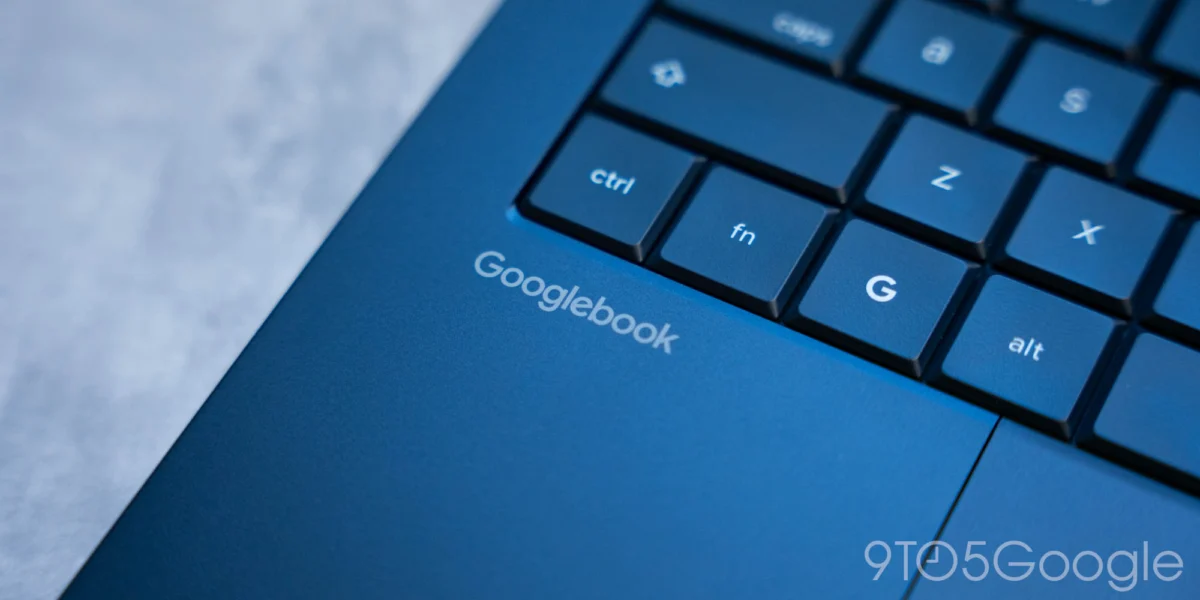
The promise of a seamless ecosystem has long been the "holy grail" for personal computing. When Google introduced the Googlebook—a desktop platform designed to serve as the ultimate bridge between hardware and the vast Android ecosystem—the central selling point was its "Better Together" suite of features. These tools were intended to make the line between your smartphone and your desktop virtually disappear. However, the platform’s launch was marred by inconsistent performance, convoluted setup processes, and a glaring omission: a lack of support for the world’s most popular Android devices, Samsung’s Galaxy lineup.
In a significant move to rectify these early-day struggles, Google has begun rolling out a series of updates aimed at stabilizing the "Better Together" experience. Most notably, these patches finally bring Samsung Galaxy devices into the fold, resolving one of the most cited frustrations among early adopters.
The State of "Better Together": A Rocky Launch
At the heart of the Googlebook value proposition is the promise of fluid interoperability. Users were promised features like real-time app streaming, unified notification management, and "Continue On" functionality—which allows users to pick up exactly where they left off on their phone while working on their Googlebook.
At launch, however, the reality fell short of the marketing. While features like Instant Hotspot generally performed well, the overall suite was plagued by latency, inconsistent synchronization, and a setup process that felt more like a technical hurdle than a convenience. For many users, features would sporadically disconnect or fail to initialize entirely. The consensus among reviewers and early users was that the software was "messy," requiring an excessive amount of manual intervention to maintain a stable connection between devices.
A Chronology of the Fix
The path to this update has been a source of frustration for many, particularly those invested in the Samsung ecosystem.
- Launch Window (October 2026): Googlebook hits the market with limited cross-device functionality. Users report that while some features are operational, they are difficult to configure.
- The Samsung Omission: It is quickly discovered that despite being the largest segment of the Android market, Samsung Galaxy devices are effectively locked out of the "Better Together" ecosystem. Google offers a vague promise of support arriving "in the coming weeks."
- User Backlash: Reddit and other support forums become flooded with requests for clarity on the Samsung timeline and complaints regarding the persistent QR pairing bug, which would continue to display on the desktop screen long after a connection was successfully established.
- The Current Update Cycle: Google officially acknowledges the friction in the setup process, announcing a rollout of streamlined, simplified pairing sequences. Simultaneously, the company releases updates to Google Play Services (version 26.37) and Cross-device Services (version 1.0.1346) that, implicitly and explicitly, enable full functionality for Samsung users.
Technical Requirements and Implementation
For users looking to take advantage of these improvements, the process involves ensuring that both the handset and the desktop environment are running the latest software iterations. The update is not a singular "magic switch," but rather a two-pronged requirement involving the Google Play Services framework on the phone and the native Cross-device Services application.
The Essential Checklist:
- Google Play Services: Users must ensure their device is updated to at least version 26.37. This can be verified and updated directly through the Google Play Store.
- Cross-device Services: The specialized service layer must be updated to version 1.0.1346.
- Samsung-Specific Requirements: Even with the aforementioned software updates, Samsung users must be running One UI 9. As this is a relatively new version of Samsung’s proprietary interface, it is currently limited to their latest flagship models, meaning users with older or mid-range hardware may still face a waiting period until the firmware reaches their specific device.
The fix for the persistent QR code bug—which previously forced users to re-pair their devices repeatedly due to the interface failing to recognize a successful handshake—has been hailed as a significant quality-of-life improvement. By reducing the steps required for the initial handshake, Google is effectively lowering the barrier to entry for non-technical users who may have been discouraged by the initial setup complexity.
Official Response and Community Feedback
Google’s recent communication on platforms like Reddit has been uncharacteristically transparent regarding the "first-time setup" issues. By admitting that the initial deployment was overly complex, the company has signaled a pivot toward a more user-centric software philosophy.
Community reaction has been cautiously optimistic. Users who were previously unable to stream apps or sync notifications from their Galaxy devices have taken to social media to confirm that the functionality is now live. "It’s finally working as advertised," one Reddit user noted, though they were quick to add that the delay in supporting Samsung—the most prominent Android manufacturer—remained a point of contention.
Speculation regarding why the support was initially missing had previously centered on a potential lack of coordination between Samsung and Google’s engineering teams. However, with the current updates, it appears that the issue was not a hardware incompatibility, but rather a lack of optimization within the software bridge itself.
Implications for the Ecosystem
The integration of Samsung Galaxy devices into the Googlebook ecosystem is a critical milestone for Google. In the world of desktop computing, Apple has long held the advantage with its "walled garden" approach, where iPhones, iPads, and Macs communicate with near-perfect reliability. Google’s attempt to replicate this across a fragmented landscape of third-party hardware is significantly more difficult, but it is also essential for the long-term viability of the Googlebook.
The "Better Together" Challenge
The implications of this update are twofold:

- Market Credibility: By finally supporting Samsung, Google has validated the Googlebook for the largest demographic of Android users. Without this, the platform risked being relegated to a niche product for Pixel users only.
- Software-as-a-Service Reliability: The reliance on Google Play Services and Cross-device Services to "patch" the experience highlights a core strength of Google’s strategy—the ability to iterate rapidly. Unlike traditional OS updates that might require a full system re-flash, Google can push these modular updates to millions of devices simultaneously.
However, the "vague" nature of the original "coming weeks" promise remains a point of criticism. In the professional world, where users rely on their devices for productivity, uncertainty regarding feature support can be a deal-breaker. Google will need to improve its communication transparency if it hopes to convince enterprise users to move away from established players like Microsoft or Apple.
Looking Ahead: The Road to Stability
While these updates represent a major step forward, the "Better Together" suite is still in its infancy. Future iterations will likely need to address the remaining latency in app streaming and the battery impact of keeping a constant cross-device bridge active.
For now, the focus for Google is clear: stabilize the foundation, expand the reach to all major Android manufacturers, and ensure that the setup process is invisible to the user. The Googlebook is a bold experiment in platform convergence. If Google can maintain this pace of improvement, it may yet succeed in creating a desktop experience that is not just an alternative to Windows or macOS, but a superior companion to the billions of Android devices already in circulation.
As the dust settles on this update, the ball is firmly in the court of the users. For those who were waiting for "official" Samsung support before purchasing, the barrier to entry has finally been removed. The success of the Googlebook will ultimately be measured not by its technical specifications, but by how reliably it can live up to its name: making your devices work better, together.



