










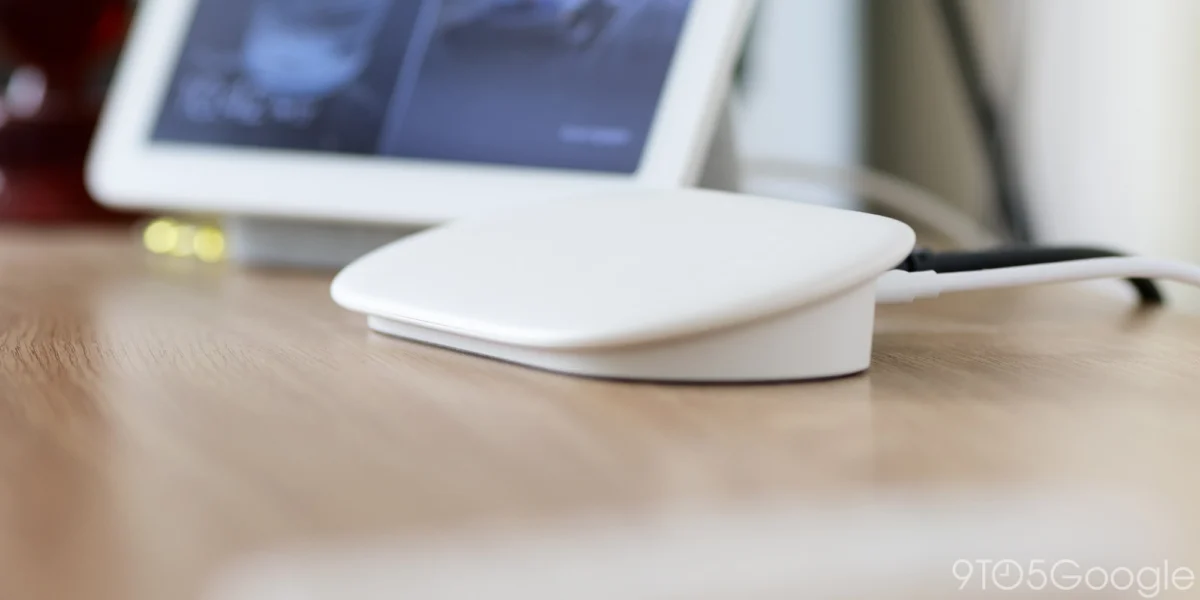
The landscape of the modern living room is undergoing a seismic shift. For years, the streaming hardware market was defined by dongles and budget-friendly sticks, but as user expectations evolve toward integrated smart home management and high-fidelity performance, the industry is pivoting toward more robust, centralized hardware. This week, reports confirmed that a next-generation Google TV Streamer is currently in development—a move that signals Google’s intent to double down on its hardware strategy despite an increasingly crowded and competitive ecosystem.
As the smart home sector matures, Google finds itself at a critical juncture. While its software ecosystem remains dominant, the hardware that powers it faces stiff competition from established rivals and emerging tech trends.
Main Facts: What We Know About the Next-Gen Streamer
The upcoming hardware iteration, colloquially referred to as the next-generation Google TV Streamer, represents a departure from the "Chromecast" branding that defined the company’s streaming efforts for over a decade. While specific technical specifications remain under wraps, internal leaks suggest a focus on a more premium, desktop-class experience that positions the device not just as a content portal, but as a command center for the entire home.
Key Highlights:
- A Shift in Philosophy: Moving away from the hidden-behind-the-TV dongle form factor, the new device is expected to be a more substantial unit, prioritizing connectivity and processing power.
- Enhanced Processing: The device is rumored to feature an upgraded chipset designed to handle complex AI-driven recommendations and faster interface responsiveness.
- Smart Home Integration: Leveraging Google’s Thread and Matter protocols, the new streamer is designed to act as a more reliable hub for smart lighting, security cameras, and thermostat control, effectively bridging the gap between media consumption and home automation.
Chronology: A Decade of Streaming Evolution
To understand why this new device is significant, one must examine the timeline of Google’s hardware journey.
The Dongle Era (2013–2020)
The journey began with the original Chromecast in 2013, a revolutionary device that simplified casting media from mobile devices to the big screen. It was low-cost, unobtrusive, and highly effective. This era established Google as the king of "disposable" streaming tech—devices so cheap they were treated as impulse buys.
The Rise of Google TV (2020–2024)
In 2020, Google transitioned from the "Android TV" brand to "Google TV." The introduction of the Chromecast with Google TV (4K and HD) shifted the paradigm toward a curated, discovery-first user interface. This period saw the integration of sophisticated recommendation engines, though the hardware remained largely constrained by limited storage and thermal performance.
The Current Pivot (2025–Present)
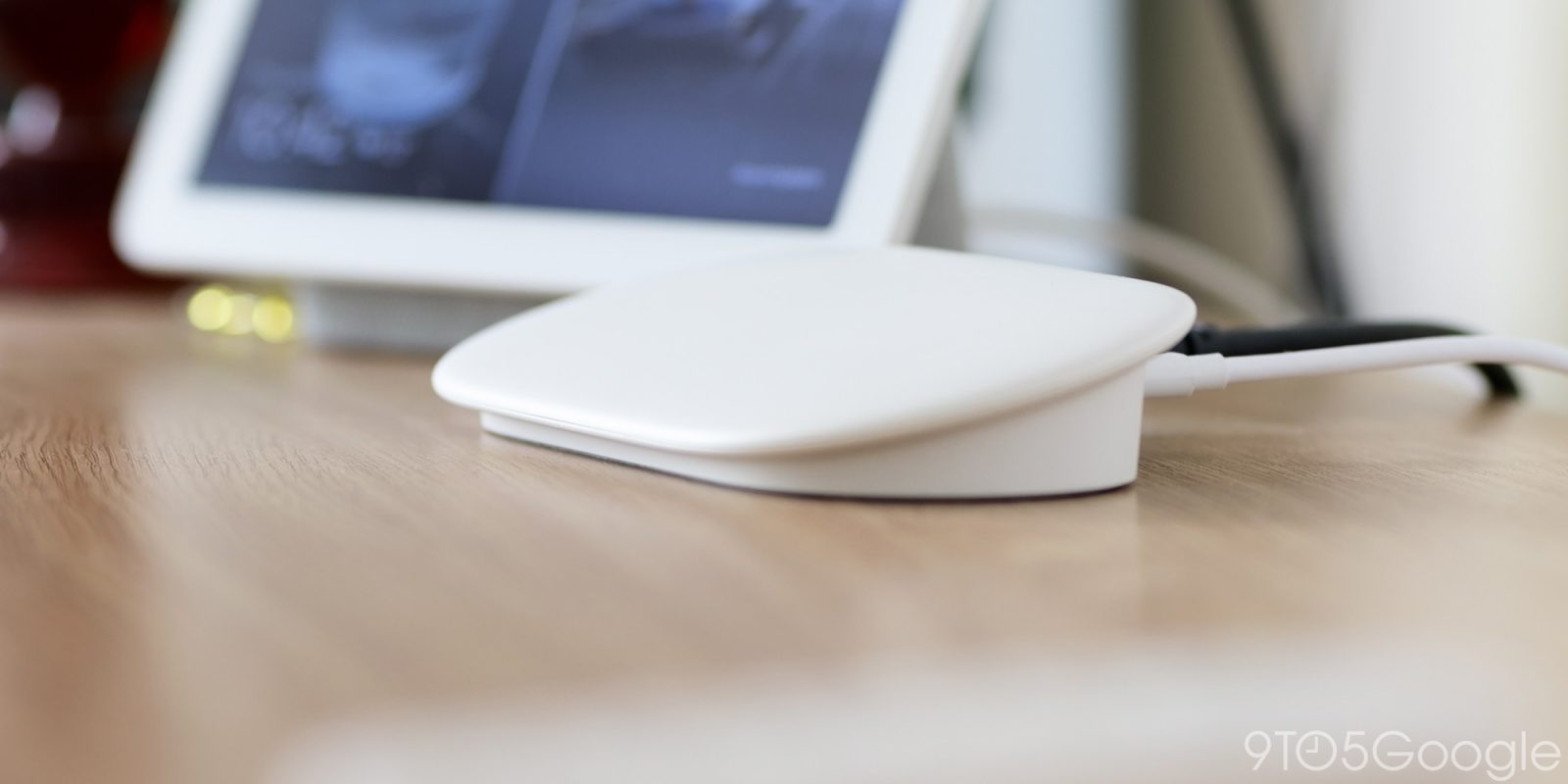
As of mid-2025, the market has shifted. Consumers are no longer just looking for a way to watch Netflix; they are looking for a device that integrates with their smart home ecosystem without latency. The announcement of a new, more powerful streamer marks the end of the "budget dongle" era and the beginning of a "living room hub" strategy.
Supporting Data: The Competitive Landscape
Google is not operating in a vacuum. The streaming device market is currently dominated by a few key players, each of whom has forced Google to rethink its value proposition.
1. The Apple TV Influence
Apple has long held the "premium" segment of the market with the Apple TV 4K. By offering a high-performance A-series chip, robust gaming capabilities, and seamless integration with the Apple HomeKit ecosystem, Apple has proven that consumers are willing to pay a premium for a reliable, fast experience. Google’s new streamer is widely viewed as a direct counter-offensive to this segment.
2. The Amazon Fire TV Dominance
Amazon’s strategy has been volume-based, flooding the market with Fire TV sticks at various price points. By integrating Alexa directly into the hardware, Amazon has captured a significant share of the smart home automation market. Google must now prove that its Google Assistant and Gemini-powered features offer a superior, more intelligent alternative.
3. Smart Home Market Saturation
According to industry reports, the smart home market is expected to grow by nearly 15% annually through 2030. However, fragmentation remains the biggest hurdle. With the adoption of the Matter protocol, consumers now expect their streaming devices to double as Border Routers. Google’s new streamer is positioned to be the backbone of this unified smart home experience, potentially capturing users who are tired of incompatible ecosystems.
Official Responses and Strategic Implications
While Google has remained characteristically tight-lipped regarding specific launch dates or technical blueprints, the company has provided broader context through its recent developer conferences.

Executives have repeatedly emphasized the "ambient computing" vision. In this view, the streaming device is no longer just a peripheral; it is the "brain" of the living room. By embedding more powerful AI capabilities (likely powered by Gemini), Google aims to reduce the "friction" of content discovery. Instead of asking a user to choose from a list of apps, the next-gen streamer will aim to predict viewing habits and automate environmental controls (like dimming lights when a movie starts) with a level of sophistication that current hardware cannot match.
Implications: Can Google Win the Living Room?
The stakes for Google are higher than they might appear. The living room is the final frontier of the digital advertising and services economy.
Challenges Ahead:
- Market Fatigue: Many households are already saturated with streaming sticks. To succeed, the new Google TV Streamer must offer a "must-have" feature, such as significantly improved gaming capabilities or unmatched smart home stability.
- Privacy Concerns: As Google integrates more smart home monitoring and AI-driven recommendations, the company will face increased scrutiny regarding user data and home privacy.
- The "Hidden" Problem: For years, Google’s success was rooted in the "invisible" nature of its dongles. Moving to a larger, more visible device requires a shift in design language. If the hardware isn’t aesthetically pleasing, it may struggle to find a place on the modern minimalist entertainment console.
The Strategic Upside:
If successful, the new device will solidify Google’s position as the primary curator of the digital household. By moving away from the commodity hardware market, Google is attempting to elevate its status from a "content provider" to a "lifestyle facilitator." If the integration between the Google TV interface, the Nest ecosystem, and Gemini AI is seamless, it could create a "walled garden" that is difficult for users to leave, much like Apple’s ecosystem.
Conclusion: The Road Ahead
The news of a next-generation Google TV Streamer is more than just a product update; it is a signal of intent. Google recognizes that the future of streaming is inextricably linked to the future of the smart home. As the lines between media consumption, home security, and personal AI assistants continue to blur, the hardware that sits at the center of the living room becomes the most important piece of real estate in the home.
While the company faces stiff competition from the likes of Apple and Amazon, the transition toward a more powerful, hub-centric device is a necessary step. Whether this device will redefine the category or simply iterate on it remains to be seen. However, one thing is certain: the living room is about to get a lot smarter, and Google is determined to be the one holding the remote.
Disclaimer: This article contains affiliate links. 9to5Google earns a commission on sales generated through these links, which supports our ongoing coverage of the Google ecosystem. For more information, please see our affiliate disclosure.



