










NEW DELHI — In the span of less than a decade, the landscape of Indian telecommunications has undergone an astonishing metamorphosis. What was once a fragmented, hyper-competitive, and margin-eroding market comprising a dozen players has crystallized into a high-stakes, highly lucrative duopoly.
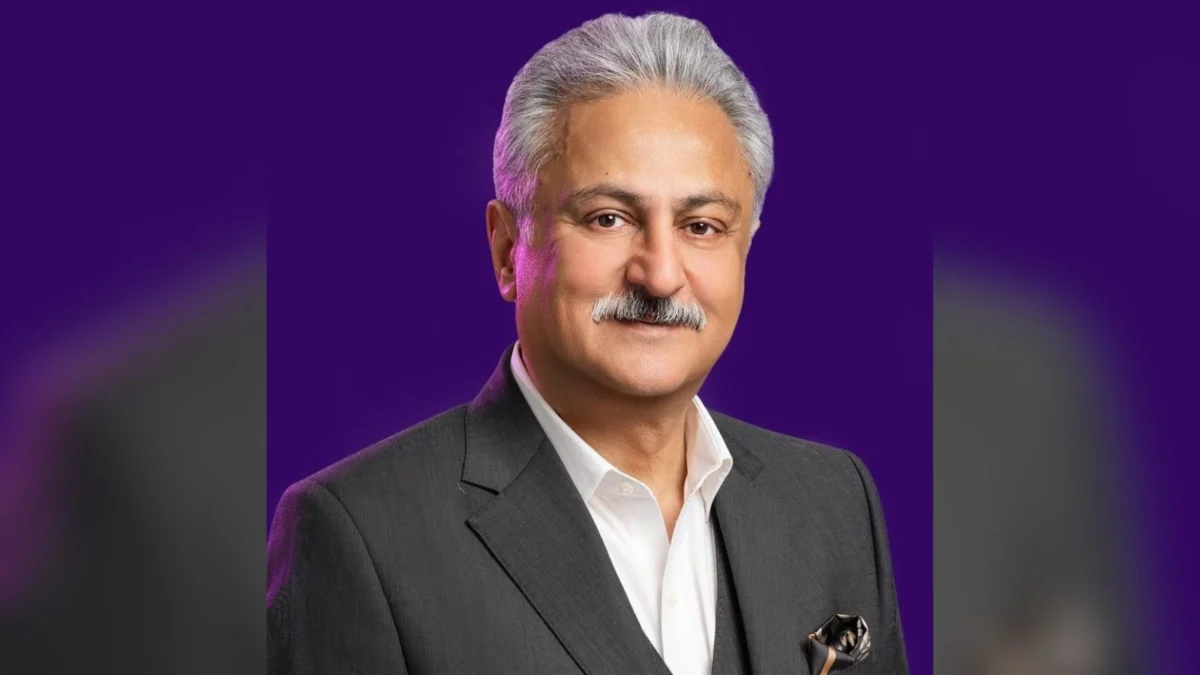
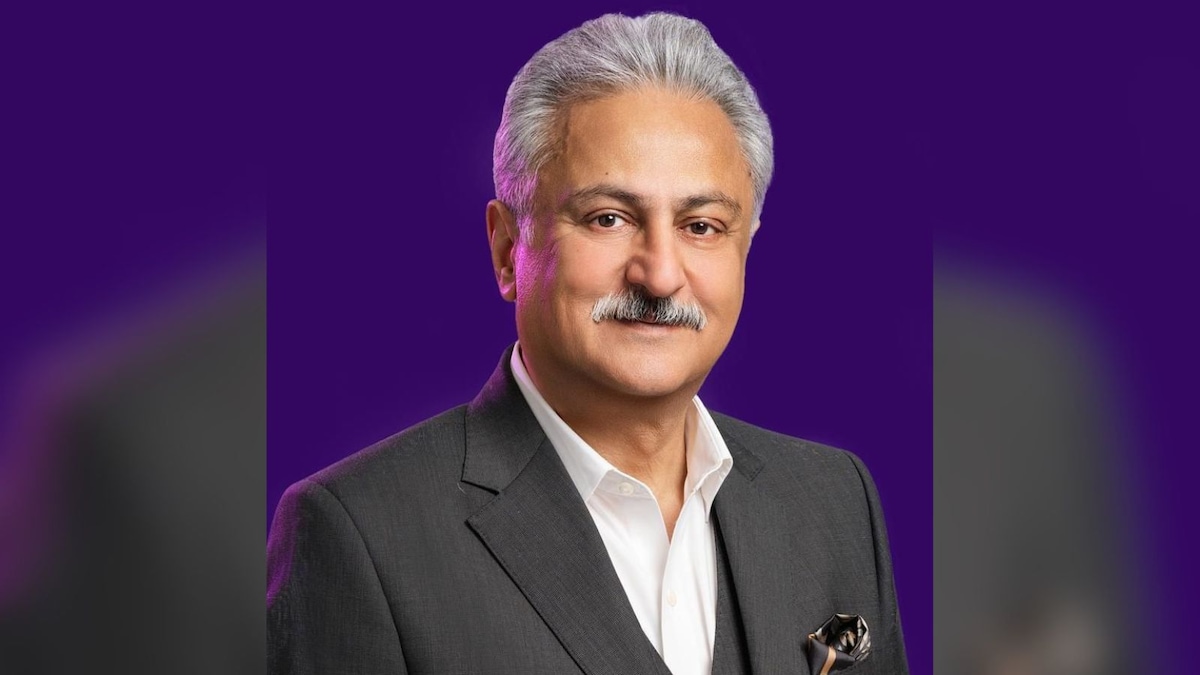
According to seasoned TMT (Technology, Media, and Telecom) advisor, entrepreneur, and former CEO of Airtel (India & South Asia), Sanjay Kapoor, the foreseeable future of India’s multi-billion-dollar telecom sector will be firmly propelled by two giants: Reliance Jio and Bharti Airtel. As India accelerates its digital transformation, these twin powerhouses are uniquely positioned to capture the next phase of structural growth, fueled by exponential surges in data consumption, the mainstreaming of artificial intelligence (AI), and a calculated push toward higher commercial monetization.
Main Facts: The Anatomy of India’s Modern Telecom Duopoly
The Indian telecom market is no longer defined by the chaotic land-grab era that characterized the early days of mobile telephony. Today, the sector operates on the bedrock of two dominant pillars:
- The De Facto Duopoly: While regulatory structures technically classify the market as an oligopoly, Kapoor points out that it functions in reality as a duopoly. Reliance Jio and Bharti Airtel command approximately 40% market share each, effectively marginalizing smaller competitors and creating insurmountable barriers to entry.
- Divergent Yet Complementary Strategies: While both operators share the spoils of India’s massive digital expansion, they do so through different playbooks. Jio continues to prioritize massive scale, volume, and sweeping data consumption, whereas Airtel zeroes in on high-value customers, premium postpaid segments, and superior Average Revenue Per User (ARPU).
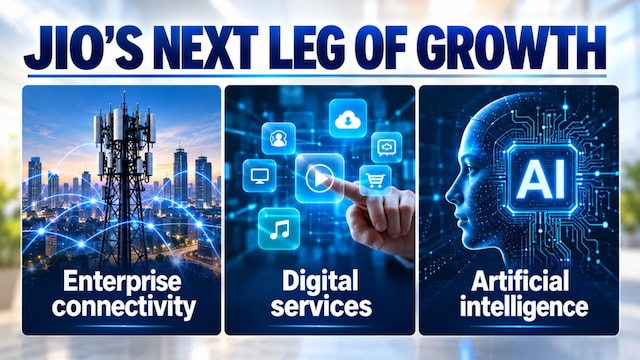
- The Next Growth Catalyst: Future revenue expansion will not rely purely on subscriber acquisition—which has largely saturated—but rather on AI-driven data demands, immersive media formats, and strategic tariff adjustments.
- Robust Financial Metrics: India’s leading telcos boast some of the highest incremental EBITDA (Earnings Before Interest, Taxes, Depreciation, and Amortization) margins globally, meaning that any upward shift in pricing flows directly and powerfully to the bottom line.
Chronology: From Market Disruption to Market Consolidation
To understand the weight of today’s duopoly, one must look back at the historical trajectory that reshaped the subcontinent’s digital habits.
2016: The Great Disruption
The tectonic plates of Indian telecom shifted permanently in 2016 with the commercial launch of Reliance Jio. Entering the market as a greenfield operator armed with deep capital reserves and a 4D-exclusive LTE network, Jio systematically dismantled legacy pricing structures. By offering dirt-cheap voice calls and virtually free data for months, it triggered an unprecedented data revolution.
Reflecting on this era, Kapoor noted: "A greenfield operator entered the market, disrupted it, and rose to be the number one player in a few years’ time. I think that’s absolutely unprecedented."
2017–2021: The Great Shakeout and Consolidation
Jio’s aggressive market entry sparked a brutal price war that decimated industry profit pools. Smaller, undercapitalized operators—such as Telenor, Aircel, Reliance Communications, and Tata Teleservices—either went bankrupt, exited the market, or were forced into distressed mergers. Vodafone and Idea Cellular scrambled to merge operations, giving birth to Vodafone Idea (Vi), though the entity has continually struggled with crippling debt liabilities and a lack of aggressive capital expenditure compared to its two dominant rivals.
2022–Present: The Stabilization of the Duopoly
By the turn of the decade, the dust had settled. With the market consolidating around three major players—of which Vi remains a distant third struggling to maintain parity in 4G and 5G rollouts—Jio and Airtel emerged as the undisputed co-rulers of Indian telecommunications. Having absorbed the heavy lifting of infrastructure investments (including nationwide 5G deployments), both companies have pivoted their focus from customer acquisition to margin expansion and ARPU maximization.
Supporting Data & Strategic Divergence: Jio vs. Airtel
As India cements its status as one of the world’s largest and fastest-growing digital economies, Jio and Airtel have adopted distinct strategic postures to maximize shareholder value.
Reliance Jio: The Scale and Volume Machine
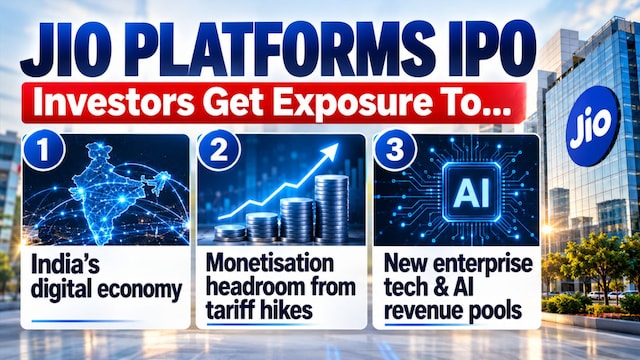
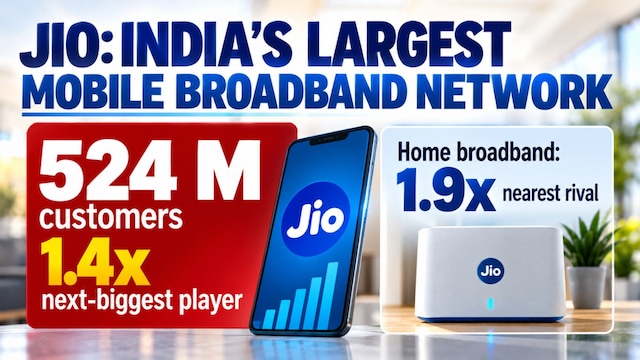
Jio’s core philosophy remains anchored in ubiquitous connectivity and mass-market scale. By leveraging Reliance Industries’ expansive technological ecosystem—ranging from digital entertainment platforms to cloud services and heavy-duty broadband infrastructure—Jio focuses on maximizing data throughput and driving high-volume consumption across semi-urban and rural India. Its upcoming structural developments, including potential public offerings and aggressive tech propositions, maintain its image as a comprehensive digital utility provider.
Bharti Airtel: The Premium Monetization Maestro
Airtel has charted a slightly different, highly disciplined course. Rather than chasing raw subscriber volume at all costs, Airtel has deliberately cultivated a reputation for catering to high-ARPU customers. By locking in lucrative postpaid subscribers, enterprise clients, and premium urban consumers through bundled content, superior network consistency, and targeted service tiers, Airtel has consistently led the industry in terms of monetization efficiency.
Macroeconomic Tailwinds and Consumer Spending Shifts
According to industry insights highlighted by Kapoor, demographic shifts are heavily favoring telecom operators. Younger generations in India are willingly allocating a significantly higher proportion of their disposable income to connectivity and digital data services than preceding generations. For India’s digital youth, data is no longer a luxury utility; it is an indispensable baseline requirement for daily life, education, work, and entertainment.
Official Perspectives and Expert Analysis: The AI and Pricing Frontier
The next era of telecom expansion will be defined less by physical towers and fiber-optic cables, and more by the intelligence running across them. Sanjay Kapoor emphasizes that artificial intelligence (AI) and evolving content consumption habits will structurally alter network demands.
The AI Data Deluge
As generative AI applications, high-definition streaming, cloud gaming, and immersive augmented/virtual reality (AR/VR) technologies become mainstream, data consumption per user is expected to skyrocket. These advanced applications require substantially lower latency and significantly higher bandwidth than traditional web browsing or standard-definition video streaming.
"This is a market which is poised for higher prices," Kapoor asserted. He noted that while headline tariffs may remain politically or competitively sensitive, operators will increasingly deploy sophisticated, segmented pricing strategies. By micro-targeting specific consumer segments with specialized data packs, add-ons, and value-added services, telcos can drive organic revenue growth without sparking aggressive price wars.
Global Benchmarks in Profitability
India’s telecom sector holds a rare distinction on the global stage: its profitability and margin expansion metrics are among the best in the world. Because the heavy infrastructure capex for 4G and early 5G rollout has largely been absorbed, incremental revenues generated from tariff revisions flow straight into EBITDA margins.
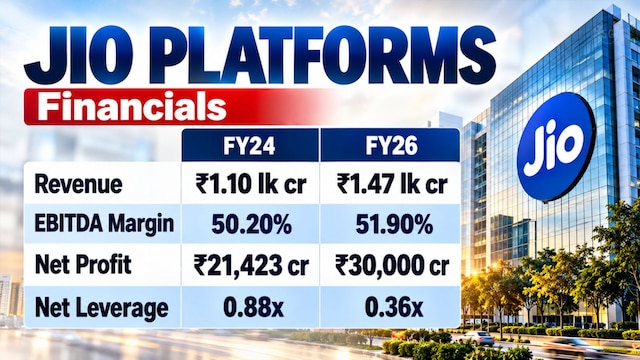
"Since most revenue gains from tariff increases flow directly to profits, we expect both Jio and Airtel to remain key beneficiaries as data demand continues to grow," Kapoor explained.
Implications: What the Duopoly Means for Consumers, Competitors, and the Economy
The entrenchment of the Jio-Airtel duopoly carries profound implications across multiple facets of the Indian economic and technological landscape.
1. For Consumers: Quality Upgrades vs. Pricing Risks
On the positive side, consumers can expect world-class network reliability, rapid 5G expansion, and innovative AI-driven services. However, the consolidation of market power into the hands of just two private entities raises long-term concerns regarding pricing autonomy. Without a robust third player to keep check on market impulses, consumers may find themselves absorbing regular, synchronized tariff hikes.
2. For Competitors and Industry Entrants: The Closed Door
The era of disruptive new market entrants in Indian telecom has effectively closed. The capital expenditure required to build a nationwide cellular network, acquire spectrum across multiple bands, and sustain years of cash burn is simply too prohibitive. Vodafone Idea will likely remain a constrained player, leaving Jio and Airtel to dictate the pace of industry innovation.
3. For India’s Broader Digital Economy
A financially healthy telecom sector is vital for India’s ambitions of becoming a global digital superpower. Strong balance sheets at Jio and Airtel ensure that the underlying infrastructure supporting India’s fintech revolution (UPI), e-governance initiatives (Aadhaar/India Stack), and burgeoning tech startup ecosystem remains resilient, secure, and future-proof.
Conclusion
India’s telecom industry has graduated from a chaotic playground of cutthroat price wars to a disciplined, high-margin duopoly. Under the stewardship of Reliance Jio and Bharti Airtel, the sector is well-equipped to navigate the challenges of the next decade. As AI integration, soaring data demands, and strategic pricing models take center stage, Kapoor’s assessment rings clear: the future of India’s digital highway belongs to these two titans, and the economic rewards of the nation’s connectivity boom will flow directly into their coffers.
Disclaimer: Reliance Industries Ltd., which owns Jio, is the sole beneficiary of the Independent Media Trust that controls Network18, the parent company of CNBCTV18.com. Views and opinions expressed in market analyses are those of the respective experts and do not necessarily reflect the official stance of the platform.



