The landscape of wearable technology is rapidly shifting toward a balance between high-end aesthetic appeal and granular health analytics. Google has announced a significant expansion for its screenless tracker, the Fitbit Air, introducing a premium Metal Mesh band collection alongside a suite of sophisticated health-tracking software upgrades. These developments signal a concerted effort by Google to transition the Fitbit Air from a purely utilitarian fitness tracker into a versatile accessory capable of bridging the gap between the gym and the boardroom.
The Evolution of Style: Introducing the Metal Mesh Collection
For many users, the primary barrier to adopting a wearable like the Fitbit Air has been the aesthetic limitation of standard polyurethane or fabric bands. While options like the "Elevated Modern" and "Performance Loop" bands provided comfort and durability, they often felt out of place when paired with formal attire or professional jewelry.
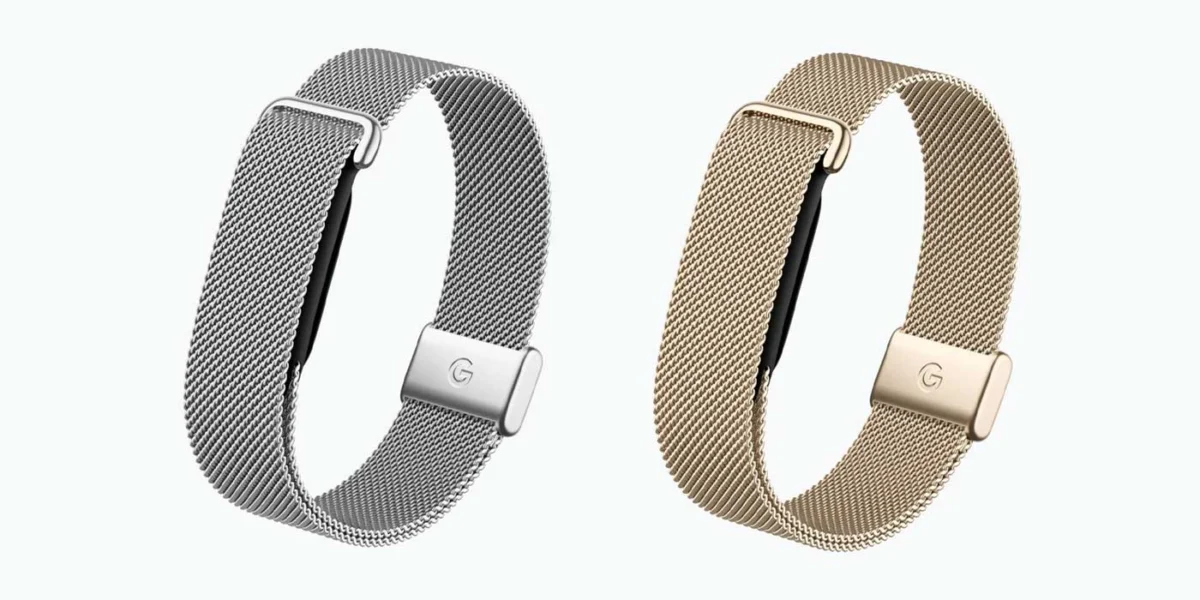
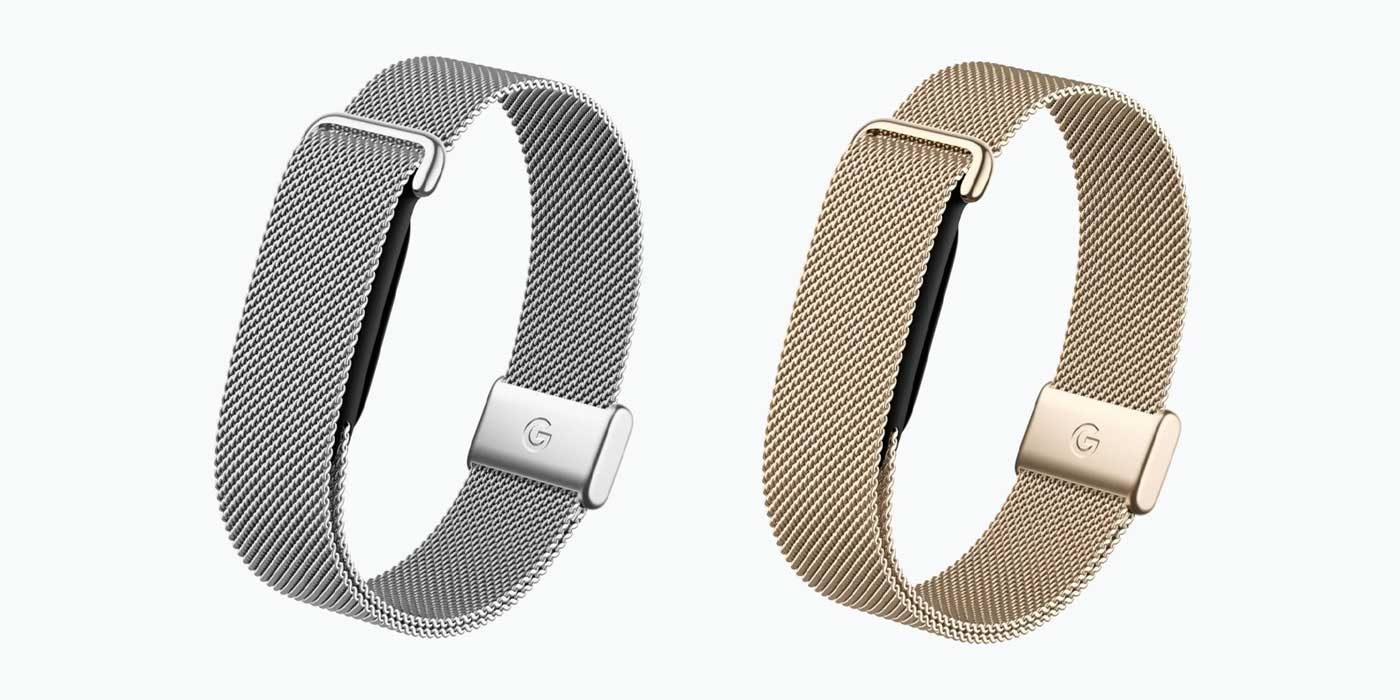
Google’s introduction of the Metal Mesh band addresses this aesthetic void. Available in two distinct finishes—Polished Silver and Champagne Gold—the new bands are designed to mimic the appearance of high-end watch straps. By utilizing a fine, interlocking metal weave, the band offers a breathable, flexible fit that retains the tactile sophistication of premium jewelry.
This design pivot is calculated. As the wearables market matures, consumers are increasingly demanding devices that act as "lifestyle" accessories rather than mere medical or fitness gadgets. By allowing the Fitbit Air to blend seamlessly with existing bracelets and watches, Google is positioning the device as a piece of everyday fashion that just happens to monitor one’s vital signs.

Chronology of the Fitbit Air Expansion
The trajectory of the Fitbit Air has been one of iterative improvement since its launch. To understand how these new features fit into the broader roadmap, it is helpful to look at the timeline of the device’s ecosystem:
- Initial Launch: The Fitbit Air debuted as a screenless, minimalist fitness tracker, relying heavily on AI-powered coaching and mobile-app integration to deliver data to the user.
- The Ecosystem Gap: Following the launch, user feedback indicated a strong desire for more premium physical accessories and deeper integration with clinical health data, moving beyond simple step counting.
- Expansion of Specialty Bands: Google introduced limited-edition collaborations, such as the Steph Curry and Pokémon Sleep series, which proved the consumer appetite for personalization.
- The "Edge" Announcement: In mid-October 2026, Google unveiled the Fitbit Edge—a more expensive, screen-equipped variant featuring the "Material You" design language, effectively segmenting the product line into "Screenless Lifestyle" (Air) and "Active Smartwatch" (Edge).
- Current Update (October 2026): The launch of the Metal Mesh band collection and the rollout of the "Health Guardian" software suite mark the current phase of the Air’s lifecycle, focusing on software-side intelligence and hardware-side elegance.
Supporting Data and Pricing Structures
The strategic pricing of these new additions reflects Google’s attempt to reach different segments of the market. The standalone Metal Mesh band is priced at $69.99, positioning it as a premium upgrade for existing owners.
For new customers, Google has introduced a bundle option: the Fitbit Air device paired with both the Metal Mesh band and the Performance Loop band for $149.99. This bundle, currently available in a gold-centric aesthetic, represents a higher price point than previous special editions, but offers significantly more value by providing the user with both a formal and a functional option right out of the box.
- Standalone Band: $69.99
- Device + Dual-Band Bundle: $149.99
- Comparison: The new bundle is approximately $20 more than standard limited-edition bundles, justified by the inclusion of two distinct high-quality bands.
These bands are currently available for pre-order via the Google Store and major retail partners like Target, with shipping anticipated to commence later this month.
Enhancing the Intelligence: The "Health Guardian" Suite
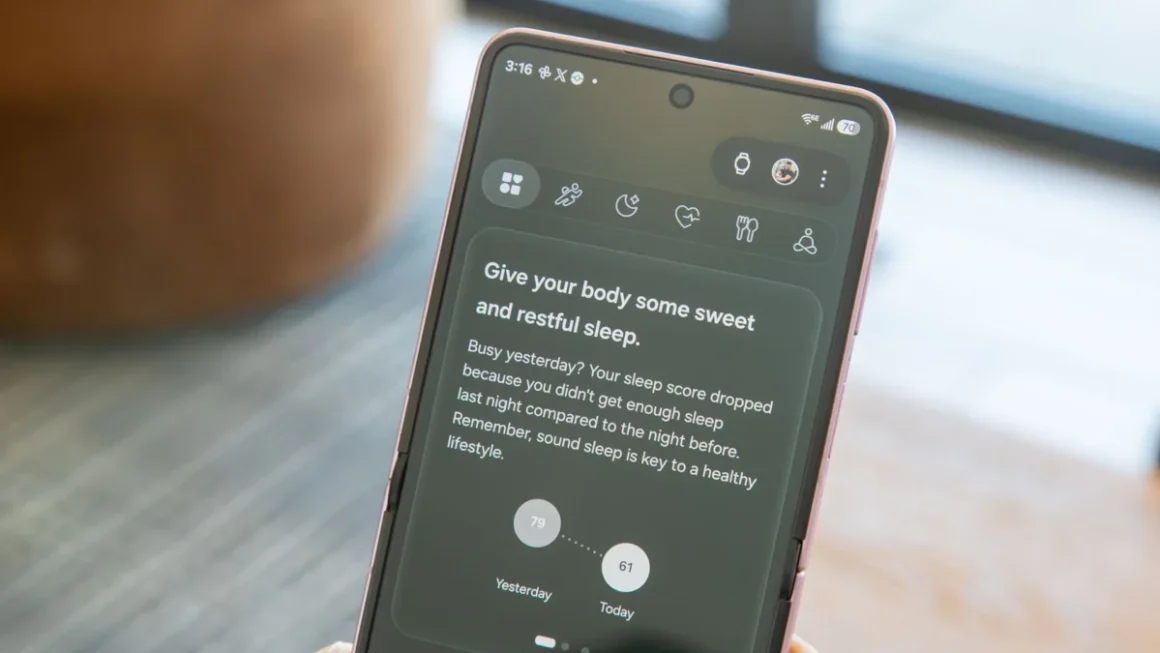
Beyond the hardware aesthetics, the most impactful change arriving this month is the "Health Guardian" feature set. These updates are a clear indicator that Google is leaning into the "AI Health Coach" capabilities that distinguish the Fitbit brand from its competitors.
Clinical-Grade Insights
The new features target Google Health Premium users, specifically those monitoring blood pressure and insulin resistance trends. The system will now compile monthly reports that synthesize these data points, offering actionable lifestyle adjustments. This transition from raw data collection to actionable insights represents a major leap in utility. Instead of simply showing a user their blood pressure trends, the AI now acts as a digital advisor, suggesting, for instance, dietary changes or activity modifications based on established clinical health patterns.
Refined Activity Tracking
Google has also promised a significant overhaul to the device’s automatic activity tracking algorithms. While the Fitbit Air has always been proficient at identifying basic movements, the upcoming update claims to deliver "more intelligent, accurate, and reliable" tracking. This is likely powered by improved machine learning models that can better distinguish between high-intensity movement, rest, and subtle changes in daily cadence. For the average user, this means fewer instances of the tracker incorrectly logging a nap as a workout or failing to register a brisk walk.
Official Perspectives and Market Implications
Google’s strategy with the Fitbit Air is distinct from its strategy with the Fitbit Edge. While the Edge is designed to compete in the high-feature, display-centric smartwatch market, the Air is carving out a niche as a "stealth" health tracker.

By keeping the Air screenless, Google maintains a focus on battery life and unobtrusiveness. The addition of the Metal Mesh band suggests that Google is not looking to phase out the Air in favor of the screen-heavy Edge, but rather to maintain the Air as a specialized product for a demographic that values health metrics without the distraction of a display.
The broader implication is a trend toward "Health-as-a-Service." By gating the more advanced Health Guardian reports behind a Google Health Premium subscription, Google is securing a recurring revenue stream that extends far beyond the initial hardware purchase.
Conclusion: The Future of the Fitbit Air
The convergence of high-fashion materials and sophisticated AI health reporting marks a pivotal moment for the Fitbit Air. As consumers become more selective about their wearable devices, the ability to pivot between a professional look and a fitness-ready function becomes critical.
With these updates, the Fitbit Air is no longer just a fitness tracker—it is a comprehensive, discreet health companion. As the software updates arrive later this month, users can expect a more intelligent and stylish experience, effectively bridging the gap between the clinical precision of medical technology and the everyday elegance of modern consumer jewelry. Whether through the refined AI coaching or the new aesthetic options, Google is clearly betting that the future of wearable tech lies in integration—both into our health routines and into our personal style.