MUMBAI — When the final whistle echoes through a digital flurry of WhatsApp messages, Instagram memes, and rapid-fire tweets, modern football reveals itself as something far greater than the mere 90 minutes played out on the green turf. Today, the beautiful game is less of a solitary viewing event and more of a multi-channel cultural phenomenon. Recognizing this seismic shift in how younger generations consume sports, beverage giant Coca-Cola is aggressively leaning into the intersection of sport, digital culture, and online communities.
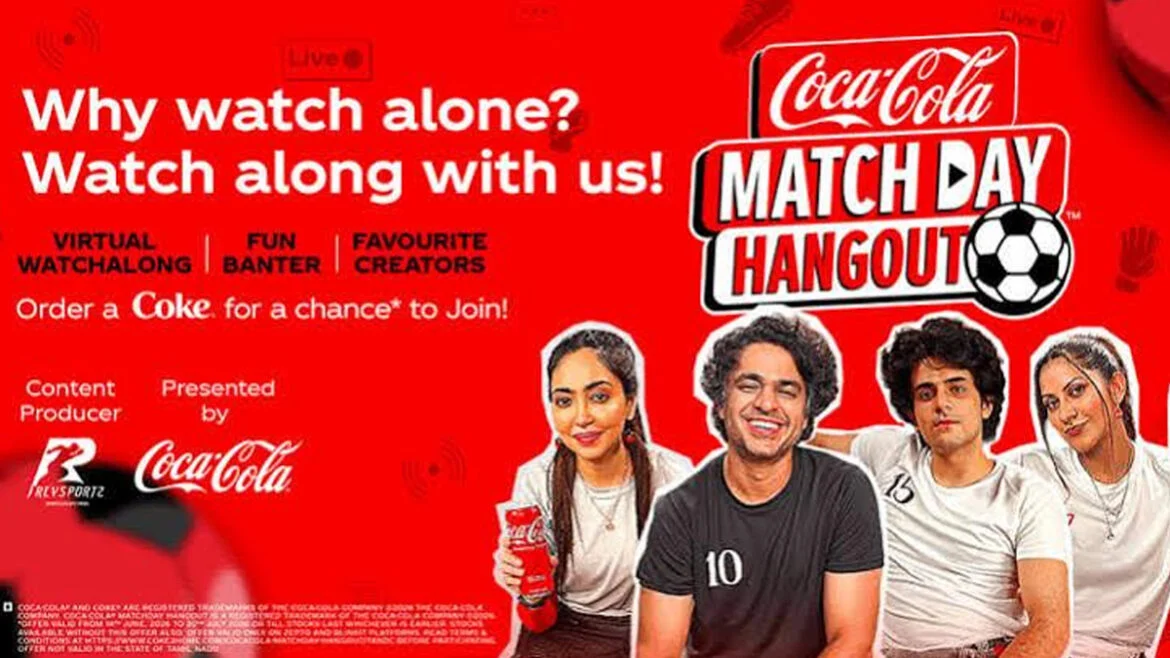
The brand has officially unveiled Matchday Hangout—a high-energy, creator-driven watch-along experience meticulously designed to reshape how Indian audiences engage with live FIFA World Cup matches. By blurring the lines between traditional sports broadcasting and interactive digital entertainment, Coca-Cola is attempting to capture the hearts, minds, and screens of a demographic that views live sports not just as a spectacle to watch, but as a community event to actively participate in.
1. Main Facts: The Anatomy of ‘Matchday Hangout’
At its core, Matchday Hangout is a direct response to a fundamental shift in modern media consumption: fans no longer sit in silent reverence before a television screen. Instead, they react in milliseconds, debate referee decisions online, share running jokes, celebrate goals with digital fireworks, and build vibrant subcultures around every single touch of the ball.
Developed in strategic partnership with sports media platform RevSportz, the initiative aims to turn standard football broadcasts into dynamic, interactive digital gatherings. Powered by top-tier content creators, real-time discussions, and direct fan participation, the campaign leans heavily into sportainment—a burgeoning marketing frontier where the entertainment, humor, and social commentary surrounding a match carry just as much weight as the athletic performance on the pitch.
Rather than relying on passive, conventional broadcasting models, Coca-Cola has engineered an exclusive, commerce-driven access mechanism. Fans eager to secure a virtual seat at the Matchday Hangout table must purchase Coca-Cola products through leading quick-commerce platforms—such as Blinkit or Zepto—during designated match windows. This clever integration of quick-commerce and entertainment creates a seamless loop between consumer purchase behavior and premium digital experiences.
Once authenticated and connected, participants enter a curated digital ecosystem that defies the traditional, one-way television broadcast. The streams feature:
- Pre-match prediction contests to test tactical knowledge and build anticipation.
- Real-time emotional reactions during the ebb and flow of live play.
- Engaging halftime breakdowns exploring strategy and player performance.
- Post-match debriefs dissecting the game’s defining moments.
- Interactive trivia segments and fan challenges to keep the adrenaline flowing.
By deliberately capping the number of participants for each session, Coca-Cola is cultivating an intimate, high-energy atmosphere. The environment is designed to feel less like a massive, impersonal public broadcast and more like a lively, digital living room packed with passionate supporters sharing unfiltered reactions. To sweeten the deal, participants also stand a chance to win exclusive branded rewards, including Coca-Cola mini refrigerators, stylish apparel, and limited-edition merchandise.
2. Chronology: The Evolution of the Campaign
To understand how Matchday Hangout came to fruition, it is vital to trace the evolution of sports broadcasting in India over the past decade.
- Phase 1: The Traditional Television Era (Pre-2015): Indian sports consumption was largely tethered to the television set. Live matches were broadcast via traditional networks, with commentary restricted to professional sports pundits. Fan engagement was mostly limited to physical gatherings at local sports bars, cafes, or family living rooms.
- Phase 2: The Digital Migration (2015–2020): Driven by the telecom revolution and plummeting data costs in India, consumers rapidly migrated to mobile screens. Platforms like Hotstar and SonyLIV democratized access to international sports. However, the streaming experience largely replicated traditional television feeds, offering little room for interactive, community-led conversation.
- Phase 3: The Rise of the Creator Economy (2020–2023): As social media platforms like Instagram, YouTube, and Twitch exploded, content creators emerged as powerful cultural arbiters. Audiences began preferring peer-led, humorous, and relatable commentary over formal, corporate sports broadcasting.
- Phase 4: The Birth of Sportainment and Matchday Hangout (Present): Recognizing that Gen Z and Millennials consume content through a fragmented lens of highlights, memes, and influencer commentary, Coca-Cola conceptualized Matchday Hangout. By merging quick-commerce, elite digital creators, and live football, the brand established a brand-new playbook for sports engagement in the region.
The rollout of the campaign itself is structured across 12 nationwide live streams. The talent roster features some of India’s most recognizable digital personalities, including comedian and podcaster Rohan Joshi, digital creator Sakshi Shivdasani, and gaming/lifestyle influencer Kaashvi Hiranandani.
Furthermore, to inject authentic sporting expertise and fresh comedic timing into the mix, selected matchdays will feature special appearances by actor and humorist Zervaan Bunshah, comedian Varun Thakur, and prominent Indian women’s football team star Dalima Chhibber. This deliberate mix of pop-culture icons, comedy heavyweights, and professional athletes ensures that the streams appeal simultaneously to die-hard football purists and casual entertainment seekers alike.
3. Supporting Data: The Shift in Consumer Behavior
The strategic pivot executed by Coca-Cola is heavily backed by shifting macroeconomic and media consumption trends across urban India.
- The Quick-Commerce Boom: India’s quick-commerce sector has grown exponentially, with platforms like Blinkit and Zepto recording staggering double-digit month-on-month growth. By tying digital event access to quick-commerce purchases, Coca-Cola is capitalizing on impulse-buying habits during high-stakes sporting windows.
- Creator Economy Metrics: According to recent digital media industry reports, influencer marketing and creator-led content in India command an increasingly dominant share of total brand marketing budgets. Over 75% of Indian youth consumers report that they trust creator recommendations and commentary over traditional corporate advertisements.
- Multi-Screen Viewing Habits: Data indicates that over 80% of sports fans aged 18–35 now use a secondary screen (typically a smartphone) while watching a live game. They are scrolling through social media, messaging friends, or consuming parallel content. Matchday Hangout internalizes this behavior by making the second-screen experience the primary focus of the broadcast.
- The Rise of Niche Digital Communities: Rather than chasing vanity metrics through mass, untargeted television commercials, modern brand campaigns increasingly focus on hyper-engaged, niche communities where retention and interaction rates are significantly higher.
4. Official Responses and Industry Perspectives
While Coca-Cola has carefully orchestrated the campaign to align with global marketing frameworks, industry insiders and cultural stakeholders have weighed in on what this means for the future of sports sponsorship.
Marketing analysts note that traditional sponsorship models—such as stadium hoarding boards, jersey logos, and standard commercial breaks—are suffering from diminishing returns among younger demographics who actively tune out or skip ads.
A senior digital media strategist commented on the initiative: "Brands can no longer simply buy space next to a game and expect consumers to care. They have to become part of the narrative. By partnering with creators who already command deep trust and engagement within their respective communities, Coca-Cola is effectively bypassing the traditional ad-blocker mentality of modern consumers. They aren’t interrupting the entertainment; they are hosting it."
While formal executive soundbites from Coca-Cola’s regional leadership emphasize a continued commitment to consumer-centric innovation, creative partners like RevSportz have highlighted the logistical complexity and creative freedom required to pull off a multi-platform, interactive live stream of this scale. The collaboration relies on striking a delicate balance: maintaining the integrity and excitement of the FIFA World Cup action while allowing creators the editorial freedom to inject their trademark humor, spontaneity, and unfiltered fan perspectives.
Furthermore, the inclusion of athletes like Dalima Chhibber has been widely praised by sports purists. By bridging the gap between mainstream digital creators and professional football talent, the initiative ensures that the conversations remain grounded in authentic athletic appreciation rather than superficial entertainment alone.
5. Implications: What Matchday Hangout Means for the Future of Sports Marketing
The launch of Coca-Cola’s Matchday Hangout carries profound implications for brands, sports federations, and content creators alike across the Indian subcontinent and beyond.
A New Blueprint for Brand Integration
First and foremost, the campaign signals the death knell for passive advertising during major sporting tournaments. As consumers increasingly migrate to subscription-based, ad-free streaming environments or decentralized digital platforms, brands must find innovative ways to weave themselves into the fabric of the experience. By anchoring access to quick-commerce purchases, Coca-Cola has created a closed-loop system where marketing spend directly correlates with immediate product sales—a holy grail for modern FMCG brands.
The Democratization of Sports Commentary
Secondly, Matchday Hangout underscores the democratization of sports commentary. For decades, live match analysis was the exclusive domain of legacy sports networks and professional pundits. Today, audiences increasingly prefer commentary that mirrors their own viewing habits: conversational, humorous, self-aware, and emotionally charged. The success of creators like Rohan Joshi, Sakshi Shivdasani, and Kaashvi Hiranandani in leading sports discussions proves that relatability often trumps technical jargon when capturing the attention of the next generation of fans.
Redefining Community in a Digital Age
Finally, the campaign highlights how digital platforms are successfully replicating—and in some ways amplifying—physical community gatherings. In an increasingly urbanized and digitally connected world, physical watch parties are sometimes difficult to coordinate. By gathering hundreds of passionate fans into an intimate, interactive virtual room, Coca-Cola has figured out how to manufacture the warmth, chaos, and camaraderie of a crowded living room across vast geographical distances.
As the 12 live streams unfold throughout the tournament, industry watchers will undoubtedly analyze engagement metrics, conversion rates, and audience retention figures. If Matchday Hangout proves as successful as its underlying premise suggests, it may well establish a permanent new standard for how global brands engage with live sports in India—proving once and for all that when it comes to modern fandom, the conversations, reactions, and shared memories created around the game are just as valuable as the goals scored on the pitch.