










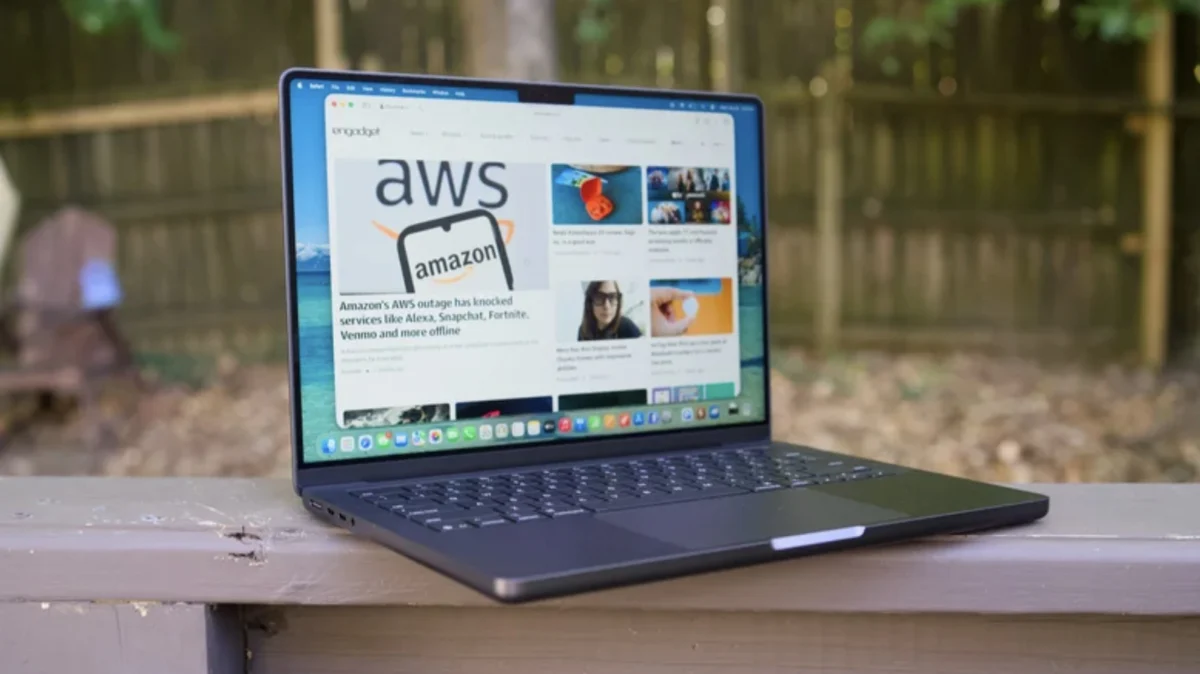
The long-standing barrier between Apple’s mobile and desktop computing experiences is finally beginning to blur. For over a decade, Apple executives—most notably the late Steve Jobs—famously dismissed the utility of touchscreens on laptops, labeling them "ergonomically terrible." However, shifting consumer expectations and advancements in haptic and interface design have forced a corporate pivot. According to recent reports from Bloomberg’s Mark Gurman, the Cupertino-based giant is set to unveil its first-ever touchscreen-capable MacBook, alongside a refreshed iPad Mini, in late October 2026.
This development marks a significant departure from Apple’s traditional product philosophy. As the company navigates a maturing smartphone market and a highly competitive laptop segment, the introduction of a touch-integrated MacBook suggests a strategic attempt to reclaim the "prosumer" market that has increasingly leaned toward hybrid devices from rivals like Microsoft and ASUS.
The Core Revelation: A New Era for the MacBook
The headline event, expected to take place "on or around" October 27, 2026, centers on a device industry insiders are tentatively calling the "MacBook Ultra." Unlike previous iterations of the MacBook Pro, this hardware represents a fundamental shift in user interface architecture.
Sources indicate that the device will not simply be a traditional screen that supports finger inputs. Instead, Apple has reportedly engineered a "dynamic interface" capable of adapting to various modes of input. This suggests that the operating system—likely a fusion of macOS and elements of iPadOS—will recognize when the user is utilizing a trackpad versus when they are reaching toward the screen, optimizing UI elements such as buttons, scroll bars, and gesture controls in real-time.
Under the hood, the MacBook Ultra is expected to be a performance juggernaut. Rather than waiting for the next generation of silicon, Apple is slated to utilize its M5 Pro and M5 Max chipsets. This decision is reportedly strategic; internal roadmaps suggest that "Pro-level" versions of the upcoming M6 chip are not yet ready for deployment, making the M5 architecture the most stable and powerful foundation for this new, high-demand hardware.
A Chronology of Anticipation: From Rumor to Reality
The journey to a touchscreen Mac has been a protracted saga of speculation, denial, and incremental progress.
- 2023: The Initial Spark: Rumors first began to circulate in early 2023, following supply chain leaks suggesting that Apple’s engineering teams were experimenting with OLED touchscreen panels for future laptop chassis.
- 2024: The Software Foundation: Apple began subtly modifying macOS to support more fluid touch-friendly animations and gestures, leading analysts to speculate that a touch-enabled device was firmly in the R&D pipeline.
- Mid-2025: The iPhone Duo Influence: The surprise launch of the "iPhone Duo"—Apple’s first foray into the foldable smartphone market—proved that the company had mastered flexible OLED and hinge technology, removing one of the primary hardware hurdles for a touch-integrated laptop.
- October 2026: The Impending Launch: The current month marks the culmination of this three-year development cycle, with the October 27 event serving as the official bridge between Apple’s legacy desktop experience and its touch-first future.
Supporting Data: The Hardware Refresh Cycle
Beyond the marquee MacBook Ultra, Apple’s October schedule is remarkably dense. The company is treating this month as a comprehensive hardware refresh cycle, targeting multiple segments of their ecosystem simultaneously.
The iPad Mini Reimagined
The iPad Mini, which has served as a niche device for enthusiasts and professionals alike, is finally receiving a meaningful overhaul. The primary upgrade is the integration of an OLED display. By moving away from LCD technology, the new iPad Mini will offer deeper blacks, higher contrast ratios, and significantly improved power efficiency. This aligns with Apple’s broader effort to bring OLED to its entire mobile lineup, following the successful implementation in its premium tablet and smartphone lines.
The M6 Expansion
The October event will also see the M6 chip—which debuted with the recent Mac mini refresh—trickle down into the mainstream laptop and desktop lineups.
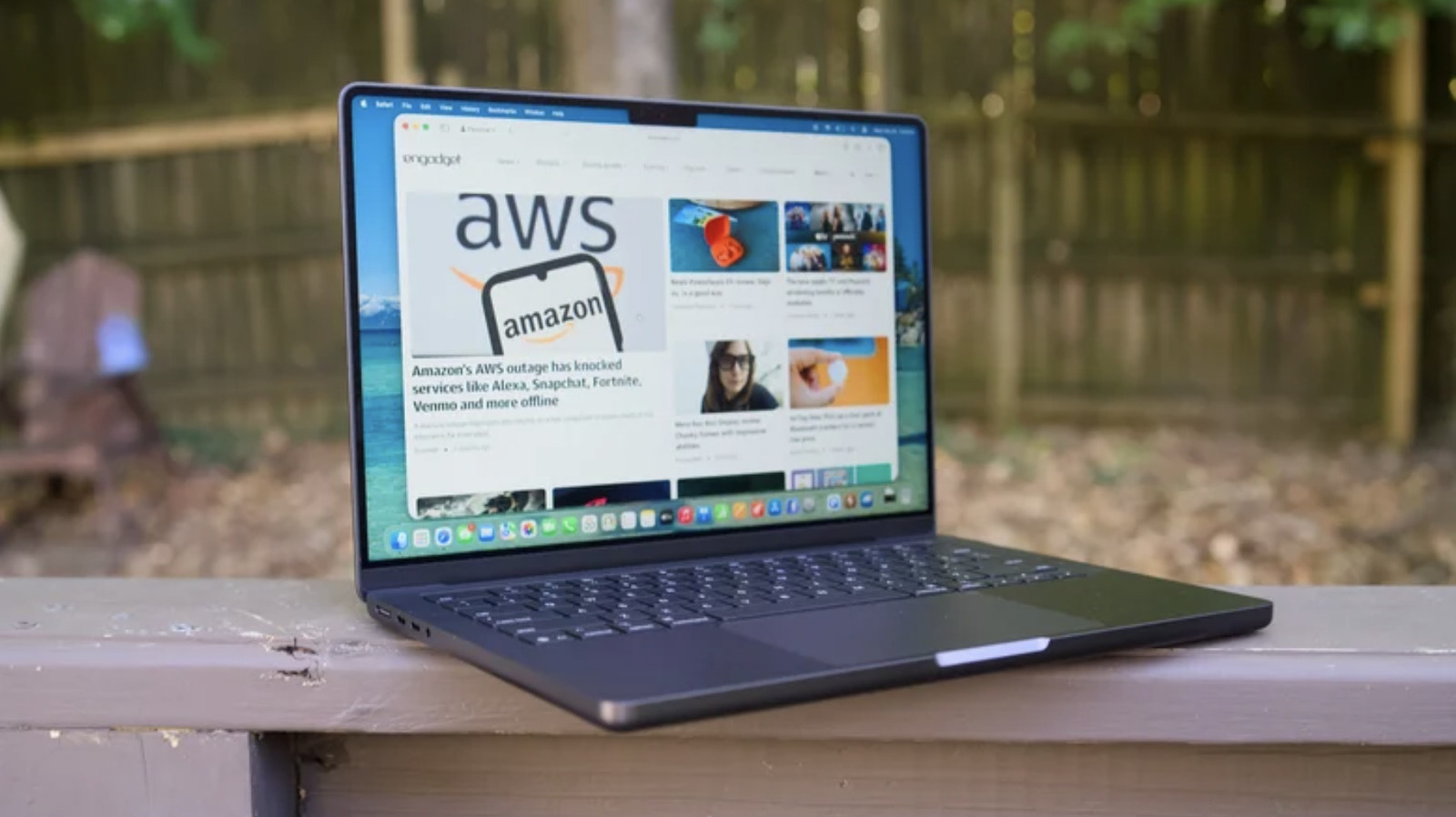
- 14-inch MacBook Pro: The entry-level model will see a performance bump, transitioning from the M5 to the M6, ensuring that the base-level Pro hardware remains competitive in terms of power-to-thermal efficiency.
- The iMac: After lingering on the M4 chip for an extended period, the iMac will finally receive the M6 upgrade. This update is expected to provide the necessary headroom for the increasingly demanding AI-driven features integrated into the next version of macOS.
Official Responses and Corporate Strategy
Apple has maintained its characteristically tight-lipped stance regarding these reports, adhering to its policy of not commenting on unannounced products. However, the sheer volume of leaks regarding the October 27 launch suggests a coordinated effort to manage expectations and generate pre-launch momentum.
Analysts suggest that this strategy is a response to the "hardware stagnation" narrative that has haunted the laptop industry. By introducing a tactile interface, Apple is attempting to solve a problem that has plagued the industry for years: how to create a high-performance computer that feels as personal and intuitive as a tablet.
Furthermore, the timing of the October 13 smart home event—held just two weeks before the MacBook announcement—indicates that Apple is attempting to capture the entirety of the consumer’s digital ecosystem. By focusing on smart home connectivity first and professional computing second, Apple is positioning itself as the central nervous system of the modern household.
Implications: What This Means for the Future of Computing
The pivot to a touchscreen MacBook carries profound implications for both developers and consumers.
Implications for Software Development
For developers, the move necessitates a total rethink of application design. If a single application must function seamlessly on a desktop, a laptop, and a touch-enabled hybrid, the days of "mouse-first" design are numbered. Apple will likely introduce new developer guidelines during their upcoming Worldwide Developers Conference (WWDC) to help creators build "Adaptive Interfaces" that respond to the device’s current state.
Implications for the Competitive Landscape
This move puts direct pressure on Microsoft’s Surface line. For years, the Surface Pro and Surface Laptop were the only serious contenders for those who wanted a "Windows-powered tablet-laptop hybrid." Apple’s entry into this space suggests that the company is no longer content to let Microsoft own the hybrid category. It also raises questions about the future of the iPad Pro; if a MacBook now has a touchscreen, does the iPad Pro need to evolve into a full-fledged computer replacement, or will it remain a specialized creative tool?
Implications for the Consumer
For the average user, the implications are both exciting and potentially expensive. The move to the M6 chip across the product line suggests that Apple is pushing for a standardized performance floor. Consumers will benefit from faster, more efficient machines, but the premium pricing expected for the MacBook Ultra will likely reinforce Apple’s position as a brand for the affluent, professional demographic.
Conclusion: A High-Stakes October
As the industry looks toward October 27, the stakes could not be higher. Apple is attempting to do what many said was impossible: merge the precision of the Mac with the intimacy of the touch experience without compromising the core utility that has defined the brand for decades.
Whether the "MacBook Ultra" succeeds will depend not just on the hardware, but on whether Apple can deliver a software experience that feels purposeful rather than gimmicky. If successful, this October will be remembered as the moment Apple redefined the laptop for the next generation of computing. If it falls short, it may serve as a reminder that some boundaries—even those Apple is known to break—exist for a reason. Regardless of the outcome, the tech world is watching closely, waiting to see if the wait to "get our hands on the tech" was truly worth the three-year journey.



