










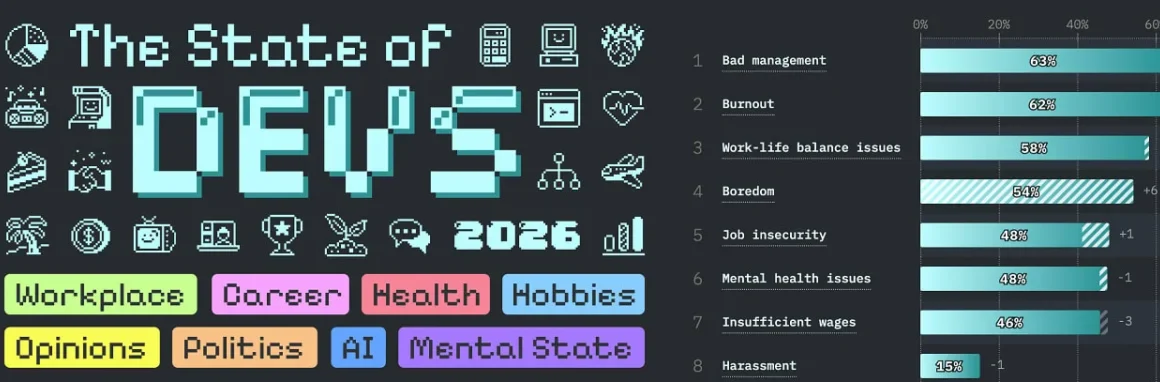
The landscape of modern web development is shifting at an unprecedented pace. This week, we have seen major milestones across the JavaScript ecosystem, ranging from foundational library updates that promise leaner, faster performance, to the emergence of agentic coding tools that are fundamentally changing how developers interact with their IDEs. As the community continues to […]
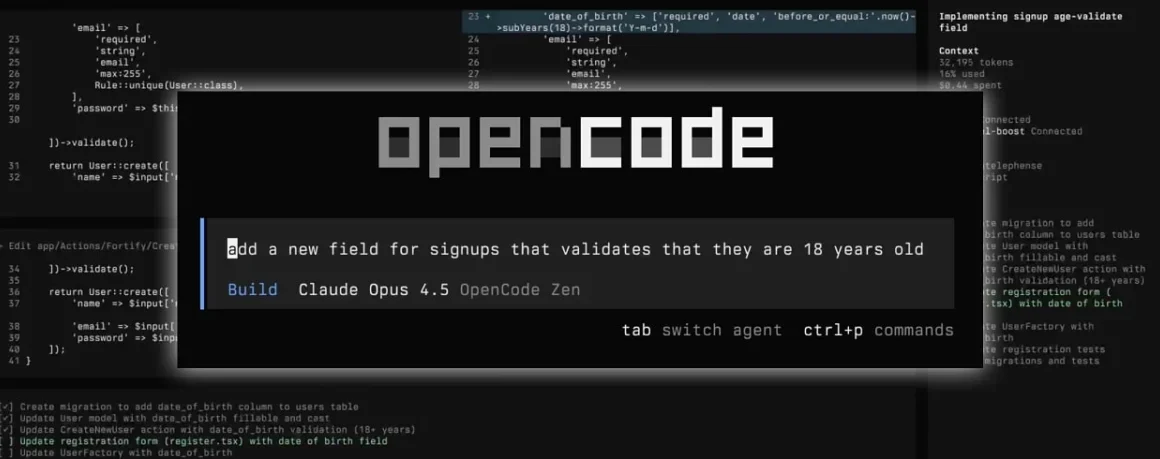
The Evolution of the JavaScript Ecosystem: Compatibility, Agentic Coding, and the Future of Web Development
The JavaScript ecosystem is currently experiencing a period of profound introspection and rapid innovation. As the lines between runtime environments blur and the integration of AI-driven development tools becomes the industry standard, developers are forced to reconsider the fundamental trade-offs between innovation and compatibility. This shift is underscored by recent debates surrounding Deno’s strategic pivot, […]

The Art of Extraction: Mastering Numeric Parsing from JavaScript Strings
Introduction: The String-First Paradigm For as long as the web has existed, the primary medium of exchange between a user and an application has been the humble text string. From the earliest HTML <input> fields to the modern, complex React-based forms, the data that flows from a user’s keyboard into a JavaScript environment arrives, almost […]
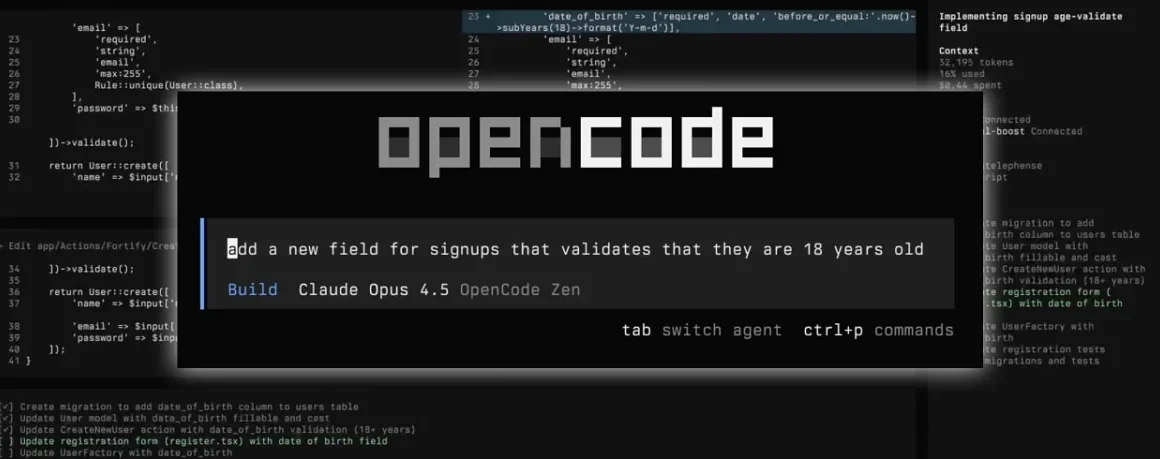
The Evolution of the JavaScript Ecosystem: Compatibility, Agentic Coding, and the Future of Web Development
The JavaScript ecosystem is currently experiencing a period of profound transformation. From the architectural debates surrounding runtime compatibility to the rapid proliferation of autonomous AI coding agents, the landscape is shifting under the feet of developers. As Deno grapples with its identity in a post-Node.js world and new frameworks like Tamagui push the boundaries of […]
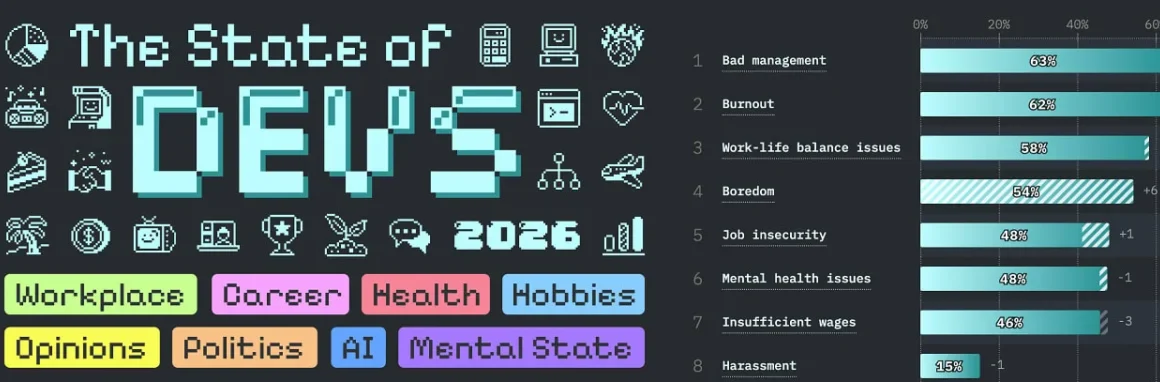
The State of the Web: Preact 11, Effect 4.0, and the Evolving Landscape of JavaScript Engineering
The JavaScript ecosystem is currently experiencing a period of profound architectural refinement. As applications grow in complexity and the demand for performance, reliability, and developer experience (DX) reaches an all-time high, the core libraries powering the modern web are undergoing significant transformations. This week marks a pivotal moment in this evolution, highlighted by the long-awaited […]
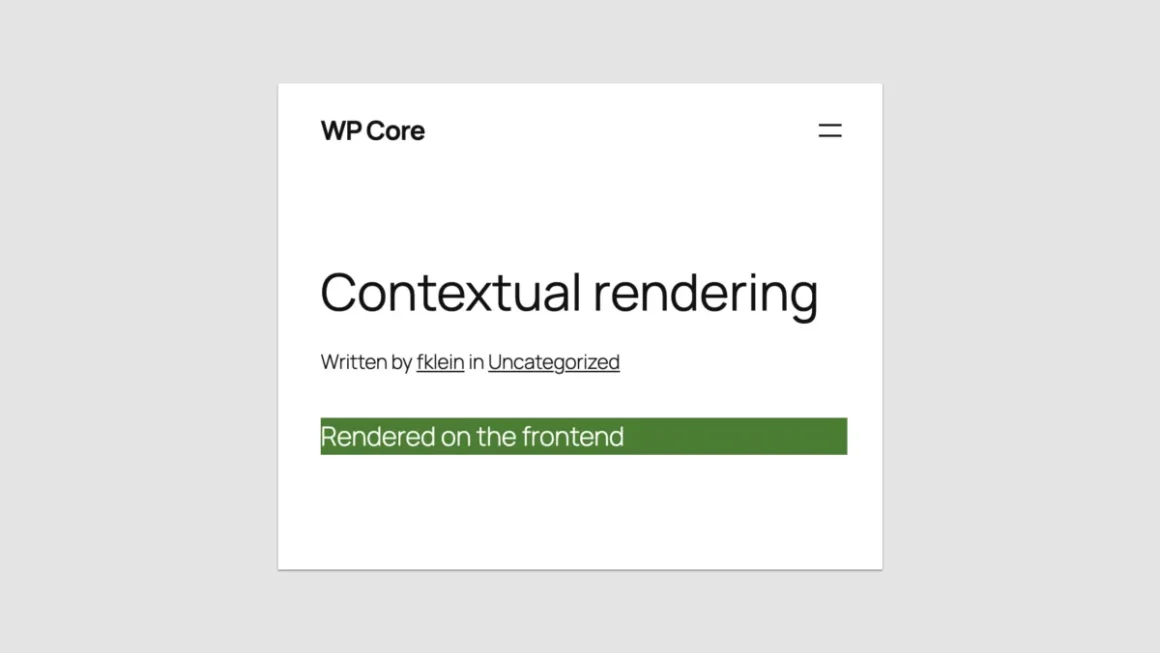
Breaking the JavaScript Barrier: How WordPress 7.0’s PHP-Only Blocks Transform Theme Migration
Main Facts Seven and a half years after the Gutenberg block editor fundamentally reshaped the WordPress landscape, core developers have introduced a long-awaited paradigm shift. WordPress 7.0 officially rolls out PHP-only block registration, a feature that allows developers to build and register custom WordPress blocks using exclusively PHP. For the first time since the inception […]

Moving Beyond JavaScript: A Deep Dive Into the W3C’s Proposed CSS Navigation and Route-Matching Spec
The evolution of modern web development has long been characterized by a division of labor: layout and aesthetics belong to CSS, behavior and application state belong to JavaScript, and structure belongs to HTML. Over the last decade, however, that boundary has begun to blur. Features that once required heavy scripting—such as animations, scoping, layout containment, […]

The State of the JavaScript Ecosystem: From Runtime Revolutions to the Future of Polyfills
The JavaScript landscape is undergoing a period of intense architectural introspection. As the web platform matures, the tools we use to build it are shifting from incremental improvements to foundational rewrites. From the high-stakes migration of the Bun runtime to the ongoing debate over the necessity of polyfills, the community is currently defining the next […]

JavaScript SpeechSynthesis API
As the web continues to be the medium for all users, standards bodies need to continue to provide new APIs to enrich user experience and accessibility. One underused API for unsighted users is speechSynthesis, an API to programmatically direct the browser to audibly speak any arbitrary string. The Code You can direct the browser to […]

Another Stab at the Perfect CSS Pie Chart… Sans JavaScript! | CSS-Tricks
Recently, Juan Diego RodrÃguez published an excellent article exploring how far CSS can be pushed to build a semantic and customizable pie chart while keeping JavaScript to a minimum. Citing Juan himself: In this article, we’ll try making the perfect pie chart in CSS. That means avoiding as much JavaScript as possible while addressing major headaches that […]