The JavaScript ecosystem is currently experiencing a period of profound architectural refinement. As applications grow in complexity and the demand for performance, reliability, and developer experience (DX) reaches an all-time high, the core libraries powering the modern web are undergoing significant transformations. This week marks a pivotal moment in this evolution, highlighted by the long-awaited arrival of Preact 11 and the high-performance restructuring of the Effect ecosystem.
From cutting-edge infrastructure optimizations at major global firms like Booking.com to the emergence of agentic coding tools, the landscape is shifting toward more modular, efficient, and robust solutions.
Main Facts: A Watershed Moment for Core Libraries
The primary headline in the web development world is the official release of Preact 11. Six years in the making, this update represents the most significant architectural shift in the library’s history. Preact has long been celebrated as the premier lightweight alternative to React, maintaining a near-identical API while drastically reducing bundle sizes. Version 11 cements this legacy while modernizing its internal mechanisms.
Simultaneously, the Effect project has pushed its 4.0 milestone, marking a fundamental rewrite of its core runtime. Designed for developers tackling the most complex "tricky" aspects of application logic—such as concurrency, resource management, and error handling—Effect 4.0 is not merely an iterative update. It is an engineering overhaul that promises to reshape how developers think about high-stakes backend and frontend architecture.
These releases arrive against a backdrop of increased focus on efficiency. As evidenced by the recent engineering successes at Booking.com, the industry is moving away from "move fast and break things" in favor of "optimize for scale and sustainability."

Chronology: The Road to Modernization
The Preact 11 Journey
The trajectory toward Preact 11 began in late 2018. The Preact team faced a dilemma: how to incorporate modern JavaScript patterns without sacrificing the library’s hallmark performance. Over the last six years, the project navigated the transition to ESM-only packages, the integration of automatic ref forwarding, and the need for a more robust hydration strategy.
- 2018–2020: Foundational discussions on the limitations of the existing architecture.
- 2021–2023: Beta testing of hydration improvements and API parity checks.
- Late 2026: The official launch of Preact 11, signaling a new era of stability for the ecosystem.
The Effect 4.0 Evolution
Unlike the long, drawn-out development of Preact, the progression of Effect has been rapid and aggressive. The library has quickly become the standard for developers requiring strict type safety and complex workflow management. Version 4.0 is the culmination of a "ground-up" rebuild, specifically targeting the resource bottlenecks that prevented widespread adoption in memory-constrained environments.
Supporting Data: Efficiency and Performance Metrics
The shift toward these newer versions is not merely aesthetic; it is driven by hard data. The industry is currently hyper-focused on metrics that directly impact the bottom line: bundle size, memory usage, and operational costs.
Preact 11 Performance Gains
Preact 11’s focus on improved hydration is a direct response to the performance challenges of Large Language Model (LLM) integrated sites and complex dashboard UIs. By optimizing how the server-rendered HTML is "awakened" by the client, developers are reporting significantly lower Time to Interactive (TTI) scores.
Effect 4.0: The Efficiency Leap
The statistics surrounding Effect 4.0 are striking. According to the release documentation:

- Bundle Size: A 5x reduction in minimal bundle footprint.
- Memory Efficiency: An 86% reduction in memory usage per concurrent task.
- Implication: This allows developers to run more complex, high-concurrency Node.js services on smaller, cheaper cloud instances, effectively lowering the barrier to entry for robust, enterprise-grade architecture.
The Booking.com Case Study
The focus on efficiency is perfectly illustrated by the recent engineering report from Booking.com. By moving away from standard process managers like PM2 and migrating to Watt’s worker threads—coupled with a refined approach to load balancing and worker configuration—the team achieved a 38% reduction in costs. This serves as a vital reminder that architectural choices at the infrastructure level are just as critical as the choice of frontend framework.
Official Responses and Ecosystem Commentary
The reception to these updates has been overwhelmingly positive, with the developer community focusing on the "developer experience" improvements provided by the new tooling.
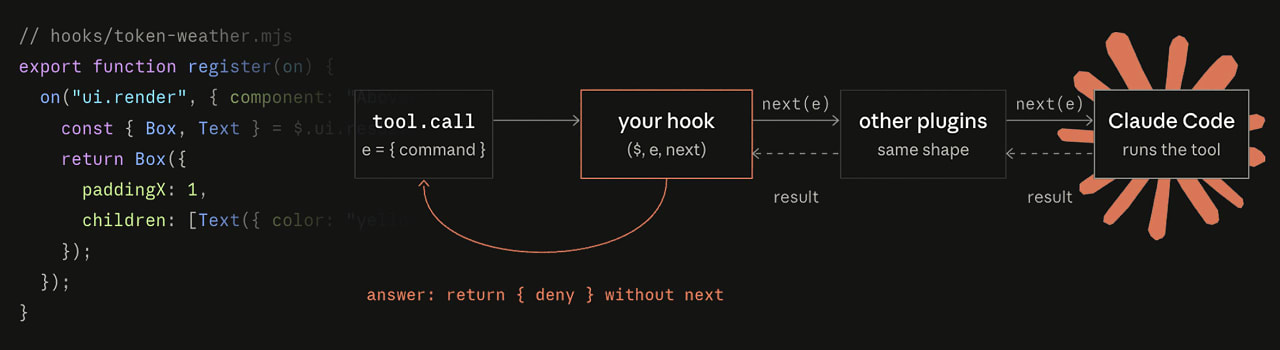
Addy Osmani’s recent work on Claude Code Mods has garnered significant attention. By allowing developers to use JavaScript to watch events, manipulate behavior, and create custom UIs within the coding agent environment, this tool represents the next step in "agentic" development. Osmani demonstrated a custom "forecast" tool for context windows in just 80 lines of code, highlighting the extensibility of the modern coding harness.
Furthermore, the community continues to refine its understanding of core language features. Radosław Miernik’s exploration of automatic type refinements in TypeScript provides much-needed clarity on how filter callbacks affect array narrowing, a frequent pain point for engineers working with complex datasets. Similarly, Rahul M. Juliato’s work on readable regular expressions—inspired by the Emacs approach—demonstrates a persistent desire to make complex code maintainable and readable.
Implications: The Future of JavaScript Engineering
The Rise of the "Agentic" Developer
The convergence of tools like Claude Code Mods and the stability offered by mature libraries like Preact 11 suggests that the next phase of web development will be defined by the "agentic" paradigm. Developers are no longer just writing code; they are configuring the tools that write and manage code for them. The ability to write "mods" to control these agents is becoming a necessary skill set.
The Shift to "Reliable" JavaScript
The success of Effect 4.0 highlights a maturing market. Developers are moving away from "quick and dirty" scripts toward "reliable" systems. The demand for built-in support for retries, typed errors, and resource management suggests that JavaScript is increasingly being used for critical backend infrastructure that was once the domain of Go, Java, or Rust.
The Sustainability Mandate
As cloud costs continue to rise, the "efficiency-first" approach taken by companies like Booking.com will become the industry standard. The era of bloated dependencies and unoptimized runtime environments is nearing its end. Future-proofing an application now requires a deep understanding of how code interacts with the underlying hardware, threads, and network layers.
Community and Education
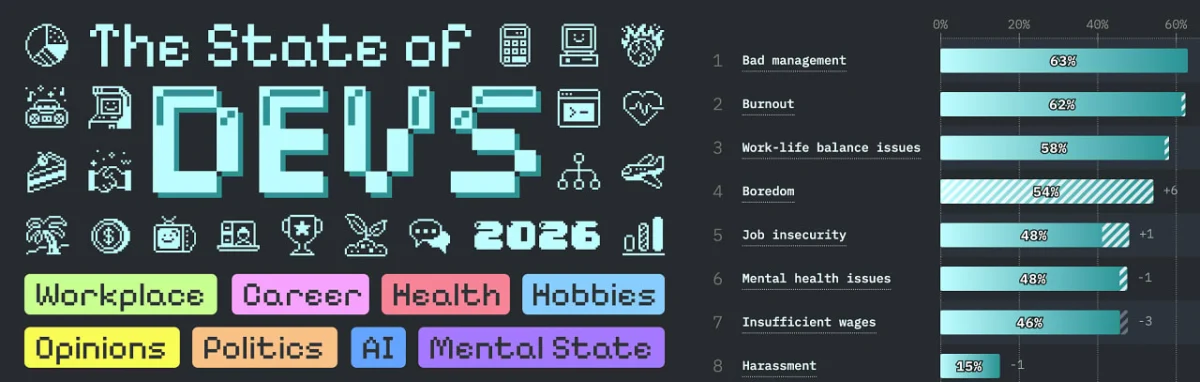
Finally, the importance of knowledge sharing—seen in events like the Mozilla Festival and the ongoing State of Devs surveys—cannot be overstated. As the stack becomes more complex, the community’s role in curating best practices and building shared tooling becomes the primary driver of innovation.
Conclusion
The current state of the JavaScript ecosystem is defined by a transition toward maturity. Preact 11 and Effect 4.0 are not just updates; they are pillars of a more efficient, reliable, and capable future. As developers embrace these tools, the focus will continue to shift from simply "making it work" to "making it scale."
For the modern engineer, the challenge lies in mastering these new abstractions. Whether it is refining TypeScript types to improve developer safety, leveraging worker threads to slash cloud costs, or building custom mods for AI-driven coding agents, the path forward is clear: the most successful developers will be those who prioritize architectural depth and system efficiency above all else.

As we look toward the remainder of the year and into 2026, the convergence of these trends suggests that the web is entering its most stable and performant phase to date. The tools are ready; the question remains how developers will wield them to build the next generation of digital experiences.