





In a significant transformation of its internal engineering hierarchy, Apple has initiated a series of high-level leadership transitions that mark the end of an era for the company’s display technology division. As reported by Bloomberg’s Mark Gurman, two stalwarts of the organization—Wei Chen and John Zhong—are stepping back from their long-standing oversight of display development. With a combined six decades of tenure at Apple, their shift into advisory roles signals a broader, calculated effort by Apple’s executive suite to streamline operations and accelerate product development cycles.
This transition is not an isolated event but a key component of a larger reorganization spearheaded by Chief Hardware Officer Johny Srouji. By flattening management structures and realigning key departments, Apple is positioning itself for a new phase of hardware innovation, aiming to bridge the gap between silicon design and final device assembly.
The Sunset of an Era: Display Leadership Evolution
For thirty years, Wei Chen and John Zhong have been the silent architects behind the screens that define the Apple experience. From the early days of desktop monitors to the sophisticated OLED and MicroLED panels found in today’s iPhone and Apple Watch lineups, their influence has been pervasive.
As they transition into advisory capacities, the mantle of display development has officially passed to Victor Yin. Yin’s promotion is the culmination of a multi-year succession plan designed to ensure that the transition of institutional knowledge remains seamless. While Chen and Zhong’s departure from day-to-day operations is significant, the shift underscores Apple’s long-standing preference for internal cultivation of talent. By grooming successors over several years, the company minimizes the volatility often associated with high-level executive changes.
Chronology of Structural Changes
The recent changes in display leadership are part of a cascading series of structural adjustments that have occurred throughout 2026. Understanding the trajectory of these changes requires looking back at the strategic pivots made earlier in the year:
- April 2026: Apple elevated Johny Srouji to the role of Chief Hardware Officer. This move was pivotal, consolidating control over both hardware engineering and hardware technologies under a single leader. This unification was intended to solve long-standing silos that had previously hindered communication between chip architects and device engineers.
- May 2026: Following Srouji’s appointment, a comprehensive reorganization of product development was initiated. The primary goal was to foster tighter collaboration between the teams developing proprietary silicon and the teams responsible for chassis design and integration.
- September 2026: CEO John Ternus accelerated efforts to increase the speed of product launches. This initiative included a mandate to reduce the number of management layers between engineers and senior leadership, effectively empowering rank-and-file developers while streamlining decision-making.
- October 2026: The most recent wave of promotions—including the elevation of Rajesh Ambati, Louie Sanguinetti, and Derek Shaeffer to vice presidents—solidified the new leadership structure. Simultaneously, the company confirmed the appointments of Carson Oliver (App Store) and Steve Smith (Corporate Development) to their respective leadership positions.
Supporting Data: The New Engineering Guard
The October promotions represent a vote of confidence in a younger generation of leaders who have already proven their mettle in critical hardware domains.
The New Vice Presidents
- Rajesh Ambati: Focused on the intricate interplay between hardware connectivity and software optimization.
- Louie Sanguinetti: A long-time veteran whose work in wireless hardware has been foundational to the modern iPhone and iPad connectivity standards.
- Derek Shaeffer: A key figure in the hardware engineering pipeline, now tasked with overseeing broader integration efforts.
These promotions are not merely titular; they represent a fundamental shift in how Apple manages its complex product pipelines. By elevating leaders with deep technical expertise in wireless and connectivity, the company is signaling that the future of its hardware ecosystem will be defined by seamless integration between components and the cloud.
The "Srouji Doctrine": Efficiency and Accountability
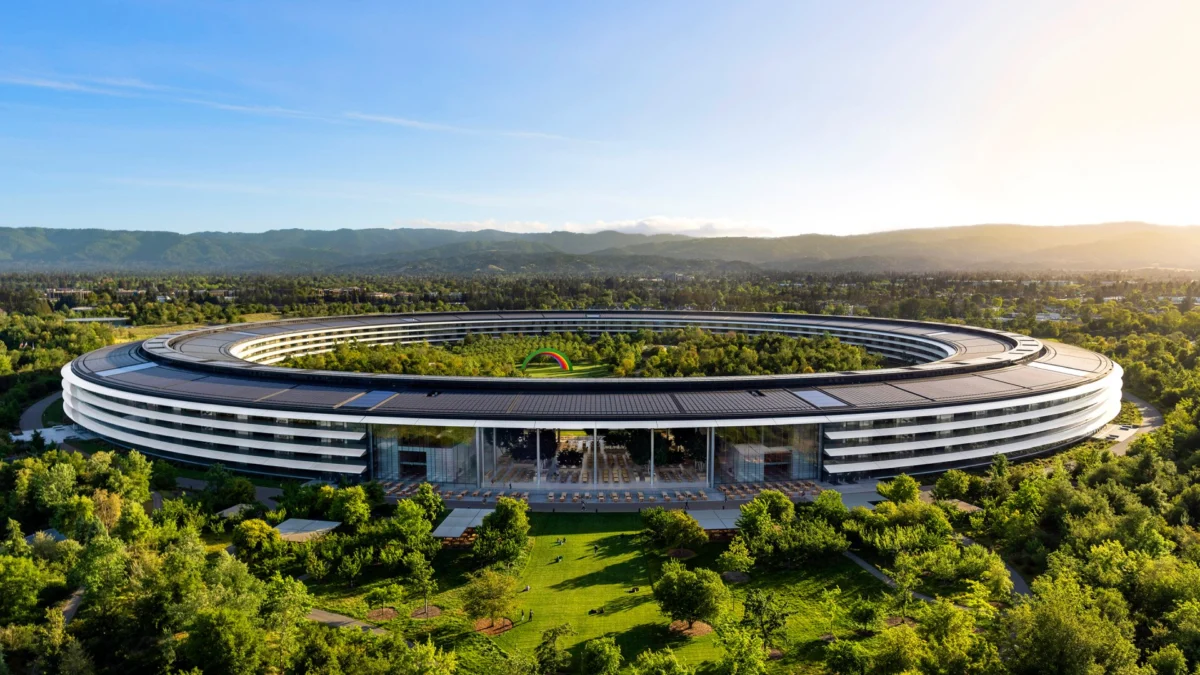
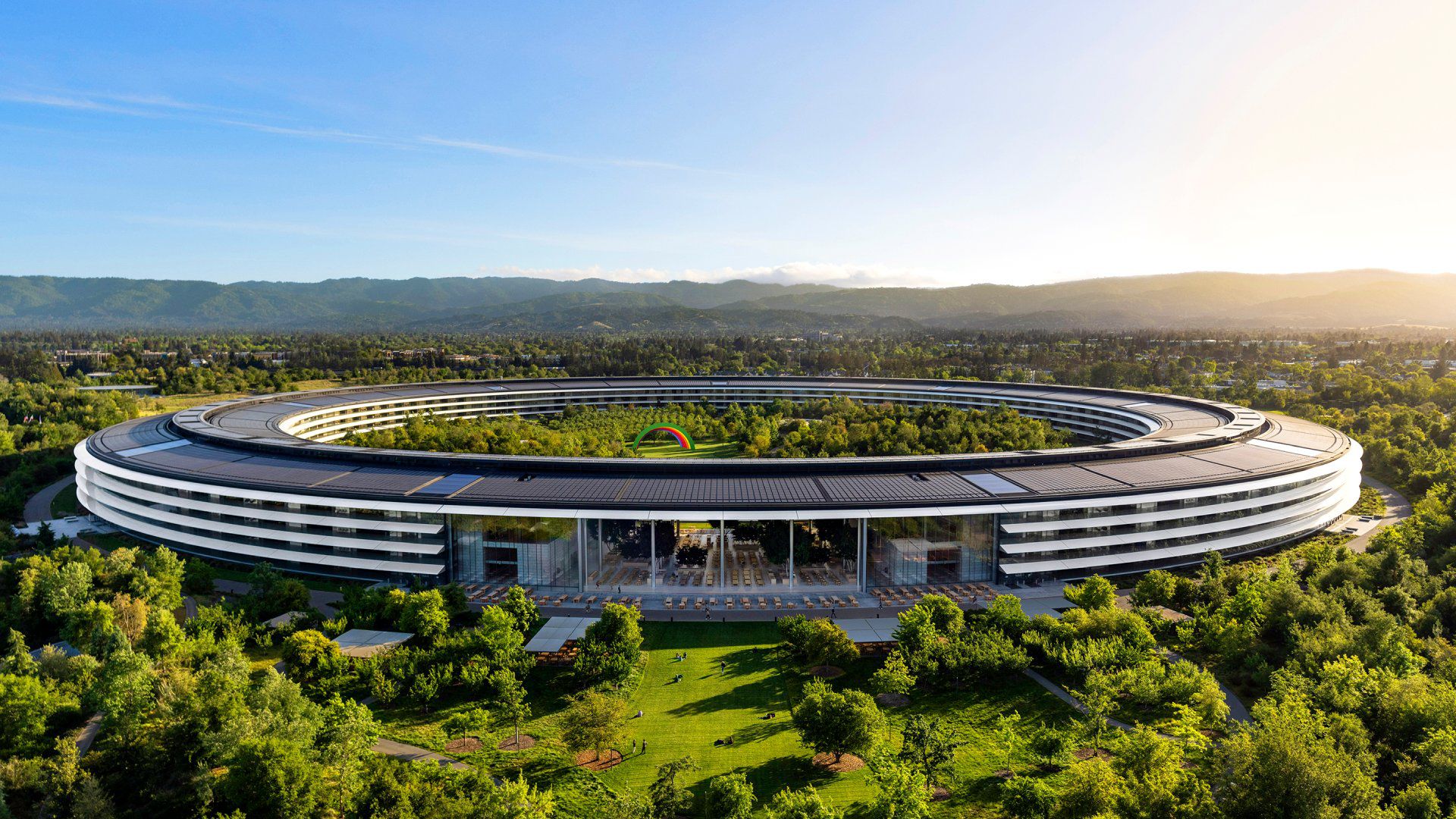
The recent layoffs of hardware program managers are a direct result of the directive issued by John Ternus and executed by Johny Srouji. By removing "management layers," the company is aiming to eradicate the bureaucratic inertia that has, at times, slowed the pace of innovation at Apple Park.
Strategic Implications of the "Layer Removal"
- Direct Accountability: By shortening the distance between the CEO and the engineering floor, Apple ensures that project goals are communicated clearly and without dilution.
- Accelerated R&D: The primary goal of the current organizational shift is to decrease the time-to-market for complex hardware. The "faster and more often" philosophy championed by Ternus requires a nimble, high-trust environment.
- Cross-Pollination: With hardware engineering and hardware technologies under one roof, Srouji is uniquely positioned to ensure that Apple’s custom chips are perfectly tailored to the physical constraints of new devices, such as the rumored touch-screen MacBook Pro.
Critics of this approach point to the risk of employee burnout and the loss of institutional wisdom. However, Apple’s leadership maintains that the necessity of agility in a competitive global market outweighs the traditional, more hierarchical approach to management.
Official Stances and Market Context
While Apple maintains its characteristic policy of not commenting on internal organizational shifts, the moves are clearly aligned with the company’s public-facing goals for the 2026-2027 fiscal cycle.
The market has been watching these shifts closely, particularly in light of recent stumbles. Mark Gurman’s recent assessment of the "iPhone Duo" pre-order process as a "major mistake" due to supply chain mismanagement highlights the risks inherent in an aggressive product launch schedule. If Apple is to successfully launch more products, more frequently—such as the upcoming smart home hub inspired by the iconic iMac G4—the company must ensure that its internal leadership is lean, responsive, and highly coordinated.
The smart home push, scheduled for mid-October, serves as a stress test for this new leadership structure. By moving away from legacy management and toward a more integrated, streamlined model, Apple is betting that it can recapture the rapid innovation cycles of its past.
Future Implications: What This Means for Consumers
What does this mean for the end user? First and foremost, users can expect a greater emphasis on integrated hardware-software experiences. As display technology becomes more central to devices—not just in smartphones, but in smart home hubs and potential new form factors—the coordination between the display engineering team (now under Victor Yin) and the silicon team (under Srouji) will be the primary driver of Apple’s competitive advantage.
Secondly, the "flattening" of the organization suggests that Apple intends to iterate more quickly. The long, multi-year development cycles that once characterized the Mac and iPad are being challenged by a requirement for constant improvement. Consumers should expect more frequent updates to hardware specs and perhaps a wider variety of specialized device variants, similar to the multi-tier approach seen in the company’s latest smart home roadmap.
Finally, the transition of veterans like Chen and Zhong serves as a reminder of the company’s maturity. Apple is successfully transitioning from a company built by its founders and early pioneers to one that is sustained by a deep bench of long-term employees who have been carefully groomed for leadership.
Conclusion
As Apple enters the final quarter of 2026, the company is in the midst of a profound identity transition. By pruning middle management, elevating technical experts to the vice-presidential level, and aligning hardware divisions under a single, unified command structure, Apple is preparing for a future where hardware and silicon are inextricably linked. Whether this shift succeeds in accelerating innovation while maintaining the high quality for which the brand is known will be the defining narrative of the next decade. For now, the message from Apple Park is clear: the company is shedding its layers to regain its edge.