





NEW DELHI/CHENNAI — Over the past decade, the architecture of consumer trust has undergone a quiet yet seismic revolution. Traditional billboards, 30-second television spots, and high-gloss print advertisements no longer hold a monopoly over consumer attention. Instead, millions of Indian consumers make their purchasing decisions based on the recommendation of a creator sitting in their bedroom, speaking directly to them through a smartphone screen.
This phenomenon—influencer marketing—has transitioned from an experimental public relations afterthought into a dominant, highly accountable engine of modern digital commerce. According to industry estimates by EY and Big Bang Social, India’s influencer marketing industry is projected to skyrocket to approximately ₹3,375 crore by 2026, expanding at a robust Compound Annual Growth Rate (CAGR) of 18% to 20%.
As nearly half of all mobile screen time in India is now funneled into social media platforms, three out of every four brand marketing strategies have codified influencer partnerships into their core communication plans. To understand how this multi-thousand-crore industry evolved, one must trace its journey from the margins of brand budgets to the boardroom table.
Chronology of an Industry: From PR Experiment to Performance Powerhouse
Phase 1: The Experimental Margins (Pre-2015)
In the early 2010s, influencer marketing did not exist in its current vocabulary. Brands relied on traditional celebrity endorsements for mass reach, while digital budgets were overwhelmingly tethered to banner ads, search engine optimization, and basic social media posting. When brands did collaborate with early bloggers or YouTube creators, it was treated as a low-priority PR stunt. Budgets were carved out from leftover funds, and expectations were minimal—usually measured by simple brand mentions rather than conversions or return on investment (ROI).
Phase 2: The Social Media Surge and the Rise of the Creator (2015–2019)
The rapid expansion of affordable 4G data across India, catalyzed by telecom disruptions, flooded digital platforms with millions of new users. Instagram and YouTube emerged as cultural town squares. During this period, digital creators began to professionalize. Creators realized that their value lay not just in reach, but in the intimate, unmediated relationships they built with niche communities. Brands took notice, shifting from sporadic gifting campaigns to paid partnerships.
Phase 3: Institutionalization and Accountability (2020–Present)
The post-pandemic era accelerated mobile-first consumption, pushing influencer marketing into the mainstream. Specialized verticals began to emerge within major agencies to handle the operational complexities of creator matchmaking, contract negotiation, and compliance. Influencer marketing shed its "vanity metric" reputation. Today, campaign metrics are scrutinized with the same analytical rigor as performance marketing ads, complete with conversion tracking, promo codes, and stringent regulatory oversight.
Defining the Ecosystem: What Is Influencer Marketing?
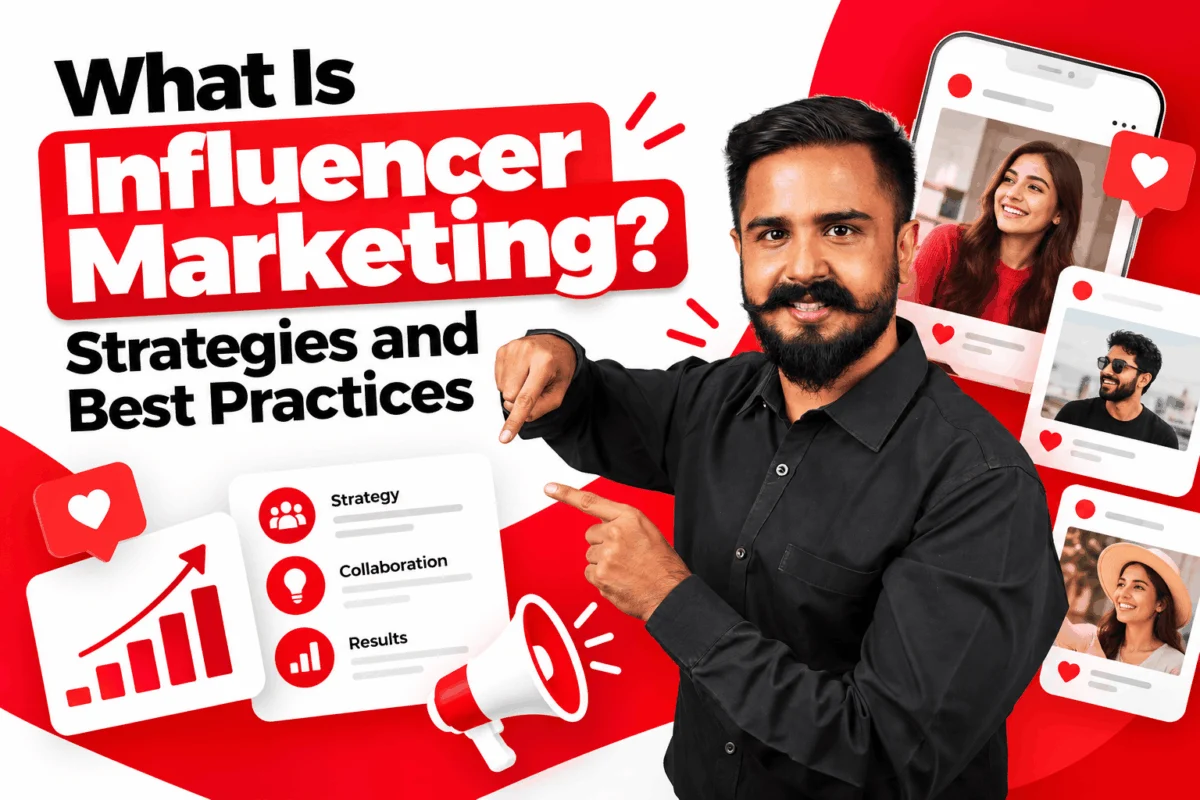
At its core, influencer marketing is a strategic collaboration between a brand and a social media creator—an individual who has cultivated trust, credibility, and an engaged following within a defined niche. The goal is to promote a product, service, or message in a format that feels authentic and native to the platform.
Unlike traditional advertising, which interrupts the user experience, influencer marketing leverages what industry veterans term “borrowed trust.”
When a trusted creator integrates a brand into their content using their own voice, style, and narrative framework, audiences perceive it as a peer-to-peer recommendation rather than a corporate pitch. This psychological distinction is precisely why traditional display ads struggle to replicate the conversion rates of a well-executed creator campaign.
The Anatomy of Creator Tiers: Matching Strategy to Objective
Not every campaign requires a Bollywood megastar, and conversely, a mass-awareness campaign cannot be sustained by a single nano-influencer. Modern digital strategy requires segmenting creators into specific tiers based on campaign objectives:
- Nano-Influencers (1,000 – 10,000 followers): Characterized by hyper-local or hyper-niche communities. Though their reach is modest, their engagement rates are typically the highest in the ecosystem, making them ideal for authentic community building and localized testing.
- Micro-Influencers (10,000 – 100,000 followers): Widely regarded as the workhorses of modern performance campaigns. They maintain high accessibility with their audience, commanding deep trust within specific verticals like skincare, fitness, or regional cuisine.
- Macro-Influencers (100,000 – 1 Million followers): Trusted authorities or regional celebrities. They offer a powerful blend of aspirational appeal and substantial reach, suited for mid-funnel consideration campaigns.
- Celebrities & Mega-Influencers (1 Million+ followers): Mass-market figures capable of driving immediate, broad-spectrum brand awareness and top-of-mind recall.
Supporting Data and Market Dynamics
The maturation of the Indian creator economy is backed by compelling data:
- Market Valuation: Projected to touch ₹3,375 crore by 2026 (EY / Big Bang Social estimates).
- Growth Velocity: Sustained at an 18–20% CAGR since 2022.
- Consumption Shifts: Approximately 50% of total mobile screen time in India is now spent navigating social media ecosystems.
- Adoption Rate: Roughly 75% of contemporary brand strategies incorporate dedicated influencer marketing allocations.
Beyond follower metrics, campaign formats have diversified extensively. Modern strategies blend sponsored Reels and video posts with unboxings, honest product reviews, brand takeovers, long-term ambassadorships, and affiliate-linked performance collaborations where creators earn a percentage of direct sales.
Official Guidelines and Regulatory Compliance
As the economic stakes have grown, regulatory bodies have stepped in to protect consumers from deceptive marketing practices. In India, the Advertising Standards Council of India (ASCI) has established strict guidelines regarding sponsored content.
Under these mandates, all commercial partnerships—whether paid partnerships, gifted products, or affiliate collaborations—must feature clear, prominent disclosures. Terms such as #Ad, #Sponsored, or platform-native paid partnership labels are no longer optional. Brands and creators face strict scrutiny for failing to transparently disclose commercial relationships, ensuring that consumer trust remains protected in an increasingly monetized digital landscape.
Strategic Implications: Best Practices vs. Common Pitfalls
Transitioning influencer marketing from an art form to a disciplined science requires adhering to proven methodologies while avoiding systemic missteps.
Industry Best Practices:
- Strategy First, Creators Second: Campaigns must be anchored in clear business objectives—whether that is app downloads, direct-to-consumer (D2C) sales, or brand recall—before drafting creator shortlists.
- Creative Freedom: Over-scripting creators destroys authenticity. Brands must provide clear boundaries, key messaging pillars, and compliance guidelines, but allow creators to deliver the message in their natural voice.
- Long-Term Partnerships: One-off posts yield temporary spikes. True brand loyalty is built through sustained ambassadorships where creators evolve into genuine brand advocates.
Common Pitfalls to Avoid:
- Chasing Vanity Metrics: Focusing solely on follower counts or aggregate views rather than meaningful engagement, audience sentiment, and conversion metrics.
- Mismatched Audiences: Partnering with creators based purely on their popularity rather than the demographic alignment of their followers with the brand’s target buyer persona.
- Ignoring Compliance: Neglecting ASCI disclosure norms, which exposes both the brand and the creator to regulatory penalties and a loss of public credibility.
Conclusion: The Path Forward for Digital Commerce
Influencer marketing has crossed its adolescence. It is no longer a wild-west frontier of vanity metrics, arbitrary gifting, and unmeasured spending. As the Indian digital economy marches toward its projected ₹3,375 crore valuation by 2026, the competitive advantage will belong to brands that treat influencer marketing as a core strategic discipline.
By pairing rigorous performance analytics with the authentic, human connection that creators uniquely provide, forward-thinking brands are building sustainable ecosystems of trust. Ultimately, the future of marketing does not lie in shouting louder at consumers; it lies in partnering with those whom consumers already trust to speak on your behalf.