






For the better part of a decade, Google Chrome has sat comfortably on the throne of mobile browsing. With its ubiquity, seamless synchronization, and familiar interface, it has become the default entry point to the internet for billions of Android users. However, as web clutter increases—manifesting in intrusive ad-tech, aggressive tracking, and resource-heavy scripts—a growing number of power users are looking for an exit strategy.
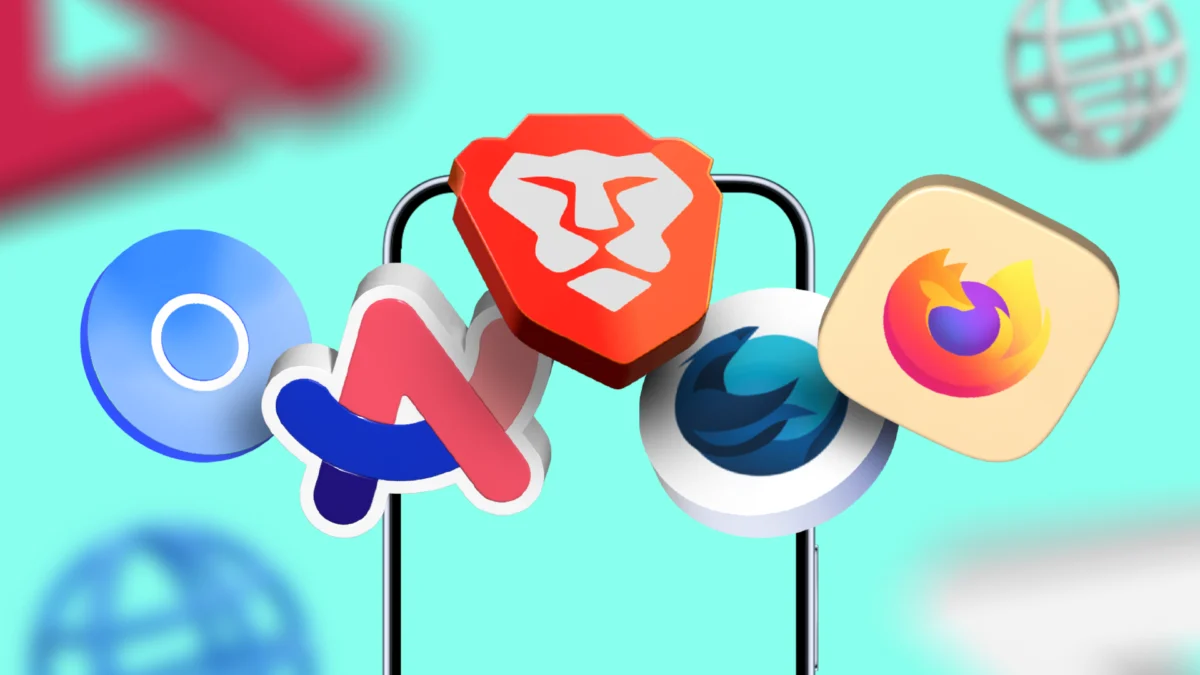
Breaking free from the Google ecosystem on Android is no trivial task. It requires a departure from comfort and a willingness to experiment with open-source alternatives. Recently, I embarked on a multi-week journey to replace Chrome, testing a diverse array of browsers including Brave, Arch Search, Iceraven, Bare, and Firefox. The objective was simple: find a browser that offers superior privacy, better customization, and a more streamlined user experience without sacrificing the essential functionality that defines a modern mobile browser.
The State of Mobile Browsing: Why We Are Looking Elsewhere
The motivation for switching is rarely about speed alone; it is about autonomy. Chrome, while efficient, is fundamentally a data-harvesting tool designed to feed the Google advertising engine. While it provides a consistent experience, it lacks the aggressive, out-of-the-box ad-blocking and granular privacy controls that power users now demand.
My testing methodology involved daily usage of five distinct browsers over a period of several weeks. The criteria for success were performance, extension compatibility, privacy-centric features, and the ability to handle modern web demands like background media playback and site-specific troubleshooting.
The Contenders: A Detailed Breakdown
Bare Browser: The Minimalist’s Dream
Bare, an open-source Chromium-based project, immediately caught my attention with its "less is more" philosophy. It is refreshingly devoid of the bloatware often found in mainstream browsers. Its standout feature is its robust support for extensions. During my testing, I was able to integrate uBlock Origin, manage background media playback, and hand off downloads to external managers with ease.
However, Bare is still in its alpha phase. While the performance is commendable, the occasional stability issue serves as a reminder that it is not yet ready to be a "daily driver" for the average user. It remains a project to watch for those who prioritize a lightweight, highly customizable environment.
Iceraven: The Firefox Fork for Power Users
Mozilla’s official Firefox browser for Android has faced criticism for its restrictive approach to extensions. Enter Iceraven, an open-source fork designed to unlock the functionality that Mozilla has kept behind closed doors.
Iceraven offers full extension support, allowing users to install almost any tool from their preferred repository. The inclusion of tab-suspension features was a welcome addition to memory management. Yet, Iceraven suffered from the "fork syndrome"—occasional jank, inconsistent performance, and compatibility issues with certain extensions. While it is a massive improvement over the standard Firefox mobile experience, it lacked the polish required to become my primary browser.
Arc Search: The AI-Driven Innovator
Arc Search, developed by The Browser Company, represented the most radical departure from the traditional browser model. Its "Browse for Me" feature utilizes AI to synthesize information from multiple sources into a single, decluttered report, saving the user from navigating dozens of disparate websites.
In terms of utility, Arc Search was arguably the most impressive. Its interface is elegant, and its ability to manage inactive tabs via intelligent suspension was best-in-class. Unfortunately, the browser’s development roadmap has been truncated, with a sunset date announced for November 2026. Despite its brilliance, recommending a platform on the verge of discontinuation is impractical.

Firefox: The Underwhelming Default
Despite its status as a desktop powerhouse, Firefox on Android felt like a relic in my testing. It lacks the deep, granular customization found in its open-source derivatives like Iceraven and fails to match the raw, Chromium-based speed of its competitors. While it is a safe and reliable option, it failed to provide the "wow factor" or the specialized utility that would warrant a switch from Chrome for a power user.
The Champion: Why Brave Became My Default
After exhaustive testing, one browser emerged as the clear victor: Brave. It is not merely a replacement; it is an evolution of what a mobile browser should be.
Seamless Privacy and Shields
Brave’s primary strength lies in its "Shields" system. Unlike other browsers that require a complex stack of extensions to achieve adequate privacy, Brave implements robust ad-blocking, fingerprinting protection, and cookie management by default. The impact on page load times and battery efficiency is immediate. By stripping away trackers and advertisements at the network level, websites load faster, and the device consumes significantly less power.
Transforming the YouTube Experience
Perhaps the most compelling argument for Brave is its ability to replicate—and in some ways exceed—the features of paid services like YouTube Premium. Through its native settings, I was able to enable background media playback and offline downloads.
Furthermore, Brave’s "Content Filters" provide a level of control over the YouTube interface that is simply unavailable elsewhere. I could selectively disable "Shorts," remove auto-dubbed videos, and hide members-only prompts. This capability essentially turns the browser into a high-performance media consumption tool that respects the user’s preferences rather than the platform’s monetization goals.
Managing the "Broken Web"
A common criticism of aggressive ad-blockers is that they "break" websites. This is a valid concern. However, Brave addresses this with its "Dynamic Shield" rules. When a site fails to render correctly, a single tap allows me to adjust the shields for that specific domain. The browser intelligently remembers these settings, creating a personalized browsing environment that balances convenience with security.
Chronology of the Shift
- Week 1: The Initial Assessment. I began by auditing my current Chrome usage, identifying the specific "pain points" (targeted ads, tracking, lack of background playback).
- Week 2: The Stress Test. I installed the five browsers and began assigning them specific tasks—researching with Arc Search, testing extensions on Bare and Iceraven, and evaluating standard performance on Firefox.
- Week 3: The Consolidation. I migrated my bookmarks and passwords to Brave. The process was surprisingly seamless, mirroring the ease of Chrome’s own synchronization features.
- Week 4: The Final Verdict. After a full month of exclusive usage, I found that I no longer missed Chrome. The transition was complete, and the benefits in terms of privacy and media control were undeniable.
Implications for the Mobile Web
The fact that a user can achieve such a significant improvement in their digital experience by simply switching applications underscores the "hidden" cost of our current default browsers. Chrome’s dominance is maintained through inertia and pre-installation, not necessarily through superior utility.
As browsers like Brave gain traction, the industry is forced to reckon with a more informed user base. The shift toward privacy-first browsing is not merely a trend; it is a response to a web environment that has become increasingly hostile to the user.
Final Thoughts: Taking Back Control
Switching browsers on Android is more than a change in software; it is a change in philosophy. It is an acknowledgment that your browser should work for you, not for the advertising networks that fuel the modern web.
Brave has proven itself as the most feature-rich, privacy-conscious, and user-friendly browser available today. While other options offer interesting glimpses into the future of browsing—such as the AI-driven research of Arc or the open-source modularity of Bare—Brave provides the best balance of stability and power. For those tired of the status quo, the path to a better, faster, and more private mobile experience is clear. It is time to close Chrome and take control of your digital life.