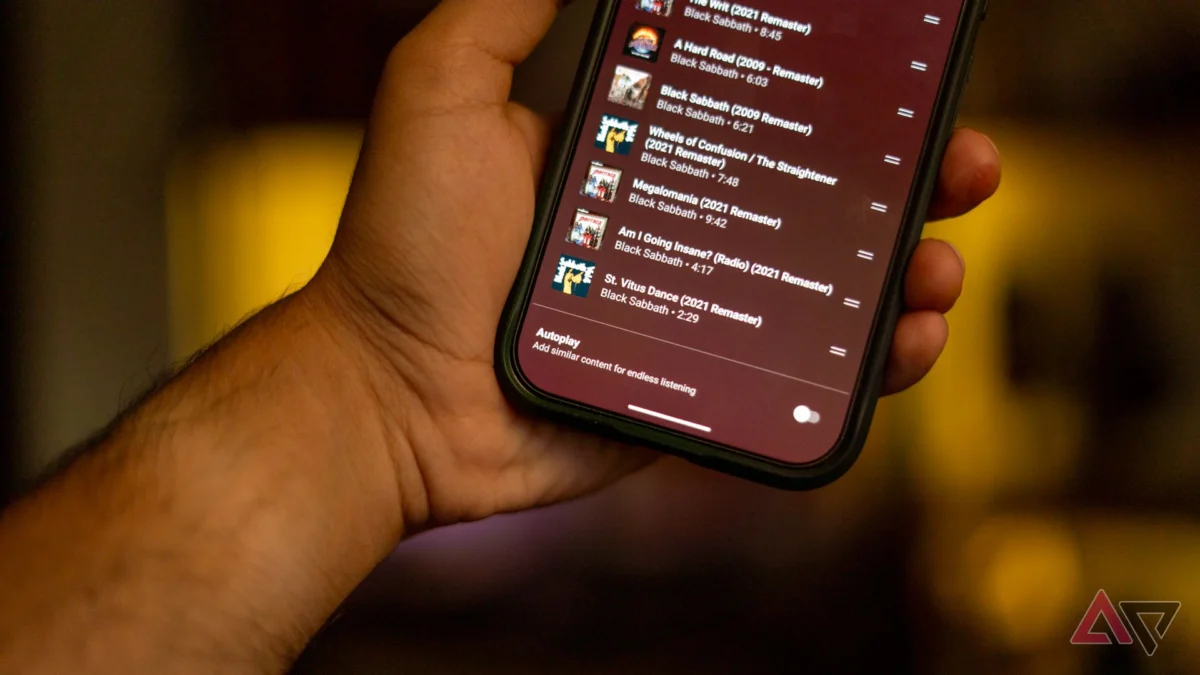
The boundary between human creativity and synthetic generation is becoming increasingly porous. As artificial intelligence tools become more accessible to bedroom producers and professional studios alike, the music industry is grappling with a profound identity crisis. In response to this shifting landscape, YouTube Music has officially announced a new, proactive initiative designed to bring clarity to the listener experience: a clear, visual "AI-generated" marker that will appear beneath the song title for tracks where artificial intelligence has played a significant role.
This move marks a critical juncture in the ongoing dialogue between tech giants, creators, and consumers regarding the ethics and authenticity of digital media. As synthetic content proliferates, the burden of verification has largely fallen on the audience, but YouTube is now shifting that responsibility back to the platform level.
The Mechanics of Transparency: How YouTube Will Identify AI Content
The implementation of these labels is not merely a cosmetic change; it is a complex engineering challenge. According to official disclosures, YouTube is deploying a multi-faceted approach to identify synthetic audio. The platform is leveraging a combination of its own proprietary detection algorithms—designed to analyze audio waveforms and metadata patterns—and strategic partnerships with music industry stakeholders.
By "teaming up with music partners," YouTube is essentially creating a verification pipeline. When a song is uploaded or distributed, metadata or content identification (Content ID) systems will flag tracks that utilize generative AI. This label will not apply to minor edits or standard studio production tools like pitch correction or compression. Instead, it is reserved for instances where AI serves as a primary creative driver—such as vocal cloning, synthetic instrumentation, or the generation of entire melodic structures.
A Chronology of the AI Disclosure Movement
The journey toward mandatory labeling has been swift, mirroring the rapid evolution of the technology itself. To understand why this is happening now, we must look at the timeline of events leading up to this point:

- Early 2023: The rise of viral AI-generated songs, such as "Heart on My Sleeve" (a track featuring AI-cloned vocals of Drake and The Weeknd), sent shockwaves through the industry. The song’s popularity forced labels and platforms to confront the lack of legal and ethical frameworks for synthetic music.
- Late 2023 – Early 2024: Industry groups and major record labels began lobbying for stricter regulation. The primary concern was not just copyright infringement, but the potential for consumer deception.
- May 2026: YouTube took a significant step by introducing AI labels across its primary video platform. These disclosures were moved to a prominent position directly below the video player, ensuring that viewers could immediately identify when they were watching synthetic content.
- October 2026: Building on the success of its video-side labeling, YouTube Music announced the extension of these markers to its audio streaming library, signaling that the platform’s "AI-first" transparency strategy is now comprehensive across all media formats.
Supporting Data: Why Trust Matters in Audio Streaming
The push for labeling is rooted in consumer psychology and market trust. According to industry research, over 65% of regular music listeners expressed "significant concern" regarding their ability to distinguish between human-composed music and AI-generated tracks. As generative models become more sophisticated, the "uncanny valley" effect in music is disappearing; high-fidelity synthetic vocals are becoming indistinguishable from the real thing to the untrained ear.
Furthermore, competition is fierce. Spotify has already moved to address the issue, implementing its own labeling systems for AI-generated artists. Meanwhile, third-party developers have created browser extensions and forensic audio tools that allow users to filter out AI content entirely. This suggests that there is a growing segment of the market—often referred to as "authenticity purists"—that is willing to use third-party tools to curate their listening environment if the platforms do not provide the necessary controls.
Official Responses and Industry Implications
The industry reaction to YouTube’s initiative has been largely positive, though complex. Music labels have generally lauded the move, viewing it as a necessary step to protect the value of human intellectual property. However, independent creators have expressed mixed feelings.
Some artists fear that an "AI-generated" tag carries a stigma, potentially reducing streams and listener engagement regardless of the song’s actual quality. In an official statement, YouTube clarified its position: "The goal is to make it as easy as possible for viewers and listeners to have the right information and clarity when it comes to the music they listen to."
This statement highlights a pivot from the platform’s previous stance of neutrality. By opting for transparency, YouTube is positioning itself as a "trusted curator" rather than just a content pipe. This approach could influence how other platforms handle the influx of synthetic media, potentially establishing a new industry standard for digital rights management (DRM) and metadata tagging.

The Future: Beyond Labeling
While labels represent a significant first step, they are unlikely to be the final solution. The broader question looming over the industry is whether labels are enough. Many users are now calling for a "kill switch"—a user-controlled setting that would allow listeners to filter out all AI-generated content from their personalized recommendations, such as the "Discover Weekly" or "Radio" features.
The Case for Granular Control
If a user wants to avoid synthetic music, they currently have to rely on manual discovery. If platforms integrated a toggle to hide AI-labeled tracks, it would fundamentally change the power dynamic. Creators who rely on AI as a crutch might see their reach decline, while those who prioritize traditional recording techniques might see an uptick in visibility. This "all-or-nothing" approach is controversial, as it risks filtering out hybrid works where AI is used as a sophisticated production tool rather than a replacement for human talent.
The Proliferation of AI Tools
We are currently in a transition period. As AI becomes embedded in everything from digital audio workstations (DAWs) to mastering software, the definition of "significant role" will continue to evolve. Does an AI-assisted drum loop count as an AI-generated song? The industry will likely need to develop a tiered labeling system—differentiating between "AI-assisted" (human-led, AI-augmented) and "AI-generated" (AI-led, human-curated).
Conclusion: Navigating the Synthetic Frontier
The decision by YouTube Music to label AI-generated content is a necessary recognition of the changing reality of creative production. As we move further into an era where synthetic and organic art coexist, the value of human-made music may actually increase, provided that listeners have the transparency required to make informed choices.
We are still in the early stages of this technological revolution. The problems we see today—copyright disputes, the devaluation of human performance, and the blurring of creative lines—are likely just the beginning. As companies continue to integrate AI deeper into their product ecosystems, the primary challenge will not be the technology itself, but maintaining the integrity of the human experience. For now, the "AI-generated" label serves as a signpost in a rapidly changing landscape, reminding us that while technology can replicate the sound of creativity, it still cannot replace the intent behind it.