







By Tech Insights Editorial Team
October 15, 2026
The anticipation surrounding Apple’s first foray into the foldable smartphone market has reached a fever pitch. With the iPhone Duo—Apple’s revolutionary dual-screen foldable—set to hit the market in mere days, consumers and tech analysts alike are scrutinizing every available piece of data to determine if this form factor requires a sacrifice in raw performance. According to a newly surfaced Geekbench 7 result, the answer appears to be a resounding "no."
Early benchmarks for the iPhone Duo (identified in the database as iPhone19,4) have emerged, revealing that the device is running on the same silicon that powers the flagship iPhone 18 Pro. This parity suggests that Apple has successfully managed the thermal and electrical complexities of a dual-display device without throttling the A20 Pro chip, at least in synthetic testing environments.
Main Facts: A Mirror Image of Performance
The Geekbench 7 scores for the iPhone Duo are remarkably consistent with the established baselines of the iPhone 18 Pro and Pro Max. The device recorded a single-core score of 3,986 and a multi-core score of 11,067. These figures place the Duo firmly in the upper echelon of current mobile computing, confirming that the transition to a foldable chassis has not necessitated a "lite" version of Apple’s silicon.
The A20 Pro chip, fabricated on a cutting-edge 2nm process, remains the heart of the experience. It features a high-performance 6-core CPU architecture and a 7-core GPU, clocked at a base frequency of 4.93GHz. Perhaps most importantly for power users, the benchmark confirms the inclusion of 12GB of RAM (listed as 11.30GB usable), ensuring that the multitasking capabilities inherent in a dual-screen device are well-supported by high-speed memory.
Chronology: The Road to the iPhone Duo Launch
The journey toward the iPhone Duo has been one of the most closely watched stories in the consumer electronics industry.
- September 17, 2026: Reports from Foxconn supply chain insiders suggested that production yields for the foldable device were hovering around 60%, sparking concerns about initial availability and potential quality control issues.
- September 19, 2026: Apple’s VP of Hardware Engineering, Tom Marieb, broke the company’s uncharacteristic silence on the "crease" issue, urging critics to "hold us accountable" while highlighting the new nano-texture display technology.
- October 1, 2026: Apple shifted the narrative from internal engineering to creative capability, releasing a "Shot on iPhone Duo" gallery to demonstrate the prowess of the device’s quad-camera array.
- October 14, 2026: The first Geekbench 7 performance data went public, confirming the hardware parity between the Duo and the iPhone 18 Pro.
- October 16, 2026: Official pre-orders open for early adopters.
- October 23, 2026: The official market launch, marking the first time a foldable Apple device will be available in retail stores.
Supporting Data: The Power of the A20 Pro
When Apple unveiled the A20 Pro chip, the company made bold claims regarding generational leaps in efficiency and raw power. Apple stated that the A20 Pro offers a 20% increase in CPU performance compared to the previous A19 Pro, along with a 40% boost in GPU performance.
While the Geekbench 7 test focused exclusively on CPU performance—leaving the 7-core GPU’s full potential untested for now—the results validate that the A20 Pro’s architecture is stable in a foldable environment. The consistency of these scores, despite the vastly different heat dissipation requirements of a foldable phone compared to a traditional slab, speaks volumes about the maturity of Apple’s thermal management systems.
However, synthetic benchmarks only tell half the story. Real-world performance will be dictated by how the device manages its dual-screen power consumption. Driving two high-resolution displays simultaneously, particularly under the stress of demanding applications, will provide the ultimate test for the A20 Pro’s sustained performance levels.
Official Responses and Engineering Challenges
The "elephant in the room" for any foldable device is the durability of the screen and the inevitability of the crease. During an interview with TechRadar, Apple’s Tom Marieb provided rare insight into the engineering philosophy behind the iPhone Duo.
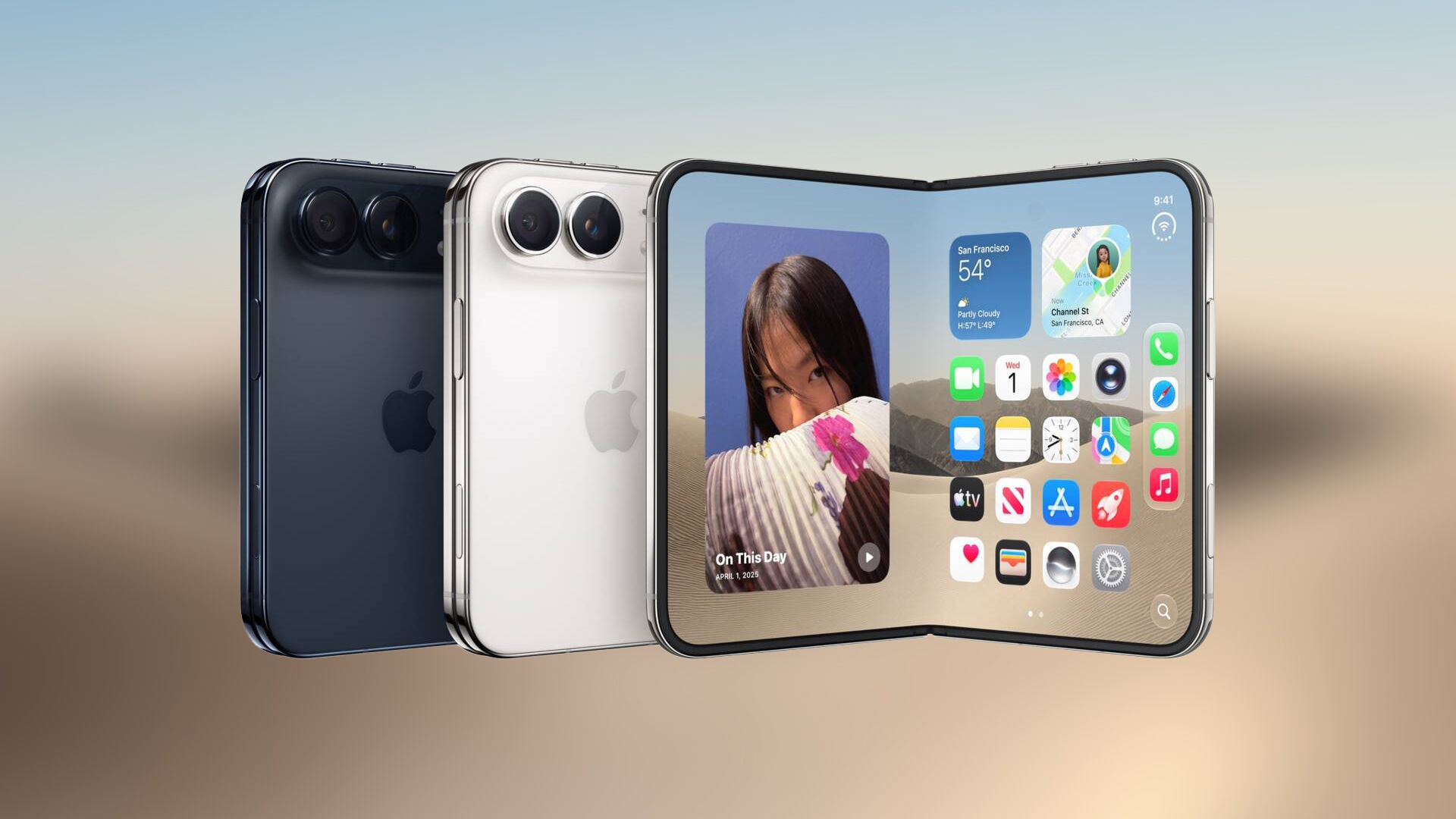
"We understand the skepticism surrounding folding displays," Marieb noted. "Our focus has been on a holistic integration of the display material and the hinge mechanics."
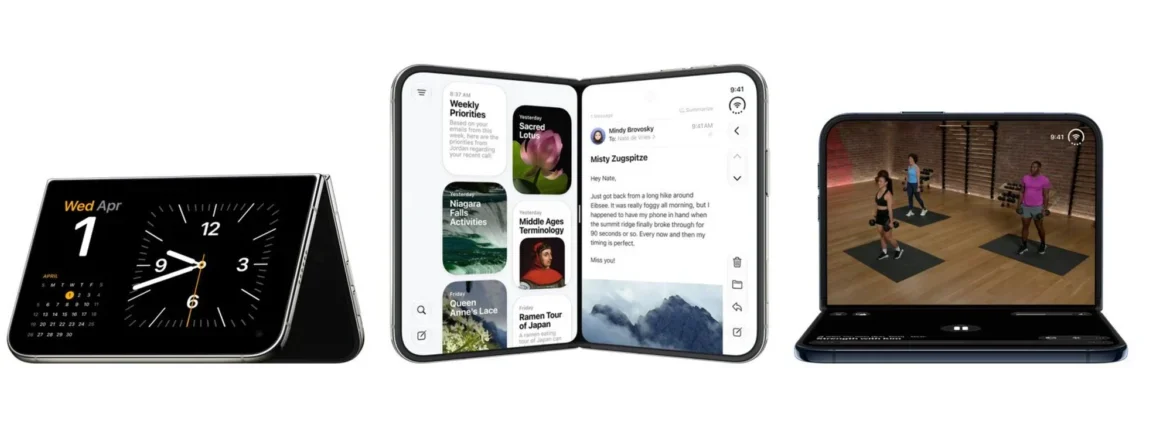
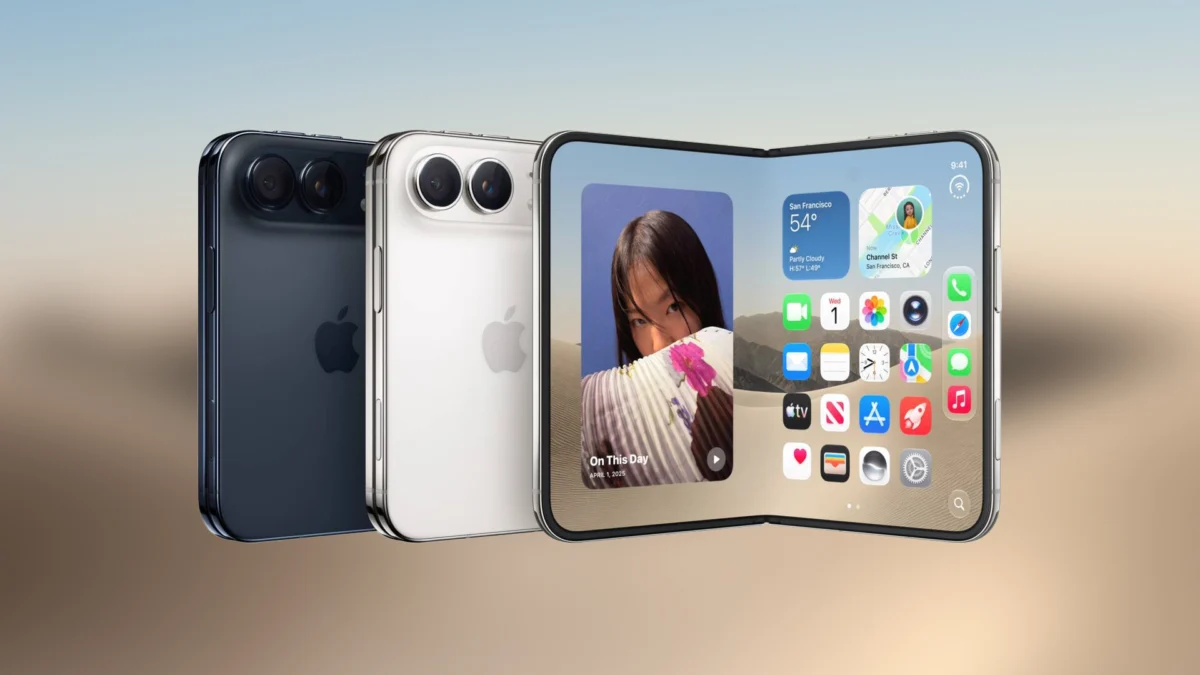
Apple’s solution involves a proprietary matte nano-texture display. This finish is designed not only to reduce glare—a common complaint with glass-covered foldables—but also to mask the refraction of light that typically highlights the crease where the two screens meet. By diffusing light at a microscopic level, Apple aims to provide a seamless visual experience that defies the traditional "foldable look."
Furthermore, the company has had to navigate significant manufacturing hurdles. The 60% yield rate reported in September suggests that the complexity of the hinge and the assembly of the two independent panels are testing the limits of Apple’s manufacturing partners. Whether these yields have improved in the final weeks leading up to the October 23 launch remains a key point of interest for market analysts.
Implications: The New Standard for Foldables
The release of the iPhone Duo represents a seismic shift in the smartphone market. For years, the foldable category has been characterized by trade-offs: either a compromise in camera quality, a reduction in battery life, or a reliance on mid-tier processors to manage heat. By embedding the A20 Pro into the Duo, Apple is signaling that it does not view the foldable as a secondary or "niche" product.
The Thermal Equation
One of the most significant implications of these benchmark results is the proof that the A20 Pro can thrive in a non-standard form factor. If the iPhone Duo can maintain peak performance without throttling, it effectively validates the "Pro" branding of the device. Users who rely on heavy-duty tasks—such as 4K video editing on the go or complex multi-app multitasking—will not be penalized for choosing the foldable form factor.
The Ecosystem Impact
The iPhone Duo is not just a phone; it is a new canvas for iOS 27.1. With the added screen real estate, the implications for productivity apps, gaming, and professional creative tools are vast. Apple’s decision to pair this with 12GB of RAM is a clear indicator that the company expects users to push the device into the realm of tablet-like performance.
Future-Proofing
By launching with the same silicon as the iPhone 18 Pro, Apple ensures that both product lines will likely follow the same software support lifecycle. Owners of the iPhone Duo won’t have to worry about being left behind on feature updates or missing out on the latest iOS optimizations.
Final Thoughts: A High-Stakes Launch
As we approach the October 23 launch, the data suggests that the iPhone Duo is a remarkably capable piece of engineering. It successfully bridges the gap between the novelty of a foldable and the reliability of a high-end flagship.
The early Geekbench scores act as a powerful statement of intent: Apple is not just participating in the foldable market; it is aiming to define it. While production challenges and the physical realities of a moving hinge will remain points of intense scrutiny in the weeks and months ahead, the core performance of the device appears to be exactly what Apple fans have come to expect: uncompromising, efficient, and exceptionally fast.
For those waiting to place their pre-orders on October 16, the message is clear. The hardware inside the iPhone Duo is ready for the future. The only question left is whether the consumer experience of the dual-screen interface will live up to the raw power of the A20 Pro chip underneath. Given Apple’s track record, the tech world will be watching every fold and every frame with bated breath.