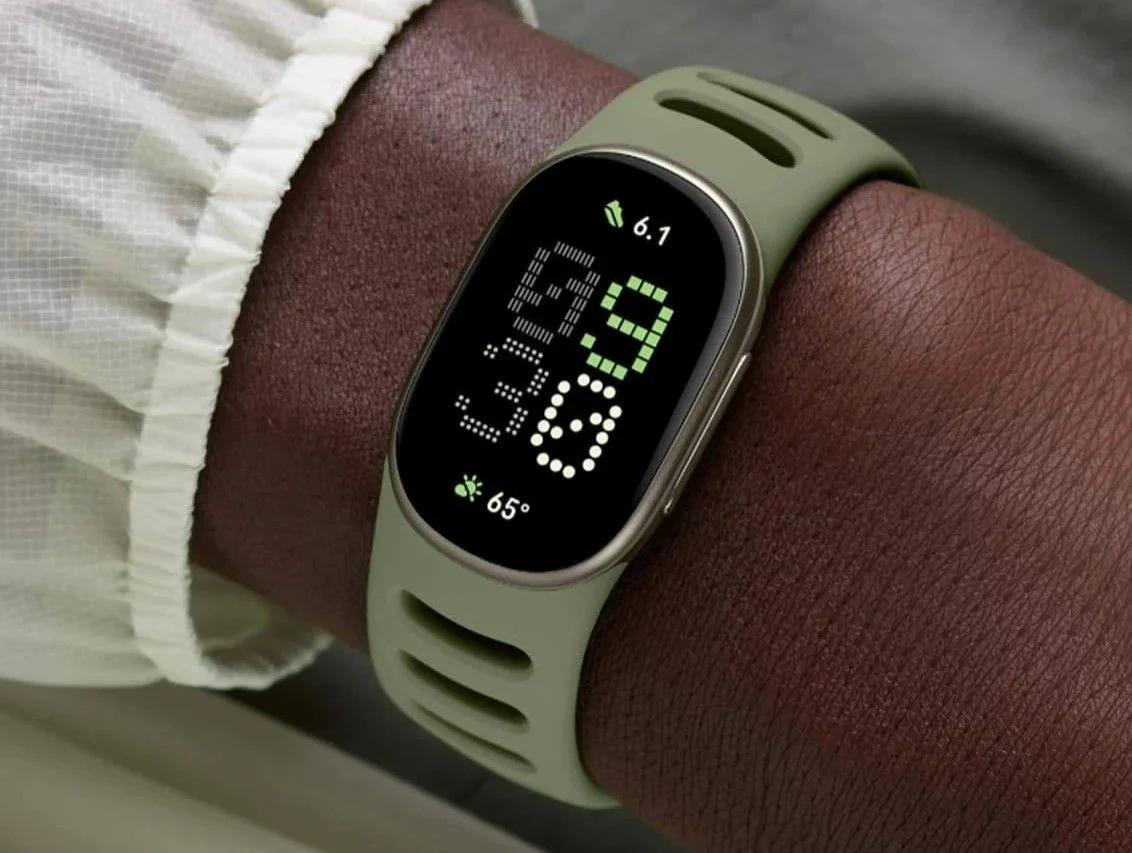
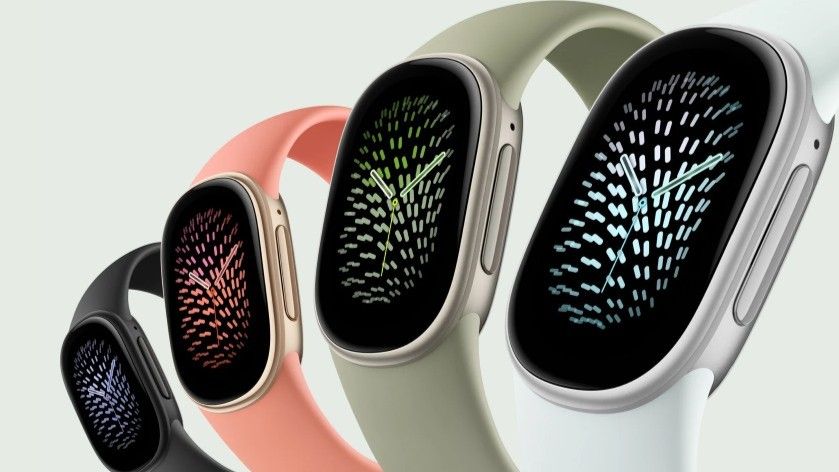
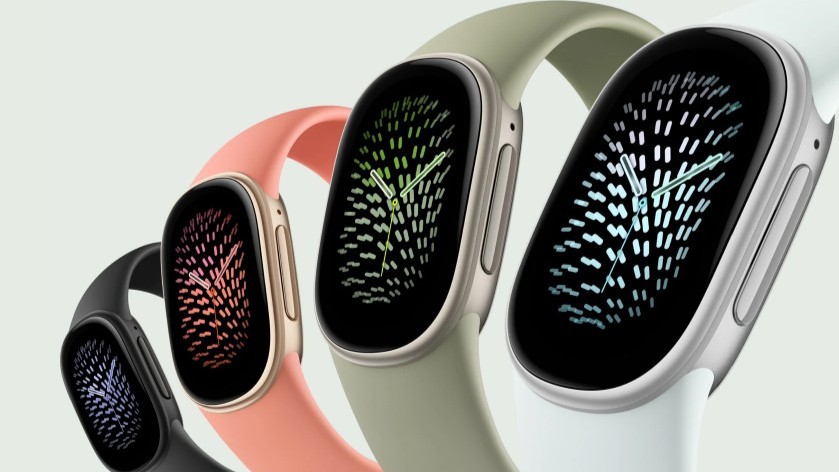
SAN FRANCISCO — In a notable shift for the consumer wearables market, Google has officially announced the Fitbit Edge, a sleek new fitness tracker that bridges the gap between basic activity bands and full-scale smartwatches. Priced at $180 and slated to hit shelves on October 27, the Fitbit Edge arrives with a headline-grabbing feature rarely seen in modern micro-electronics: a user-replaceable battery designed to combat planned obsolescence.
Available for pre-order starting October 12, the Edge aims to capture users who find screenless fitness trackers too limiting, yet feel that conventional smartwatches are overly complex, expensive, and short on battery life. By emphasizing repairability, a larger and brighter OLED display, and the integration of Google’s Gemini-powered artificial intelligence, the Fitbit Edge signals a mature, sustainability-focused evolution in Google’s wearable strategy.
Main Facts
The Fitbit Edge introduces several hardware and software upgrades that position it as a formidable contender in the mid-tier fitness tracking market:
- Pricing and Availability: The Fitbit Edge retails for $180 and is available for pre-order beginning October 12, with official retail availability starting October 27. A specialized Stephen Curry Special Edition, designed in collaboration with the four-time NBA champion, will cost $220.
- Sustainability & Repairability: In an industry first for Google’s wearable division, the Edge features a repairable build architecture highlighted by a replaceable battery. This design choice aims to extend the device’s operational lifespan, allowing users to swap out a degraded power cell rather than discarding the entire gadget.
- Display Improvements: The device boasts an upgraded OLED touchscreen that is 45% larger and over 40% brighter than the screen found on its predecessor, the Fitbit Charge 6.
- Comprehensive Health & Fitness Suite: Built-in GPS, continuous heart rate monitoring, blood-oxygen ($textSpO_2$) tracking, an electrocardiogram (ECG) sensor, skin temperature sensing, and an altimeter for elevation tracking come standard. It also features automatic activity detection and menstrual cycle tracking.
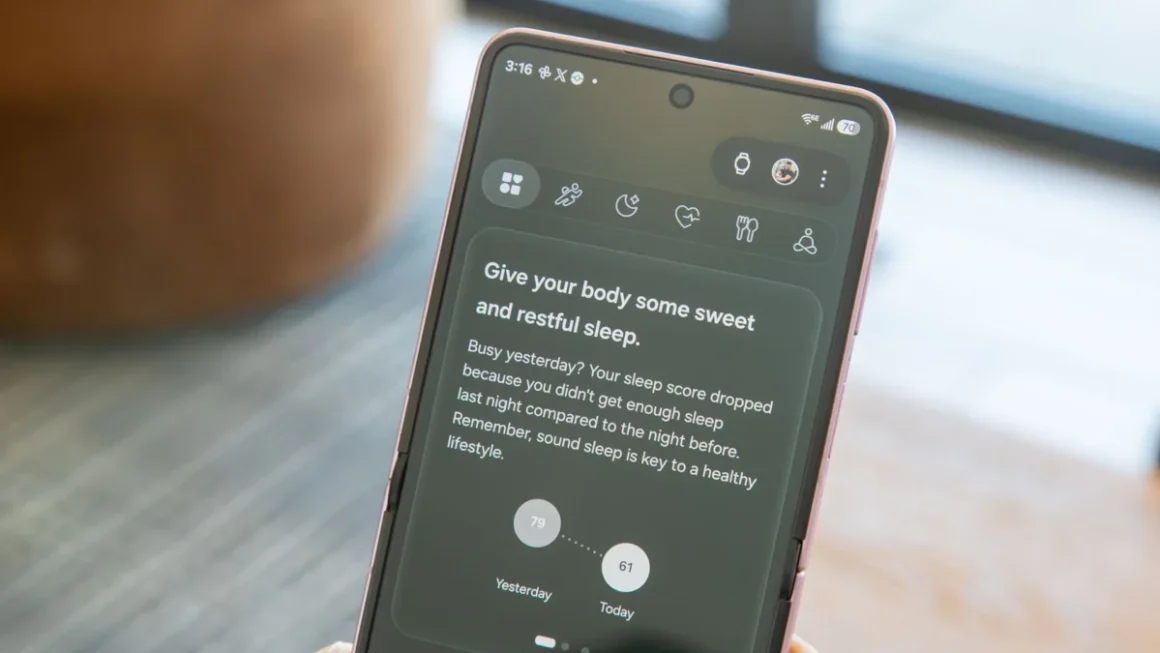
- AI Integration: Through a Google Health Premium subscription—included free for the first three months—users gain access to a Gemini-powered Health Coach. This AI assistant delivers tailored workout recommendations and adapts training plans based on individual routines and goals.
- Battery Performance & Ecosystem Compatibility: The Edge delivers up to seven days of battery life on a single charge, supported by a rapid-charging capability that yields a full day of use from a mere five-minute charge. It features 50-meter water resistance and syncs with both Android devices and iPhones running iOS 16.4 or later via the Google Health app.
- Colorways and Limitations: The standard model is available in Obsidian, Fog, Olive, and Canyon finishes with interchangeable bands. However, the device makes certain hardware trade-offs: it lacks NFC for contactless payments, and it omits both a microphone and a speaker.
Chronology of the Release and Product Evolution
The path to the Fitbit Edge reflects Google’s ongoing refinement of its hardware portfolio following its acquisition of Fitbit.
Pre-Acquisition Foundations and the "Air" Era
For years, the fitness tracker market was sharply divided. On one end sat ultra-minimalist, screenless wristbands favored by casual users prioritizing long battery life. On the other were power-hungry smartwatches loaded with applications, cellular connectivity, and charging requirements that rarely exceeded two days. When Google integrated Fitbit, the company initially focused on streamlining software ecosystems and releasing baseline trackers, such as the screenless Fitbit Air, which targeted users who desired pure, unobtrusive data collection.
The Shift Toward Mid-Tier Hybrid Devices
Consumer feedback consistently highlighted a gap in the market: users wanted the visual feedback and advanced biometric sensors of a smartwatch, but preferred the lightweight profile, extended battery life, and lower price tag of a dedicated fitness band. Devices like the Fitbit Charge series made strides in this direction, but their displays remained constrained in size and brightness, and their sealed units meant that once the lithium-ion battery degraded—typically after two to three years—the device became electronic waste.
The Announcement and Upcoming Launch
Recognizing both consumer frustration over device longevity and tightening global regulations regarding electronic repairability, Google developed the Fitbit Edge. Formally announced in October, the product represents a milestone for Google’s hardware division by introducing modular repair concepts to wrist-worn tech. Following its mid-October pre-order phase, the device is scheduled to arrive in consumer hands on October 27.
Supporting Data and Technical Specifications
To fully understand where the Fitbit Edge sits in the current wearable ecosystem, a review of its technical specifications and comparative metrics is essential.
Hardware and Display Metrics
- Screen Tech: OLED Touchscreen
- Display Enhancements: 45% larger viewing area and >40% higher peak brightness compared to the Fitbit Charge 6.
- Water Resistance: Up to 50 meters (5 ATM), suitable for swimming and shallow water activities.
- Power and Charging:
- Battery longevity: Up to 7 days under normal usage conditions.
- Fast charging: 5 minutes of charge yields 24 hours of operational use.
- Maintenance: User-replaceable battery mechanism.
Sensor and Tracking Capabilities
| Feature | Supported on Fitbit Edge |
|---|---|
| Built-in GPS | Yes |
| Heart Rate Monitoring | Yes (Continuous) |
| Blood-Oxygen ($textSpO_2$) | Yes |
| ECG Readings | Yes |
| Skin Temperature Sensor | Yes |
| Altimeter (Elevation) | Yes |
| Auto-Activity Detection | Yes |
| Menstrual Health Tracking | Yes |
| NFC (Contactless Pay) | No |
| Mic / Speaker | No |
Software and Pricing Summary
- Operating System Compatibility: Android and iOS (iOS 16.4 or later) via the Google Health app.
- AI Integration: Gemini-powered Health Coach (requires Google Health Premium; 3-month trial included).
- Base Retail Price: $180 USD.
- Special Edition Price: $220 USD (Stephen Curry Special Edition).
- Finishes: Obsidian, Fog, Olive, Canyon.
Official Responses and Industry Perspectives
Google’s positioning of the Fitbit Edge emphasizes two primary pillars: advanced health intelligence via artificial intelligence and a commitment to sustainable hardware design.
Google’s Vision for AI and Health
During the product unveiling, Google executives highlighted the integration of the Gemini model into personal wellness. By leveraging machine learning through the Google Health Premium platform, the company aims to move past static data logs—such as step counts and resting heart rates—and deliver dynamic, conversational coaching.
"Consumers no longer just want raw metrics; they want actionable, individualized insights that adapt to their changing lives," noted a company spokesperson familiar with the Google Health ecosystem. "By bringing Gemini-powered coaching to a more accessible form factor like the Edge, we are democratizing personalized wellness guidance."
Addressing the Right to Repair
Perhaps the most heavily discussed aspect of the Fitbit Edge is its repairable nature. Consumer advocacy groups and environmental watchdogs have long criticized the tech industry for producing sealed wearables that cannot be serviced when components fail.
By engineering a replaceable battery system into the Edge, Google is stepping ahead of regulatory pressures—particularly within the European Union, which has pushed aggressively for universal repairability standards. Industry analysts view this move as a potential turning point for wearable technology. If consumers embrace the ability to swap batteries rather than buy entirely new devices, competitor brands may be forced to abandon traditional, glued-shut assembly methods.
Implications for the Wearable Market
The launch of the Fitbit Edge carries significant implications for consumers, competitors, and the broader consumer electronics industry.
1. Setting a New Precedent for Repairability
For years, smartwatches and fitness trackers have been treated as disposable tech. When a lithium-ion battery loses its charge retention after a couple of years, owners are typically forced into an upgrade cycle. The Fitbit Edge disrupts this cycle. If Google successfully normalizes replaceable batteries in fitness bands, it could dramatically reduce electronic waste and alter consumer purchasing habits, fostering brand loyalty among eco-conscious buyers.
2. Redefining the Mid-Tier Price Bracket
At $180, the Edge occupies a strategic sweet spot. It undercuts premium smartwatches—which often retail well north of $300—while offering advanced medical-grade sensors like ECG and blood-oxygen monitoring that are frequently omitted from cheaper trackers. This aggressive pricing could squeeze competitors in the mid-tier segment, forcing them to either upgrade their sensor suites or lower their price points.
3. Strategic Omissions and Market Segmentation
Despite its strengths, Google was careful not to cannibalize its own high-end smartwatch sales (such as the Google Pixel Watch line). The omission of NFC contactless payments, a microphone, and a speaker ensures that the Fitbit Edge remains a dedicated health and fitness tool rather than a wrist-bound extension of a smartphone. Users who rely on on-wrist voice assistants or tap-to-pay functionality will still need to look toward full smartwatches. However, for fitness purists who view smartwatches as distracting or overly bulky, the Edge’s focused feature set may be precisely what they have been waiting for.
As pre-orders open on October 12 ahead of the October 27 launch date, the Fitbit Edge will serve as an important testing ground for whether consumers truly value sustainability and repairability in small form-factor electronics just as much as they value the latest high-tech features.