










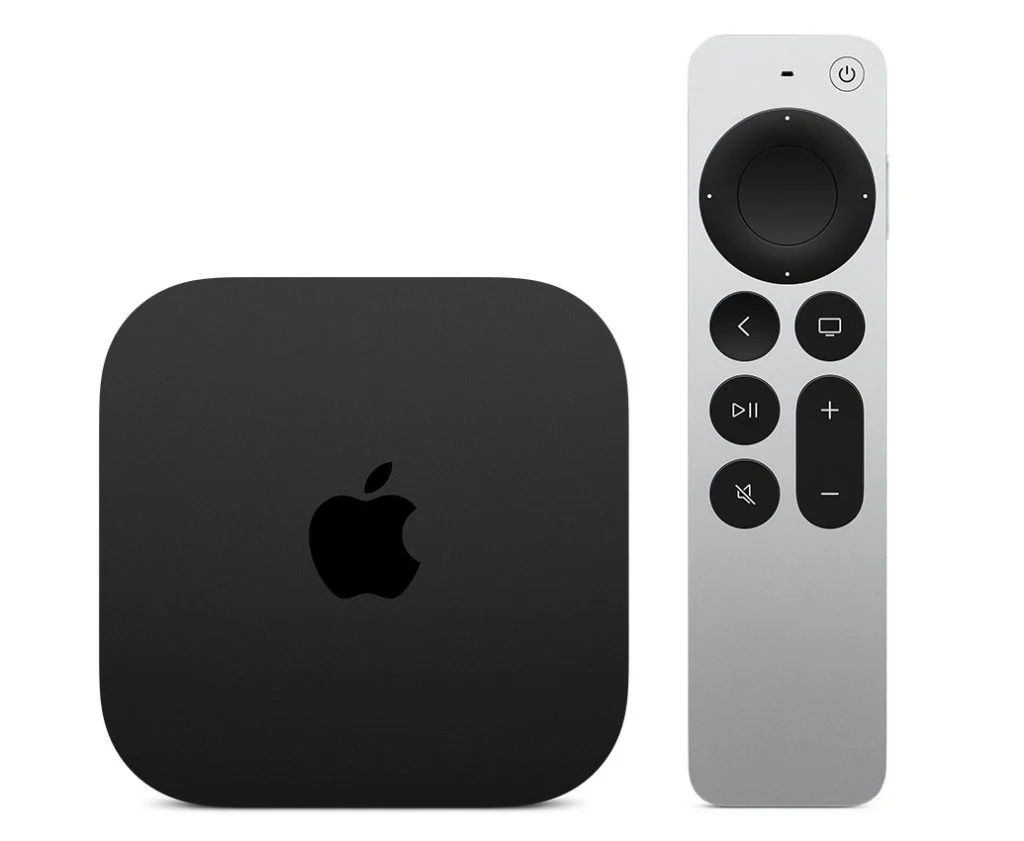
Apple has officially pulled the curtain back on the latest iteration of its flagship streaming device, the Apple TV 4K. With a focus on artificial intelligence, hyper-connectivity, and professional-grade home theater audio, this refresh represents the most significant leap in the device’s evolution in years. Powered by the formidable A19 chip and deeply integrated with the Apple Intelligence ecosystem, the new hardware aims to transition the Apple TV from a simple content streamer to the central nervous system of the modern smart home.
The Core Innovations: A New Era of Hardware
At the heart of the new Apple TV 4K lies the A19 processor—a significant jump in power that underscores Apple’s commitment to high-performance living room computing. Compared to its predecessor, the device boasts a 50 percent increase in CPU performance and a massive 100 percent gain in GPU capabilities.
For the average consumer, this translates to snappier navigation, instant app loading, and the ability to handle high-fidelity gaming and complex background processes without a stutter. Furthermore, the inclusion of a dedicated hardware decoder for the AV1 video codec ensures that users can stream high-resolution content with superior efficiency, even on bandwidth-constrained networks. This is a critical addition as more streaming platforms move toward AV1 to reduce data usage while maintaining visual integrity.
The Siri AI Revolution
The most transformative feature of the 2026 model is the introduction of "Siri AI." Built upon the Apple Intelligence architecture, the voice assistant is no longer just a command-following tool; it is a contextual companion.
The user interface has been overhauled to include a dual-mode interaction system: a full-screen discovery mode for deep exploration and a sleek, low-profile overlay that permits users to ask questions—such as cast details, trivia, or age-appropriateness ratings—without interrupting their viewing experience. By leveraging the user’s personal context from an Apple Intelligence-compatible iPhone, the Apple TV 4K can now offer content recommendations based on threads found in personal communications, effectively bridging the gap between one’s social life and their entertainment queue.
Chronology and Development
The trajectory of the Apple TV has always been one of steady, iterative improvement, but the 2026 update marks a departure from that trend toward a more radical overhaul.
- Early 2025: Rumors began circulating regarding a device that would merge "Home Hub" capabilities with advanced machine learning chips.
- Summer 2026: Apple finalized the integration of the A19 silicon, testing the new far-field microphone array to ensure voice clarity against the noise of a surround-sound system.
- October 2026: Official unveiling, showcasing the new design and the "Siri AI" interface.
- November 13, 2026: The global rollout date, coinciding with the opening of pre-orders in over 30 countries.
Supporting Data and Technical Specifications
The technical prowess of the new Apple TV 4K is best evidenced by its peripheral and audio capabilities.
Advanced Audio Configuration
Apple is aggressively targeting the home theater market by introducing support for a four-speaker surround sound setup. Users can now pair up to four HomePod mini 2 units or four full-sized second-generation HomePods. The device uses sophisticated software to calibrate audio levels and delays, accounting for the specific room acoustics and the physical placement of each speaker. This creates a spatial audio environment that rivals dedicated multi-thousand-dollar home theater receivers.
Precision Finding and the Siri Remote
The bundled Siri Remote has been upgraded with "Find My" support, including Precision Finding. Using Ultra Wideband technology, users can track down a lost remote with visual, haptic, and audio guidance, effectively solving one of the most common consumer pain points in the modern living room.
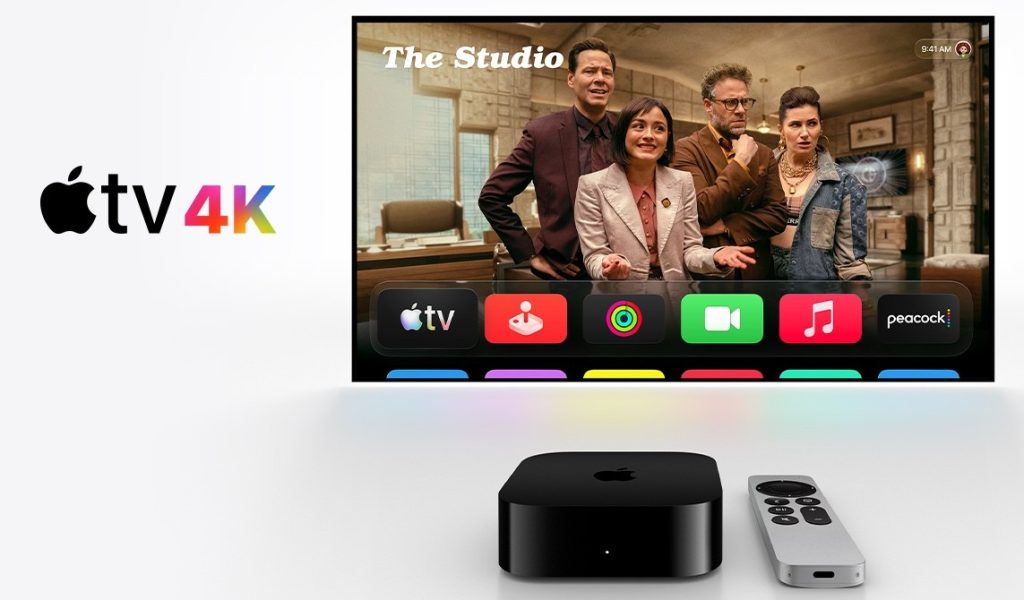
Smart Home Hub Integration
As a Thread and Matter-compatible hub, the new Apple TV 4K serves as a universal controller for the connected home. Through the integration of Apple Intelligence, the device can generate real-time summaries of notifications from HomeKit Secure Video feeds. For example, a user watching a movie can receive an unobtrusive alert describing who is at the door, view a picture-in-picture video feed, and even unlock the door via the remote—all without ever leaving their couch.
Privacy: The Foundation of Apple’s Strategy
In an era where "smart" devices are often viewed with skepticism due to privacy concerns, Apple has doubled down on hardware-level security. The device’s microphone data is processed via a Secure Exclave within the A19 chip, ensuring that audio input is isolated from tvOS and any third-party applications.
For voice requests that require external processing, Apple utilizes its "Private Cloud Compute" infrastructure, ensuring that data is never stored or used to train third-party models. Similarly, all HomeKit video feeds remain end-to-end encrypted, providing users with the peace of mind that their home security remains private.
Implications for the Streaming Market
The release of the 2026 Apple TV 4K sends a clear message to competitors: the future of streaming is not just about video—it is about the "ambient" smart home.
Competition and Market Positioning
By integrating Siri AI and providing robust smart home management, Apple is positioning its TV device against not only traditional streaming sticks from Roku or Amazon but also against dedicated home automation controllers. The ability to pull in personal context from an iPhone creates a "walled garden" effect that is incredibly difficult for competitors to replicate. If a user already lives in the Apple ecosystem, the Apple TV 4K becomes an essential node in their home network.
The Evolution of User Behavior
We are witnessing a shift where the television is no longer a passive output device but an interactive hub. With FaceTime via Continuity Camera, users are now using their TVs for video conferencing, while Fitness+ and Apple Arcade turn the living room into a gym and a gaming console. The 2026 model accelerates this shift, suggesting that in the near future, the TV will be the primary interface for managing one’s digital and physical environment.
Conclusion
The 2026 Apple TV 4K is more than a minor upgrade; it is a comprehensive reimagining of what a home entertainment device can be. By marrying the raw power of the A19 chip with the sophisticated intelligence of a modernized Siri and a robust smart home framework, Apple has created a device that feels both necessary and futuristic.
Whether you are a casual viewer looking for easier content discovery, a home theater enthusiast seeking high-end spatial audio, or a smart home power user, the latest Apple TV 4K offers something compelling. With global availability commencing on November 13 and a competitive entry price point of ₹39,900 in India, the device is poised to set a new standard for the industry. As we move forward, the success of this device will likely hinge on how well developers adopt these new AI and home-hub APIs, but for now, Apple has clearly established the next benchmark for the living room.



