Main Facts: The Next Era of Samsung Software Begins
Samsung Electronics has officially initiated the rollout of its highly anticipated, stable Android 17-based One UI 9 update. The initial wave of deployment focuses on some of the company’s most popular and capable flagship devices from recent generations: the Galaxy S23, Galaxy S23+, and Galaxy S23 Ultra, alongside the foldable generation comprised of the Galaxy Z Fold5 and Galaxy Z Flip5.
The rollout is currently underway in Samsung’s domestic market of South Korea, serving as the proving ground before a broader, international expansion reaches users across North America, Europe, and other key global territories. For users participating in the One UI beta testing program, the transition to the stable version arrives with the build designation GZIF and requires a remarkably light download—typically under 500MB. Conversely, general users upgrading directly from older software versions will need to prepare for a significantly more substantial file size, hovering around 3GB.
As Samsung continues to refine its software ecosystem, One UI 9 promises a refined user interface, deeper optimization, and enhanced security features built natively on top of Google’s latest Android 17 framework.
Chronology of the Update: From Beta to Stable Release
The journey toward the stable release of One UI 9 for the Galaxy S23 series and 2023 foldables follows Samsung’s established, rigorous software deployment pipeline.
The Development and Testing Phase
Months prior to this stable release, Samsung rolled out developer previews and public beta programs. These programs allowed enthusiastic owners of the Galaxy S23 trio, Z Fold5, and Z Flip5 to stress-test early builds of Android 17 and One UI 9. Beta testers played a critical role by reporting bugs, evaluating UI fluidity, and testing application compatibility.
The Breakthrough in South Korea
In late October, reports surfaced from domestic channels indicating that Samsung had signed off on the final release candidate for the beta participants. Shortly after, the company greenlit the official stable rollout, starting in South Korea. Beta testers were the absolute first to receive the finalized GZIF build, allowing them to seamlessly graduate from the experimental software to the official, daily-driver-ready release.
Expected Global Expansion
Following the initial South Korean deployment, Samsung is expected to follow its traditional phased rollout schedule. Neighboring Asian markets and European regions generally see the update within days of the initial release, followed closely by North American carrier-locked and unlocked variants. Users outside of South Korea who are eager to check for the update can do so by navigating to Settings > Software update on their respective devices.
Supporting Data: Specifications, Build Info, and Hardware Ecosystem
The devices receiving this major generational update represent some of the pinnacle achievements in mobile engineering from Samsung’s recent portfolio. Below is a breakdown of the hardware receiving the Android 17 treatment and what users need to know about the deployment metrics.

Targeted Devices and Update Metrics
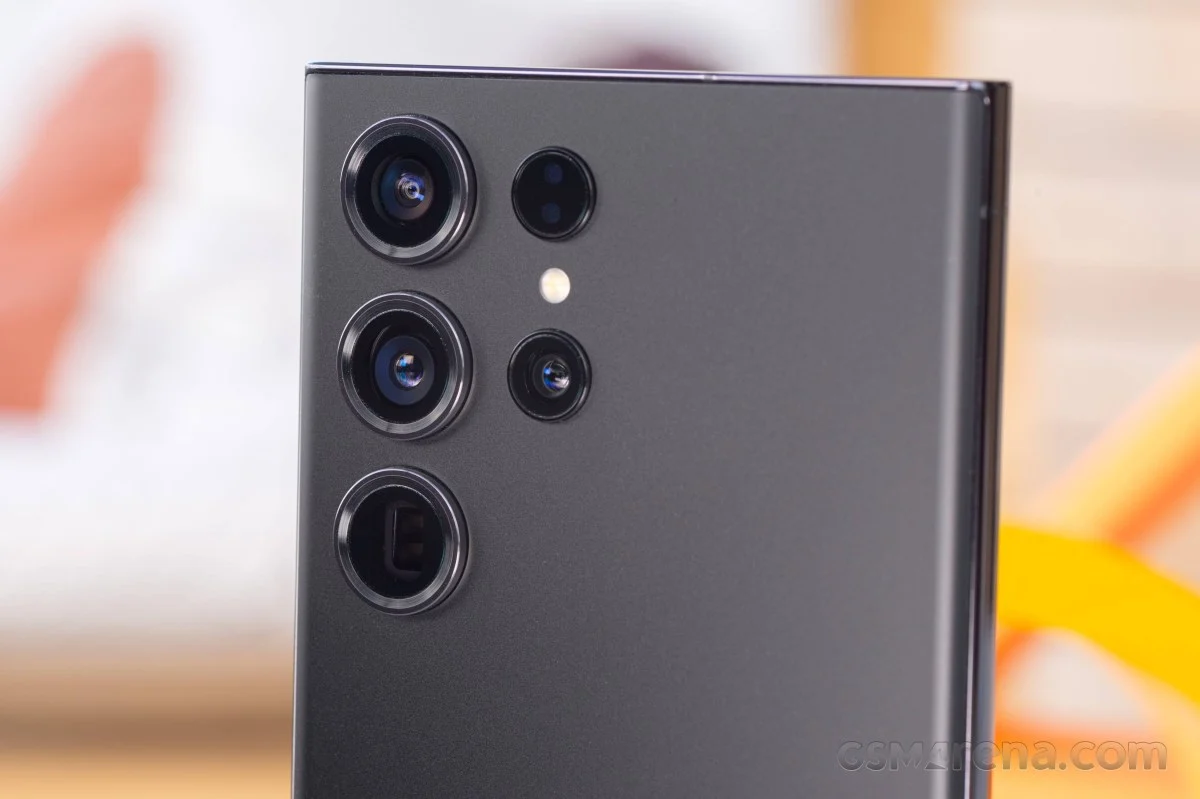
- Samsung Galaxy S23 Series: Includes the base Galaxy S23, the larger-screened Galaxy S23+, and the ultra-premium S-Pen-toting Galaxy S23 Ultra.
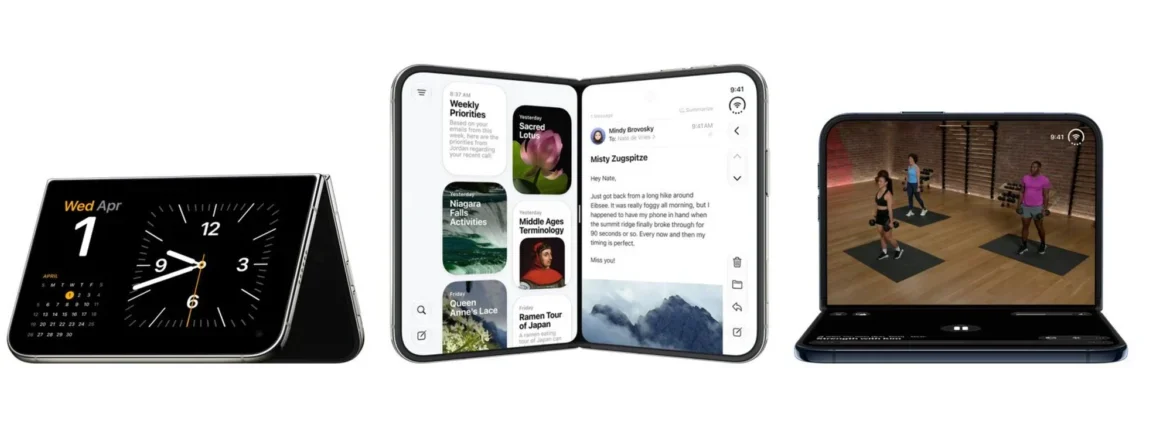
- Samsung Galaxy Foldables (2023): Includes the horizontal book-style foldable Galaxy Z Fold5 and the vertical clamshell Galaxy Z Flip5.
- Build Version: GZIF (specifically targeted at existing beta program participants).
- Download Size:
- Under 500MB for users transitioning directly from the final One UI 9 Beta build.
- Approximately 3GB for standard users upgrading from previous stable firmware versions (such as One UI 8.x).
Hardware Overview and Market Positioning
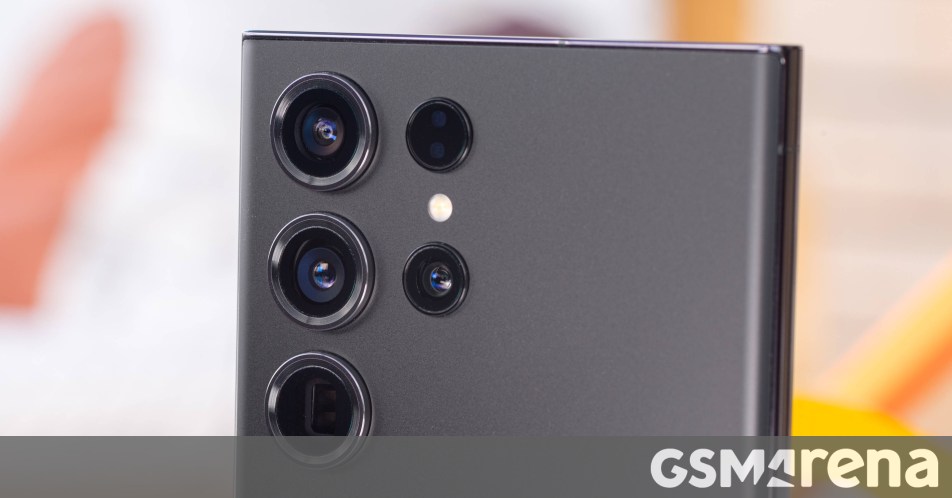
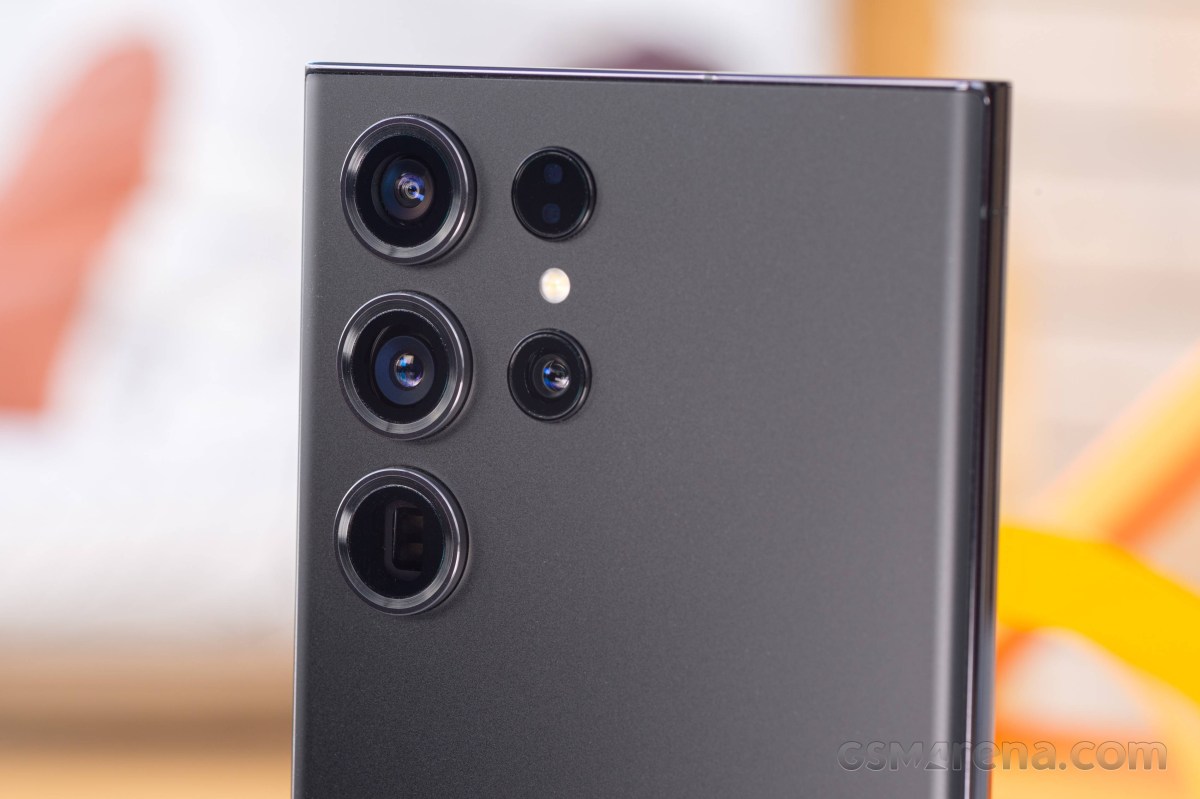
While these devices are a couple of generations old relative to Samsung’s newest releases, they remain exceptionally powerful powerhouses. Driven by custom Snapdragon processors and outfitted with high-refresh-rate AMOLED displays and advanced multi-lens camera systems, the Galaxy S23 and Z series hardware is more than capable of handling the advanced resource demands of Android 17 and One UI 9.
Official Responses and Industry Context
Samsung has maintained a strong commitment to long-term software support, promising multiple years of major Android upgrades for its flagship tiers. The arrival of Android 17-based One UI 9 underscores the tech giant’s dedication to keeping older flagships competitive with the newest hardware on the market.
Samsung’s Software Philosophy
In recent years, Samsung has completely shifted its software narrative. Once criticized for slow, inconsistent updates, the South Korean manufacturer now stands among the industry leaders in fast OS deployment and extended support lifecycles. By delivering major updates to devices like the Galaxy S23 and Z Fold5 ahead of many competitors, Samsung reassures consumers that investing in a premium Galaxy flagship is a secure, long-term commitment.
Industry Comparisons
The rollout of Android 17 positions Samsung shoulder-to-shoulder with Google’s Pixel ecosystem regarding timely OS updates. While custom manufacturer skins historically delayed Android updates by several months, Samsung’s streamlined One UI development pipeline has drastically compressed this timeline, ensuring that users get access to the latest security patches, privacy controls, and developer APIs shortly after Google drops the source code.

Implications: What One UI 9 Means for Users
The transition to Android 17 via One UI 9 brings a wealth of improvements that impact day-to-day usability, privacy, and device longevity.
1. Refined User Experience and Visuals
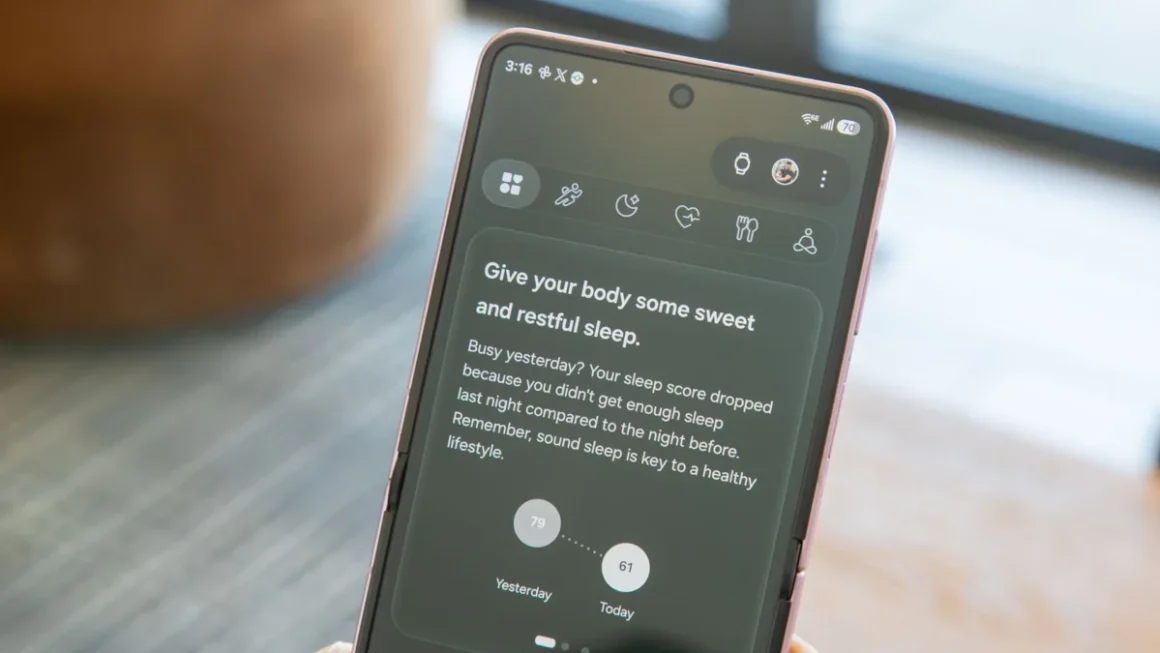
One UI 9 continues Samsung’s philosophy of balancing customization with clean, accessible design. Users can expect further refinements to animations, lock screen customization options, and notification management. The interface is optimized to feel faster, smoother, and more responsive across both traditional slab smartphones and complex dual-screen foldables like the Z Fold5.
2. Enhanced Privacy and Security Controls
Because One UI 9 is built on Android 17, it inherits Google’s latest security frameworks. This includes advanced permissions management, stronger data isolation for sensitive applications, and updated background process limits that protect user privacy while simultaneously reducing unnecessary battery drain.
3. Extended Device Lifespan
For owners of the Galaxy S23 series, Z Fold5, and Z Flip5, receiving Android 17 is a testament to the value of buying flagship hardware. Instead of feeling pressured to upgrade to a newer model to experience the latest software trends, users can enjoy cutting-edge features on hardware they already own. This not only saves consumers money but also aligns with broader electronic waste reduction goals by extending the active lifecycle of high-end smartphones.
Looking Ahead
As the rollout broadens from South Korea to the rest of the world over the coming weeks, millions of Galaxy users will soon experience the fruits of Samsung’s latest software engineering efforts. Whether you are capturing photos on an S23 Ultra, multitasking on a Z Fold5, or snapping quick selfies on a Z Flip5, One UI 9 ensures your device remains modern, secure, and delightful to use.