By Editorial Staff
October 14, 2026
As the calendar turns toward November, the technology industry finds itself fixated on a singular, looming date: November 13, 2026. This is the day Apple officially enters the smart home hub market with the "HomeView," a device that represents not merely a new product category for the Cupertino giant, but a fundamental shift in how the company envisions the intersection of artificial intelligence, home automation, and personal computing.
Following the initial announcement on October 13, anticipation has reached a fever pitch. With pre-orders now live and only a month remaining until the devices reach consumers’ doorsteps, the tech community is parsing every shred of information provided by Apple and the select media outlets that received early hands-on access.
The Core Offering: What is Apple HomeView?
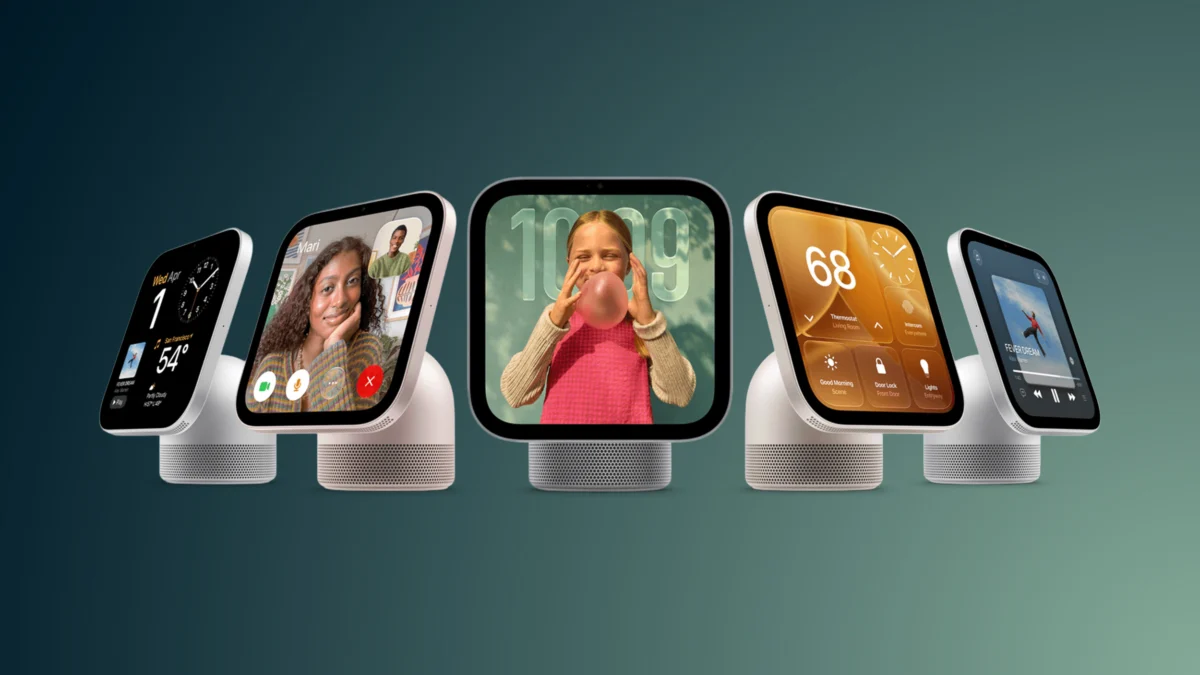
At its heart, the HomeView is designed to be the central nervous system of the modern, connected household. Priced at $299, the device is built around a vibrant 7-inch Liquid Retina display, powered by an advanced iteration of Apple’s AI-driven Siri. Unlike previous smart displays that served primarily as glorified digital photo frames or voice-command conduits, the HomeView is engineered to act as a deeply personal, context-aware interface.
The device is launching in two distinct form factors to accommodate different domestic environments:
- The Tabletop Model: Featuring a robust speaker base, this version is designed for kitchens, bedside tables, or home offices, prioritizing audio fidelity and ease of placement.
- The Wall-Mounted Version: Engineered for seamless integration into home decor, this version offers a sleek profile, perfect for hallways or central living areas where wall-mounting minimizes clutter.
The aesthetic philosophy behind the HomeView is a nostalgic nod to Apple’s storied design history. As reports from Bloomberg’s Mark Gurman indicated, the device draws significant inspiration from the iconic "iMac G4" design language—a floating, adaptable display that allows users to adjust viewing angles with ease.
Chronology: The Path to the HomeView Launch
The journey to the HomeView did not happen overnight. It was the result of years of research, development, and strategic leaks that kept the industry guessing.
- September 30, 2026: Leaks surface regarding the "iMac G4-style design." Reports begin to circulate about a smart hub featuring a 6-inch square display (later updated to a 7-inch Liquid Retina display), highlighting its dual-placement capabilities.
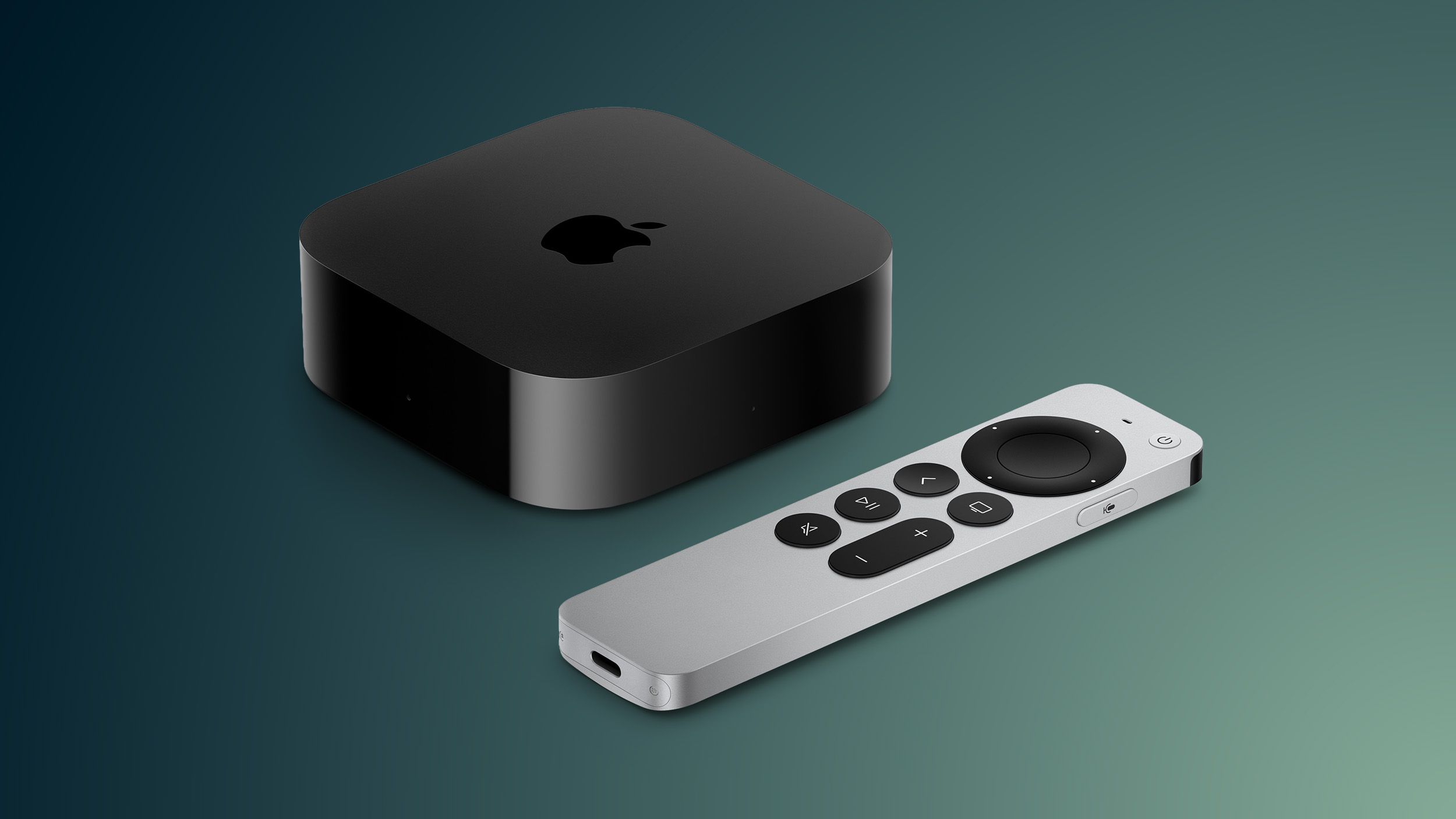
- October 11, 2026: Just two days before the official unveiling, a massive leak via Mark Gurman provides the first comprehensive look at the ecosystem. The leak confirms not only the HomeView but also suggests a concurrent refresh of the Apple TV 4K and the HomePod mini 2, positioning the HomeView as the centerpiece of a wider "Home Experience" overhaul.
- October 13, 2026: Apple officially announces the HomeView during the "Welcome Home" experience in New York City. The announcement confirms the name, the pricing structure, and the integration of advanced face-recognition technology.
- October 14, 2026: Pre-orders open to the public. As of today, the company is preparing for a high-volume launch on November 13.
Technical Specifications and AI Integration
The differentiator for the HomeView is its "Siri AI" engine. According to Apple’s Senior Vice President of Worldwide Marketing, Greg Joswiak, the HomeView is designed to be "shared by everyone in the home yet feel completely personal to each user."
The Power of Recognition
The HomeView utilizes advanced biometric facial recognition. When a user approaches the device, it dynamically shifts its interface to reflect their individual calendars, communication threads, and smart home preferences. This represents a significant leap forward from the "one-size-fits-all" approach adopted by competitors like Amazon’s Echo Show or Google’s Nest Hub.
Hardware Infrastructure
While Apple has kept some specifications under wraps, the hardware configuration is clearly optimized for both communication and home control:
- Front-Facing FaceTime Camera: Integrated for high-definition video conferencing and the aforementioned facial recognition.
- Microphone Array: Positioned within the base to ensure that voice commands are captured accurately even in high-noise environments like kitchens.
- Liquid Retina Display: Known for high color accuracy and brightness, ensuring the device remains legible even in varying indoor lighting conditions.
Official Responses and Strategic Positioning
Apple’s messaging surrounding the HomeView is clear: they are not just selling a screen; they are selling a frictionless home experience. By leveraging the existing Apple ecosystem—iCloud, HomeKit, and the broader Siri infrastructure—the HomeView is intended to be an extension of the iPhone and Mac experience.
"We wanted to create a device that disappears into your home when you aren’t using it, but becomes an indispensable tool the moment you approach it," stated Greg Joswiak during the New York launch event.
This sentiment addresses a primary pain point in the smart home market: "device fatigue." Many consumers have found previous smart hubs intrusive or difficult to manage. Apple’s focus on privacy-first facial recognition and a clean, minimalist UI is their attempt to bridge the gap between "smart technology" and "invisible, helpful infrastructure."
Implications for the Smart Home Ecosystem
The launch of the HomeView carries significant weight for the broader consumer electronics market.
1. Competitive Pressure on incumbents
Companies like Amazon and Google have dominated the smart display category for years. Apple’s entry, with a premium price point of $299, forces these competitors to justify their own hardware value. While $299 is higher than most entry-level smart displays, Apple is banking on the "Apple Tax" being justified by the seamless integration with other Apple devices and the superior privacy protections they are known for.
2. The Standardization of "Personalized AI"
The HomeView sets a new standard for personalization. If Apple succeeds in making the device shift seamlessly between users, it will likely trigger an industry-wide scramble to implement similar localized AI recognition, as users will quickly grow accustomed to devices that "know" who is standing in front of them.
3. The Future of HomeKit
The HomeView will act as the ultimate physical anchor for HomeKit. For developers, this creates a new design canvas. We expect to see a surge in "HomeView-optimized" apps over the next six months, as third-party developers look to utilize the 7-inch display for specialized home automation dashboards, energy monitoring, and security camera integration.
Looking Ahead: The October 13 "Welcome Home" Legacy
The event in New York was more than a product launch; it was a mission statement. By bundling the HomeView announcement with leaks regarding the HomePod mini 2 and a new Apple TV 4K, Apple signaled that the smart home is the next major frontier in their "walled garden" ecosystem.
As we look toward November 13, the questions remaining are largely functional: How well does the device handle multiple users in a busy household? Does the face recognition struggle in low-light, late-night conditions? Will the speaker base provide enough audio depth to replace a standalone speaker in a medium-sized room?
For now, the industry waits. The HomeView is poised to become a staple of the modern home, but whether it truly revolutionizes our daily interactions with our living spaces remains to be seen. If Apple’s track record is any indication, however, the HomeView is unlikely to be a one-off product. It is the first step toward an automated future where the home is not just a place we live, but a responsive, intelligent participant in our daily lives.
Stay tuned to our coverage as we approach the November launch date, where we will provide an in-depth review and a comprehensive look at how the HomeView performs in a real-world, multi-user environment.