



By Tech & Mobile Desk
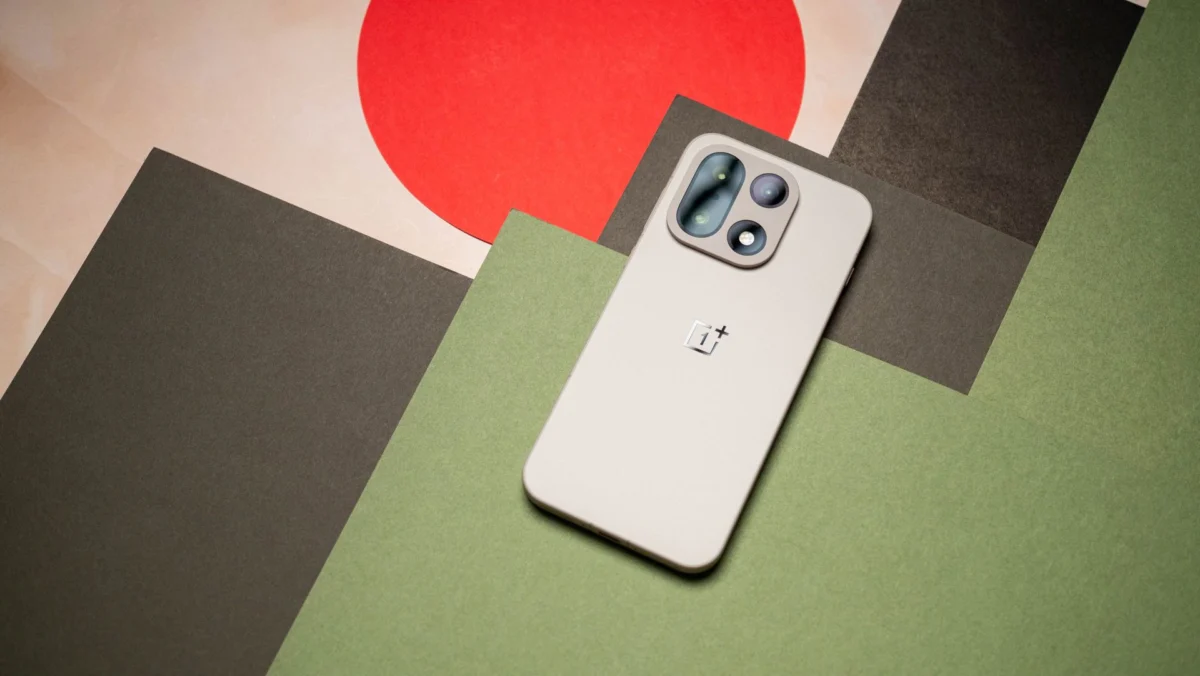
In a surprise move that has sent ripples through the Android enthusiast community, OnePlus has officially commenced the rollout of its stable ColorOS 17 update—powered by Android 17—ahead of its initially scheduled October 29 release date. The early deployment targets the newly launched OnePlus 15 (model number CPH2745) and the OnePlus Pad 4, signaling a pivotal evolution in the company’s software strategy.
While early software updates are usually met with universal celebration among power users, this particular rollout carries profound industry implications. It represents another definitive stride away from the iconic OxygenOS software identity that initially captured the hearts of early Android adopters, further solidifying OnePlus’s deeper integration with its parent company, Oppo.
As beta testers and early adopters begin downloading the new packages, the tech landscape is closely watching how these changes will impact user experience, regional availability, and the future lineage of OnePlus devices.
1. Main Facts: What You Need to Know
The transition to ColorOS 17 brings a wave of modernization, UI redesigns, and under-the-hood performance optimizations to OnePlus’s flagship hardware ecosystem.
- Early Deployment: The stable build is currently rolling out ahead of the projected October 29 window, initially favoring users who participated in the open beta testing phases.
- Target Devices: The OnePlus 15 and the OnePlus Pad 4 are at the vanguard of this deployment, with upcoming rollouts planned for the OnePlus 15R, OnePlus 13, and OnePlus 13s.
- Core Enhancements: ColorOS 17 introduces overhauled fluid animations, a completely redesigned Quick Settings panel, expanded customization tools, and enhanced privacy frameworks.
- Battery & Performance: OnePlus has integrated advanced background process management algorithms explicitly designed to boost power efficiency, promising longer endurance under heavy daily workflows.
- The Software Identity Shift: This release accelerates the phasing out of traditional OxygenOS branding, cementing a unified codebase shared with Oppo.
- Rollback Options: Recognizing potential resistance from loyalists, OnePlus has confirmed that eligible regional users can choose whether to make the jump to ColorOS 17, with an option to roll back to OxygenOS for those who prefer the legacy experience.
2. Chronology: The Timeline Leading to ColorOS 17
To fully understand the gravity of the ColorOS 17 rollout, it is essential to trace the historical convergence of OnePlus and Oppo software architectures and the timeline leading up to this unexpected release.
[Years Prior] ──> [Early 2021] ─────────────> [Late 2021 - 2023] ──> [Current Day]
Unified Codebase OnePlus/Oppo Merger Announced OxygenOS & ColorOS Merge ColorOS 17 Early Rollout- The Foundation Years: Following OnePlus’s inception in 2013 as an independent subsidiary under BBK Electronics, its custom skin, OxygenOS, gained legendary status for offering a near-stock Android experience coupled with deep customization options. Meanwhile, Oppo utilized its own proprietary interface, ColorOS.
- The Structural Merger (2021): In early 2021, OnePlus officially integrated deeper with Oppo. Pete Lau, OnePlus CEO, announced that the two companies were combining hardware and software research and development resources to maximize operational efficiency.
- The Unified Codebase Era (2021–2023): Behind the scenes, OxygenOS and ColorOS began sharing a common underlying Android codebase. While user-facing interfaces remained distinct in name, veterans noted a steady influx of Oppo design paradigms, app frameworks, and settings menus into OxygenOS builds.
- The Regional Realignment (2024–2025): As OnePlus recalibrated its global market strategy—most notably shifting its focus away from specific European and North American retail channels—the operational necessity of maintaining two separate software brands diminished.
- October 2025 (Present Day): Originally slated for an official October 29 rollout, OnePlus unexpectedly triggered the stable ColorOS 17 server-side deployment ahead of schedule for open beta participants running the OnePlus 15 and OnePlus Pad 4.
3. Supporting Data & Technical Enhancements
ColorOS 17 is not merely a cosmetic refresh; it introduces several substantial architectural refinements designed to maximize the performance potential of next-generation mobile silicon, such as the hardware powering the OnePlus 15.
User Interface and Visual Polish
The visual language of ColorOS 17 leans heavily into fluid motion dynamics. According to initial patch notes released via the OnePlus Community forums, the update introduces:
- Asynchronous Animation Rendering: UI transitions remain responsive even during heavy system load, eliminating stutter when opening resource-intensive applications.
- Modular Quick Settings: The redesigned Quick Settings shade offers broader tile customization, allowing users to prioritize productivity shortcuts, smart home controls, and media players with greater flexibility.
Thermal and Battery Efficiency Metrics
OnePlus has faced past scrutiny regarding aggressive background app management. ColorOS 17 attempts to resolve this balance by deploying machine-learning algorithms that analyze user habits over a 14-day training period.
- Dynamic Resource Allocation: Idle applications are placed into deeper, low-power hibernation states without entirely sacrificing push-notification delivery.
- Sustained Load Control: Early internal testing suggests that the OnePlus 15 manages thermal throttling more effectively under sustained gaming and video-editing workloads, yielding an estimated 8% to 12% improvement in overall battery endurance compared to previous OxygenOS builds.
Privacy and Security Frameworks
Aligning with Android 17’s baseline security protocols, ColorOS 17 introduces granular clipboard protection, automatic permission revocation for dormant applications, and an encrypted private safe for sensitive documents and media files.
4. Official Responses and Industry Context
The corporate maneuvering behind the shift to ColorOS 17 highlights the evolving economics of the smartphone industry. Software development is arguably the most capital-intensive component of modern device manufacturing. By converging two distinct user interfaces into a singular, highly polished framework—ColorOS—BBK Electronics can streamline engineering overhead, accelerate security patch deployment times, and reduce software fragmentation across its vast global portfolio.
However, community reception has been mixed. On official forums, Reddit, and X (formerly Twitter), long-term enthusiasts have expressed a mixture of resignation and nostalgia.
"OxygenOS used to stand for speed, simplicity, and a clean aesthetic that rivaled Google’s Pixel line," noted a prominent moderator on the OnePlus Community forums. "While ColorOS 17 is objectively feature-rich, smooth, and modern, it feels like the end of an era for those of us who fell in love with OnePlus back in the OnePlus One days."
In response to consumer pushback regarding branding and software familiarity, OnePlus has taken the unprecedented step of offering a localized escape hatch. Eligible users who find the transition to ColorOS 17 jarring are being granted the option to roll back to stable builds of OxygenOS. However, the company has yet to clarify the exact long-term support window or specify which legacy versions of OxygenOS will remain eligible for rollback as security definitions advance.
5. Implications: What This Means for the Future of OnePlus
The premature rollout of ColorOS 17 serves as a watershed moment for the smartphone industry, carrying several long-term implications for consumers, competitors, and OnePlus itself.
1. The Definitive Death of the "Enthusiast Brand" Mythos
OnePlus built its multibillion-dollar empire on the back of grassroots community engagement, listening to forum suggestions, and championing a clean, bloatware-free software experience. With ColorOS 17 becoming the default global foundation—especially as the brand scales back its physical footprint in Western markets—OnePlus is shedding its identity as an indie-spirited disrupter. It is transitioning cleanly into a tier-one mainstream manufacturer whose software philosophy mirrors that of Oppo, Vivo, and Realme.
2. Software Update Velocity vs. User Customization
By centralizing its software engineering teams, OnePlus hopes to solve a historical industry bottleneck: delayed major OS upgrades. Sharing a unified codebase allows Oppo and OnePlus to push Android platform updates faster, as demonstrated by this early October deployment. For consumers who prioritize getting the newest Android features on day one, this consolidation is an undisputed win.
3. A Fragmented Global Software Strategy
The inclusion of a rollback option highlights a delicate balancing act. OnePlus cannot afford to alienate its remaining loyal regional customer bases entirely. By allowing users to choose between ColorOS 17 and OxygenOS, the company is attempting to cushion the blow of this transition. Nevertheless, maintaining multiple divergent software branches in perpetuity presents logistical challenges for quality assurance and security patch delivery.
How to Check for the Update
If you own an eligible device—starting with the OnePlus 15 (CPH2745) or the OnePlus Pad 4—and wish to see if your unit is included in the current wave of phased deployment, you can check manually:
- Open your device’s Settings app.
- Scroll down and tap on About Device.
- Select ColorOS (or System Updates) to check for pending packages.
Note: Industry analysts recommend waiting for initial post-release stability reports before installing major operating system updates on primary daily-driver devices, particularly given the magnitude of this architectural shift.