


Google Wallet is undergoing a significant transformation. Following the introduction of its "stacked card" UI redesign—a move aimed at decluttering the user experience—the platform is doubling down on its utility as a central hub for personal documentation and real-time information. With the rollout of a dedicated in-app notification center and a rapid expansion of digital passport support across Europe, Google is positioning Wallet as an indispensable tool for the modern, mobile-first traveler and consumer.
Main Facts: The New Interface and Global Reach
The latest update to Google Wallet for Android introduces two primary pillars of functionality: a centralized notification hub and enhanced digital identity capabilities.
The In-App Message Center
Users have begun noticing a new bell icon positioned prominently in the top-right corner of the Google Wallet homepage, adjacent to the profile switcher. This interface element serves as a gateway to the new "in-app message center." As confirmed by Google’s support documentation, this feed is designed to aggregate "updates about items in Wallet."
Instead of relying on disparate push notifications that can easily be swiped away and lost, users now have a persistent repository for transactional alerts, policy updates, and time-sensitive information regarding their payment cards, loyalty passes, and identification documents. This server-side update is currently rolling out globally, ensuring that the wallet remains an active, communicative interface rather than a static storage folder.
Passport Integration Expansion
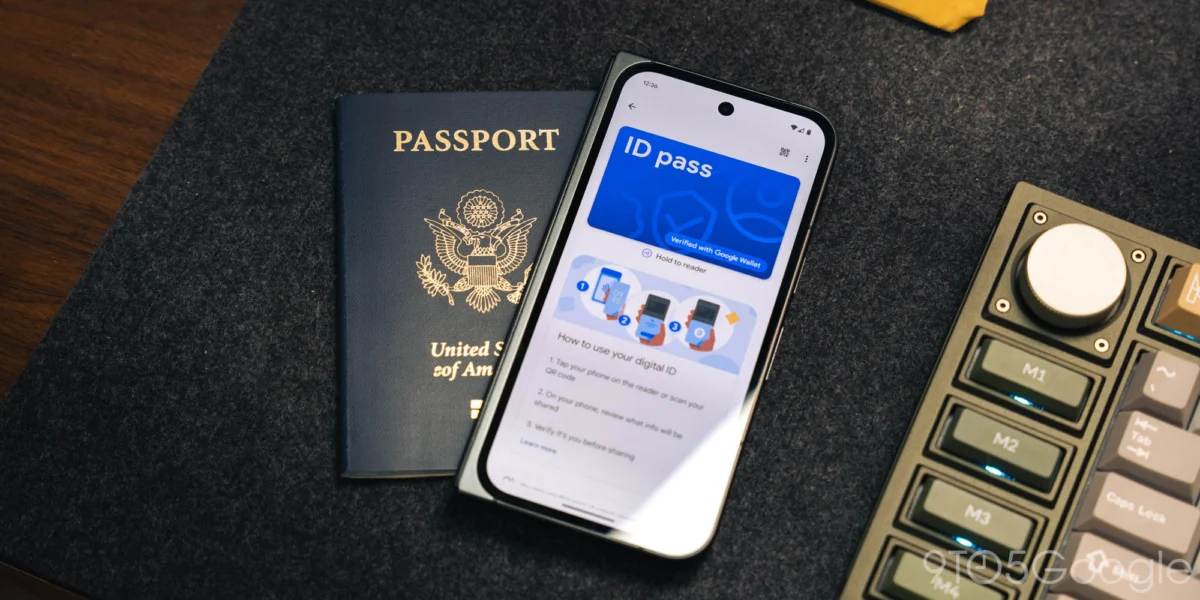
Perhaps more significant for international travelers is the expansion of Google’s "ID pass" feature. Previously limited to a select group of nations—including the United States, United Kingdom, Singapore, Taiwan, and Brazil—Google is now extending support to Estonia, Ireland, Italy, and Spain. This feature allows users to digitize their physical passports for use in specific scenarios, such as expedited transit through TSA security checkpoints in the U.S. via NFC or QR code verification.

Chronology: A Trajectory Toward Digital Sovereignty
The evolution of Google Wallet from a simple payments app to a comprehensive identity ecosystem has been a multi-year effort.
- Initial Launch: Google transitioned from "Google Pay" to "Google Wallet," signaling a shift toward storing more than just credit cards. This included boarding passes, event tickets, and digital car keys.
- The Redesign Era (Late 2026): Google introduced the "stacked card" design, a structural overhaul that optimized screen real estate and improved navigation for users with high volumes of digital passes.
- The Notification Pivot (October 2026): Google formally announced the development of the in-app message center, responding to user feedback regarding the difficulty of tracking historical updates within the app.
- The Passport Push (October 2026): Following the initial successful pilot of digital ID passes, Google began an aggressive expansion phase in late October, adding key European nations to its supported list, thereby bridging the gap between national government services and private technology platforms.
Supporting Data: How the ID Pass Works
The technical implementation of the "ID pass" is a rigorous process designed to meet high security standards set by governmental bodies. Unlike a standard loyalty card, the digital passport involves a multi-step verification process that ensures the authenticity of the user:
- Initiation: Users tap the "plus" floating action button (FAB) on the Wallet homepage.
- Selection: Navigate to "IDs & personal info" and select "ID pass."
- Physical-to-Digital Bridge: The app prompts the user to scan the information page of their physical passport.
- Security Chip Read: Using the device’s NFC capability, the app interacts with the biometric chip embedded in modern passports to verify the data’s authenticity.
- Biometric Verification: The final step requires the user to record a video of their face. This video is analyzed against the passport’s photo to confirm that the person adding the credential is the actual passport holder.
- Completion: Once verification is finalized—a process that can take a few moments—the user receives a confirmation notification, at which point the digital ID is ready for use.
Official Responses and Strategic Context
While Google has remained characteristically understated regarding its roadmap, the company’s recent support documentation provides clarity on its intent. By consolidating messages into a central feed, Google is moving away from the "notification noise" that plagues mobile OS environments.
"The in-app message center is designed to provide a more reliable, persistent experience for our users," a Google representative noted in technical documentation released earlier this month. The shift toward "ID passes" is also reflective of a broader industry trend where the smartphone is becoming the primary container for civil identity. By collaborating with government agencies—such as the TSA in the U.S.—Google is navigating a complex regulatory landscape to ensure that these digital documents are legally recognized.
Implications: A New Standard for Identity
The implications of these changes are twofold: one for the user experience, and one for the future of digital privacy.

The User Experience Shift
The new message center signifies that Google Wallet is no longer just a "wallet"—it is becoming a digital concierge. By keeping users informed about their wallet items, Google reduces the friction associated with managing a digital life. For example, if a flight is delayed or a loyalty program policy changes, the user no longer has to hunt through email inboxes; the information is localized exactly where it matters.
The Privacy and Security Landscape
The rapid expansion of the ID pass feature, particularly in European markets, highlights the importance of the "secure enclave" on Android devices. Because Google is handling sensitive government-issued credentials, the security requirements are significantly higher than for standard financial transactions.
The requirement for a video selfie and NFC-based chip scanning demonstrates that Google is prioritizing identity theft prevention. However, this also raises questions regarding data centralization. By hosting identity documents, Google becomes a central point of failure. The company has historically emphasized that these documents are stored locally on the device’s secure hardware and are encrypted, but as the scope of Wallet grows, the pressure on Google to maintain ironclad security protocols will only increase.
The Future of Travel
For the average traveler, these updates represent the end of the "fumble." With digital passports and organized notifications, the transition through airports and borders becomes a seamless process. If this trend continues, we may soon see the physical wallet relegated to a legacy item, with all critical identity, financial, and transit documents living exclusively in the secure digital space.
Conclusion
The integration of a notification feed and the broadening of passport support represent a maturing of the Google Wallet platform. By combining the efficiency of a streamlined UI with the authority of verified digital IDs, Google is successfully evolving into an essential utility. As more countries adopt these digital standards, the "stacked" cards and "ID passes" of Google Wallet will likely define how we interact with the physical world, making the device in our pocket the ultimate key to our daily lives. Whether through the convenience of real-time alerts or the technological marvel of a digital passport, Google is ensuring that it remains at the heart of the digital transformation.