








Main Facts: The Modern PR Dilemma and the Pivot to On-Site Value
In the fast-paced world of modern public relations, campaigns have traditionally looked outward. Public relations teams pour immense resources into external outreach, desperate to secure coveted coverage, features, and mentions in high-authority third-party publications. However, this hyper-focus on external real estate often comes at a steep cost. Once the initial wave of media coverage fades, many campaigns experience a sudden, sharp decline in relevance, struggling to demonstrate tangible, long-term business value.
This operational blind spot sits at the heart of one of the industry’s most persistent frustrations. Recent data from comprehensive industry reports reveals that over half of all PR professionals—50%—cite proving true return on investment (ROI) beyond surface-level vanity metrics as their most persistent professional challenge. Impressions, views, and reach calculations no longer satisfy boardrooms demanding hard proof of financial and strategic impact.
At the same time, the rules of media engagement are undergoing a dramatic structural evolution. Modern media outlets are becoming increasingly selective about what they publish and, more importantly, whom they link to. Groundbreaking studies underline this shift: roughly 68% of journalists now explicitly prioritize pitches backed by original research, proprietary data, and primary-source validation over generic press releases.
Consequently, high-quality, on-site campaign content has transitioned from a secondary checkbox to an absolute mission-critical asset. By anchoring proprietary campaign findings directly onto their own domains, brands can effectively extend campaign longevity, fortify their authoritative credibility, and capture the high-value backlinks necessary to drive genuine organic growth.

Chronology: The Evolution of Campaign Strategy From Outbound Noise to Inbound Asset
To understand how the industry arrived at this strategic crossroads, it is helpful to look back at how digital PR and content marketing have evolved over the past decade.
Phase One: The Wild West of Volume Outreach (Early 2010s)
In the earlier days of content-driven PR, the playbook was straightforward: manufacture a quirky survey, compile a rudimentary press release, and blast it out to thousands of journalists simultaneously. Success was measured primarily by the sheer volume of links secured, regardless of context, relevance, or domain quality. Brands rarely invested in substantial on-site hubs; a simple PDF or a thin, unoptimized blog post was usually deemed sufficient to catch whatever stray traffic trickled down from external coverage.
Phase Two: The Shift Toward Quality and E-E-A-T (Late 2010s to Early 2020s)
As search engines grew more sophisticated—integrating complex algorithms focused on Experience, Expertise, Authoritativeness, and Trustworthiness (E-E-A-T)—thin content began to lose its efficacy. Major search engine updates penalized sites relying on low-effort tactics. Simultaneously, journalists faced mounting resource constraints, forcing them to demand higher standards of journalistic integrity. Brands realized they could no longer rely on external publications to do all the heavy lifting; they needed to establish their own digital ecosystems as credible publishers in their own right.
Phase Three: The Modern ROI Mandate (Present Day)
Today, the industry faces an unforgiving economic climate where marketing and communications budgets are heavily scrutinized. Vanity metrics have been systematically unmasked as insufficient indicators of business health. Modern PR strategies now require a symbiotic loop: external outreach drives immediate visibility, but a robust on-site content architecture captures that momentum, converts casual readers into engaged prospects, and secures the authoritative backlinks required to sustain organic search performance long after the initial news cycle dies down.

Supporting Data: Why On-Site Anchors Drive Real Results
The argument for robust on-site campaign architecture is backed by clear behavioral and SEO data. When a brand launches a data-led campaign, its ultimate success relies heavily on how well its website supports the ecosystem of the story.
- The Power of Original Data: With 68% of journalists demanding primary research, brands that house their data cleanly on-site position themselves as the undisputed authority. When external outlets write about the findings, they look for a primary source to credit. Publications frequently maintain strict editorial policies that only permit backlinks to original data sources, making well-structured on-site pages non-negotiable for link-building success.
- Beyond Visibility to Traffic: While brand mentions build passive awareness, backlinks from reputable, high-authority outlets actively funnel targeted traffic straight to a brand’s digital doorstep. This influx of relevant users dramatically increases the probability of meaningful engagement, conversions, and long-term customer loyalty.
- Combating Metric Fatigue: By shifting focus from impressions to comprehensive on-site engagement metrics—such as average time on page, internal link click-through rates, and conversion completions—marketers can definitively answer the age-old question of campaign ROI.
Official Perspectives and Industry Insights
Industry leaders and communication strategists are increasingly vocal about the necessity of integrating PR and SEO efforts through dedicated on-site assets.
According to communications strategists behind recent marketing outlook benchmarks, the modern landscape requires a departure from siloed operations. Historically, PR teams focused exclusively on earned media while SEO teams chased keyword rankings in isolation. Today’s best-performing organizations recognize that a campaign’s on-site home is the bridge between these two disciplines.
Furthermore, editorial panels and digital publishing experts note that journalists are remarkably time-poor. When a journalist clicks through from a pitch email to a brand’s website, they are hunting for specific angles, fast facts, and verifiable methodology. If they encounter a poorly formatted wall of text, confusing navigation, or broken data, they will bounce to a competitor’s research. Conversely, a transparent, meticulously organized on-site resource builds instant trust and dramatically increases the likelihood of a comprehensive, deeply reported feature piece.
Implications: Best Practices for Crafting High-Impact On-Site Assets
Transforming an on-site page from a passive digital storage closet into a dynamic, high-performing campaign asset requires a deliberate, methodical approach. Brands must design their content to appeal simultaneously to three distinct audiences: their core consumer base, prospective journalists, and the broader web audiences arriving via publication backlinks.
Blog posts and long-form analytical articles serve as the gold standard for presenting full datasets in exhaustive depth, simultaneously boosting brand credibility, earning potential backlinks, and maximizing SEO performance. To achieve this, practitioners should implement the following strategic best practices:
1. Establish Credibility and Hook Early
First impressions matter immensely in both journalism and digital engagement. Brands must position themselves as the primary, trustworthy data source by verifying their credentials and authority early on the page.
- The Narrative Hook: Explain the core narrative and why the findings matter within the very first couple of sentences. Expand upon the press release and pitch emails by answering critical questions: What is the headline statistic? What makes this newsworthy right now? Why should a journalist care?
- Transparent Methodology: Always include the full methodology at the bottom of the page. This transparency allows skeptical journalists and industry analysts to review the data collection process, sample sizes, and parameters, satisfying rigorous journalistic standards and uncovering secondary angles that might not appear in the top-line summary.
2. Make Data Digestible and Scannable
Journalists and modern web users rarely read every word of a long-form article; instead, they scan for vital information.
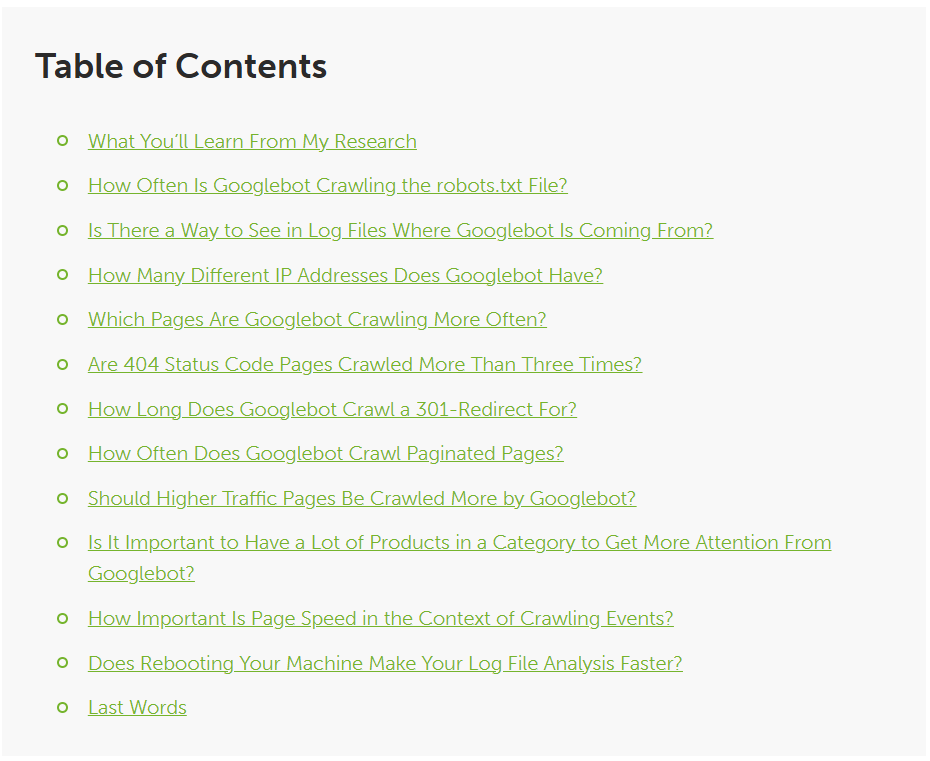
- Visual Hierarchies: Format key statistics in bold text and utilize concise bullet points rather than winding, lengthy paragraphs.
- Navigation Aids: Implement a clear table of contents for longer blog posts, enabling journalists hunting for specific data angles to jump directly to the relevant subsection without friction.
- Engaging Visual Assets: Incorporate custom charts, infographics, and data tables that clearly tell the story of the data at a glance. Crucially, embed subtle, tasteful branding into these visuals so that when external publications reuse your charts in their coverage, your brand retains exposure and attribution.
- Balanced Language: Balance the technical requirements of SEO keyword optimization with direct, accessible, human-centric language that engages everyday readers and busy reporters alike.
3. Leverage Brand Exposure and User Journeys
A successful on-site campaign asset should never act as a dead end.
- Internal Linking and CTAs: Guide readers further down the conversion funnel by embedding relevant internal links throughout the copy and placing a clear, compelling call to action (CTA) at the conclusion of the article. This extends the user journey and creates viable paths toward conversion or product exploration.
- Social Sharing and Previews: Incorporate frictionless social sharing buttons accompanied by concise, pre-filled text snippets highlighting the core narrative. Pair these with strong, contextually relevant preview images (Open Graph tags) to maximize click-through rates when the content is shared across social media platforms.
4. Plan for Longevity and Continuous Relevance
Campaigns should not have an expiration date simply because the initial PR push has concluded.
- Evergreen Updates: Design research initiatives that lend themselves naturally to periodic updates. Refreshing older assets with fresh, current data breathes new life into a campaign, driving a secondary wave of traffic and media interest with minimal additional production effort.
- Capitalizing on News Hooks: If an emerging industry trend or breaking news event suddenly aligns with your archived research, use it as a timely hook to regenerate traction and restore public relevance.
- SEO Preservation (The Golden Rule): Never delete an old campaign URL to launch a new one for an updated report. Always keep the same URL to prevent duplicate content penalties, eliminate internal keyword cannibalization, and preserve the cumulative search authority and backlink equity the page has earned over time.
- Signaling Freshness: Search engines and modern AI-driven search overviews heavily favor content that signals current relevance. Add a clear “last updated” date in the byline to assure readers and search algorithms alike that the data is actively maintained and trustworthy.
Conclusion: Maximizing Campaign Value Beyond the News Cycle
By rigorously following these best practices, brands can fundamentally elevate their public relations strategy. On-site campaign content ceases to be a mere supporting afterthought and instead becomes the robust anchor of a cohesive, high-performing marketing ecosystem.
While external media coverage will always be a cornerstone of brand awareness, anchoring those efforts with exceptional on-site assets ensures that brand momentum does not fade when the headlines disappear. Strong on-site content captures fleeing attention, converts it into valuable, authoritative backlinks, guides users through meaningful engagement journeys, and ultimately delivers a measurable, undeniable ROI that satisfies even the most demanding boardroom metrics.