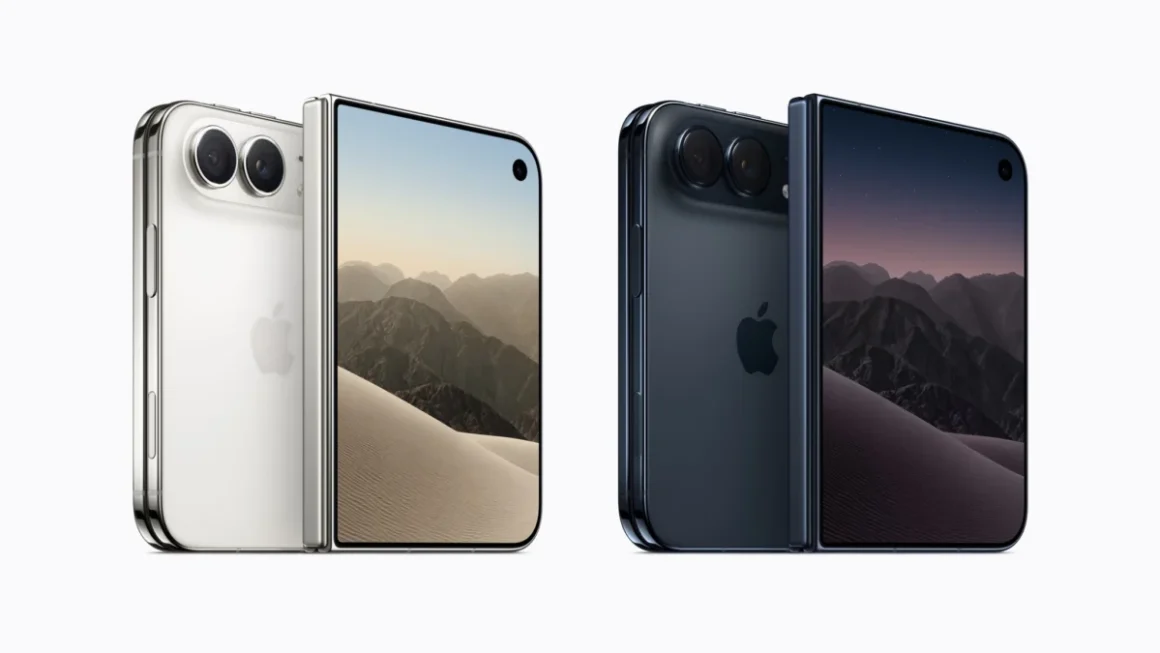








The evolution of foldable smartphones has been defined by a singular, persistent quest: how to marry the expansive utility of a tablet with the pocketability of a traditional flagship handset. For years, Samsung has led the charge, setting the industry standard for durability and user experience. However, the market has become increasingly crowded, with competitors—particularly from China—pushing the boundaries of physical dimensions.
Now, fresh leaks suggest that Samsung is preparing a definitive response. With the upcoming Galaxy Z Fold 7, the South Korean tech giant is reportedly pivoting toward a radical design overhaul, aiming to capture the elusive title of "world’s slimmest foldable."
The Core Revelation: Chasing the 3.9mm Frontier
The foldable market is currently locked in a "thickness war." With the Oppo Find N5 poised to push the limits of thinness, industry eyes are fixed on Samsung’s next move. According to recent disclosures from the reputable leaker Ice Universe, Samsung is set to make a massive leap in its industrial design.
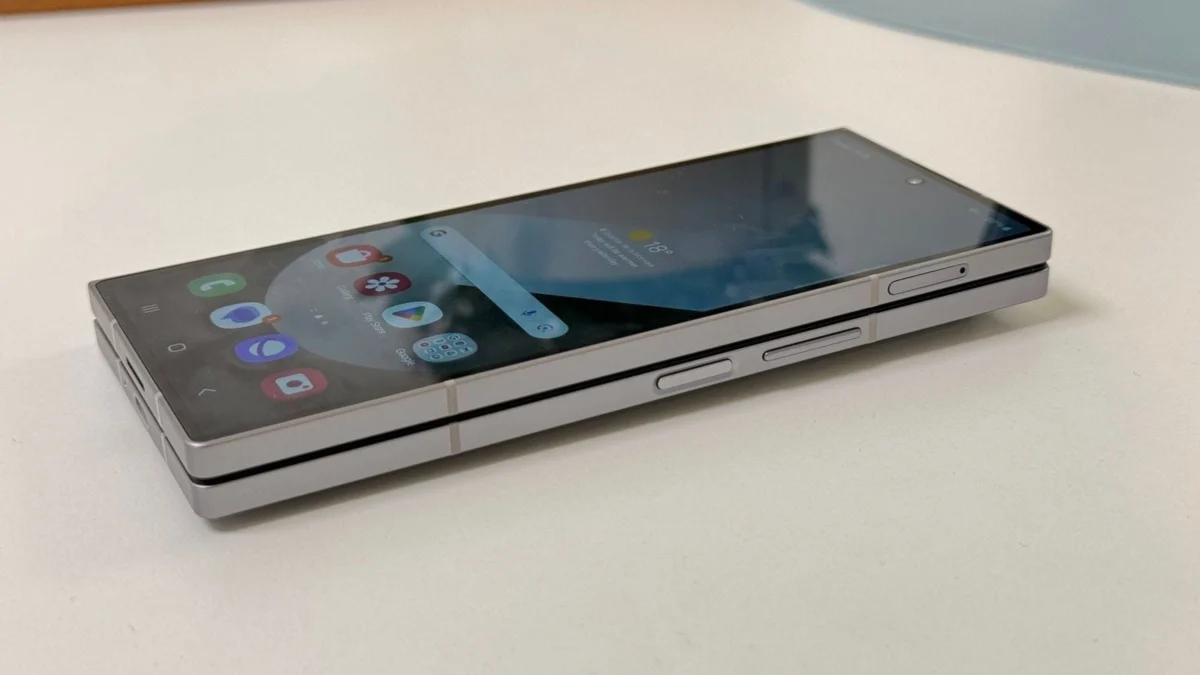
The report suggests that the Galaxy Z Fold 7 will measure an astonishing 3.9mm when unfolded and 8.9mm when in its folded state. To put this into perspective, the predecessor, the Galaxy Z Fold 6, measures 5.6mm when unfolded. A reduction of nearly 1.7mm in a device that is already structurally complex is a feat of engineering that requires a complete rethink of internal component placement, hinge architecture, and battery density. If these figures hold, Samsung would not only catch up to the competition but potentially set a new benchmark for the industry, effectively neutralizing the "bulkiness" critique that has haunted book-style foldables since their inception.
A Chronology of Refinement: From Bulky Prototype to Sleek Flagship
To understand the magnitude of the Galaxy Z Fold 7’s rumored design, one must look back at the trajectory of the series.
The Early Years (2019–2021)
When the original Galaxy Fold launched, it was a proof-of-concept device—chunky, fragile, and plagued by a noticeable gap when closed. The Galaxy Z Fold 2 and 3 brought refinements in hinge durability and the introduction of water resistance, but the devices remained dense, often described as "two phones stacked together."
The Maturity Phase (2022–2023)
With the Galaxy Z Fold 4 and 5, Samsung focused on weight reduction and hinge mechanics. The introduction of the "Flex Hinge" allowed the devices to close completely flat, a significant milestone that signaled the end of the wedge-shaped gap. However, the total thickness remained a point of contention for users who desired a more traditional smartphone experience.
The Slimness Era (2024–Present)
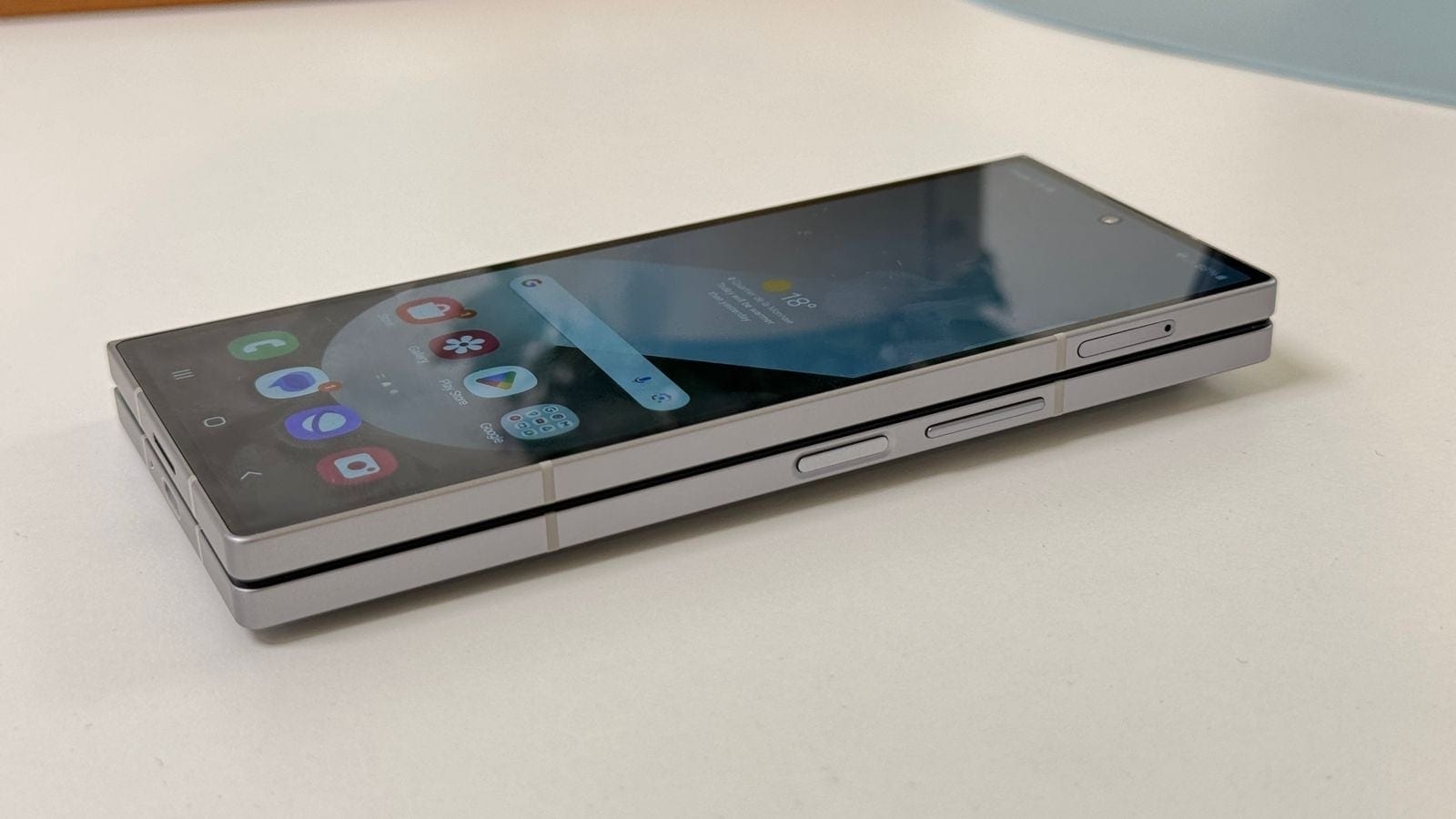
The Galaxy Z Fold 6 began the transition toward a more squared-off, boxy design, mirroring the aesthetics of the Galaxy S24 Ultra. Now, the Fold 7 represents the culmination of this design philosophy—shedding weight and thickness to prioritize an ultra-thin profile that feels ergonomic in the hand.
Technical Specifications: Power Within the Profile
Achieving a 3.9mm profile involves significant technical trade-offs, yet the Galaxy Z Fold 7 is rumored to maintain—and in some areas, exceed—the performance of current-gen devices.
Display Innovations
The Fold 7 is expected to sport a 6.5-inch cover display, providing a more usable aspect ratio that feels less like a narrow remote and more like a standard smartphone screen. Internally, the device will unfold to reveal a massive 8-inch main display. Industry insiders suggest that Samsung has refined its UTG (Ultra Thin Glass) and hinge mechanisms to nearly eliminate the display crease, providing a seamless canvas for productivity and media consumption.
Processing Power
At the heart of the device will likely be the Snapdragon 8 Elite, Qualcomm’s latest flagship silicon. This processor is engineered not just for raw performance, but for power efficiency—a critical requirement for a device this thin. Paired with 12GB of RAM and storage options scaling up to 1TB, the Fold 7 aims to be a mobile powerhouse capable of handling heavy multitasking, desktop-class browsing, and high-end gaming.
Camera Array
Despite the slim chassis, Samsung is not expected to compromise on optics. Rumors point to a robust triple-camera setup, potentially headlined by a 200MP primary sensor. This would be a significant upgrade over previous generations, offering unprecedented detail in mobile photography. This will likely be complemented by a 12MP ultrawide lens and a 10MP telephoto lens, ensuring that the device remains a versatile tool for creators.
The Battery Dilemma: Efficiency Over Capacity
Perhaps the most significant challenge of a 3.9mm frame is housing a battery that can sustain a full day of use. Reports indicate that the Galaxy Z Fold 7 will feature a 4,400mAh battery—a capacity similar to the Fold 6. While this might seem stagnant at first glance, the integration of the Snapdragon 8 Elite is expected to yield better power efficiency.
By utilizing advanced software optimization and hardware-level power management, Samsung hopes to maintain, if not improve, the device’s battery life. This highlights the industry-wide shift from "bigger batteries" to "smarter energy consumption," a trend that will be vital as smartphones continue to get thinner.

Implications for the Industry and Consumers
The move toward ultra-slim foldables carries significant implications for the global mobile market.
- Consumer Expectations: If Samsung succeeds in creating a 3.9mm device that feels as sturdy as a traditional bar phone, the "thickness" of a phone will no longer be an excuse for poor design. It forces competitors like Xiaomi, Honor, and Oppo to innovate at a faster pace.
- Manufacturing Economics: Achieving such extreme thinness requires specialized materials, such as aerospace-grade titanium or high-strength carbon fiber. This may drive up the manufacturing cost, potentially keeping the Fold 7 in the "ultra-premium" price bracket.
- The "Mainstream" Tipping Point: As foldables become thinner and more durable, the barrier to entry for the average consumer drops. A thin, powerful foldable is no longer just for tech enthusiasts; it becomes a viable daily driver for the general public.
Official Responses and Market Positioning
While Samsung has not officially commented on the leaked specifications, the company’s recent marketing campaigns have emphasized "refined design" and "AI-powered experiences." Samsung’s Galaxy AI integration, which has been a pillar of their 2024 and 2025 strategy, is expected to play a major role in the Fold 7’s software ecosystem.
The company is currently in a defensive position. While they remain the market leader in global foldable shipments, they are losing ground in markets like China, where ultra-slim devices have become the norm. The Fold 7 is, in many ways, a strategic maneuver to regain the "Innovation Leader" narrative. By reclaiming the title of the slimmest foldable, Samsung can refocus the conversation on their hardware prowess, proving that they can iterate faster and more effectively than their challengers.
Conclusion: A New Standard?
The Samsung Galaxy Z Fold 7 is shaping up to be more than just an annual refresh. It represents a pivot point in the foldable narrative. By focusing on the structural limits of the form factor—pushing the thickness down to a staggering 3.9mm—Samsung is attempting to bridge the final gap between the foldable of the future and the smartphone of today.
As we approach the official launch window, all eyes will be on whether these leaks manifest into reality. If they do, the Galaxy Z Fold 7 will likely be remembered as the device that finally silenced the skeptics, proving that the foldable form factor is not just a gimmick, but the future of mobile computing. The race to the bottom of the millimeter scale is on, and Samsung is clearly aiming to be the last one standing.